Why Orzo Cacio e Pepe?
The simple sizzle of freshly ground black pepper toasting in a warm skillet fills the kitchen with an inviting aroma. Orzo Cacio e Pepe takes the iconic Roman pasta dish to a whole new level by using tiny, rice-shaped orzo pasta. This twist creates a luscious, creamy texture that melts on your tongue with every bite. The combination of pecorino and parmigiano cheeses melds with peppery heat for a comforting, easy meal that feels both luxurious and effortless. If you crave authentic Italian flavors in under 25 minutes, this recipe will quickly become a weeknight favorite.
Health Benefits & Nutrition
Orzo Cacio e Pepe offers more than just indulgent taste. The Pecorino and Parmigiano cheeses provide a generous source of calcium and protein, which support bone health and muscle repair (Harvard School of Public Health). Black pepper contains piperine, a compound shown to have antioxidant and anti-inflammatory effects, potentially aiding digestion and enhancing nutrient absorption (Journal of Food Science). Orzo pasta contributes complex carbohydrates, delivering sustained energy. However, those sensitive to lactose or high sodium should moderate portions, as the cheese and added salt may affect digestion or blood pressure.
Ingredients & Preparation
Recipe Card
| Prep Time | 5 minutes |
| Total Time | 20 minutes |
| Servings | 3 to 4 |
| Calories per Serving | 493 kcal |
| Diet Tags | Vegetarian |
Full Ingredient List
- 1¼ cups (250 grams) orzo pasta
- 4 cups water
- ½ teaspoon kosher salt, plus more to taste
- 1 to 2 teaspoons freshly ground black pepper
- 1 cup finely grated Pecorino Romano cheese
- ½ cup finely grated Parmigiano-Reggiano cheese
Equipment Needed
- Large pot for boiling pasta
- Fine mesh strainer or colander
- Large skillet or sauté pan
- Microplane or fine grater for cheeses
- Wooden spoon or tongs for stirring
Tips for Choosing Quality Ingredients
Start with authentic cheeses—Pecorino Romano is sharp and salty, while Parmigiano-Reggiano adds nuttiness and depth. Freshly grate them yourself for the creamiest melt. Pick premium orzo, ideally bronze-cut, which better absorbs sauce and has a rustic texture. Select whole black peppercorns to freshly grind for maximum aroma. Lastly, use kosher salt or sea salt for seasoning the cooking water to enhance flavor without overpowering the creamy sauce.
Step-by-Step Instructions
1. Boil the Orzo (6 to 8 minutes)
Bring 4 cups of water to a vigorous boil over high heat. Add ½ teaspoon kosher salt, then stir in the orzo. Cook uncovered for 6 to 8 minutes until the pasta is al dente—tender but still with a slight bite. Reserve 1 cup of the starchy cooking water before draining the pasta.
2. Toast the Black Pepper (1 to 2 minutes)
While the orzo cooks, heat a large skillet over medium heat. Add the freshly ground black pepper and toast it gently, stirring frequently for 1 to 2 minutes until the aroma becomes intense and spicy. Watch closely to avoid burning the pepper.
3. Combine and Create the Sauce (5 to 7 minutes)
Lower the heat to medium-low. Add the drained orzo to the skillet with toasted pepper. Pour in ½ cup of reserved pasta water, stirring vigorously to coat the orzo evenly. Gradually sprinkle in the Pecorino Romano and Parmigiano-Reggiano cheeses while stirring continuously. Toss the pasta until a rich, velvety sauce forms, adding more pasta water if necessary to reach a creamy consistency.
4. Final Seasoning and Serve Immediately (1 to 2 minutes)
Taste the dish and adjust seasoning with additional salt or pepper if desired. Serve hot to enjoy the sauce at its silkiest and most flavorful.

Variations & Substitutions
- Gluten-Free Option: Substitute orzo with gluten-free rice-shaped pasta or use quinoa for a grain alternative.
- Spice It Up: Add a pinch of crushed red pepper flakes to the black pepper to introduce gentle heat.
- Creamier Texture: Stir in a tablespoon of unsalted butter or a splash of heavy cream just before serving for extra luxuriously creamy sauce.
- Cheese Alternatives: Swap Pecorino Romano with Grana Padano or aged Asiago if needed, but hold the salt accordingly since these cheeses vary in saltiness.
Storage & Shelf Life
Refrigeration: Store leftover Orzo Cacio e Pepe in an airtight container in the fridge for up to 3 days. The sauce may thicken as it cools; gently reheat on low heat with a splash of water or broth to loosen.
Freezing: This dish does not freeze well, as the creamy cheese sauce can separate on thawing, becoming grainy and watery.
Signs of Spoilage: Discard if you notice sour smell, mold, or any sliminess. Freshly cooked pasta and cheese are prone to spoilage if left at room temperature for over two hours.
Pro Tips
- Use Reserved Pasta Water Wisely: The starchy water is the secret to a glossy, clingy sauce. Add it gradually to control consistency without over-thinning.
- Toast Pepper Gently: Toasting black pepper releases its essential oils, sharpening its flavor. Keep the heat moderate to avoid bitterness.
- Work Quickly: Cheese melts best while pasta is hot. Toss ingredients swiftly to achieve a smooth, creamy texture without clumps.
- Serve Immediately: Cacio e Pepe does not keep well once cooled because the sauce thickens and hardens. Enjoy fresh for the best experience.
- Use Two Cheeses: Pecorino Romano provides saltiness and tang, while Parmigiano-Reggiano adds depth and sweetness. Their balance is essential for authentic flavor.
When is the best time to eat Orzo Cacio E Pepe?
This dish shines as a quick weeknight dinner or a cozy lunch. It’s perfect when you want something comforting, filling, and easy to prepare in under 25 minutes. Its creamy texture and bold peppery kick make it ideal for cooler evenings but enjoyable any time you crave classic Italian simplicity.
Can I use other pasta shapes instead of orzo?
Yes, you can substitute orzo with small pasta shapes like ditalini or acini di pepe, which hold the sauce well. However, orzo’s rice-like size is crucial for the characteristic silky mouthfeel, so larger pasta may alter the dish’s texture.
How spicy should the black pepper be?
The black pepper should be freshly ground and toasted to bring out a vibrant, spicy aroma without overwhelming heat. The goal is a subtle bite that enhances the creamy cheese rather than overpowering it.
Is this recipe suitable for vegetarians?
Yes, Orzo Cacio e Pepe is vegetarian-friendly since it contains no meat. Both Pecorino Romano and Parmigiano-Reggiano cheeses often use animal rennet, so for strict vegetarians, look for versions made with microbial or vegetable rennet.
Can I prepare this recipe ahead of time?
Because the creamy sauce thickens and becomes clumpy after cooling, it’s best to prepare and serve Orzo Cacio e Pepe fresh. You can cook the orzo ahead and refrigerate it, but combine with cheese and pepper just before serving.
What wine pairs well with Orzo Cacio e Pepe?
A crisp white wine such as Pinot Grigio or Sauvignon Blanc balances the richness of the cheese and the bite of black pepper. For red lovers, a light Chianti complements the dish without overpowering it.
Can I incorporate vegetables or proteins into this dish?
Absolutely. Toss in sautéed spinach, roasted mushrooms, or roasted chicken slices to add texture and flavor. Just keep additions simple to preserve the dish’s classic creamy-peg leg harmony.
More Recipes You Will Love
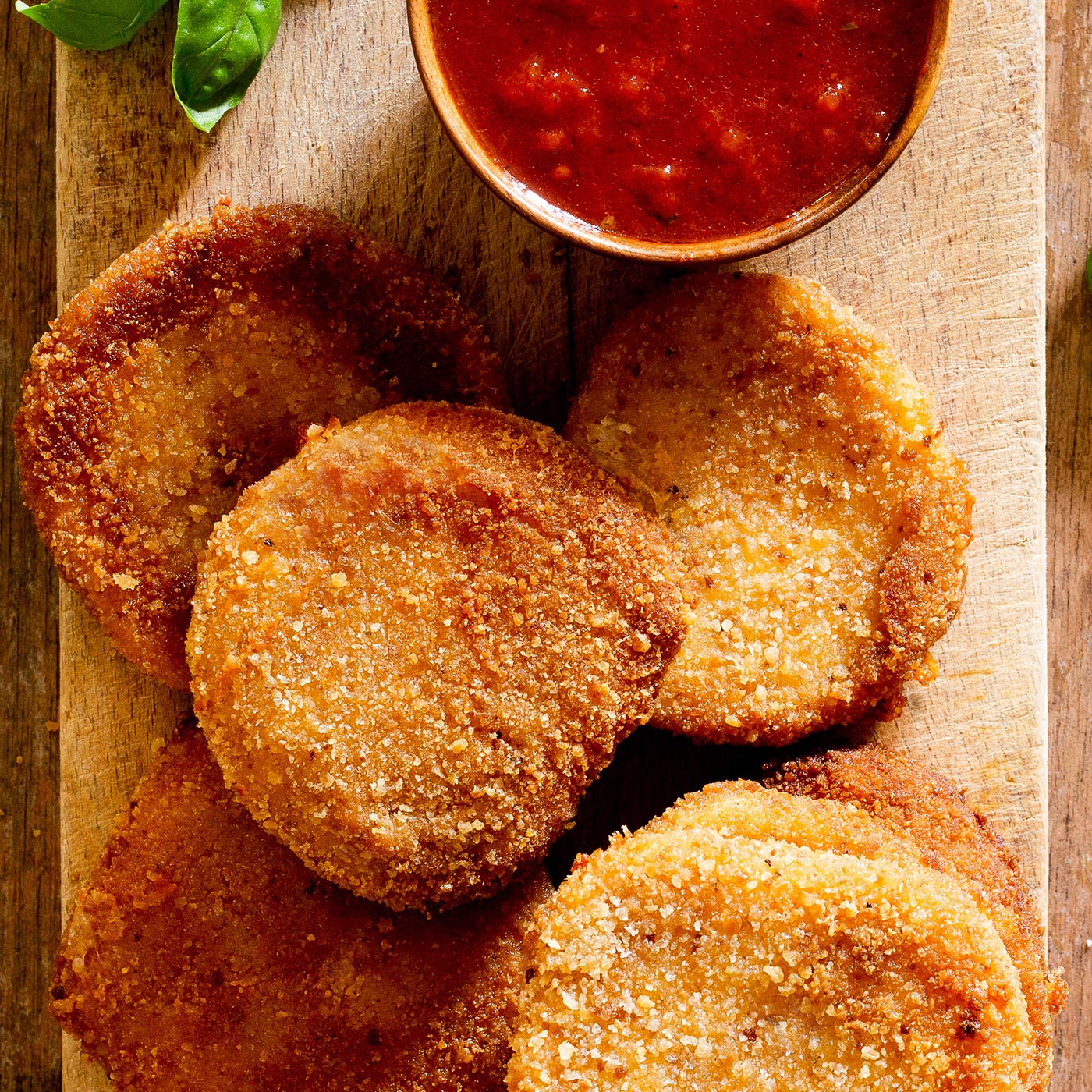
If you enjoy the creamy, peppery notes of Orzo Cacio e Pepe, you might also adore other Italian classics with rich sauces. Try the Veal scaloppini with saffron cream sauce recipe 1943706 for a delicate twist on a creamy meat dish. For an irresistible appetizer to accompany, the Beer battered italian mozza balls 13501867 offer crispy, cheesy goodness that contrasts beautifully with your main course.
Conclusion
Orzo Cacio e Pepe reimagines a beloved Italian classic with small pasta pearls that hold a creamy, peppery sauce to perfection. With just a handful of quality ingredients, you can craft a dish that feels rich, comforting, and deeply satisfying in only 20 minutes. You‘ll love how easily it comes together and the cozy warmth it brings to your table. Feel free to share your experience or rate this recipe; your feedback helps create a wonderful cooking community for all to enjoy.
FAQs
When is the best time to eat Orzo Cacio E Pepe?
Orzo Cacio E Pepe is ideal for a quick lunch or dinner when you want a comforting meal packed with flavor. It’s ready in under 25 minutes, making it perfect for busy weeknights or casual gatherings.
Can I make Orzo Cacio E Pepe vegan?
Traditional Orzo Cacio E Pepe uses Pecorino Romano and Parmigiano-Reggiano cheeses, which are not vegan. To make a vegan version, substitute with plant-based cheeses and ensure the pasta contains no eggs.
What type of cheese works best for Orzo Cacio E Pepe?
Pecorino Romano and Parmigiano-Reggiano are the best choices for Orzo Cacio E Pepe. Pecorino offers a sharp, salty flavor, while Parmigiano adds nuttiness and depth, creating a creamy and balanced sauce.
How can I prevent the cheese sauce from clumping?
Stir vigorously while adding the cheeses and incorporate reserved pasta water slowly. This helps the cheese melt evenly and form a smooth, creamy sauce instead of clumping or becoming grainy.
Is Orzo better than traditional spaghetti for Cacio e Pepe?
Orzo offers a unique texture with its tiny, rice-like shape that absorbs the sauce well and creates a creamy mouthfeel. It’s a delightful alternative for a cozy twist, but traditional spaghetti remains classic for its chewiness.