Why Mochi Doughnuts?
Imagine biting into a doughnut that offers a perfect crunch on the outside, followed by an irresistible chewy texture inside. Mochi doughnuts deliver exactly that sensation. This delightful treat combines the crispy golden exterior of classic doughnuts with the chewy, bouncy appeal of traditional mochi made from glutinous rice flour. The unique combination of textures makes them addictive and a wonderful twist on ordinary fried sweets. Their distinct flavor and satisfying mouthfeel have captured dessert lovers’ hearts worldwide, making mochi doughnuts a must-try for anyone craving something different and extraordinary.
Health Benefits & Nutrition
Mochi doughnuts might feel indulgent, but they include ingredients with notable benefits.
- Glutinous rice flour: It is gluten-free, which may suit those with mild gluten sensitivities. Studies suggest that rice flour can be easier to digest compared to wheat flour (Food Science & Nutrition, 2019).
- Tapioca flour: This is another gluten-free starch that provides easily digestible carbohydrates and adds a light, chewy texture. It’s low in fat and sodium, making it a clean energy source.
- Eggs: Deliver high-quality protein and essential nutrients supporting muscle repair and brain health.
- Butter and whole milk: Add richness with vitamins A and D, though they contribute saturated fat, so portion control is key.
Allergy and safety note: Those with egg, dairy, or gluten allergies should exercise caution, as this recipe contains those ingredients. Pregnant individuals should consult their healthcare provider about deep-fried foods and dietary fats.
Ingredients & Preparation
Recipe Card
| Prep Time | Total Time | Servings | Calories (per serving) | Diet Tags |
|---|---|---|---|---|
| 30 minutes | 1 hour 30 minutes | 12 mochi doughnuts | 446 | Gluten-friendly (contains rice & tapioca flour), Contains Dairy & Eggs |
Full Ingredient List
- 2 inches vegetable oil, for deep-frying
- 1 3/4 cups mochiko (glutinous rice flour)
- 1 cup whole milk
- 1 cup tapioca flour
- 1/2 cup granulated sugar
- 1/4 cup all-purpose flour
- 2 1/4 teaspoons baking powder
- 1/2 teaspoon fine salt
- 4 tablespoons unsalted butter, melted
- 2 large eggs, at room temperature
- 2 teaspoons pure vanilla extract
Assorted Glazes
- Passion Fruit Glaze: 1 cup confectioners’ sugar, 2 tablespoons passion fruit pulp
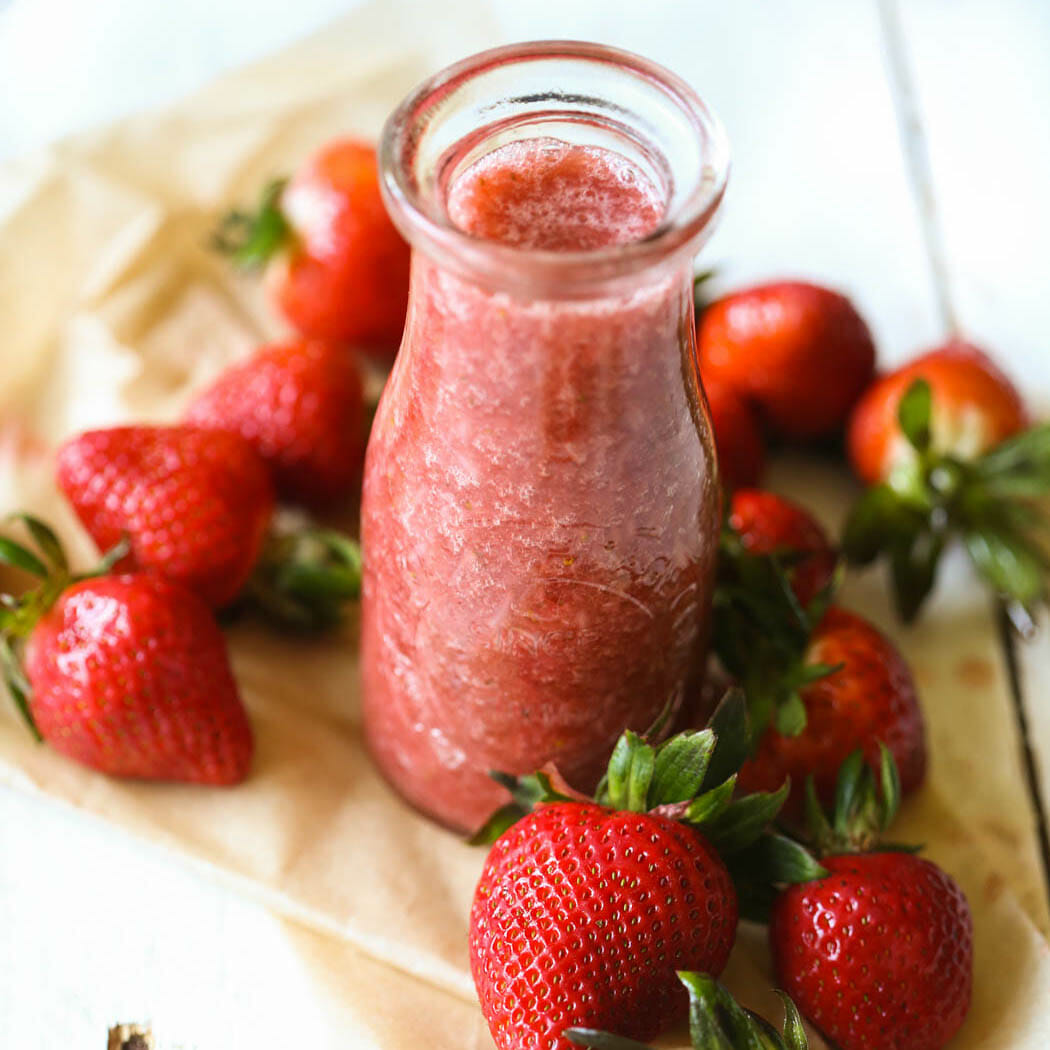
- Strawberry Glaze: 1/2 cup freeze-dried strawberries, 1 cup confectioners’ sugar, 3 tablespoons milk, 1/2 teaspoon vanilla
Equipment Needed
- Heavy-bottomed pot or deep fryer
- Deep-fry thermometer
- Microwave-safe bowl
- Electric mixer
- Piping bag with large round tip
- Parchment paper sheets
- Kitchen shears
- Cookie cutter or glass for tracing circles
Tips for Choosing Quality Ingredients
- Mochiko flour: Opt for fresh, high-quality mochiko to ensure chewy texture. Check expiration dates and avoid clumpy, old packages.
- Tapioca flour: Choose fine, bright white tapioca starch without added preservatives for clean flavor.
- Dairy & eggs: Use fresh, organic eggs and whole milk for richer taste and creaminess.
- Vegetable oil: Choose neutral-flavored oil with high smoke point, such as canola or sunflower oil, for safer deep frying.
Step-by-Step Instructions
Step 1: Prepare Rice Flour Paste (10 minutes)
Whisk together ½ cup mochiko and ½ cup whole milk in a medium microwave-safe bowl. Heat the mixture in the microwave for 1 minute until it thickens to a jelly-like consistency. Stir, then reheat in 20 to 30-second intervals if still liquid, until fully gelatinized.
Step 2: Combine Dry Ingredients (5 minutes)
In a large bowl, whisk 1 1/4 cups mochiko, tapioca flour, granulated sugar, all-purpose flour, baking powder, and salt thoroughly. This ensures even distribution of leavening and sweetness.
Step 3: Mix Wet Ingredients (5 minutes)
In a separate bowl, combine remaining ½ cup milk, melted butter, eggs, and vanilla extract. Whisk until smooth and well blended.
Step 4: Form the Dough (5 minutes)
Add the wet mixture to the dry ingredients and beat on medium speed with an electric mixer for 1 minute. Next, add the microwaved rice paste to the bowl and beat on medium-high speed for 2 minutes until the dough has a thick, smooth, pipeable consistency. Scrape down the sides as needed.
Step 5: Pipe and Shape Doughnuts (15 minutes)
Cut twelve 4-inch squares of parchment paper. Flip each over and trace a 3-inch circle on the blank side using a cookie cutter or glass. Fill a piping bag fitted with a large round tip with the dough. Pipe eight small connected rings forming the distinctive mochi doughnut shape onto each parchment circle. Wet kitchen shears to cleanly cut the dough rings.
Step 6: Deep Fry (15 minutes)
Heat vegetable oil in a heavy pot to 340°F–350°F (170°C–175°C). Carefully transfer each shaped doughnut with parchment into the hot oil. Fry for 2 to 3 minutes per side until golden brown and crispy. Use tongs to flip gently. Drain on paper towels.

Variations & Substitutions
- Gluten-Free version: Replace all-purpose flour with almond or oat flour to keep the doughnuts gluten-free without altering texture much.
- Dairy-Free option: Substitute whole milk with coconut or almond milk, and replace butter with plant-based margarine.
- Flavor infusions: Add matcha powder to the dry ingredients for a delicate green tea mochi doughnut with earthy notes.
- Vegan adaptation: Use flax eggs (1 tbsp ground flaxseed + 3 tbsp water per egg) and dairy-free milk and butter alternatives for a vegan-friendly treat.
Storage & Shelf Life
Refrigerator: Mochi doughnuts are best eaten fresh but can be kept in an airtight container for up to 2 days. Refrigeration may firm up the chewy texture.
Freezing: Freeze cooked doughnuts in a single layer on parchment paper, then transfer to a freezer bag for up to one month. Reheat by gently toasting or microwaving to restore softness.
Signs of spoilage: Discard doughnuts if they develop any off smells, mold, or an excessively hard texture after storage.
Pro Tips for Perfect Mochi Doughnuts
- Keep the oil temperature steady: Maintain 340°F–350°F to get a crispy exterior without overcooking the inside.
- Microwave the mochiko mixture carefully: Overheating causes a too-runny paste; it should be thick but pliable.
- Use wet kitchen shears: Wet scissors prevent dough sticking and help to pipe neat circles.
- Don’t overmix: Beat the dough just until combined to avoid tough texture.
- Pipe shapes consistently: To ensure uniform cooking, keep your doughnut rings about the same size and thickness.
When is the best time to eat Mochi Doughnuts?
The prime moment to enjoy mochi doughnuts is the day they’re freshly fried, while the exterior remains golden and crispy and the inside chewy and soft. They tend to lose their signature texture over time, so savoring them warm or at room temperature provides the best experience.
Can I make mochi doughnuts gluten-free?
Yes, simply replace the all-purpose flour in the recipe with gluten-free alternatives such as almond flour or certified gluten-free oat flour. The mochiko and tapioca flours are naturally gluten-free, maintaining the classic chewiness.
Are mochi doughnuts vegan-friendly?
Traditional mochi doughnuts contain eggs and butter. However, you can make vegan versions using flaxseed or chia seed "eggs," and plant-based milk and vegan butter to substitute the dairy and eggs.
What glaze flavors work best with mochi doughnuts?
Fruity glazes like passion fruit and strawberry complement mochi doughnuts beautifully, balancing sweetness with tang. Matcha or chocolate glazes also pair well, providing earthy or rich creamy layers of flavor.
How do I keep mochi doughnuts from sticking while frying?
Ensure the oil is hot enough before frying, and avoid overcrowding the pot. Also, letting doughnuts drain properly on paper towels right after frying reduces moisture and sticking.
Can I bake mochi doughnuts instead of frying?
Baking is possible but will change the classic crispy-chewy contrast to a more cakey texture. For authentic results, frying is recommended.
How do I store leftover mochi doughnuts?
Store cooled doughnuts in an airtight container in the fridge for up to 2 days or in the freezer for a month. Reheat gently to restore chewiness.
More Recipes You Will Love
If you enjoy the chewy, sweet delight of mochi doughnuts, you might also appreciate a creative spin on other treats. Try the peanut butter and jelly chocolates recipe 2125149 for a nostalgic, rich dessert with a fruity surprise. For a luscious twist combining rich chocolate and creamy peanut butter, the chocolate peanut butter cups recipe 1953945 is an unbeatable choice.
Conclusion
Mochi doughnuts offer a uniquely irresistible combination of crispy edges and chewy centers, making them stand out in the dessert world. They are a playful treat to enjoy fresh, with endless opportunities for customizing glazes and flavors to suit your taste. If you try this recipe, share your results or tips in the comments below—we love hearing about your cooking adventures with mochi doughnuts!
FAQs
When is the best time to eat Mochi Doughnuts?
Mochi Doughnuts are perfect any time you want a delightful snack or dessert. They are especially enjoyable fresh and warm, making them great for breakfast treats, afternoon snacks, or after-dinner indulgences.
Are Mochi Doughnuts gluten-free?
Yes, Mochi Doughnuts use glutinous rice flour and tapioca flour, which are naturally gluten-free. However, the recipe includes a small amount of all-purpose flour, so it's not completely gluten-free unless adjusted.
Can Mochi Doughnuts be baked instead of fried?
While traditionally deep-fried for a crispy exterior, baking Mochi Doughnuts is possible but may yield a softer texture and less crunch. Frying is recommended to achieve their signature crispy-chewy contrast.
How should Mochi Doughnuts be stored?
Store Mochi Doughnuts in an airtight container at room temperature for up to two days. For longer storage, refrigerate them, but reheat briefly to restore their chewy texture before serving.
What toppings or glazes work best on Mochi Doughnuts?
Popular glazes include passion fruit and strawberry for sweet, fruity flavors. You can also use chocolate, matcha, or simple powdered sugar for varied tastes and added visual appeal.