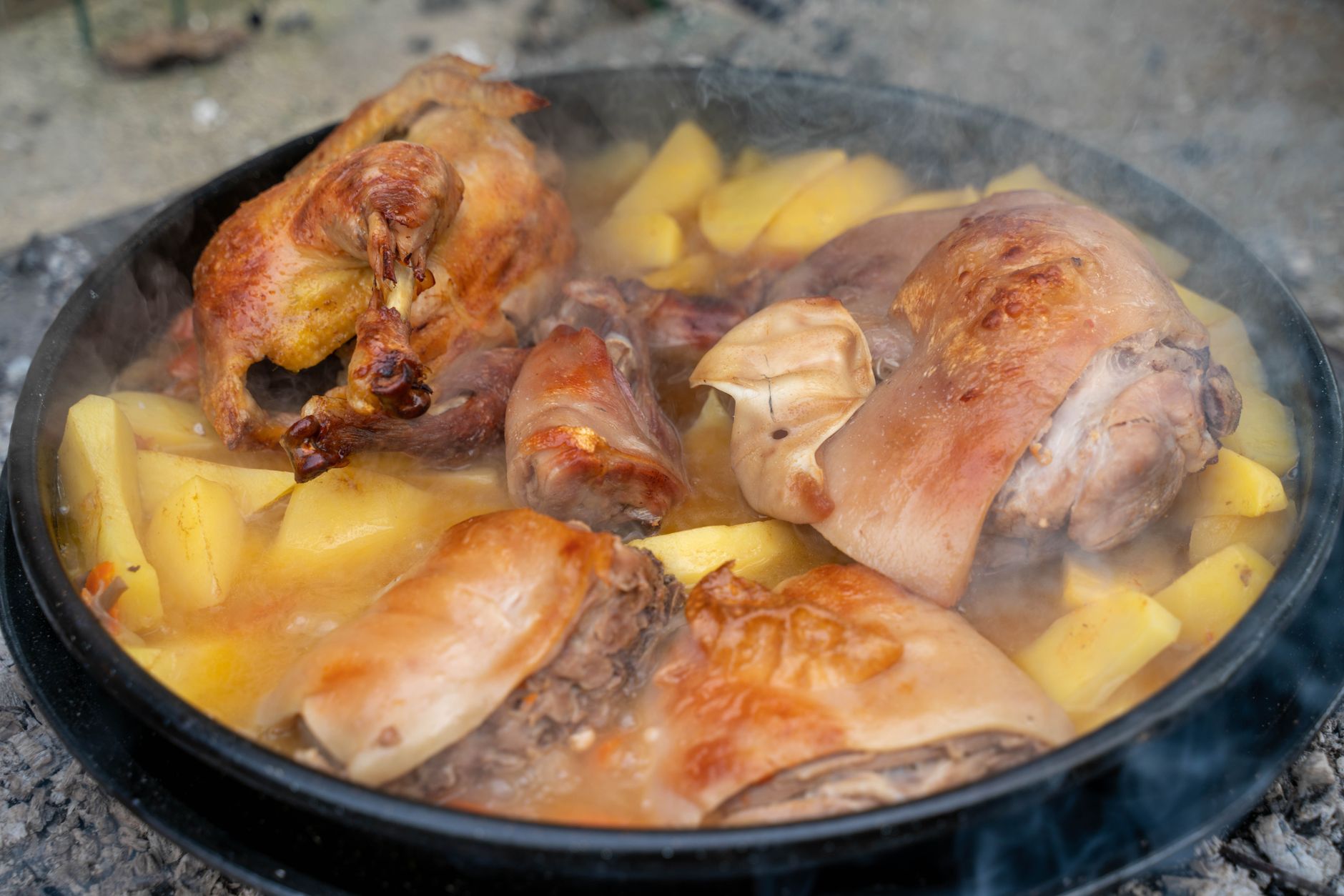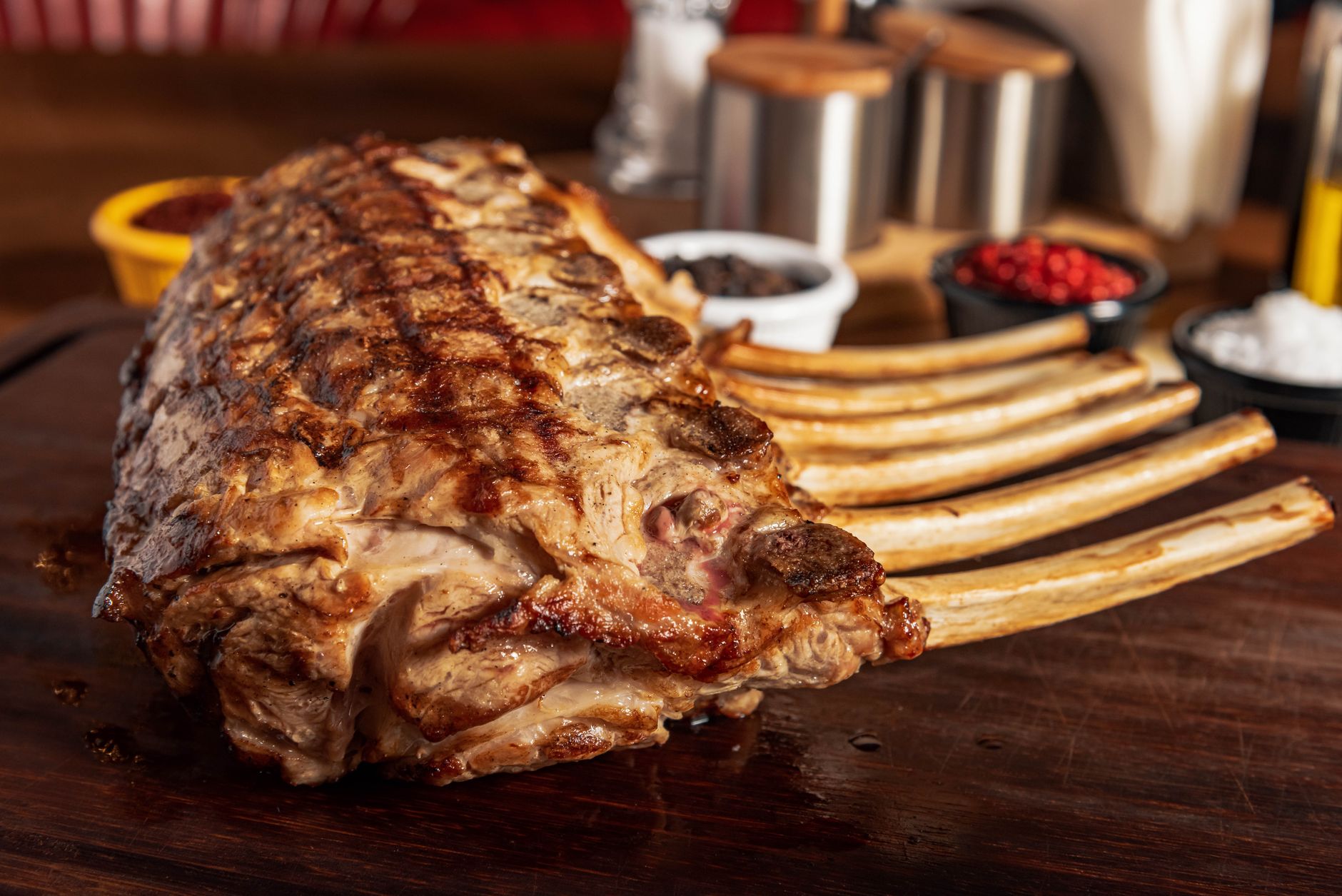
Why Memphis Dry-Rubbed Back Ribs Recipe?
The moment you bite into perfectly cooked Memphis dry-rubbed back ribs, you’ll experience a sizzling symphony of smoky, sweet, and spicy flavors. This style of ribs stands out for its intense, flavorful crust formed by a carefully crafted dry rub, without being masked by sticky sauces. Memphis barbecue is known for striking a balance between savory spices and natural meat sweetness, making every bite deeply satisfying. Whether you‘re a seasoned pitmaster or a backyard griller, mastering this Memphis Dry Rubbed Back Ribs Recipe brings authentic American barbecue right to your plate.
Health Benefits & Nutrition
While ribs may seem indulgent, they offer some nutritional benefits. Protein in pork supports muscle repair and growth, essential for healthy bodily functions. Rib meat contains B vitamins, especially B12, which aid in energy metabolism and brain health. Paprika and chili powder in the dry rub contribute antioxidants and capsaicin, known for anti-inflammatory effects and improved metabolism (Journal of Nutritional Biochemistry, 2019). However, due to the high fat and sodium content, it’s wise to enjoy this dish in moderation. People with high blood pressure or dietary restrictions should be cautious, as the rub’s salt and spices could affect health. Always ensure ribs are cooked thoroughly to prevent any risk of foodborne illness.
Ingredients & Preparation
Recipe Card
| Prep Time | 20 minutes |
|---|---|
| Marinate Time | 30 minutes to 4 hours |
| Cook Time | 2.5 to 3 hours |
| Total Time | 3 to 7 hours |
| Servings | 4 |
| Calories | Approx. 1346 per serving |
| Diet Tags | Gluten-Free, High Protein |
Full Ingredient List
- 2 slabs pork loin baby back ribs (about 2¼ pounds each)
- For Rib Rub:
- ¾ cup Turbinado sugar (Sugar In The Raw)
- ½ cup kosher salt
- ¼ cup smoked paprika
- 2 tablespoons finely ground black pepper
- 1 tablespoon granulated garlic
- 1 tablespoon onion powder
- 1 tablespoon ground cumin
- 1 tablespoon chili powder
- 1 teaspoon dry mustard
- 1 teaspoon ground coriander
- ½ teaspoon cayenne pepper
- ½ teaspoon ground allspice
Equipment Needed
- Charcoal grill or smoker
- Food thermometer
- Heavy-duty aluminum foil
- Tongs and grill brush
- Mixing bowl for rub
- Sharp knife (to remove membrane)
Tips for Choosing Quality Ingredients
- Pick fresh baby back ribs with a bright color and firm texture.
- Look for slabs with minimal surface fat but some marbling for juiciness.
- Use high-quality Turbinado sugar and kosher salt for better flavor balance.
- Opt for smoked paprika to add authentic smoky depth to the rub.
- Freshly ground black pepper enhances aroma and complexity.
Step-by-Step Instructions
Step 1: Prepare the Ribs (30 minutes to 4 hours before cooking)
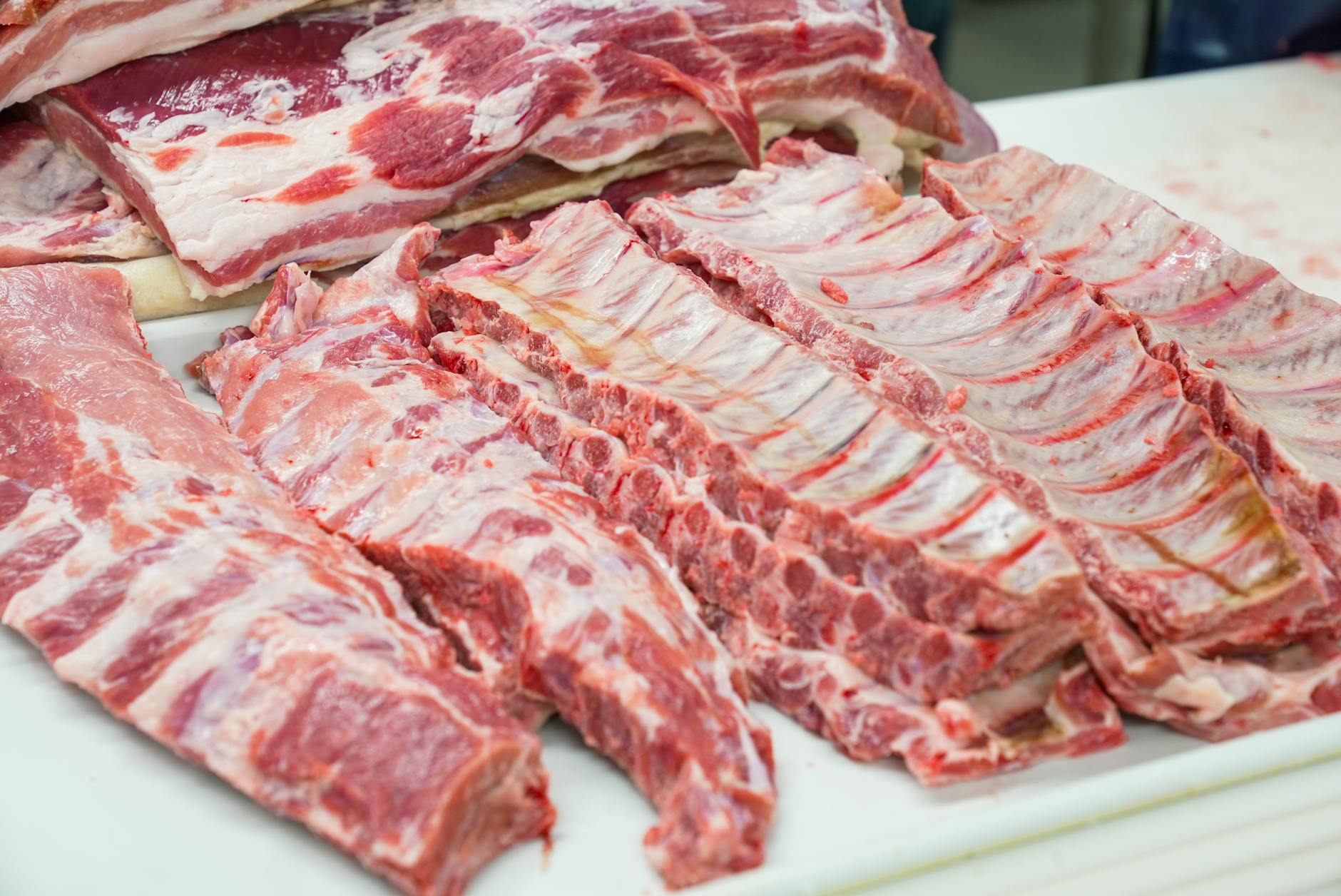
Start by peeling the thin membrane from the back of each rib slab using a sharp knife to loosen one edge and your fingers to pull it off. This improves tenderness and allows the rub to penetrate. Trim excessive fat if needed. Then, generously coat both sides of the ribs with the prepared rib rub. Wrap the ribs or place them uncovered in the refrigerator to marinate for at least 30 minutes, but no longer than 4 hours.
Step 2: Preheat Your Grill (Indirect Heat at 300°F, 10 minutes)
Set up your charcoal grill for indirect cooking aiming for a steady 300°F. Add a few chunks of apple or cherry wood to the coals for subtle fruity smoke that complements the spices. Place a drip pan under the grill grates to catch fat drippings and help regulate heat.
Step 3: First Cooking Phase – Low and Slow (1 hour)
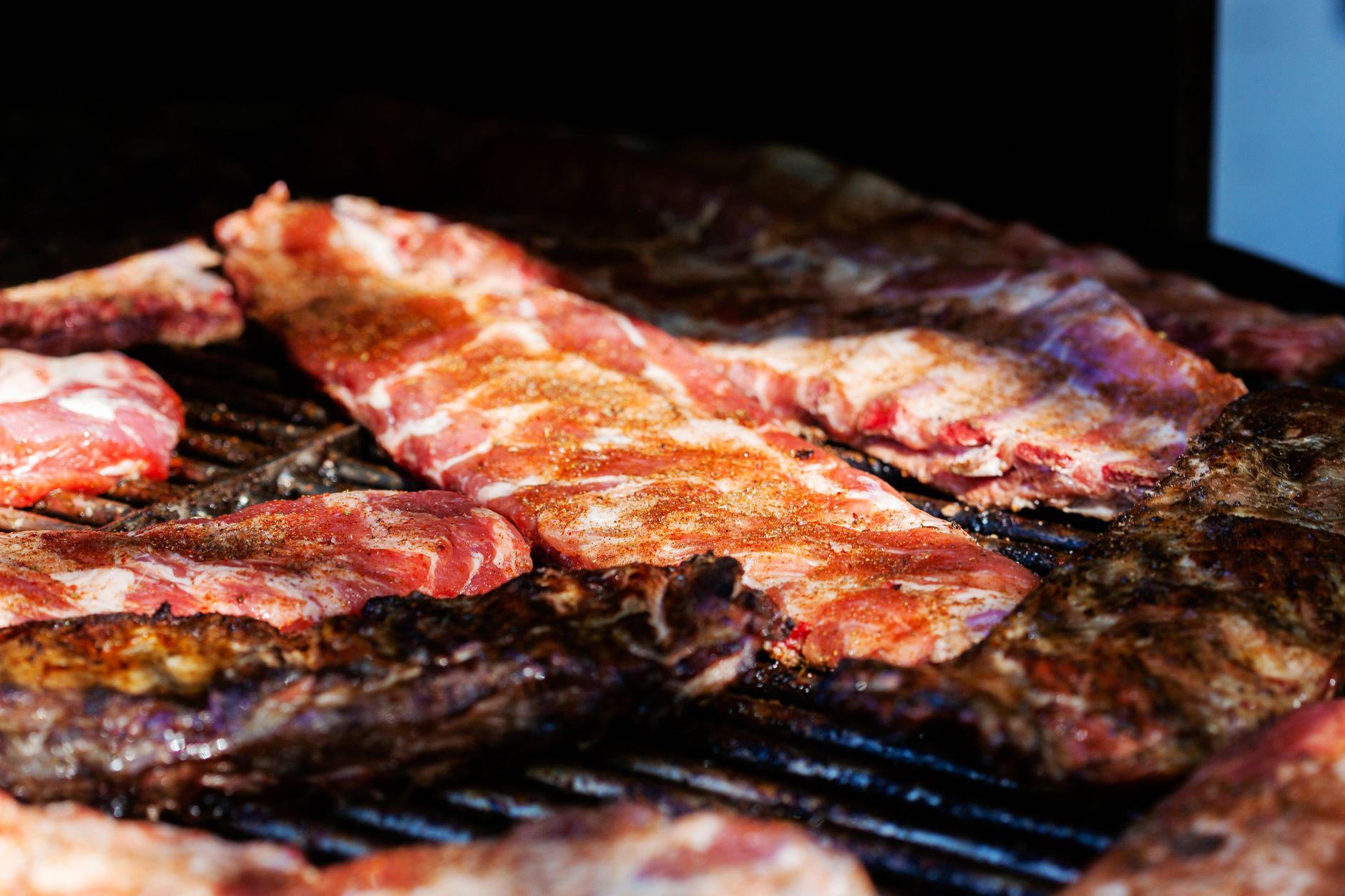
Place the ribs meat-side up directly on the grill grate away from direct flames. Close the lid and maintain 300°F cook temperature. Smoke for 1 hour undisturbed, allowing the dry rub to meld with the meat forming a golden crust.
Step 4: Flip and Cook (30 minutes)
Flip the ribs carefully to the other side and continue cooking over indirect heat for another 30 minutes. This evens out the cooking and enhances the caramelization of the rub.
Step 5: Final Grill Phase for Color and Texture (Approximately 30 minutes)
Flip ribs one last time, cooking until the surface develops a deep golden-brown color with crispy edges. Use a food thermometer to monitor; internal temperatures should reach around 190°F to 203°F for tenderness.
Step 6: Wrap and Finish (45 minutes to 1 hour)
Transfer the ribs to two double layers of heavy-duty aluminum foil large enough to wrap each slab. Wrap tightly without puncturing, then return to the grill for another 45 minutes to 1 hour. This step steams the ribs tender while locking in moisture.
Step 7: Rest and Serve
Remove ribs from the foil and rest for 5–10 minutes. This allows juices to redistribute. Serve with sides like white beans or try this Broccoli cheddar cornbread recipe 1937987 for a true Southern pairing.
Variations & Substitutions
- Swap Baby Back Ribs: Use St. Louis-style ribs for meatier cuts or spare ribs for a richer taste. Adjust cooking time slightly as St. Louis ribs are larger.
- Spice Level: Increase cayenne pepper and chili powder in the rub for extra heat or reduce them for mild flavors suitable for kids.
- Wood Choice: Hickory or mesquite wood can replace apple/cherry for a stronger smoky aroma, but use sparingly to prevent bitterness.
- Sweetener Alternatives: Substitute the Turbinado sugar with brown sugar or coconut sugar for varied flavor profiles.
Storage & Shelf Life
Store leftover ribs in an airtight container or tightly wrapped in foil. In the refrigerator, they last safely for 3 to 4 days. To freeze, wrap ribs individually in foil and place in a freezer bag; they keep well for up to 3 months. Thaw overnight in the fridge before reheating. Signs of spoilage include sour smell, slimy texture, or discoloration, and ribs should not be consumed if any are present.

Pro Tips
- Membrane Removal: Removing the backing membrane enhances seasoning absorption and tenderness.
- Consistent Temperature: Maintaining 300°F avoids drying out the ribs and ensures a tender bite.
- Multiple Flips: Flipping ribs multiple times helps develop an even golden crust and prevents flare-ups.
- Foil Wrapping: Wrapping traps moisture, finishing the ribs tender and juicy without steaming away the crispy rub.
- Wood Smoke: Small pieces of mild-flavored fruitwood minimize overly strong smoke flavor, striking a balance for all palates.
When is the best time to eat Memphis Dry Rubbed Back Ribs Recipe?
Memphis dry-rubbed back ribs shine as a main course for weekend barbecues, summer gatherings, or special occasions where slow-cooked, flavorful meat is desired. Perfect in warm weather when grilling outdoors, but also enjoyable any time you crave smoky, tender ribs with bold spices.
Can I prepare the dry rub in advance?
Absolutely. The rib rub can be mixed and stored in an airtight container for up to 3 months. This saves prep time and allows flavors to mature, making it a convenient staple for future grilling sessions.
How do I know when the ribs are fully cooked?
Use a meat thermometer to check internal temperature, aiming for 190°F to 203°F. The meat should be pulling away from the bone edges and feel tender when gently bent but still hold together without falling apart.
Can I use this recipe in an oven instead of a grill?
Yes. Preheat the oven to 300°F and cook the ribs on a rack over a roasting pan. Follow the same timing and foil wrapping for best results. Add a small pan of water to maintain humidity inside the oven.
Is it necessary to use wood chips for smoke flavor?
While wood chips add authentic smoky aroma, you can omit them if not available. Using smoked paprika in the rub still imparts considerable smoky taste even without smoke from the grill.
What side dishes complement these ribs well?
Classic Southern sides like coleslaw, baked beans, and cornbread pair beautifully. Try a Broccoli cheddar cornbread recipe 1937987 for a rich, comforting addition.
How spicy are these ribs?
The spice level can be adjusted by varying cayenne and chili powder amounts in the rub. Standard recipe offers a mild to medium spice, perfect for most tastes but easily customized for heat lovers.
Can I apply barbecue sauce after cooking?
Yes, although Memphis-style dry ribs are traditionally served without sauce, you can offer your favorite barbecue sauce on the side to add tang or sweetness according to your preference.
More Recipes You Will Love
If you enjoy the bold flavors of Memphis dry-rubbed ribs, you might want to try some refreshing beverages or savory sides alongside. The Back nine spiked arnold palmer 2592002 brings a citrusy, spirited kick that pairs excellently with smoky barbecue.
For a hearty side, the Broccoli cheddar cornbread recipe 1937987 adds creamy, cheesy comfort with a touch of green goodness—perfect for balancing the ribs’ robust taste.
Conclusion
Crafting the perfect Memphis Dry Rubbed Back Ribs Recipe takes patience but rewards you with a mouthwatering, smoky, and richly spiced feast. With just a handful of quality ingredients and some careful steps, your grill can deliver ribs worthy of any barbecue joint. I encourage you to try this recipe, adjust the spice levels to your liking, and share your rib-cooking adventures with friends and family. Your feedback and ratings help keep this recipe sizzling!
FAQs
When is the best time to eat Memphis Dry Rubbed Back Ribs Recipe?
The best time to eat Memphis Dry Rubbed Back Ribs is during a barbecue or outdoor gathering when you want a rich, smoky, and flavorful meal. They’re perfect for weekend cookouts, holidays, or any special occasion where slow-cooked ribs can be enjoyed fresh and hot.
How do I store leftover Memphis Dry Rubbed Back Ribs?
Store leftover ribs in an airtight container in the refrigerator for up to 3–4 days. For longer storage, wrap them tightly in foil and freeze for up to 2 months. Reheat gently to keep the meat moist and tender.
Can I make Memphis Dry Rubbed Back Ribs without a smoker?
Yes, you can cook these ribs on a charcoal or gas grill using indirect heat to mimic smoking. Adding wood chips to the grill can enhance the smoky flavor if a dedicated smoker is not available.
What side dishes pair well with Memphis Dry Rubbed Back Ribs?
Classic sides include coleslaw, baked beans, cornbread, potato salad, or grilled vegetables. These complement the smoky, spicy ribs while balancing richness with fresh and tangy flavors.
How spicy is the Memphis Dry Rub used in this recipe?
The dry rub offers a balanced heat level; it’s mildly spicy from cayenne and chili powder without overwhelming the palate. You can adjust the cayenne pepper amount to increase or decrease the spice intensity based on personal preference.