Lets be real for a secondfinding smoothie recipes that dont send your blood sugar soaring can feel like navigating a minefield. You want something quick, tasty, and good for you, but most store-bought or healthy smoothies come loaded with sugars that sneak up on you. Been there, done that, felt the frustration, right?
Well, Im here to tell you yeah, its totally possible to whip up low sugar smoothies for diabetics that actually hit the spot. And no, they dont have to taste like cardboard or leaves. These blends can be creamy, satisfying, and packed with nutrients that help keep your blood sugar and cholesterol in check.
Grab your blender and a comfy seat, because we‘re diving into some easy diabetic smoothie recipes that work wonders for type 2 diabetesperfect for breakfast or anytime you want a nourishing pick-me-up. Plus, well chat about how to choose ingredients wisely and share some insider tips to help you avoid the usual pitfalls.
Why Low Sugar Smoothies Work
Before we jump into the yum, lets talk about why low sugar smoothies for diabetics are a bit different from, say, your average berry-vanilla blend thats high on natural sugars.
The goal here is balancehelping your body absorb carbs slowly, avoid blood sugar spikes, and add some helpful fiber, protein, and healthy fats to the mix. That way, your smoothie becomes not just a quick sip but a sustaining mini-meal.
What Ingredients Actually Help Keep Blood Sugar Stable?
Think about fiber as your smoothies unsung hero. It slows down digestion, helping the sugar from fruit enter your bloodstream gently, instead of with a rush. So, leafy greens like spinach or kale, chia seeds, and flaxseeds? Yes, please. These guys add fiber without adding sugary carbs.
Protein is another key player. Without it, your smoothie might leave you hungry soon after or cause a blood sugar roller coaster. Greek yogurt, unsweetened almond milk, or some nut butters can add just the right boost.
And lets not forget healthy fats. Avocado or a handful of walnuts can turn your smoothie into a creamy delight, while also helping control cholesterol levelsa double win if diabetes is in the picture.
Why Avoid Added Sugars and High-Glycemic Fruits?
Its tempting to toss in sweetened yogurt or pineapple to sweeten the deal, but added sugars or high-glycemic fruits like mango and ripe bananas hit your bloodstream fast and hard. This can undo the entire point of a diabetes-friendly smoothie.
Instead, opt for berriestheyre lower in sugar, high in antioxidants, and pair beautifully with greens and nuts. Blueberries, strawberries, or raspberries are absolutely your smoothie MVPs.
Ingredients Breakdown: Smart Choices Table
| Category | Good Choices | Better to Skip |
|---|---|---|
| Fruits | Blueberries, strawberries, raspberries, green apple (small amount) | Mango, ripe bananas, pineapple (in large amounts) |
| Liquid Base | Unsweetened almond milk, coconut water (no added sugar), water | Fruit juice, sweetened milk, flavored drinks |
| Protein Sources | Plain Greek yogurt, unsweetened protein powder, nut butters | Sweetened yogurts, sugary protein powders |
| Fiber & Fats | Chia seeds, flaxseeds, avocado, walnuts | None reallythese are all winners! |
How to Choose the Right Liquid Base
Dont underestimate your liquid. A simple swap here can make or break your smoothie. Unsweetened almond milk is a favorite around herelight, creamy, and no sneaky sugars. Coconut water sounds exotic but double-check for no added sugar on the label. Plain water works fine and keeps it super light!
Steer clear from fruit juices, even 100% juice, if youre watching your blood sugar. Theyre concentrated sugar bombs that spike your levels fast.
Step-by-Step Smoothie Prep: Getting It Right
Okay, you have your ingredientswhats next? Lets walk through how to blend a smoothie thats sip-worthy and blood sugar-friendly.
Prepping Ingredients for the Best Texture
Frozen berries and spinach? Perfect combo. Frozen helps chill and thicken your smoothie without ice watering it down. Fresh greens can also work but tend to blend less smoothly. Pro tip: add softer ingredients like yogurt or avocado first, then layer the frozen items on top. This trick helps the blender work smarter, not harder.
Blending Tips
Start slow, then crank it up. If your blender has speedsbegin low to chop and pull everything together, then blast it to silky smooth perfection. Dont overblend though; sometimes, too much blending can warm your smoothie, which might affect taste and texture.
Common Mistakes and How to Avoid Them
Ever made a smoothie and it ended up tasting like tree bark? Too much kale or spinach can get bitter fast. Balance those greens with fruit and a pinch of cinnamon or vanilla extract to tame any sharp edges.
Another rookie move: adding sweeteners to fix a bitter smoothie. As tempting as it is, tossing in honey or agave spikes your sugar fastjust avoid it. There are natural ways to coax sweetness without the sugar rush.
If your smoothie turns out too thick, add a splash of water or almond milk to lighten it up. Too thin? Toss in a spoonful of chia seeds or a few ice cubes to thicken.

Variations That Work for You
Not everyones taste buds or dietary restrictions are the same. Lets talk about easy ways to tweak these smoothies without losing the benefits.
Going Vegan or Dairy-Free
If you‘re avoiding dairy, no worries. Swap the Greek yogurt for unsweetened coconut yogurt or just use a plant-based protein powder (look for one without added sugars). Coconut milk or oat milk can also replace almond milk for a richer feel.
Low-Carb and Keto Options
Cutting carbs but still love smoothies? Focus heavily on leafy greens, avocado, and nuts. Avoid fruits altogether or use just a few berries for flavor. You might find these homemade shakes for diabetics come in handy, tootheyre often low sugar and filling.
Smoothies for Weight Loss or Cholesterol Control
If shedding some pounds or managing cholesterol is part of your plan, prioritize fiber and healthy fats. Add flaxseeds or chia, and avoid liquid sweeteners no matter how innocent they seem. These fats also keep you full longer, so youre less likely to grab that mid-morning snack you dont really want.
Best Times and Portions
Wondering when and how much smoothie to drink? Keep portions moderatearound 8 to 12 ounces is a good sweet spot. Any more, and you risk consuming too many carbs at once, which could spike your blood sugar.
Breakfast smoothies, especially for type 2 diabetics, can be a game changer. They save you time, fuel your day, and help avoid that mid-morning energy crash.
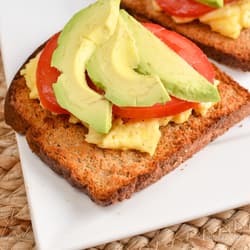
Pair your smoothie with a small protein source or some whole grain toast for a balanced meal combo. This helps slow digestion and keeps blood sugar stable.

Keep It Fresh: Storage and Reheating Tips
Made too much? No worries, smoothies store welljust not forever. You can keep yours in the fridge for up to 24 hours. Beyond that, you risk nutrient loss and fermentation that could change the flavor.
Freezing smoothies is a lifesaver. Freeze in small portions and thaw overnight in the fridge or blend again with a little water before drinking. No need to reheatthese are best enjoyed cold!
Real Talk: Why Some Smoothies Fail
Sometimes a smoothie even one packed with healthy ingredients just doesnt hit the mark. Maybe its gritty, too bitter, or even cloyingly sweet. What gives? It usually comes down to ingredient balance and preparation methods.
For example, too much spinach or kale without a sweet or fatty counterbalance can throw your taste buds into overdrive. Adding a quarter of an avocado or a teaspoon of cinnamon can smooth out rough edges without tossing sugar in the mix.
And if bitterness is messing with you, a splash of vanilla extract or a small piece of peeled cucumber can freshen it up. Try little tweaks before throwing out the whole batch.
Wrapping It All Up
So, heres the thing about low sugar smoothies for diabetics: theyre not only doable but can be a delicious and reliable part of your daily routine. By choosing ingredients thoughtfully berries over tropical fruits, fiber-rich seeds, a splash of unsweetened milk, and some healthy fats you create smoothies that nourish without the nasty blood sugar spikes.
Remember, the best smoothies are the ones you enjoy drinking and that fit your lifestyle. Dont be afraid to experiment and make these recipes your own.
If you want more inspiration beyond smoothies, you might also like some Tuna recipes for diabetics or try out some Simple diabetic chicken casserole recipes to keep meal times exciting and blood sugar steady.
How about giving one of these easy diabetic smoothie recipes a whirl tomorrow morning? And hey, if you discover a new favorite combo or a neat trick, drop it in the comments or share with a friend who needs it. Your journey with diabetes-friendly eating doesnt have to be a draglets make it tasty and totally doable, together.
FAQs
What fruits are best for low sugar smoothies for diabetics?
Fruits like blueberries, strawberries, raspberries, and small amounts of green apple are great choices because they are low in sugar and high in fiber.
Can I use sweetened yogurt or protein powders in diabetic smoothies?
It's best to avoid sweetened yogurts and sugary protein powders, as they can spike blood sugar levels. Opt for plain Greek yogurt or unsweetened protein powders instead.
Why should high-glycemic fruits be avoided in diabetic smoothies?
High-glycemic fruits like mango and ripe bananas cause rapid blood sugar spikes, which makes managing diabetes more difficult, so it's better to limit or skip them.
How much smoothie should a diabetic drink at once?
Portion control is important; ideally, stick to 8 to 12 ounces per serving to avoid consuming too many carbohydrates at once.
Can low sugar smoothies help with cholesterol control in diabetics?
Yes, including healthy fats like avocado and walnuts in your smoothies can support cholesterol management while keeping blood sugar balanced.