Why Lemon Love Cake Is So Special
The top and bottom layers trade places in the oven, creating a dessert with a little baking surprise. Lemon Love Cake combines fluffy lemon cake, creamy ricotta, and a soft mascarpone topping in one pan.
Lemon Love Cake is a layered dessert made by spreading a ricotta mixture over lemon cake batter before baking. As the cake rises, the layers shift, leaving a tender cake base, a creamy cheese center, and a chilled mascarpone-pudding topping. It is easy enough for a weekend bake and elegant enough for a family celebration.
The finished cake tastes bright rather than sharply sour. Lemon zest perfumes every bite, while ricotta keeps the middle moist and lightly cheesecake-like. I like serving it cold, when the frosting firms and the layers cut into clean squares.

Health Benefits & Nutrition
This is a rich dessert, so the best approach is to enjoy a moderate portion alongside coffee, tea, or fresh fruit. The recipe contains dairy, eggs, refined flour, sugar, and prepared cake mix.
- Lemon adds bright flavor: Lemon zest and juice bring acidity and aroma, allowing the dessert to taste lively without relying only on extra sweetness.
- Dairy contributes protein: Ricotta, mascarpone, milk, and eggs provide protein, although this cake is not intended as a high-protein food.
- Calcium comes from dairy ingredients: Ricotta, mascarpone, and milk contribute calcium as part of a varied diet.
- Portioning is simple: Cutting the cake into 15 pieces gives you smaller dessert portions, especially useful after a full meal.
Nutrition varies by cake mix, ricotta, mascarpone, and serving size. Each piece contains approximately 427 calories, 13 grams of protein, 47 grams of carbohydrates, and 22 grams of fat. Anyone with a dairy, egg, or wheat allergy should avoid the standard recipe or ask a qualified healthcare professional about suitable substitutions. For personal dietary needs, consult a doctor or registered dietitian.
Ingredients & Preparation
Recipe Card
| Prep time | 40 minutes |
|---|---|
| Cook time | 55 minutes |
| Total time | 1 hour 35 minutes |
| Servings | 15 slices |
| Calories | Approximately 427 per slice |
| Diet tags | Vegetarian; contains dairy, eggs, and wheat |
Full Ingredient List
- 1 tablespoon unsalted butter, for greasing the pan
- 1 tablespoon all-purpose flour, for dusting the pan
- 1 package lemon cake mix, approximately 16.5 ounces
- 1 lemon, zested and juiced; use 2 tablespoons juice in the batter
- 1 container part-skim ricotta, 32 ounces
- 2 containers mascarpone, 8 ounces each, divided
- 4 large eggs
- 3/4 cup granulated sugar
- 1 teaspoon vanilla extract
- 1 cup whole milk
- 1 package lemon instant pudding mix, 3.4 ounces
Equipment Needed
- 13-by-9-inch baking pan
- Measuring cups and spoons
- Fine grater or microplane
- Large mixing bowl
- Electric hand mixer or stand mixer
- Rubber spatula
- Wire cooling rack
- Wooden skewer or cake tester
- Sharp knife for portioning
Tips for Choosing Quality Ingredients
Choose a lemon with firm, glossy skin that feels heavy for its size. A heavier lemon usually gives you more juice. Since the zest goes directly into the filling, scrub and dry the fruit before grating only the yellow outer layer. The white pith underneath can make the filling bitter.
Use whole-milk ricotta if you prefer a richer center, or part-skim ricotta for the lighter texture used here. If your ricotta looks watery, drain it in a fine-mesh sieve for 20 to 30 minutes. Soft mascarpone blends more smoothly, so let it sit at room temperature for about 15 minutes before mixing.
For the cake mix, use a standard lemon cake mix close to 16.5 ounces. Different brands can vary slightly in size and sweetness, but the recipe works best when the package is close to the stated weight.
Step-by-Step Instructions
1. Prepare the Pan and Oven
Heat the oven to 350°F. Grease a 13-by-9-inch baking pan with the butter, then dust it lightly with flour. Tap out the excess. The flour should leave a thin, even coating rather than visible piles in the corners.
2. Mix and Add the Lemon Cake Layer
Prepare the lemon cake mix according to the package directions in a large bowl. Stir in 2 tablespoons of fresh lemon juice. Mix for about 30 seconds, just until the juice disappears. Pour the batter into the prepared pan and spread it into an even layer.
3. Make and Spread the Ricotta Filling
Beat the ricotta, lemon zest, and 4 ounces of mascarpone on medium-low speed for 2 minutes. Add the sugar and vanilla, then mix for 30 seconds. Add the eggs one at a time, beating for about 10 seconds after each addition. Spread the filling gently over the batter with a rubber spatula.
The first time I made this, I dropped the filling in large spoonfuls and dragged the spatula through the cake batter. Smaller spoonfuls spread more cleanly and help keep the two layers distinct.
4. Bake and Cool the Cake
Bake at 350°F for 50 to 60 minutes; 55 minutes is a useful starting point. The ricotta layer should rise toward the top, and a wooden skewer inserted in the center should come out clean or with a few moist crumbs. The surface should look set, not wet, and the kitchen should smell warmly of lemon and vanilla. Cool the cake in the pan for 30 minutes.
5. Make the Mascarpone Frosting and Finish
Beat the remaining 12 ounces of mascarpone on medium speed for 1 minute. Gradually add the milk in a slow stream, mixing until smooth. Add the lemon pudding mix and beat for 1 minute. Let the mixture stand for 5 minutes, until thickened. Spread it over the completely cooled cake, then refrigerate before slicing.
I found that pouring the milk slowly prevents small mascarpone lumps. The frosting may look loose immediately after mixing, but it thickens noticeably during the five-minute rest.
Variations & Substitutions
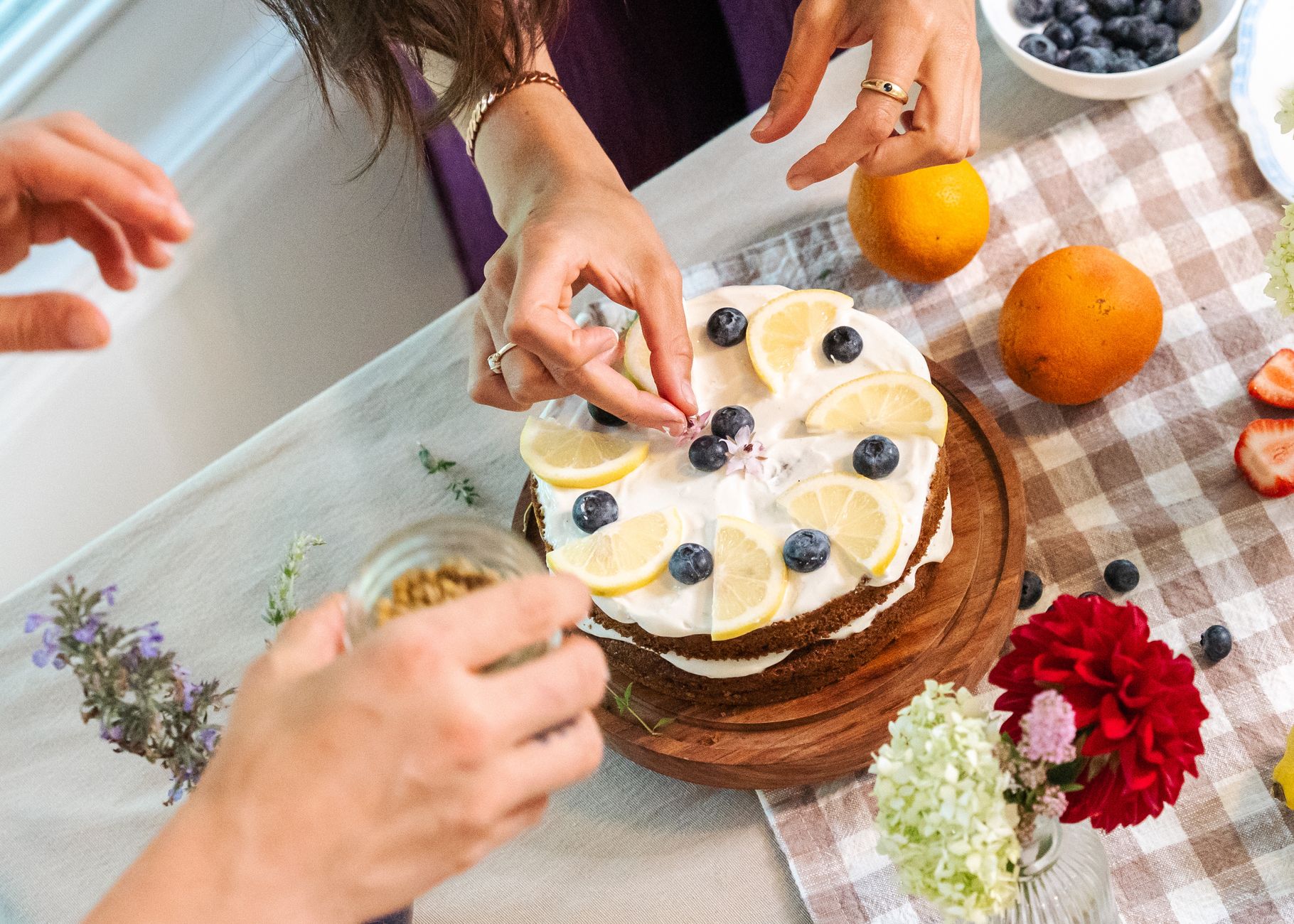
- More pronounced lemon flavor: Add 1/2 teaspoon lemon extract to the ricotta mixture, while keeping the lemon juice amount unchanged. Lemon extract is concentrated, so adding more can taste artificial.
- Orange version: Replace the lemon zest and juice with orange zest and juice in equal quantities. Use orange cake mix and orange instant pudding mix when available.
- Richer filling: Replace part-skim ricotta with whole-milk ricotta in a 1:1 ratio. Drain it first if it contains excess liquid.
- Less sweet topping: Use a sugar-free lemon instant pudding mix, but check the packet size and use the package closest to 3.4 ounces. The texture may be slightly different.
- Gluten-free adaptation: Use a certified gluten-free lemon cake mix and confirm that the pudding mix is gluten-free. Keep all other quantities the same.
- No mascarpone option: Substitute full-fat cream cheese for mascarpone at a 1:1 weight ratio. Let it soften first, and expect a tangier, firmer frosting.
I tested a whipped cream topping in place of the pudding frosting, but it did not hold its shape as well and softened quickly on the cake. The mascarpone mixture is the better choice when you want neat slices.
Storage & Shelf Life
Cover the finished cake tightly and refrigerate it for up to 4 days. Keep it chilled because the topping contains mascarpone, milk, and instant pudding, while the filling contains ricotta and eggs. Store the cake in the baking pan or transfer slices to an airtight container.
To freeze it, place uncovered slices on a parchment-lined tray for 1 to 2 hours, until firm. Wrap each slice in plastic wrap, then place the wrapped pieces in a freezer-safe container or bag for up to 1 month. Thaw overnight in the refrigerator. The frosting may lose a little of its original smoothness after freezing.
Discard the cake if it develops a sour or fermented smell, mold, unusual discoloration, watery separation that does not blend back, or a slimy surface. Do not taste food to check whether it has spoiled.
Pro Tips for Better Texture and Flavor
- Measure the lemon zest carefully: Grate only the colored peel. Stop when you reach the white pith, which can add a harsh note.
- Use room-temperature dairy: Slightly softened mascarpone and ricotta blend more evenly, reducing lumps in both the filling and frosting.
- Do not overmix the eggs: Add them one at a time and stop once each egg disappears. Excess mixing can make the filling puff more dramatically and then sink.
- Spread with patience: Place the ricotta mixture in small spoonfuls across the batter. This reduces pressure on the cake layer and keeps the filling from sinking in spots.
- Check the center: The middle should be set and spring back lightly when touched. A skewer with wet batter means the cake needs more time.
- Cool before frosting: Warm cake can soften the mascarpone topping and make it slide. Wait until the pan feels neutral rather than warm to the touch.
- Chill before cutting: A sharp knife warmed under hot water and dried thoroughly gives cleaner slices. Wipe the blade between cuts to prevent white frosting from streaking the layers.
- Protect the pan: If your baking pan tends to stain from citrus, line the base with parchment after greasing and flouring it. Leave enough parchment overhang to lift the cooled cake if desired.
Questions & Answers
When is the best time to eat Lemon Love Cake?
The best time to eat it is after it has chilled for at least 2 hours. Chilling firms the mascarpone topping and helps the ricotta layer hold its shape. You can serve it after the initial cooling period, but the slices will be softer and the frosting less settled.
Why do the cake and ricotta layers switch places?
The layers shift because the denser ricotta mixture settles while the cake batter rises during baking. This creates the signature layered appearance without requiring separate cake layers. Spreading the ricotta gently helps the layers remain attractive, but some natural movement is expected.
Can I make this dessert one day ahead?
Yes, making it one day ahead works very well. Bake, cool, frost, and cover the cake before refrigerating it overnight. The flavors become more blended, and the topping becomes easier to slice. For the freshest appearance, add any decorative lemon zest just before serving.
Can I use bottled lemon juice?
Fresh lemon juice is the better choice for this recipe. It has a cleaner aroma and works with the fresh zest. Bottled juice can be used in a pinch, but it may taste sharper and flatter. Do not replace the zest with bottled juice because zest supplies the strongest lemon fragrance.
Why is my mascarpone frosting lumpy?
Lumpy frosting usually comes from cold mascarpone or adding the milk too quickly. Let the mascarpone stand at room temperature for about 15 minutes, then beat it briefly before slowly streaming in the milk. If small lumps remain, scrape the bowl and mix on low speed rather than beating aggressively.
Can I bake this in a different pan?
A 13-by-9-inch pan gives the intended depth and baking time. A smaller pan makes the layers thicker and may require longer baking, while a larger pan creates a thinner cake that can dry out. If you change the pan, watch the center closely and use the skewer test.
How should I serve the leftovers?
Serve leftovers cold or let them stand at room temperature for 10 to 15 minutes. Cold slices have the cleanest structure, while a short rest softens the frosting and makes the cake taste creamier. Keep unused portions refrigerated and return them to the refrigerator promptly after serving.
More Recipes You Will Love
If you enjoy creamy homemade desserts, try Homemade ice cream (no eggs with machine). It is a useful companion for summer gatherings and uses a straightforward churning method without eggs.
For a deeper chocolate contrast, bake this Chocolate mayonnaise cake 3696491. Its tender crumb offers a completely different flavor profile while staying simple enough for casual baking.
You can also serve thin slices of the lemon cake with berries, lightly sweetened whipped cream, or a small scoop of vanilla ice cream. Keep the accompaniments simple so the citrus and creamy layers remain the focus.
Conclusion
Lemon Love Cake brings together a soft lemon crumb, creamy ricotta filling, and smooth mascarpone topping in one easy bake. The layer movement in the oven makes it look special, while the ingredients remain familiar and manageable. Give the finished cake enough time to cool and chill before slicing. If you try this recipe, leave a rating or comment and share how your layers turned out.
FAQs
When is the best time to eat Lemon Love Cake?
The best time to eat Lemon Love Cake is after a meal, served cold, when the mascarpone topping has firmed and the layers cut into clean squares. It pairs well with coffee, tea, or fresh fruit. Because the cake is rich, a moderate portion of one of the 15 pieces works well as dessert.
How should you store Lemon Love Cake?
Store Lemon Love Cake covered in the refrigerator, since it contains ricotta, mascarpone, milk, and eggs. Keep it chilled between servings and avoid leaving it at room temperature for long periods. Cover the pan tightly or move slices to an airtight container so the topping does not dry out or absorb fridge odors.
Can I use a different cake mix for Lemon Love Cake?
A standard lemon cake mix of about 16.5 ounces is recommended for Lemon Love Cake. Mixes of a different size or flavor may change the batter volume, rise, and bake time, so the layers may not shift as intended. Check doneness with a wooden skewer before removing the pan from the oven.
Why did my Lemon Love Cake sink in the middle?
A sunken center usually means the Lemon Love Cake was underbaked or the oven door was opened early in the bake. Bake until a wooden skewer or cake tester inserted near the middle comes out clean, and let the cake cool on a wire rack before cutting. Adjusting your oven temperature may help if the problem repeats.
Can I make Lemon Love Cake ahead of time?
Yes, Lemon Love Cake can be made ahead and chilled before serving. Chilling gives the mascarpone topping time to firm, which helps the squares hold their shape. Keep the cake covered in the refrigerator until you are ready to cut and serve.