If you manage diabetes or are exploring specialized nutrition options, you may have heard about Glucerna. This popular medical food is designed to support blood sugar control, but like any supplement, it comes with important glucerna warnings you need to consider. Understanding these precautions can make your experience safer and more effective.
Understanding Glucerna
What is Glucerna and Who is it For?
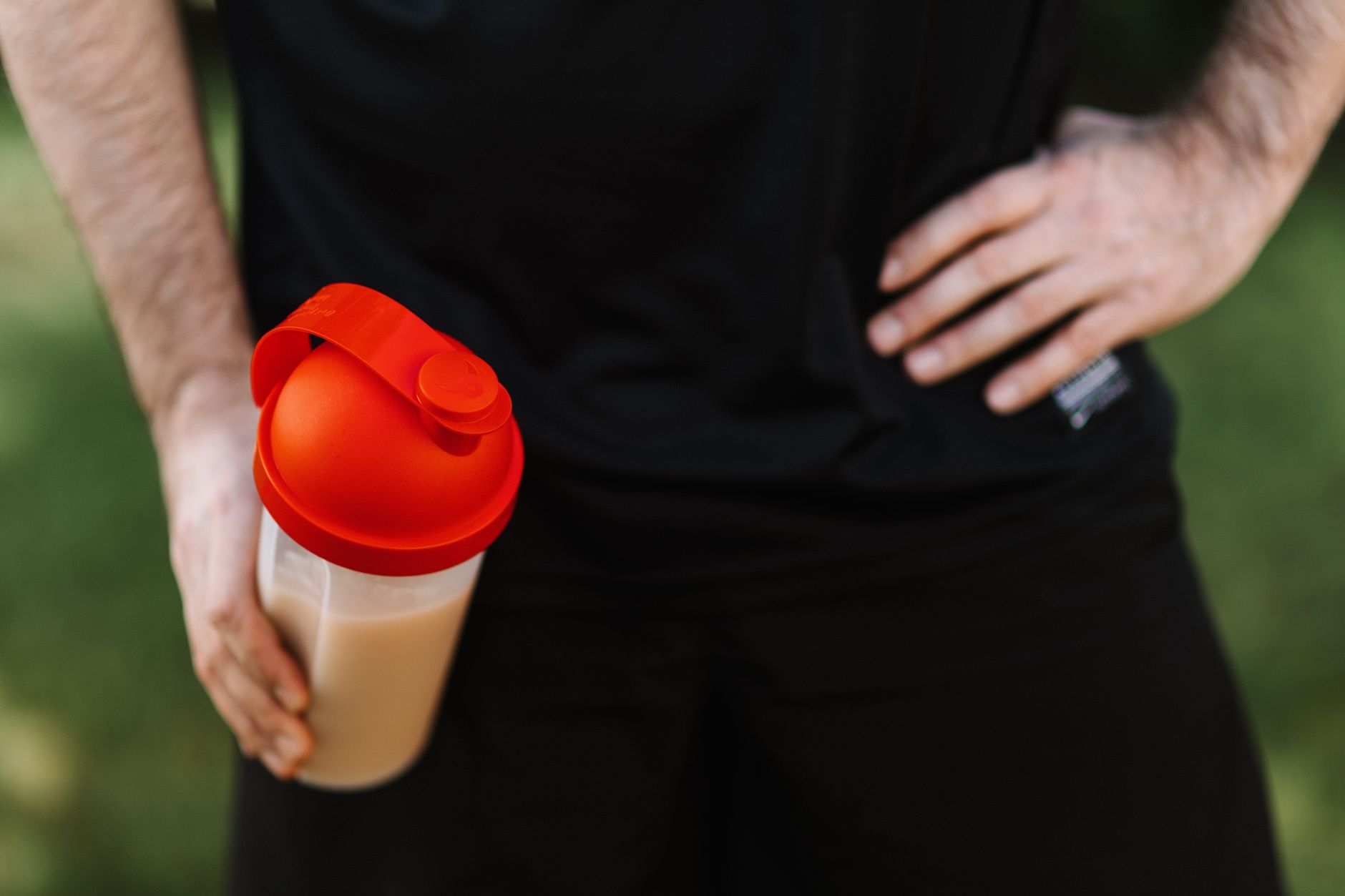
Glucerna is a line of meal replacement shakes and bars tailored specifically for people with diabetes. It contains a unique blend of slow-digesting carbohydrates, fiber, protein, and essential vitamins and minerals. These ingredients help provide steady blood sugar levels without the rapid spikes caused by some other nutritional drinks.
Typically, Glucerna is recommended for adults with type 1 or type 2 diabetes who require convenient, controlled meal options. It can also benefit those at risk of nutritional deficiencies or those who have difficulty managing their carbohydrate intake due to medical conditions.
Key Benefits of Glucerna for Diabetes Management
What makes Glucerna stand out is its low glycemic index, which helps moderate blood sugar rises after eating. It also offers a balanced mix of protein and fats, which contribute to longer feelings of fullness. For many, Glucerna supports weight management efforts by reducing unhealthy snacking.
In addition, its vitamin and mineral fortification can prevent deficiencies common among people with diabetessuch as magnesium and vitamin D. Compared to typical meal replacements, Glucerna aims to provide a more targeted nutritional profile for diabetic needs.
Is Glucerna Good for Kidney Patients?
Kidney disease often accompanies diabetes, so many wonder if Glucerna suits kidney patients. The answer depends on the stage of kidney impairment and individual nutritional needs. Glucerna contains moderate protein and phosphorus levels, which might be appropriate for some but not all kidney patients. For those in advanced chronic kidney disease (CKD), specially formulated renal nutrition products might be safer.
Always check with a healthcare provider before incorporating Glucerna if you have kidney disease. Monitoring electrolyte balance, especially potassium and phosphorus, remains critical. Your dietitian may recommend Glucerna as part of a carefully controlled plan or suggest alternatives tailored for renal health.
Important Glucerna Warnings
What Are the Main Warnings When Using Glucerna?
Glucerna is widely considered safe when used as directed. However, there are specific warnings to keep in mind. First, it is not a substitute for medications prescribed to control blood sugar. Never replace your diabetic treatment without consulting your doctor.
People with known allergies to milk, soy, or corn should examine ingredient lists carefully, as these allergens are present in some Glucerna products. Another essential warning is about overreliance: excessive use of meal replacements can lead to nutrient imbalances and missing out on whole food benefits.
Can Glucerna Cause Side Effects Like Diarrhea or Stomach Issues?
Some users report mild digestive issues such as diarrhea, bloating, or gas after starting Glucerna. These symptoms usually stem from the fiber content or sweetness agents like sucralose. When introduced suddenly, fiber-rich products can cause digestive upset.
To reduce discomfort, start with smaller servings and increase gradually over one to two weeks. Staying hydrated also helps. If diarrhea persists beyond a few days, consider stopping Glucerna and discussing alternative nutrition options with your healthcare provider.
Does Glucerna Make You Gain Weight?
The question of weight gain can be tricky. Glucerna contains calories designed to substitute for meals or snacks, so if you consume them in addition to your regular diet, calorie intake could increase and lead to weight gain. However, when used correctly as meal replacements, Glucerna helps control hunger and may support weight management.
Studies indicate that Glucerna protein shakes can aid in maintaining stable glucose levels without contributing to excess fat accumulation when portion sizes are followed. Still, its essential to monitor your overall daily calories and adjust accordingly.
Are There Any Concerns with Vitamin or Mineral Overconsumption?
Glucerna is fortified with a range of vitamins and minerals, including antioxidants like vitamin E. While these nutrients support health, excessive intake could cause issues. For example, too much vitamin E may increase bleeding risk due to its blood-thinning effects, especially if you take anticoagulant medications.
Be mindful of combining Glucerna with other supplements to avoid exceeding recommended daily values. Discuss your entire supplement routine with your doctor or dietitian to prevent nutrient imbalances.
Incorporating Glucerna Safely
How Many Glucerna Can You Drink a Day?
Typically, healthcare providers suggest starting with one to two Glucerna shakes daily, replacing a meal or snack. The exact number depends on your calorie needs, blood sugar control goals, and medical status. Exceeding the recommended serving risks unwanted calorie load and nutrient excess.
Follow the package instructions closely. For example, a common guideline is to consume 220250 calories per serving and limit intake to no more than two servings per day. Spread the shakes evenly throughout the day to maintain balanced blood glucose.
Can Glucerna Replace Meals or Treat Hypoglycemia?
Glucerna is formulated as a meal or snack replacement, not as immediate treatment for hypoglycemia (low blood sugar). Rapid sugar sources like glucose tablets or fruit juice better serve hypoglycemia emergencies because Glucerna‘s slow-digesting carbs act more gradually.
If you experience low blood sugar, use fast-acting carbs first and then consider a Glucerna shake if a meal is delayed. Replacing meals regularly with Glucerna should only happen under guidance to ensure comprehensive nutrient intake.
What to Watch Out For If You Have Specific Conditions?
People taking diabetes medications, especially insulin or sulfonylureas, should monitor blood sugar closely while using Glucerna. Its unique carb blend may alter insulin requirements. Frequent blood glucose testing is essential.
Allergy concerns must be checked: several Glucerna formulas contain milk and soy proteins. Individuals with allergies or intolerances should choose suitable products carefully.
For kidney or heart conditions, consult your healthcare provider before starting Glucerna to confirm it fits your overall treatment plan without conflicting with dietary restrictions.

Managing Issues With Glucerna
What to Do if Glucerna Causes Digestive Upset?
If you notice diarrhea, bloating, or cramping, reduce the serving size and increase water intake. Taking Glucerna alongside meals may also lessen gastrointestinal discomfort. Avoid consuming it too quicklysip slowly over 1015 minutes.
Sometimes switching to a different Glucerna variant with fewer artificial sweeteners or fiber can help. Consult your dietitian to find an ideal product for your digestion.
How to Introduce Glucerna Gradually
Start by replacing half a meal with Glucerna every other day. Gradually increase frequency to once or twice daily over one to two weeks. This slow introduction allows your gut microbiome to adjust to new ingredients, reducing side effects.
When Should You Stop Using Glucerna and Consult Your Doctor?
If you experience persistent gastrointestinal distress, allergic reactions like rash or swelling, or unexpected changes in blood sugar patterns, stop Glucerna immediately. Always seek medical advice if unsure, especially if you notice swelling, breathing difficulty, or severe stomach pain.
Recipe Card
| Prep time | Total time | Servings | Calories | Diet tags |
|---|---|---|---|---|
| 5 minutes | 5 minutes | 1 | 220 | Gluten-free, Low GI, Diabetic-friendly |
Pro Tips for Using Glucerna
- Stir or shake well before consuming to avoid powder clumps that affect texture.
- Pair Glucerna with fresh vegetables or low-glycemic fruits for balanced micronutrients and fiber.
- Store unopened containers in a cool, dry place. Once opened, refrigerate leftovers and consume within 48 hours.
- If sweetness feels artificial, mix Glucerna with unsweetened almond milk or water and add cinnamon or vanilla for a natural flavor boost.
- Keep your daily medication timing consistent while introducing Glucerna to better track its effect on blood sugars.
When is the best time to drink glucerna warnings?
The best time to drink Glucerna is when replacing a meal or snack, ideally spaced evenly throughout the day. Morning and mid-afternoon are popular choices to stabilize blood sugar between meals. Avoid consuming Glucerna right before intense exercise or bedtime to prevent unwanted blood sugar fluctuations.
Can non-diabetics safely consume Glucerna?
Non-diabetics can consume Glucerna safely, but it is specially designed for blood sugar control. If you do not require this, it may not provide balanced nutrition for a general diet. Occasional use is unlikely to harm but isnt necessary unless advised by a healthcare provider.
Does Glucerna interact with diabetes medications?
Glucernas slow-digesting carbohydrates can affect blood sugar levels, possibly requiring medication adjustments. Always consult your doctor to monitor your response when combining Glucerna with insulin or oral hypoglycemics.
What alternatives exist if Glucerna is not suitable?
If Glucerna does not suit your needs or causes side effects, consult your dietitian. Alternatives include other diabetic meal replacement shakes or whole food-based diabetic meal plans designed to control glycemic load without synthetic additives.
Are there gluten or lactose concerns with Glucerna products?
Most Glucerna shakes are gluten-free but may contain milk proteins, potentially causing issues for lactose intolerance. However, some formulas are lactose-freecheck packaging carefully to avoid adverse reactions.
How should I store Glucerna products?
Store unopened Glucerna cans or boxes in a cool, dry place away from sunlight. Once opened, refrigerate any unused liquid or powder mixed into a shake and consume within 48 hours to maintain nutrient quality and prevent spoilage.
Can Glucerna be used for weight loss?
Glucerna can support weight loss by controlling hunger and blood glucose when used as part of a calorie-controlled diet. Avoid adding extra snacks or extras beyond recommended servings to prevent unwanted calorie intake.

More Recipes to Try
For something sweet without the blood sugar spikes, check out these Fudgy marbled cheesecake brownies 3696490. Theyre a delicious treat when you want to indulge smartly.
If you enjoy baking, this Best almond cookies recipe without almond flour is a great way to get a crispy, tasty snack with minimal carbs.
You can also explore glucerna protein shakes recipes to customize flavors and boost nutrition.
Conclusion
Understanding glucerna warnings helps you use this specialized nutrition safely. Its a helpful tool for many managing diabetes but works best when integrated mindfully into your overall diet and medical plan. If you try Glucerna, pay attention to your bodys responses and consult professionals when needed. Feel free to share your experience or rate this guide, and explore more recipes to enjoy balanced, flavorful meals for your health journey.
FAQs
When is the best time to drink glucerna warnings?
The best time to drink Glucerna is when replacing a meal or snack, ideally spaced evenly throughout the day like morning and mid-afternoon to help stabilize blood sugar levels.
Can Glucerna cause digestive side effects?
Some users may experience mild digestive issues such as diarrhea, bloating, or gas due to its fiber or sweeteners. Starting with smaller servings and gradually increasing can help reduce discomfort.
Does Glucerna interact with diabetes medications?
Yes, Glucerna's slow-digesting carbs can affect blood sugar and may require medication adjustments. Monitoring blood glucose and consulting your doctor is important when combining Glucerna with diabetes drugs.
Is Glucerna safe for people with kidney disease?
Glucerna may suit some kidney patients, but those with advanced kidney disease should be cautious. Always consult a healthcare provider to ensure Glucerna fits your dietary needs and monitor electrolyte balance carefully.
Can Glucerna cause weight gain?
Glucerna contains calories intended to replace meals or snacks. If consumed as extra calories beyond your diet, it can cause weight gain. Correct portion use helps control hunger and supports weight management.