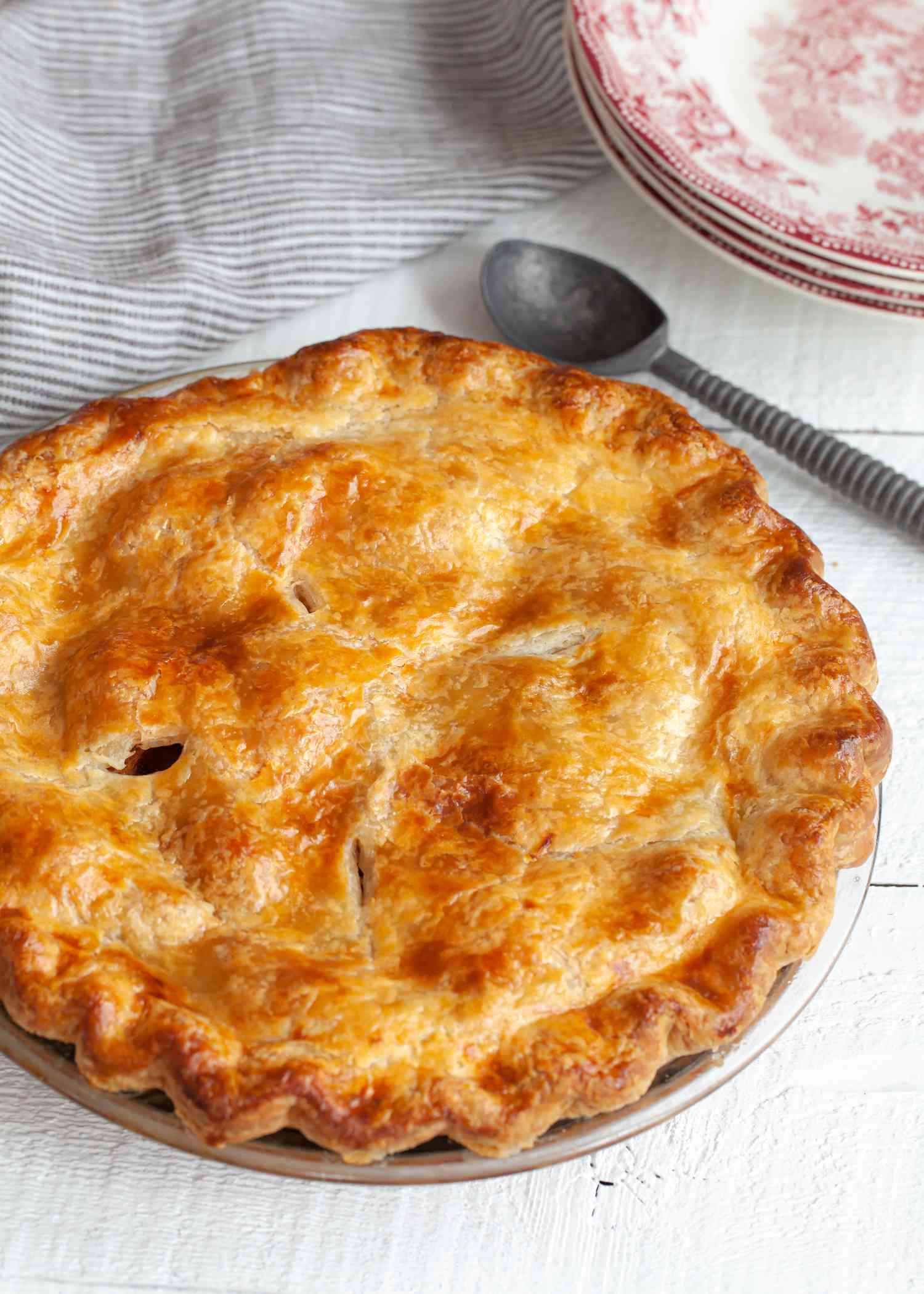
Ever wondered why some pies have that buttery, meltinyourmouth crust while others end up dense and soggy? The secret isnt a magic ingredient its all about technique, temperature, and a little patience. In the next few minutes Ill walk you through a foolproof pie pastry recipe that delivers flaky layers, whether youre making a sweet apple pie or a hearty meat pie. Grab a bowl, and lets get our hands buttery.
Quick Start Overview
What makes a crust flaky?
Flakiness comes from tiny pockets of steam created when cold butter melts between layers of dough. The dough should stay as cold as possible, and you want just enough water to bring it together no more, no less.
Can I use just three ingredients?
Absolutely. The 3ingredient pie crust (flour, butter, ice water) is the foundation of many classic recipes. Its simple, quick, and surprisingly versatile. Youll learn where the shortcut shines and where you might want a pinch of sugar or salt for extra flavor.
Ingredients & Tools
Core ingredients youll need
Heres the baseline list that works for both sweet and savoury pies:
- Allpurpose flour 1cups (about 190g)
- Unsalted butter cup (170g), chilled and cut into cubes
- Ice water 4Tbsp (plus a little extra if needed)
- Pinch of salt optional but recommended for flavor balance
These ratios come from the classic butteronly method championed by and have been tested in both home kitchens and professional bakeries.
Alternative fats
If you want a richer taste, swap half the butter for melted shortening or lard. Butter gives flavor, lard adds extra flakiness, and shortening keeps the crust tender. Choose what fits your dietary preferences remember, the colder the fat, the better the layers.
Tools that make life easier
A food processor speeds up the coarse crumbs stage, but a sturdy pastry cutter or even two forks work just fine. Youll also need a rolling pin, parchment paper, a baking sheet, and pie weights (or dried beans) for blindbaking.
StepByStep Method
How to combine flour and butter without overmixing?
Pulse the flour and butter in a food processor for 57 seconds you want peasized crumbs, not a paste. If youre doing it by hand, sprinkle the butter over the flour and use a pastry cutter to rub until the mixture looks like coarse sand.
When and how to add the ice water?
Start with 1Tbsp of ice water, drizzle over the crumb mixture, and toss gently with a fork. Keep adding water a tablespoon at a time until the dough just holds together when you press it. Its better to stop a little short than to overhydrate extra water makes the crust tough.
How to chill and roll the dough for max flakiness?
Form the dough into a flat disc, wrap it in plastic, and refrigerate for at least 30minutes. This rest lets the gluten relax and the butter firm up again. When rolling, keep the surface lightly floured, roll from the centre outward, and turn the dough a quarterturn every few rolls to keep the layers even.
Baking basics blindbake or bake with filling?
If youre using a wet filling (like custard or fruit), blindbake first. Line the crust with parchment, add pie weights, and bake at 375F (190C) for 1215minutes. Remove the weights, add your filling, and finish baking. For savoury pies that are already moist (like a meat pie), you can bake with the filling from the start just keep an eye on the crusts colour.
Variations & Options
Savoury pie pastry recipe (meat pies, quiches)
Add a teaspoon of dried herbs (thyme or rosemary) or a tablespoon of grated Parmesan to the flour before mixing. This adds a subtle depth that pairs beautifully with beef, chicken, or vegetable fillings.
Traditional pie pastry recipe (shortcrust)
For a classic shortcrust, replace half the butter with a bit of lard. The crust will be tender yet sturdy enough to hold a heavy filling perfect for a traditional chicken pot pie.
Simple pie dough recipe the quick 3ingredient version
When youre short on time, skip the resting step and go straight to rolling. The crust may not be as layered, but it will still be buttery and delicious for a weeknight dinner.
Glutenfree & vegan tweaks
Use a 1to1 blend of rice flour, tapioca starch, and potato starch, and replace butter with solid coconut oil or a vegan butter. The technique stays the same keep everything cold.
Pro Tips & Troubleshooting
How to achieve ultraflaky layers?
Try the foldandroll method: roll the dough into a rectangle, fold it into thirds like a letter, chill for 10minutes, and repeat once more. Each fold creates extra layers of butter and dough, leading to that coveted puff.
Common mistakes to avoid
| Issue | Cause | Fix |
|---|---|---|
| Crust is tough | Too much water or overmixing | Add a splash of ice water gradually, stop mixing as soon as it comes together |
| Soggy bottom | Underbaking or wet filling | Blindbake with weights, preheat baking sheet, brush crust with egg wash for a seal |
| Butter melts early | Butter not cold enough | Chill butter cubes and dough, work quickly, keep flour bowl in the fridge if needed |
How to prevent a soggy bottom?
Use a preheated baking sheet so the crust starts cooking the moment it touches the metal. A thin layer of egg wash can also create a moisture barrier.
Nutrition & Health
What are the nutritional benefits and risks?
A standard crust (1cups) contains roughly 350 calories, 20g of fat (mostly saturated), and 30g of carbs. Butter provides vitamin A and small amounts of vitamin D, but its also high in saturated fat, which can raise LDL cholesterol if eaten in excess. For a lighter version, swap half the butter for a plantbased oil or use a lowfat margarine.
Is the 3ingredient crust healthier?
In terms of calories, its nearly identical to a traditional crust because the main contributors are flour and butter. However, eliminating added sugars and salts can make it a cleaner choice. Below is a quick comparison:
| Recipe | Calories (per crust) | Saturated Fat | Added Sugar |
|---|---|---|---|
| Classic butteronly | 350 | 12g | 0g |
| 3ingredient shortcut | 340 | 11g | 0g |
| Reducedfat (half butter) | 280 | 6g | 0g |
For detailed nutrient data, you can refer to the USDA FoodData Central database.
My Baking Journey
First flaky crust memory
Back in 2023, my grandma showed me how to make a proper flaky crust for her famous chicken pot pie. She taught me to keep the butter in the freezer until the very last second and to handle the dough like its a delicate secret. That night I burned the first batch, but the lesson stuck: cold ingredients and gentle hands equal magic.
Expert insights to back up the method
Pastry chefs consistently recommend the cold butter technique see the 2022 edition of The Professional Pastry Chef for a deep dive into fat layers. Moreover, studies from the American Heart Association (healthy fats guidance) remind us to balance butters deliciousness with overall saturated fat intake.
Further Reading
Trusted recipe sources
If you want more inspiration, check out the classic pie crusts on and the detailed butteronly guide on . Both sites break down the science behind flaky pastry in a friendly way.
Deepdive pastry books
For an encyclopedic look at pastry, consider The Art of French Pastry by Jacquy Pfeiffer its like a master class in a book.
Now that youve got the fundamentals, its time to roll up those sleeves and create a crust thatll make anyone say, Wow, you really nailed it! Whether youre chasing that buttery meltinthemouth feel for a sweet dessert or need a sturdy base for a hearty meat pie, the steps above will guide you. Grab the ingredients, follow the tips, and most importantly, enjoy the process. Baking is as much about the journey as the final bite.
Whats your favorite pie filling? Have you tried any of the variations? Id love to hear your stories feel free to share them with friends or on social media, and lets keep the pastry love rolling!
FAQs
Why does the crust turn out tough?
Over‑mixing or adding too much water develops gluten, making the dough hard. Keep mixing minimal and add ice water only until the dough just holds together.
Can I freeze the pie dough?
Yes. Wrap the rested dough disc tightly in plastic and freeze for up to a month. Thaw it in the refrigerator before rolling.
What’s the difference between butter‑only and butter‑shortening crusts?
Butter provides rich flavor, while shortening or lard adds extra flakiness and tenderness. Combining both gives a balanced taste and lift.
How do I prevent a soggy bottom on fruit pies?
Blind‑bake the crust on parchment with pie weights, brush with a thin egg wash, and bake on a pre‑heated baking sheet.
Is there a gluten‑free version of this recipe?
Use a 1:1 blend of rice flour, tapioca starch, and potato starch, keep the fat cold, and follow the same technique for flaky layers.