Looking for a one‑pot wonder that feels like a weekend trip to Bangkok without leaving your kitchen? This Thai beef curry delivers that bright, comforting heat in just 30 minutes, and it’s flexible enough to suit red, green, Massaman, or even a slow‑cooker version. Grab your skillet, read on, and let’s get cooking – no fuss, no fluff.
Why This Curry
Because you deserve a dinner that’s both satisfying and straightforward. In the next few minutes you’ll learn how to pick the right cut of beef, why coconut milk matters, and the exact steps to get that silky, aromatic sauce that makes every bite unforgettable. Plus, we’ll explore the health perks and a few pitfalls so you can enjoy it guilt‑free.
Ingredient Deep Dive
Choosing the Beef
The secret to tender Thai beef curry starts with the meat. Sirloin works great for a quick sear, while chuck or brisket shines when simmered longer. USDA guidelines suggest trimming excess fat for a cleaner broth, but a little marbling adds richness you’ll love. For more tips, see our beef curry recipe.
Coconut Milk: Full‑Fat vs. Light
Full‑fat coconut milk creates that classic velvety mouthfeel. If you’re watching calories, start with light milk and finish with a splash of full‑fat to keep the sauce glossy. Stirring gently prevents the milk from splitting – a trick I learned after a few curdled mishaps. Need a guide? Check out our beef curry recipe with coconut milk.
Red, Green, Panang, or Massaman?
Each paste brings its own personality:
- Red curry paste – earthy chilies, lemongrass, and shrimp paste for a robust base.
- Green curry paste – fresher, greener chilies and basil, perfect for a brighter spin.
- Panang – richer, with ground peanuts and a hint of sweetness.
- Massaman – warm spices like cinnamon, star anise, and roasted peanuts for a stew‑like depth.
Feel free to swap the paste depending on what you have on hand; the rest of the recipe stays the same.
Supporting Aromatics & Veggies
Don’t skimp on the aromatics – a combo of finely chopped onion, garlic, ginger, and kaffir lime leaves builds the backbone of flavor. Add bell peppers, carrots, or bamboo shoots for texture, or keep it simple with just beef and sauce for a purist approach.
Seasonal Swaps
When it’s summer, try snap peas and zucchini; in winter, go for sweet potatoes and parsnips. The curry adapts beautifully, so experiment with what’s fresh at your market.
Step‑by‑Step Recipe
Prep Timeline (10 min)
1. Cut beef into bite‑size cubes (about 1 inch).
2. Slice onions, mince garlic and ginger, and gather your curry paste.
3. Rinse and pat dry any veggies you plan to add.
Cooking Method Options
| Method | Time | Flavor Note |
|---|---|---|
| Stovetop | 20 min | Bright, classic broth |
| Slow Cooker | 4 h low | Ultra‑tender, deeper meld |
| Instant Pot | 30 min | Fast, consistent |
Full Instructions (Stovetop)
1. Sear the Beef
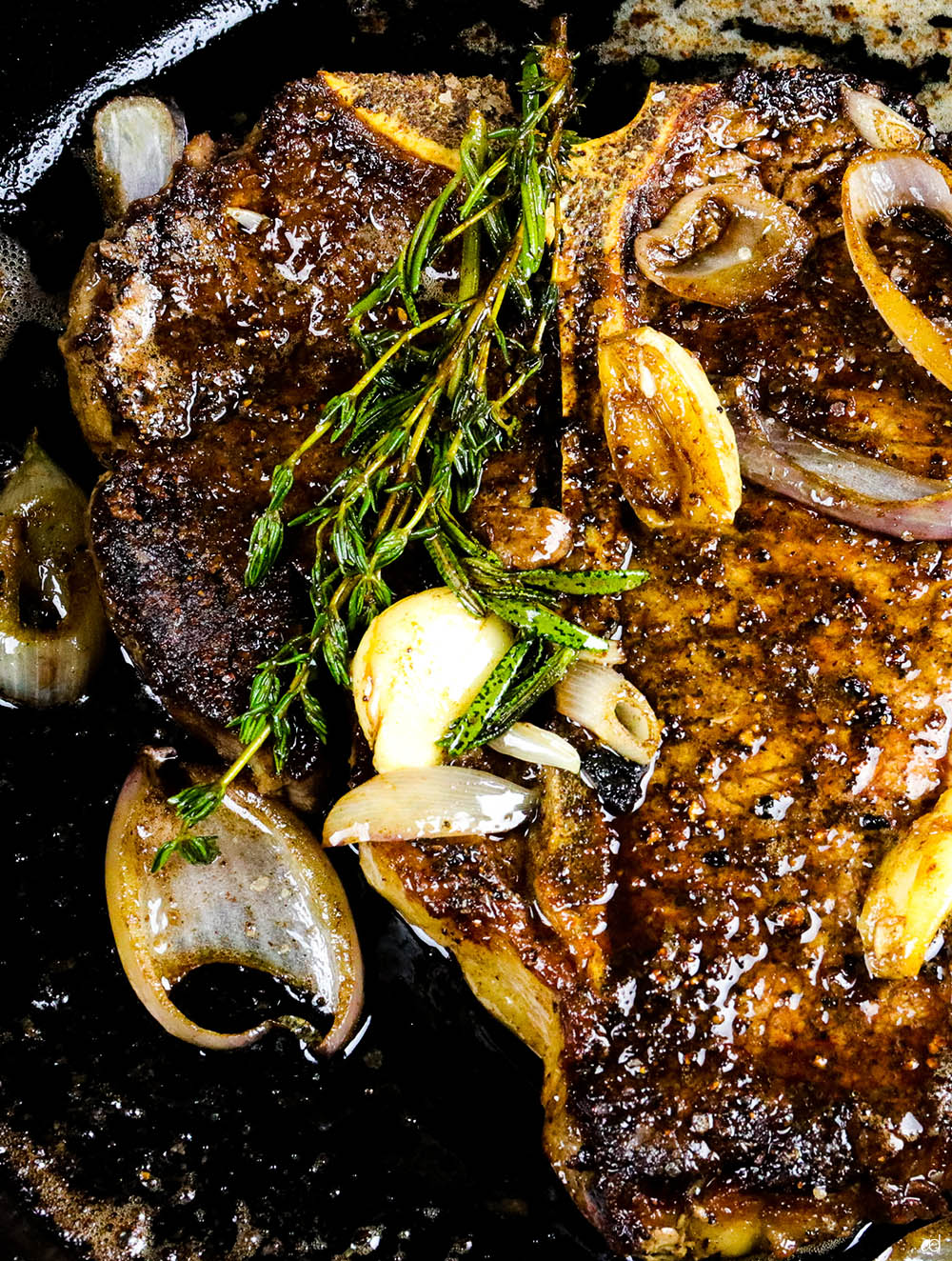
Heat a tablespoon of neutral oil over medium‑high heat. Pat the beef dry, then brown it in batches – 2 minutes per side is enough. This step creates the Maillard reaction, adding a savory depth you’ll taste in every spoonful. For a quick reference, check our easy beef curry recipe.
2. Sauté Aromatics
Add the onion, garlic, and ginger to the pan. Stir for about two minutes until fragrant and the onion starts to soften.
3. Add Curry Paste
Stir in 2–3 tablespoons of your chosen paste (red for classic, green for a fresh twist). Cook for another minute – this fries the spices and releases their oils.
4. Pour in Coconut Milk
Shake the coconut milk can well, then add it to the pan along with a splash of fish sauce and a teaspoon of palm sugar (or brown sugar). Bring to a gentle simmer.
5. Add Veggies & Simmer
Toss in bell peppers, carrots, or any vegetables you like. Let the curry bubble gently for 10–12 minutes, or until the beef is fork‑tender. If you’re using a slow cooker, just layer everything and set on low for 6 hours.
6. Finish with Fresh Herbs
Stir in torn kaffir lime leaves, a handful of Thai basil, and a squeeze of lime juice right before serving. This brightens the dish and balances the richness of the coconut.
Troubleshooting
- Too thin? Let it reduce uncovered for a few minutes.
- Too spicy? Add a drizzle of coconut milk or a pinch of sugar.
- Flavor flat? Finish with a splash of fish sauce or extra lime.
Serving Suggestions & Pairings
Serve the curry over steaming jasmine rice, or for a low‑carb option, try cauliflower rice. Noodles, quinoa, or even a crusty baguette work surprisingly well to soak up the sauce. Sprinkle chopped cilantro, sliced red chilies, or toasted peanuts for that extra pop.
Flavor Variations
Green Thai Beef Curry
Swap the red paste for green and add Thai eggplant and bamboo shoots. The result is a fresher, herb‑forward version that still packs heat.
Thai Beef Curry Massaman
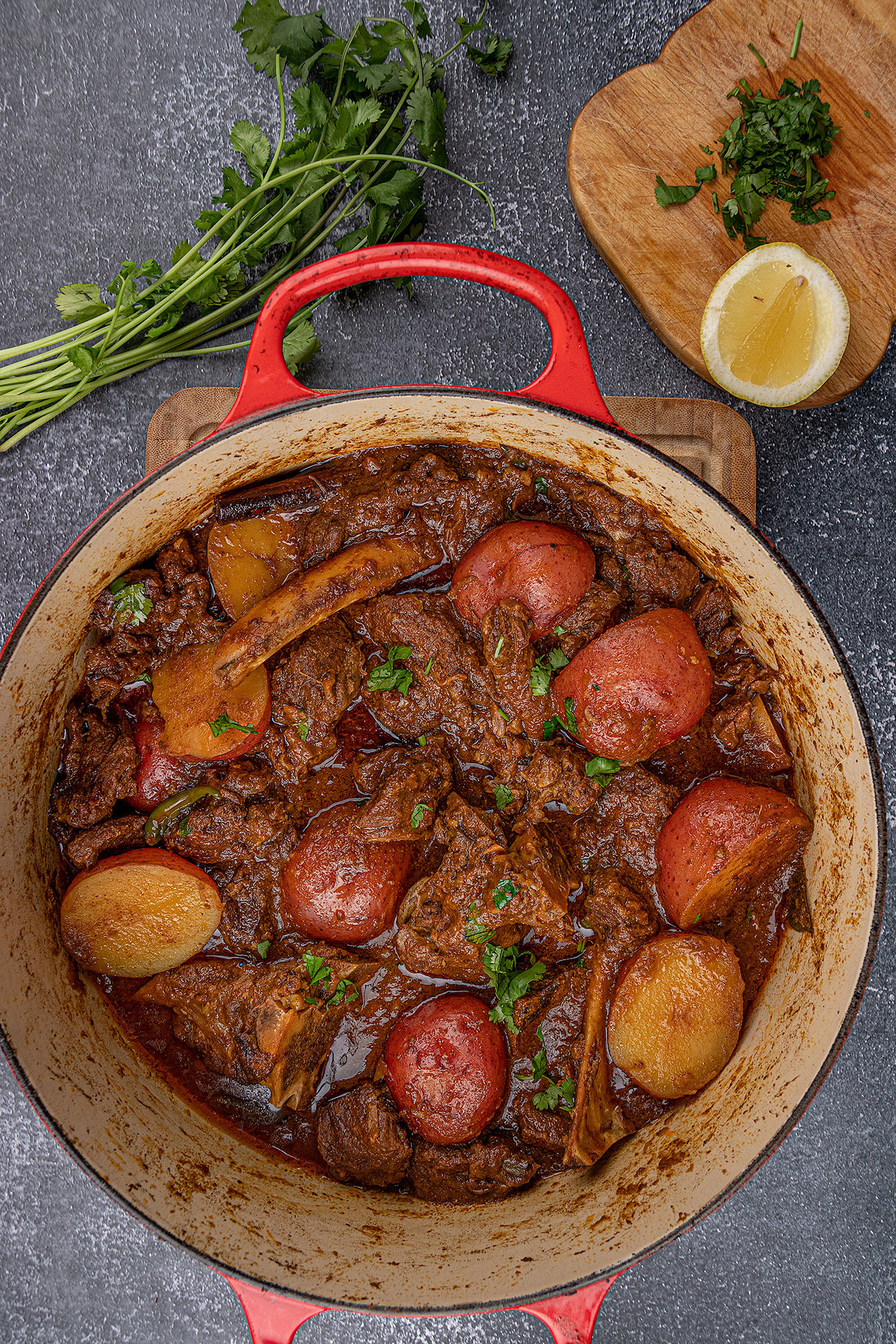
Use Massaman paste, toss in potatoes, roasted peanuts, and a cinnamon stick. This variation feels more like a hearty stew, perfect for cooler evenings.
Panang Beef Curry
Combine Panang paste with a tablespoon of peanut butter and extra kaffir lime leaves. The sauce becomes nutty, silky, and subtly sweet – a wonderful change of pace.
Slow‑Cooker Thai Beef Curry
Layer beef, aromatics, paste, and coconut milk in the slow cooker. Set on low for 6 hours, and you’ll return to a pot of melt‑in‑your‑mouth beef that practically falls apart. Great for busy weekdays.
Batch‑Cook & Freeze Guide
Portion the cooled curry into freezer‑safe bags, leaving a little headspace. It freezes well for up to three months; just reheat gently and add a splash of fresh coconut milk to restore creaminess.
Expert Insights & Credible Sources
Coconut Milk Splitting Science
When coconut milk splits, the fat separates from the water, leading to a curdled texture. According to a culinary‑science video on YouTube, gently warming the milk and stirring constantly prevents this, especially when adding acidic ingredients like lime juice.
Nutritional Snapshot
A typical serving (½ cup) of Thai beef curry supplies roughly 250 kcal, 15 g protein, and 18 g fat, with a good dose of iron and vitamin C from the peppers. For detailed breakdowns, you can refer to the USDA FoodData Central database.
Chef & Home‑Cook Testimonies
Chefs at Bangkok’s famed street stalls swear by searing the beef first – it adds a smoky depth you can’t get from slow simmering alone. Meanwhile, home cooks on food forums love the slow‑cooker version for its set‑and‑forget convenience.
Cultural Context
Beef appears most often in central Thai curries, reflecting the region’s historic cattle farming. The combination of coconut milk, chilies, and aromatic herbs became a hallmark of Thai royal cuisine in the 19th century, and today it’s a beloved comfort food worldwide.
Final Thoughts
There you have it – a versatile, flavorful Thai beef curry that fits into any schedule, dietary preference, or flavor craving. Whether you’re chasing the bright heat of a red curry, the nutty comfort of Panang, or the slow‑cooked melt‑away tenderness, the fundamentals stay the same: quality beef, fragrant aromatics, and that luscious coconut‑milk base.
Give the recipe a spin tonight, experiment with a variation, and let your kitchen fill with the scent of fresh basil and lime. If you try a version you love, share the experience with friends or on social media – good food is meant to be spread. Happy cooking, and may every bite bring a little taste of Thailand to your table!
FAQs
What cut of beef works best for a quick Thai beef curry?
For a fast stovetop version, use sirloin or flank steak cut into 1‑inch cubes. For slower cooking methods, chuck or brisket become melt‑in‑your‑mouth tender.
Can I make Thai beef curry without fish sauce?
Yes—substitute soy sauce or a dash of salt for the umami. Adding a splash of lime juice helps keep the bright flavor profile.
How do I prevent coconut milk from splitting?
Warm the coconut milk gently and stir constantly when adding acidic ingredients. Avoid boiling rapidly; keep the sauce at a gentle simmer.
What vegetables pair best with Thai beef curry?
Classic options are bell peppers, carrots, and snap peas. Seasonal swaps like sweet potatoes in winter or zucchini in summer work beautifully too.
How long can I store leftovers of Thai beef curry?
The curry freezes well for up to three months. Cool completely, portion into freezer‑safe bags, and reheat gently, adding a splash of fresh coconut milk to restore creaminess.