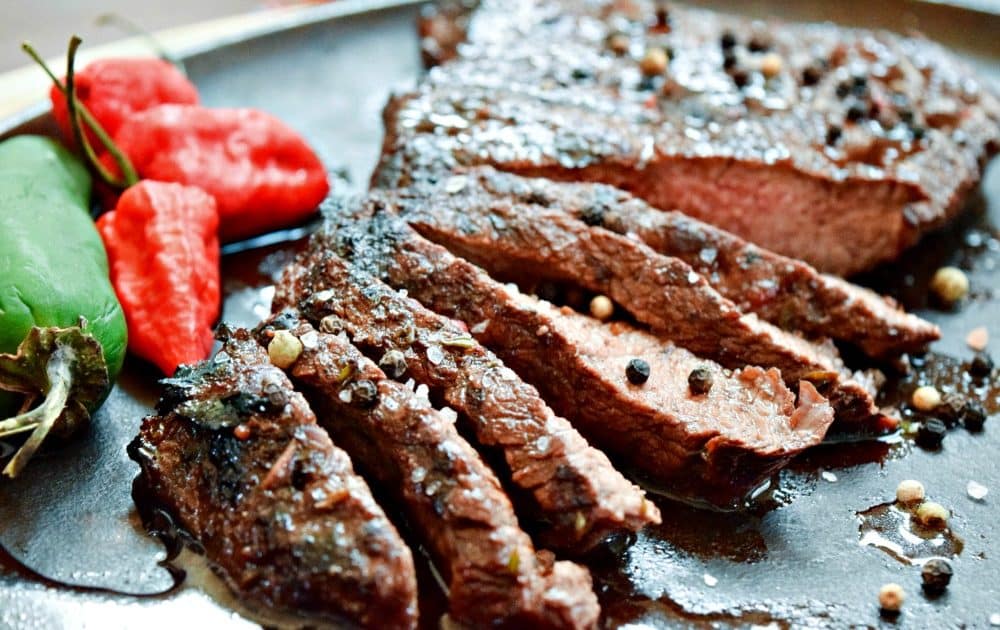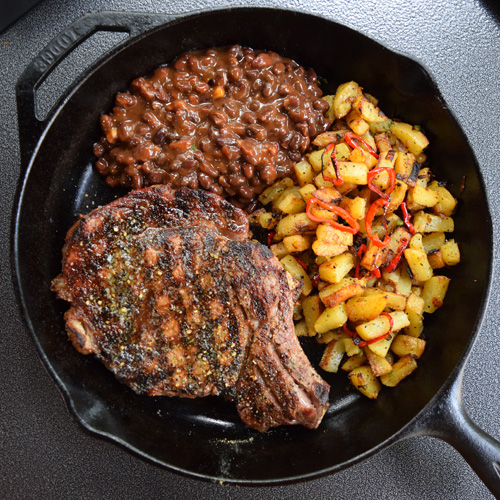
Want a steak thats juicy on the inside and sports a crust so crisp you can hear it crack when you slice into it? Youre in the right place. In the next few minutes Ill walk you through everything you need from choosing the right cut to mastering the sear so you can serve a restaurantquality crispy ribeye steak without leaving your kitchen.
Whether youre a panfrying pro, a grillmaster, or curious about the airfryer hype, Ill break down the steps, share a few personal mishaps (yes, Ive burnt a crust before), and give you tips that keep the steak tender, flavorful, and safely cooked.
Why the Crust Matters
What makes a crust crispy?
The secret is the Maillard reaction a chemical dance between amino acids and sugars that kicks in at high heat. When the surface of the ribeye dries out just enough and hits 300350F, those goldenbrown bits form, giving you that satisfying crunch.
Benefits of a crust vs. risks of overcooking
A wellseared crust adds depth of flavor, a pleasant textural contrast, and that wow factor on the plate. The downside? If the heat is too aggressive or you linger too long, the meat can dry out or turn charcoal. Balance is key.
Sciencebacked sources
For the curious, the USDA's Food Safety and Inspection Service explains safe internal temperatures for beef, and the American Chemical Society details the Maillard reactions role in flavor development.
Prep for Perfect Crust
Choosing the right cut rib steak vs ribeye
Below is a quick comparison that clears up the common confusion:
| Aspect | Rib Steak | Ribeye |
|---|---|---|
| Location on the animal | Rib primal, includes bone | Rib primal, boneless |
| Marbling | Generally less intramuscular fat | Higher marbling, richer flavor |
| Typical thickness | 11.5in (bone adds bulk) | 11.5in, easy to slice |
| Price range | Usually slightly cheaper | Often a bit pricier due to demand |
Drybrining & seasoning
1. Pat the steak completely dry with paper towels every bit of moisture is a crustkiller.
2. Sprinkle kosher salt generously on both sides and let it sit for 3060minutes. The salt draws out moisture, then reabsorbs it, seasoning the meat from the inside out.
3. Add freshly cracked black pepper and, if you like, a pinch of garlic powder or smoked paprika for extra depth.
Roomtemperature rest
Let the seasoned steak sit at room temperature for about 2030minutes before cooking. This evens out the internal temperature, so the outer crust wont overcook while the centre stays cold.
Optional butterbasting
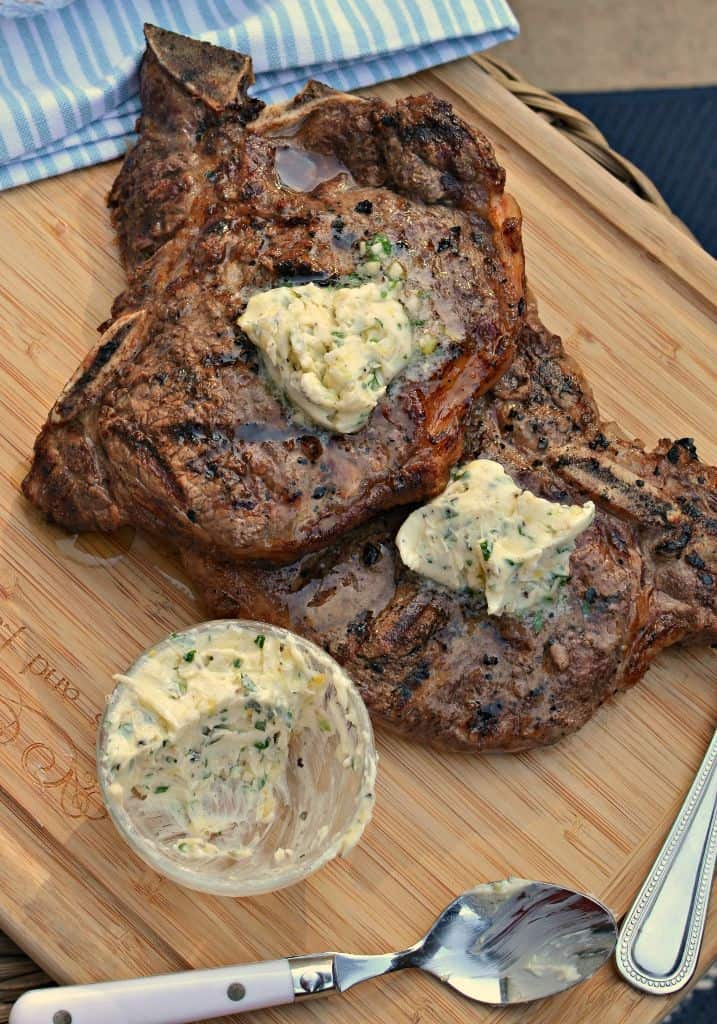
Many chefs finish with a knob of butter, crushed garlic, and fresh herbs (thyme or rosemary). The butter enriches the crust without lowering the pans temperature too much just add it in the last minute of searing.
Cooking Methods That Crisp
PanFrying how to cook ribeye steak in a pan
1. Heat a castiron skillet until it shimmers (about 450500F). A hot pan guarantees that instant sizzle.
2. Add a highsmokepoint oil (like avocado or grapeseed) about a tablespoon.
3. Lay the steak away from you; you should hear a loud sizzle. Cook 23minutes per side for a 1inch thick steak. No moving! The steak should release easily when its ready to flip.
4. For extra thickness, transfer the pan to a preheated 400F oven for 46minutes, then rest.
Grilling how to get a crust on steak on the grill
1. Preheat the grill to directheat zone (400450F).
2. Brush the grates with oil, then place the steak directly over the flames.
3. Sear each side for just 1520seconds the goal is a quick, blistered crust.
4. Move the steak to the cooler indirect side and close the lid. Cook until the internal temperature hits 130135F for mediumrare (about 45minutes).
5. Finish with a quick butter brush for that extra glossy crust.
Oven Roasting how to cook ribeye steak in oven
Try the reversesear method:
1. Set the oven to a low 225F and place the steak on a wire rack over a baking sheet. Cook until the internal temperature reaches 115120F (about 2030minutes, depending on thickness).
2. Crank the oven up to 500F or finish in a scorching castiron pan for 12minutes per side.
3. Rest and enjoy the even pink center with a crisp outer layer.
Air Fryer how to cook ribeye steak in air fryer
1. Preheat the air fryer to 400F.
2. Lightly spray the steak with oil and season as usual.
3. Cook for 810minutes, flipping halfway. The rapid hotair circulation creates a nice crust, but for true crunch, give the steak a final 1minute sear in a hot skillet.
4. Rest before slicing.
Thickness matters how to cook 1inch ribeye steak in a pan
For a thinner cut, the sear time drops to about 2minutes per side. If youre aiming for mediumrare, finish the steak in a 350F oven for just 34minutes after the sear.
Nail the MediumRare
Temperature guide
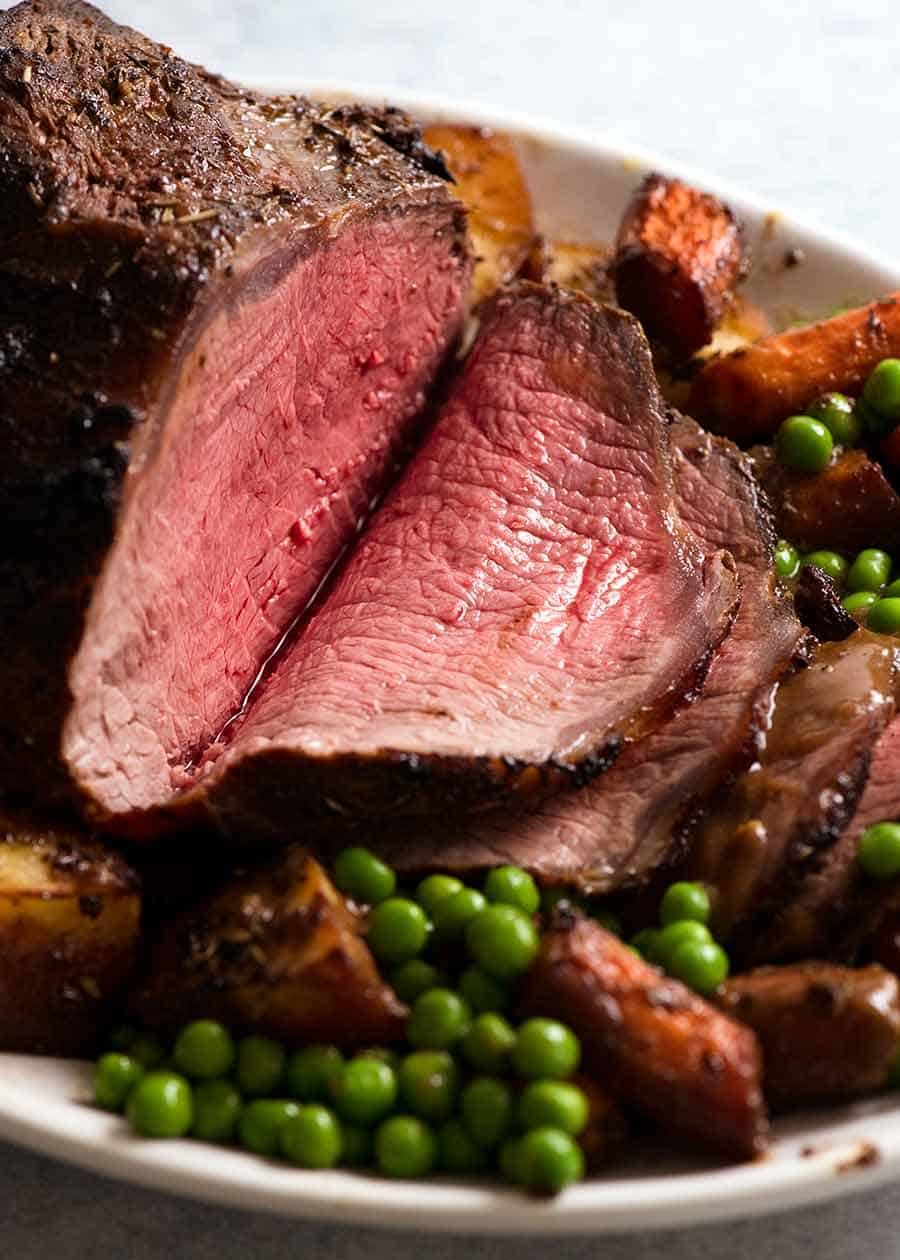
Mediumrare is 130135F (5457C). Use an instantread thermometer inserted into the thickest part. If you dont have a thermometer, the finger test (pressing the steak feels like the fleshy part of your thumb when you touch your thumb to your middle finger) works after a few tries.
Resting the steak
After cooking, tent the steak loosely with foil and let it rest for 510minutes. Resting lets the juices redistribute, keeping the meat moist while the crust stays firm.
Troubleshooting Crust Issues
My steak is soggy what went wrong?
Common culprits: the steak wasnt patted dry, the pan wasnt hot enough, or you crowded the pan, causing steam. The solution? Dry the meat thoroughly, preheat the skillet until it looks like it might melt butter, and cook one steak at a time.
The crust is burnt but the inside is rare
This usually means the heat is too high or the steak is too thin. Lower the temperature a notch, or sear for a shorter period and finish in the oven, allowing the interior to catch up without scorching the exterior.
No crust after oven finish
If you skip the final sear, the oven alone cant produce that crackle. Use the broiler for 12minutes after the oven roast, or give the steak a quick pansear right before resting.
Health & Safety Tips
Managing highheat fats
Butter adds flavor but has a lower smoke point. Pair it with a highsmokepoint oil (avocado or grapeseed) to keep the pan from smoking. Keep a lid nearby if you need to smother any flareups.Foodborne risk
According to the USDA, beef should reach a minimum internal temperature of 145F (63C) with a 3minute rest for safety. For a mediumrare steak, we stop just shy of that, trusting the quick sear to kill surface bacteria.
Balancing indulgence with nutrition
Ribeye is naturally rich in protein, iron, and Bvitamins, but also higher in saturated fat. Trim excess fat if youre watching calories, and enjoy the steak with a side of greens or a bright salad to round out the meal.
Flavor Variations & Pairings
Garlicherb butter finish
Melt 2tablespoons of butter, add minced garlic, chopped thyme, and a squeeze of lemon. Spoon over the steak just before serving for an aromatic boost.
Spicecrust options
Mix smoked paprika, ground coffee, brown sugar, and a pinch of cayenne. The coffee adds depth, while the sugar caramelizes into a glossy crust.
Wine & side pairings
Choose a fullbodied red like Cabernet Sauvignon or a bold Malbec. For sides, think roasted Brussels sprouts, creamy mashed potatoes, or a simple arugula salad dressed with lemonolive oil.
Conclusion
A crispy ribeye isnt magic its the result of a few sciencebacked steps: dry the meat, season boldly, hit ultrahigh heat, and finish at the right doneness. Whether you pansear, grill, ovenroast, or airfry, the core principles stay the same. Use the troubleshooting tips if your crust falls flat, and feel free to experiment with butterbasting or spice rubs for extra flavor.
Ready to impress yourself (and anyone else at the table)? Grab a ribeye, follow the guide, and enjoy that crunchyontheoutside, butteryontheinside steak youve been craving. If youve tried any of these methods or have your own secret tip, share it lets keep the conversation sizzling!
FAQs
What temperature should the pan be for a crispy crust?
Heat a cast‑iron or stainless steel skillet until it shimmers, around 450‑500°F (232‑260°C). This high heat creates the Maillard reaction that forms the crunchy crust.
How long should I let the ribeye rest after cooking?
Tent the steak loosely with foil and rest for 5–10 minutes. Resting lets the juices redistribute while the crust stays firm.
Can I use butter for the sear without burning it?
Start with a high‑smoke‑point oil (avocado, grapeseed) and add a knob of butter in the last minute of cooking. The butter enriches flavor without dropping the pan temperature too much.
Is a dry‑brine necessary, and how long should it sit?
Yes. Sprinkle kosher salt on both sides and let the steak sit uncovered for 30–60 minutes. The salt draws out moisture, then reabsorbs it, seasoning the meat deeply and helping the crust form.
What’s the best internal temperature for medium‑rare ribeye?
Aim for 130–135°F (54–57°C). Use an instant‑read thermometer inserted into the thickest part; the steak will rise a few degrees while resting.