Gaining weight with type 2 diabetes may seem tricky. But its possible when you focus on balanced meals that nourish your body without causing dangerous blood sugar spikes. Wondering how to gain weight in diabetes type 2 with smart food choices? Lets explore practical strategies and tasty recipes made just for you.
Weight Gain Challenges
Why Gaining Weight Is Unique with Diabetes
People living with type 2 diabetes often struggle with weight changes due to insulin resistance and medication effects. Gaining weight safely requires a delicate balance: providing enough calories to build body mass while keeping blood sugar stable. Overeating simple carbs can cause spikes, so the key is focusing on nutrient-dense foods that release energy slowly.
Balancing Calories and Blood Sugar
Quality matters more than quantity here. Instead of just eating more, aim to consume balanced meals containing proteins, healthy fats, and fiber-packed carbs. These nutrients work together to slow digestion and prevent quick sugar surges. This approach supports gradual, sustainable weight gain without worsening diabetes control.
Why Quality of Calories Matters Most
Empty calories from sugary treats often worsen insulin resistance. On the other hand, calories from wholesome ingredients like nuts, legumes, and whole grains help repair tissues and build muscle. According to recent nutrition research, foods rich in protein and healthy fats improve metabolic health and aid in weight management for those with diabetes.
Ingredients for Healthy Weight
| Prep time | Total time | Servings | Calories | Diet tags |
|---|---|---|---|---|
| 10 minutes | 15 minutes | 4 | 350 kcal per serving | Diabetic-friendly, High-protein, Low-GI |
Foods That Boost Weight Gain Safely
Choosing the right foods is essential when learning how to gain weight in diabetes type 2. Prioritize protein-rich options such as lean meats, fish, Greek yogurt, and lentils. These build muscle and repair cells without raising blood sugar too much. Add high-calorie, healthy fats like avocado, olive oil, and nut butters for extra energy.
Nuts and seeds pack dense calories along with fiber and micronutrients. Incorporate whole grains like quinoa and barley, which have a lower glycemic index than refined carbs. These choices provide lasting energy with less impact on blood sugar.
Try these ingredient swaps to boost calories without sacrificing control:
- Add a spoonful of almond butter to oatmeal or smoothies.
- Use olive oil instead of butter to cook vegetables for heart-healthy fats.
- Include full-fat dairy like cottage cheese or cheese in moderate amounts.
- Add avocado slices to sandwiches and salads.

Meal & Snack Planning
Combining Diet with Resistance Training
While food fuels your weight gain journey, resistance exercises help convert those calories into muscle, not fat. Lifting weights or doing bodyweight exercises 3 times a week encourages muscle growth and improves insulin sensitivity. Pair strength training with your meal plan to maximize results.
Building Balanced Meals to Increase Calories
To gain weight without blood sugar spikes, every meal should include protein, fats, and complex carbs. For example, grilled chicken with quinoa and sauted vegetables drizzled with olive oil delivers the right nutrient trio. Avoid large portions of starchy foods alone, as they raise blood sugar quickly.
Meal Frequency Supports Weight Gain
Eating 5 to 6 smaller meals or snacks throughout the day spreads calorie intake. This steady supply of nutrients prevents overwhelming your system and allows better blood sugar control. Frequent meals also help improve appetite and make it easier to add calories gradually.
Common Meal Prep Mistakes
Many who try to gain weight struggle because they skip meal prep or choose carb-heavy snacks. Over-reliance on sugary treats causes blood sugar swings. Another pitfall is missing protein, which slows muscle growth. Planning ahead with diabetes-friendly snacks helps maintain steady intake and avoid these errors.
Sample Daily Meal Pattern
- Breakfast: Scrambled eggs with avocado on whole-grain toast
- Mid-morning snack: Greek yogurt with walnuts and cinnamon
- Lunch: Lentil and vegetable stew with brown rice
- Afternoon snack: Apple slices with almond butter
- Dinner: Baked salmon with quinoa and steamed broccoli tossed in olive oil
- Evening snack: Cottage cheese with sliced strawberries

Dietary Variations
Differences Between Type 1 and Type 2 Diabetes Weight Gain
While some weight gain principles overlap, type 1 diabetes requires more precise insulin adjustments. People with type 1 may experience unintentional weight loss due to insulin deficiency. The focus there often involves balancing insulin therapy with calorie intake, while type 2 emphasizes managing insulin resistance.
Vegan High-Calorie Options
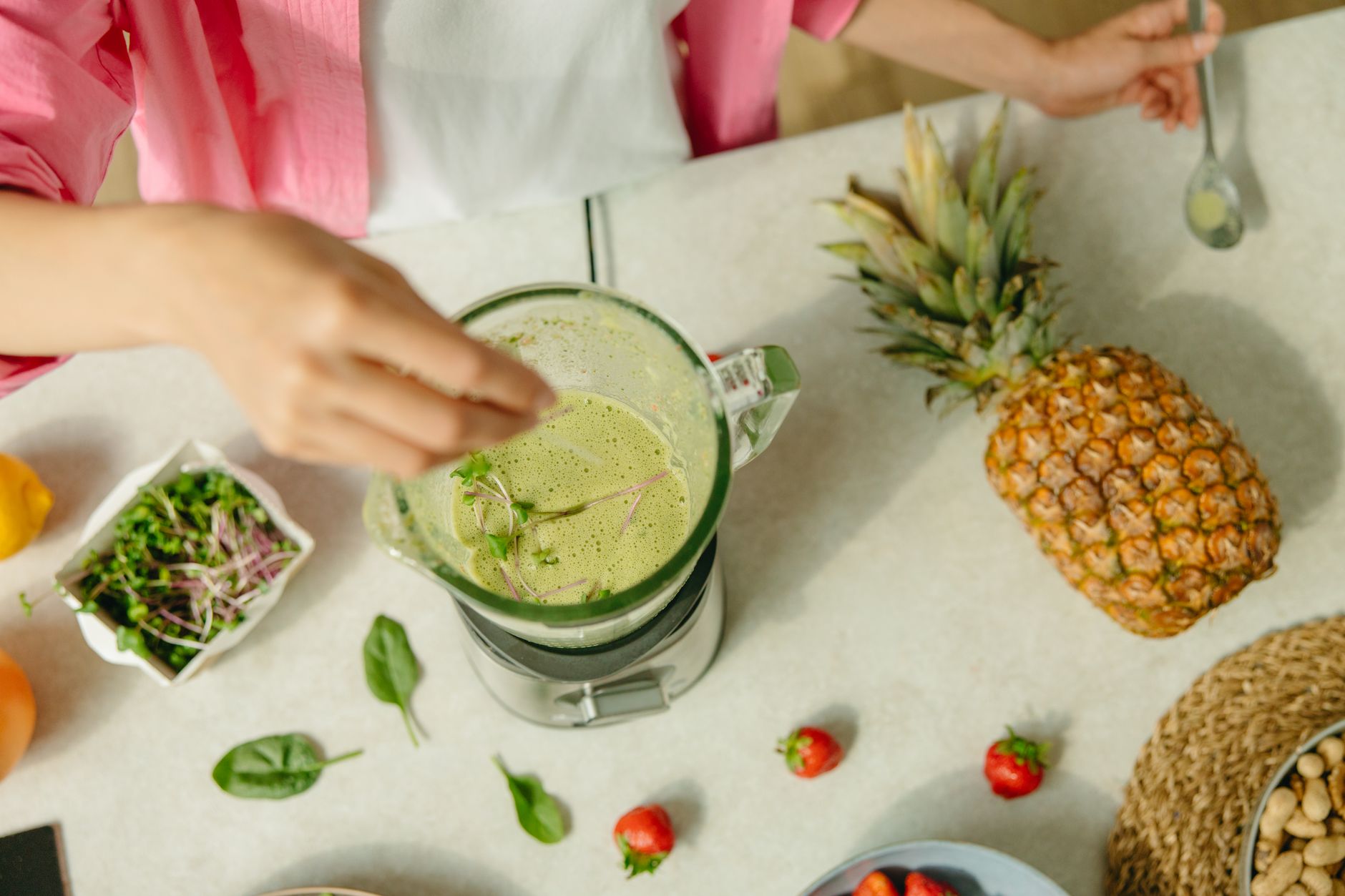
Plant-based eaters can gain weight using calorie-dense legumes like chickpeas and black beans. Tofu and tempeh offer excellent protein. Nutritional yeast adds flavor and B vitamins. Combine nuts, seeds, and oils liberally in meals for energy. Smoothies with pea protein powder, avocado, and flaxseed oil pack a punch without compromising blood sugar.
Gluten-Free and Low-Carb Swaps
Gluten-free grains like quinoa and millet work well as carb sources. Cauliflower rice or zucchini noodles offer low-carb alternatives to traditional grains and pasta. These swaps maintain calorie intake while controlling insulin spikes. Always check labels to avoid hidden sugars in gluten-free processed foods.
Weight Gain Supplements for Diabetics
Use supplements cautiously. Protein powders with low sugar, such as whey isolate or pea protein, support muscle growth. Some find benefit from diabetic-friendly meal replacement shakes. Avoid products with added sugars or artificial sweeteners that may disrupt gut health. Consult a healthcare provider before starting any supplementation.
For those wanting more tailored options, try the sugar free weight gainer for diabetics its developed specifically for this purpose.
Serving and Pairing Ideas
Thick Spreads for Extra Calories
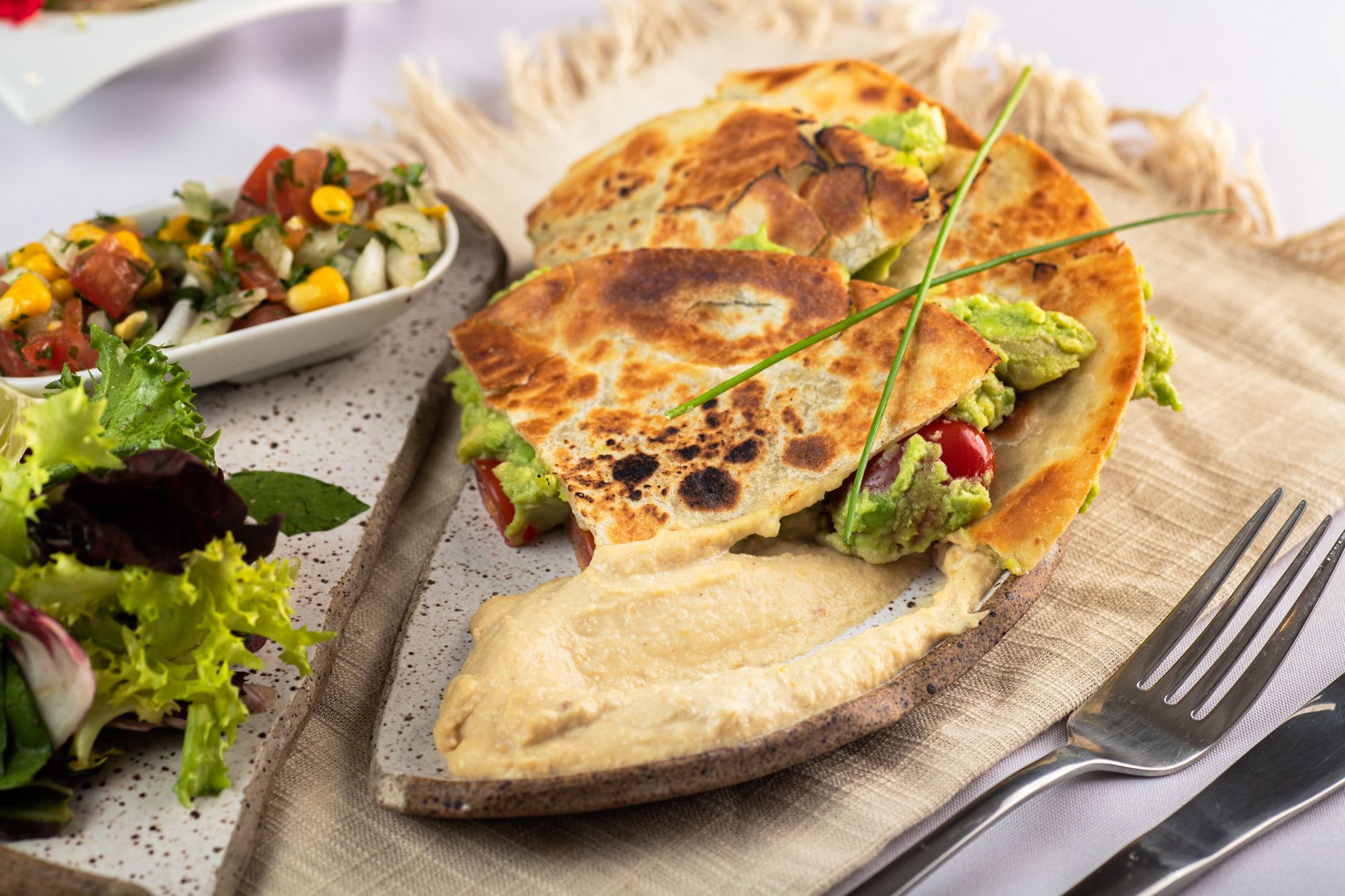
Thick layers of avocado, cream cheese, or peanut butter turn ordinary crackers or bread into calorie-rich snacks. Spread generously on whole-grain bread for a creamy, satisfying bite. Adding herbs or a squeeze of lemon twist the flavors beautifully.
Enhancing Vegetables with Healthy Fats
Toss steamed or roasted vegetables with extra virgin olive oil, melted butter, or grated cheese. These additions provide richness and increase calorie density without raising blood sugar. For example, broccoli with a sharp cheddar melt tastes indulgent and fuels weight gain.
Creative Snack Combos
- Celery sticks filled with cream cheese and sprinkled with crushed walnuts
- Greek yogurt topped with chia seeds and a few berries
- Hard-boiled eggs with a side of sliced cherry tomatoes drizzled with olive oil
Liquid and Solid Combinations
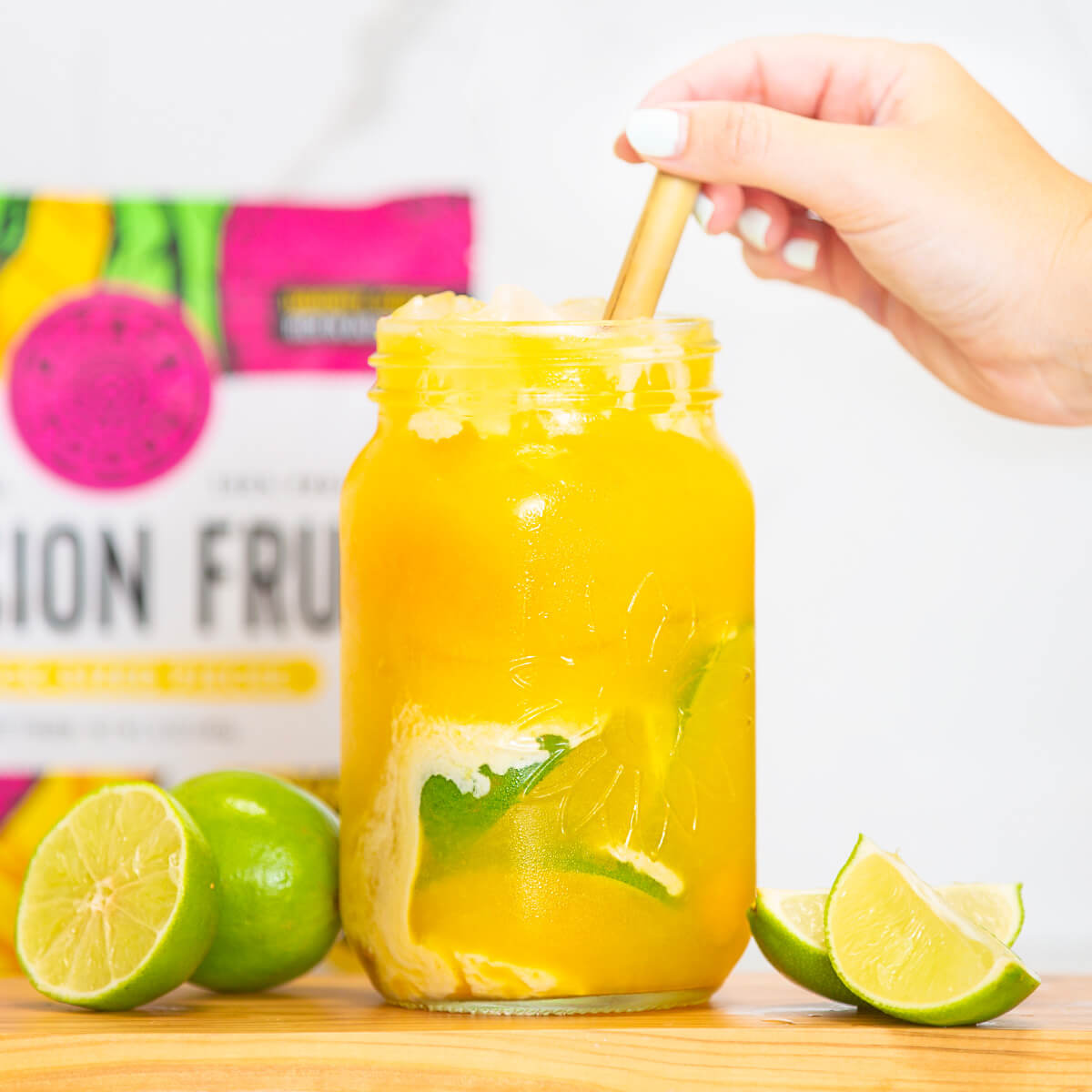
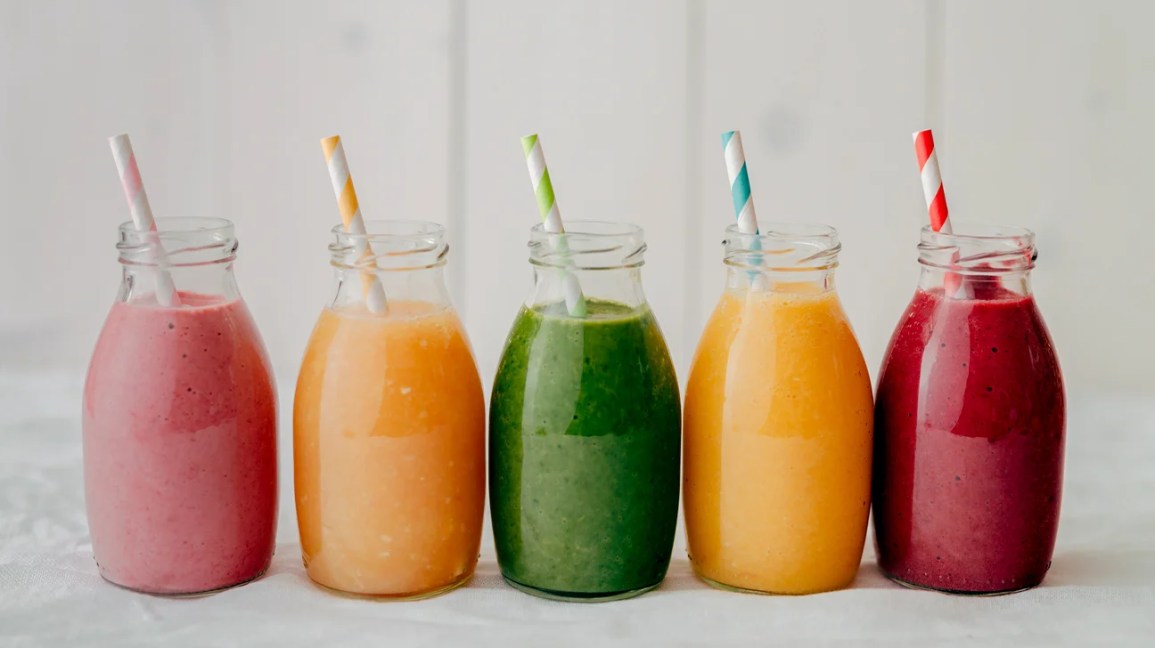
Drinking smoothies or milkshakes made with protein powder, nut butters, and low-glycemic fruits can ease calorie intake. Pair these with solid snacks or small meals to maintain satiety. For example, a creamy avocado smoothie plus a handful of almonds makes a power-packed combination.

Storage and Meal Prep
Proper Storage Preserves Nutrition
Store cooked high-protein meals in airtight containers immediately after cooling. Refrigerate them for 34 days to avoid spoilage. Freeze portions if you wont consume within that time. Label containers with dates to track freshness.
Reheating Without Nutrient Loss
Reheat meals gently at 7080C (158176F) to preserve vitamins and prevent drying. Using the stovetop with a lid often retains moisture better than microwaving. Stir occasionally to heat evenly.
Prep Snacks Ahead for Consistency
Make grab-and-go snacks like boiled eggs, nut mixes, or cheese cubes in advance. Prepare smoothies in bulk and freeze in portions to thaw the night before. Planning ahead helps keep calorie intake steady and reduces the chance of skipping meals.
Avoiding Boredom
Rotate different proteins, grains, and vegetables each week. Spice blends and fresh herbs add new aromas and tastes without extra calories. This variety encourages appetite and keeps meals exciting.
Troubleshooting
What to Do If Blood Sugar Spikes?
If you notice unusual blood sugar increases, reduce the amount of starchy carbs and increase fiber-rich vegetables. Measure portion sizes carefully and avoid sugary drinks. Testing different meal components can identify trigger foods.
Undiagnosed Diabetes and Weight Gain
Sometimes diabetes itself masks as weight gain caused by fluid retention or insulin resistance. If gaining weight is unexplained or rapid, seek medical advice. Proper diagnosis will refine your nutrition plan.
Adjusting Calories When Gaining Too Fast or Stalling
Too fast weight gain might strain your body; slow it if needed by cutting back fat portions slightly. If weight plateaus, increase healthy fats or protein portions gradually by 100200 calories per day to restart progress.
Managing Cholesterol While Increasing Fats
Choose fats wisely. Emphasize monounsaturated and polyunsaturated fats from plants and fish. Limit saturated fats from red meats and processed foods to protect heart health while gaining weight.
Tracking Progress With Balance
Scale yourself weekly but focus more on how you feel and your energy levels. Overtracking can cause stress, which negatively impacts blood sugar.
Pro Tips
- Boost Smoothies: Add ground flaxseeds or chia seeds to increase calories and omega-3 fatty acids; blend on high speed for 60 seconds for smooth texture.
- Enhance Avocado Absorption: Sprinkle black pepper and a pinch of salt on avocado to boost nutrient absorption and flavor.
- Get Creative With Herbs: Use rosemary or thyme in roasting meats to add earthy aroma without extra calories.
- Prevent Nut Staining: Oil your knife before cutting nut butters to keep edges neat and avoid sticky mess.
- Upgrade Salads: Toss greens in olive oil and lemon dressing immediately before serving to keep leaves crisp and bright.
When is the best time to eat how to gain weight in diabetes type 2?
The best time is to spread meals evenly throughout the day, ideally every 3 hours. This steady intake avoids blood sugar spikes while ensuring consistent calories for weight gain. Incorporate a mix of protein and fats at every meal for sustained energy.
What is the fastest way for a diabetic to gain weight safely?
Gradually increase calorie intake with nutrient-dense foods rather than sugary snacks. Pair meals with resistance exercises to convert calories into muscle. Avoid large portions of high-GI foods to prevent blood sugar surges.
Can I gain muscle and weight without raising blood sugar?
Yes. Focus on lean proteins, healthy fats, and low-GI carbs. Resistance training also improves insulin sensitivity, helping balance blood sugar as you build muscle.
Are weight gain supplements safe for people with type 2 diabetes?
Certain supplements like plain whey protein isolate can be safe if they have minimal sugars. Avoid supplements with hidden carbs or artificial sweeteners. Always consult your healthcare provider first.
How does insulin therapy impact weight gain strategies?
Insulin can promote weight gain by improving glucose absorption into cells. This means your body may store more calories. Adjust meal timing and content alongside your insulin schedule to optimize gains without excessive fat storage.
Can I follow this plan if I have diabetes-related complications?
Generally, yes, but consult your medical team if you have kidney, heart, or digestive issues. Customized meal modifications may be necessary to meet your health needs safely.
How can I avoid sugar spikes when gaining weight?
Include fiber-rich vegetables with all meals and rely on low-GI carbs. Monitor your blood sugar after trying new foods and adjust portions accordingly. Stay hydrated and avoid sugary drinks.
More Recipes
Explore the Apple pecan oat quick bread with cream cheese glaze 5484001 for a tasty diabetes-friendly snack that complements your weight gain plan.
Try the savory Garlic and herb steak recipe packed with protein and healthy fats to support your muscle building goals.
Conclusion
Gaining weight in diabetes type 2 takes patience and smart choices. By focusing on balanced meals rich in protein, healthy fats, and slow-release carbs, you can build healthy mass and improve your energy. Try adding the tips and recipes shared here, and feel free to share your success or questions in the comments below. Your journey to healthy weight gain starts one meal at a time.
FAQs
When is the best time to eat how to gain weight in diabetes type 2?
The best time is to eat every 3 hours throughout the day, spreading meals evenly. This steady intake helps avoid blood sugar spikes and ensures consistent calories for safe weight gain with a mix of protein and healthy fats.
What is the fastest way for a diabetic to gain weight safely?
Gradually increase calories through nutrient-dense foods like lean proteins, healthy fats, and low-GI carbs paired with resistance training. Avoid sugary snacks and large portions of high-GI foods to maintain blood sugar balance while gaining weight.
Can I gain muscle and weight without raising blood sugar?
Yes, by focusing on lean proteins, healthy fats, and low-glycemic carbohydrates combined with resistance exercises to improve insulin sensitivity. This approach supports muscle growth without causing harmful blood sugar spikes.
Are weight gain supplements safe for people with type 2 diabetes?
Some supplements like plain whey protein isolate or pea protein can be safe if low in sugar and carbs. Avoid those with added sugars or artificial sweeteners, and always consult your healthcare provider before use.
How does insulin therapy impact weight gain strategies?
Insulin promotes calorie absorption into cells, which can aid weight gain. Align your meal timing and content with your insulin schedule to optimize muscle growth while minimizing excess fat storage.