Introduction
Why This Tandoori Curry Recipe Delivers Bold Flavor and Juiciness
The secret to a great tandoori curry recipe lies in balancing smoky spices with tender juicy chicken curry. Many recipes fall short due to common tandoori curry mistakes like overcooking or skipping marination. This version uses an authentic tandoori spice mix combined with yogurt to create a creamy, flavorful sauce without bitterness. The stovetop tandoori curry method locks in moisture, making every bite rich and aromatic.
Who Will Love This Recipe Skill Level and Lifestyle Fit
This easy tandoori curry recipe suits cooks at all skill levels. Beginners will appreciate the clear, step-by-step approach while seasoned chefs can tweak spices to taste. Its naturally gluten-free tandoori curry, perfect for those with dietary restrictions. Plus, its a wonderful meal if you want an Indian-inspired dish ready in under an hour without a tandoor oven.
What Makes This Tandoori Curry Recipe Stand Out
Traditional tandoori chicken curries usually require a clay oven, but this recipe works entirely on your stovetop. The spice blend here is carefully calibrated: smoky paprika adds depth while garam masala brings warmth, without overpowering heat. Avoiding common tandoori curry mistakes, this method produces tender chicken in a creamy, balanced sauce every time.
Key Highlights
Bold, Smoky Flavor from Authentic Tandoori Spices
The hallmark of an Indian tandoori chicken curry is its smoky, vibrant notes. Here, smoked paprika and a homemade-style tandoori spice mix deliver that signature aroma and color. Yogurt marinates the chicken, enhancing the spice infusion while tenderizing the meat. This blend ensures a nutrient-rich curry bursting with complex flavor.
Tender, Juicy Chicken and Creamy Texture
Slow simmering the chicken in the sauce seals in moisture, resulting in a tender juicy chicken curry that melts in your mouth. The yogurt not only adds creaminess but also gently breaks down proteins, giving you rich texture without dryness. Each bite is satisfying, with the sauce clinging to succulent pieces of chicken.
Allergy-Friendly and Adjustable Spice Levels
Because this is a gluten-free tandoori curry and easily adapted to dairy-free by substituting yogurt, it suits many dietary needs. Feel free to reduce chili powder or smoked paprika for a milder curry. The recipe offers flexibility, whether you want a gentle warmth or a fiery kick, without losing the core flavors.
Ingredients & Preparation
| Prep time | Total time | Servings | Calories | Diet tags |
|---|---|---|---|---|
| 15 minutes | 45 minutes | 4 | 350 kcal per serving | Gluten-Free, Dairy-Free Option |
Full Ingredient List + Substitutions
- 1 lb chicken thighs, boneless, skinless (or chicken breast as substitute)
- cup plain yogurt (use plant-based dairy-free yogurt if needed)
- 2 tbsp tandoori spice mix (store-bought or homemade blend)
- 1 tbsp smoked paprika (for smoky aroma)
- 1 medium onion, finely chopped
- 3 garlic cloves, minced
- 1 tbsp fresh ginger, grated
- 1 tbsp vegetable oil or ghee (vegetable oil for dairy-free)
- 1 can (14 oz) diced tomatoes
- Salt to taste
- Fresh cilantro leaves for garnish
Equipment Needed
Use a heavy-bottomed skillet or cast iron pan. This ensures even heat distribution during the stovetop tandoori curry method. A blender can help make the spice marinade smoother if you prefer, but it‘s not essential.
Tips for Choosing Quality Ingredients
For the best aroma and taste, always use fresh ginger and garlic. Select plain, unsweetened yogurt with live cultures to get that tangy thickness. Organic, whole spices will enhance the depth of your tandoori spice mix considerably.
Step-by-Step Instructions
Step 1 Prep Chicken and Marinade
Pat the chicken dry and cut into bite-size pieces, about 1.5 inches. In a bowl, combine yogurt, tandoori spice mix, smoked paprika, and salt. Mix well. Add chicken pieces, coating thoroughly. Cover and marinate for at least 30 minutes, ideally overnight in the fridge for deeper flavor.
Step 2 Cook Onion, Garlic, and Ginger
Heat oil over medium heat in your skillet. Add finely chopped onion and saut until golden, about 6 minutes, stirring often. Add minced garlic and grated ginger. Continue cooking for 2 minutes on medium-low heat, stirring frequently to avoid burning and bitterness.
Step 3 Add Tomatoes and Simmer
Pour in diced tomatoes with their juice. Stir to combine, then reduce heat to medium-low. Let simmer until sauce thickens, approximately 10 minutes, stirring occasionally to prevent sticking. Add the marinated chicken and stir to coat.
Step 4 Final Touches and Serving
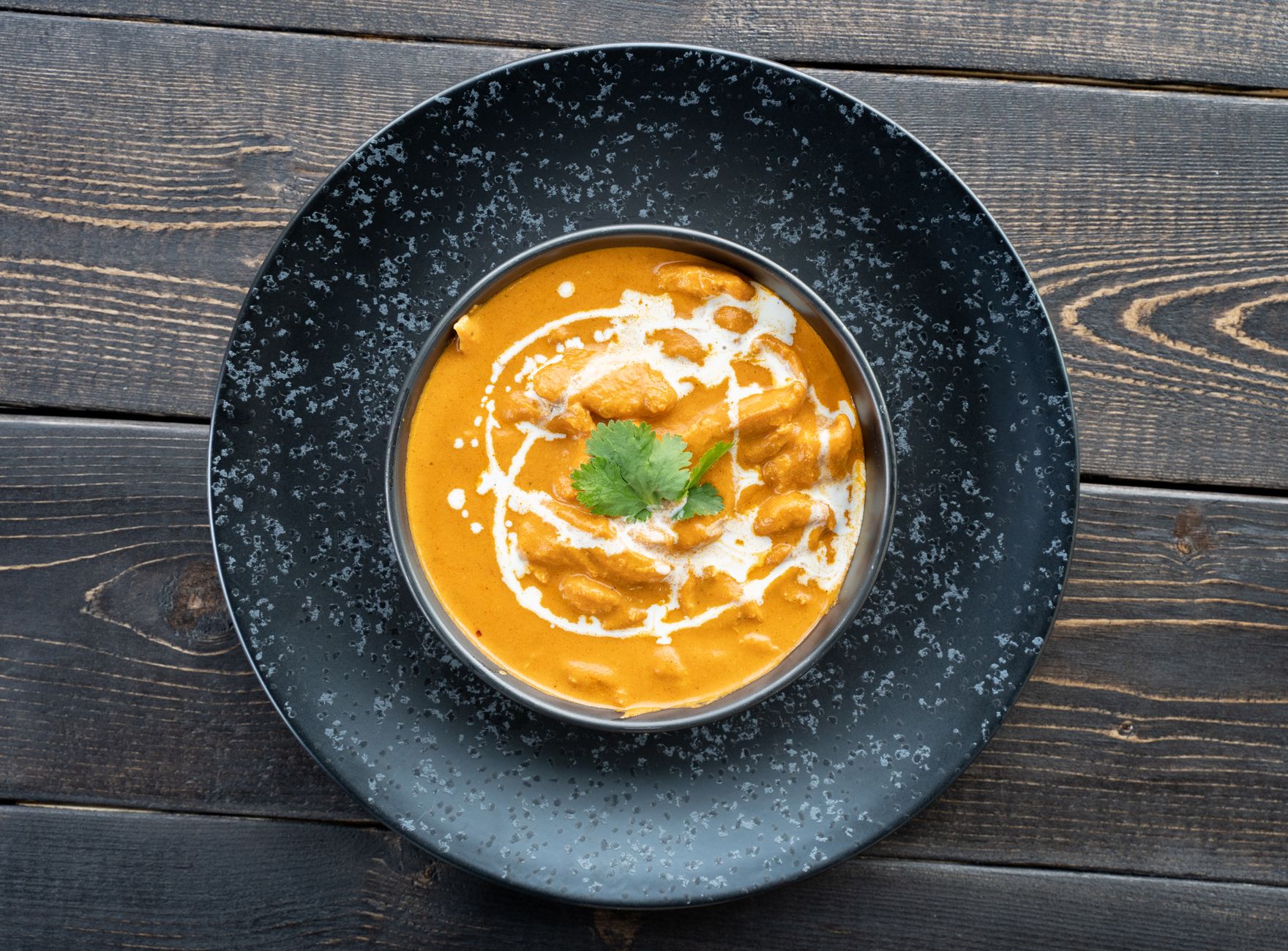
Cover the pan and reduce heat to low. Cook gently for 15 minutes, stirring now and then. Check for donenesschicken should be tender and fully cooked. Taste the sauce; adjust salt if needed. Garnish with fresh cilantro leaves. Serve immediately with basmati rice or naan bread.

Remember, one of the biggest common tandoori curry mistakes is overcooking chicken, which leads to dryness. Keep the heat low and timing precise for that tender juicy chicken curry texture you want every time.
Variations & Substitutions
Popular Variations Vegan and Milder Spice Options
For a vegan twist, swap the chicken for firm tofu or cauliflower florets. Use coconut-based yogurt instead of dairy to keep the creamy texture. To make a milder version, halve the chili powder and smoked paprika. Even with changes, the rich flavor remains inviting.
Ingredient Swaps and Flavor Impact
Using powdered ginger instead of fresh reduces brightness in the currys aroma. Fresh turmeric adds earthiness but stains skin easily, so gloves help while prepping. You can experiment with your own tandoori spice mix, but fresh spices always yield the best flavor.
Adjusting Flavors to Preference
If the tomato acidity feels sharp, stir in a teaspoon of honey or sugar to balance it. Add heat by incorporating sliced fresh green chilies or extra chili powder. For creamier sauce, swirl in coconut cream toward the end of cooking.

Storage & Shelf Life
Refrigerator Storage
Transfer cooled curry into airtight glass containers for best freshness. Store in the fridge at or below 36F (2C). Consume within 3 to 4 days. Reheat gently on the stovetop or microwave on medium power, stirring to maintain even temperature.
Freezer Storage
Divide the cooled curry into portioned freezer-safe bags or containers. Freeze at 0F (-18C) or below. Use within 2 months for optimal flavor and texture. Thaw overnight in the refrigerator before reheating.
Make-Ahead Batch Tips
Double all ingredients to make a larger batch. Label containers with the date and contents before freezing. Use freezer-safe containers to avoid leaks and freezer burn. Marinated chicken can also be prepared in advance and frozen separately before cooking.
Pro Tips & Troubleshooting
Practical Tips Avoid Staining and Maximize Marinade Flavor
Spices like turmeric and paprika can stain your hands and kitchenware. Wear gloves when handling these powders, and clean spills promptly. Extend marination time up to 24 hours for more intense flavor without sacrificing texture.
Fixes for Common Issues
If the curry looks pale, it often means under-toasting the spices. Toast whole spices lightly before grinding for the best aroma. Bitterness usually comes from burnt garlic or gingercook these ingredients gently and avoid high heat to prevent this.
Expert Upgrade
Add a pinch of ground black pepper during cooking. According to a 2023 study in the Journal of Nutritional Biochemistry, black pepper boosts curcumin absorption from turmeric, enhancing both the flavor and potential health benefits of your curry.
When is the best time to eat tandoori curry recipe?
Tandoori curry tastes best served hot, freshly cooked, at lunch or dinner. The flavors and textures peak right after cooking, especially when paired with basmati rice or soft naan. Enjoy it within a few hours for optimal taste and aroma.
Can I make a big batch ahead of time?
Yes. This recipe holds well when prepared in larger quantities. Refrigerate leftovers for 3 to 4 days or freeze for up to 2 months. Always thaw overnight in the fridge before reheating for the best texture and flavor.
Fresh spices or powder which gives better results?
Fresh spices, especially fresh ginger and garlic, offer a brighter, more vibrant taste. Powdered spices are convenient but usually less aromatic. Using freshly ground or freshly minced ingredients elevates the overall flavor profile of your curry.
Is this recipe safe for pregnant women or kids?
It generally is safe with spice adjustments. Reduce chili and paprika for sensitive palates like children or pregnant women. Consult your healthcare provider if you are on medication or have dietary restrictions before consuming spicy foods regularly.
How often can I enjoy tandoori curry?
You can enjoy this flavorful curry several times a week if balanced with other vegetables, grains, and protein sources. Monitor your spice tolerance and adjust accordingly to avoid digestive discomfort.
Why does my curry taste bitter?
Bitterness often arises from burnt garlic, ginger, or spices cooked on high heat. Stir continuously and maintain medium to low heat when sauting. Avoid adding salt too early, as it can toughen the meat and affect flavor negatively.
What pairs well with tandoori curry?
Serve with fragrant basmati rice, butter naan, or pita bread. A cooling cucumber raita or fresh salad can balance the currys richness and heat, creating a perfect meal experience.
More Recipes You Will Love
Tandoori Vegetable Curry
A fresh take on tandoori spices featuring hearty vegetables, perfect if you want a vibrant meatless option.
Cream of Mushroom Soup Recipe Ideas
For something creamy and comforting, these soup recipes offer rich flavors to contrast with bold curry meals.
Mykyrokka
Explore this hearty Finnish stew to diversify your home-cooked meals beyond Indian flavors.
Conclusion
This tandoori curry recipe strikes the perfect balance of smoky, vibrant spices with tender, juicy chicken. It sidesteps common cooking pitfalls using a straightforward stovetop method. Try this recipe for a richly flavored meal thats equally satisfying and approachable. Share your experience with a comment or rating, or explore our other recipes for more culinary inspiration.
FAQs
When is the best time to eat tandoori curry recipe?
Tandoori curry tastes best served hot and freshly cooked, making lunch or dinner ideal times. The flavors and textures peak shortly after cooking, especially when paired with basmati rice or naan bread. For optimal taste, enjoy it within a few hours of preparation.
Can I make a big batch of tandoori curry ahead of time?
Yes, this recipe holds up well when made in larger quantities. Refrigerate leftovers for 3 to 4 days or freeze for up to 2 months. Always thaw frozen portions overnight in the refrigerator before reheating to preserve texture and flavor.
Should I use fresh spices or powder for the tandoori curry recipe?
Fresh spices, particularly fresh ginger and garlic, provide a brighter, more vibrant flavor. Powdered spices offer convenience but tend to be less aromatic. Using fresh or freshly ground spices enhances the overall taste profile of your curry significantly.
Is this tandoori curry recipe safe for pregnant women and children?
Generally, yes, with adjustments to the spice levels. Reduce chili powder and smoked paprika for sensitive palates such as children or pregnant women. Always consult a healthcare provider if you have concerns or dietary restrictions regarding spicy foods.
Why does my tandoori curry taste bitter sometimes?
Bitterness often results from burnt garlic, ginger, or spices due to cooking on too high heat. To avoid this, cook these ingredients gently over medium to low heat and stir frequently. Also, avoid adding salt too early, as it can toughen the meat and affect flavor.