Why Hot Pickled Quail Eggs Are Worth Making
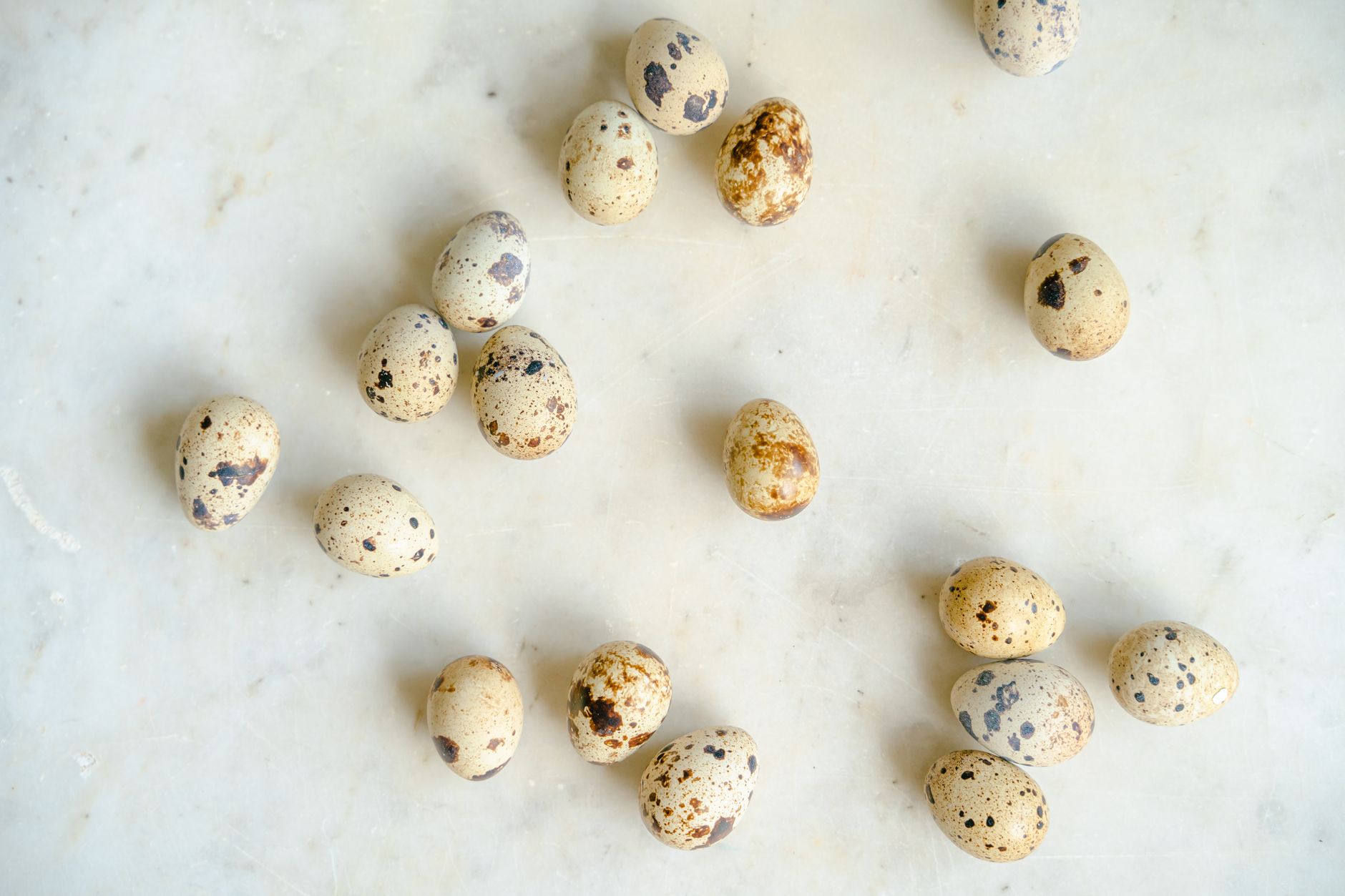
The first bite is tangy, spicy, and surprisingly rich for such a small egg. Hot Pickled Quail Eggs are peeled quail eggs soaked in a seasoned vinegar brine with garlic, mustard seed, allspice, cloves, bay leaves, and hot peppers. They make a bold snack, salad topping, or party appetizer.
This refrigerator recipe gives you tender eggs with a pleasantly firm white and a yolk that stays creamy. The brine is heated to dissolve the salt and release flavor from the spices, then cooled slightly before it goes over the eggs. Keep the finished jars refrigerated; this version is not designed for shelf-stable storage.
I like to wait two weeks before eating them. The vinegar sharpness softens, the garlic becomes rounder, and the pepper heat spreads evenly through the brine.

Health Benefits & Nutrition
Quail eggs provide protein, fat, and several nutrients in a small serving. Since they are eaten with a vinegar brine, a few eggs can feel satisfying without requiring a large portion.
- Protein for fullness: Quail eggs contribute protein that helps make this snack more satisfying than many purely crunchy snacks.
- Useful vitamins and minerals: Eggs naturally provide nutrients such as vitamin B12, selenium, riboflavin, and choline. The exact amount depends on serving size and the eggs used.
- Very little sugar: This recipe contains no added sugar. The vinegar, garlic, and spices supply most of the flavor.
- Vinegar-based flavor: The sharp brine lets you build a strongly seasoned snack without relying on a sweet sauce.
The sodium can be high because salt is part of the pickling liquid. People limiting sodium, or anyone managing a medical condition, should consider a smaller portion and ask a doctor or dietitian for personal guidance. Anyone with an egg allergy should avoid this recipe. The eggs remain perishable and must stay refrigerated.
Ingredients & Preparation
Recipe Card
| Prep time | Cook time | Total time | Servings | Calories (approx) | Diet tags |
|---|---|---|---|---|---|
| 14 days 30 minutes | 15 minutes | 14 days 45 minutes | 2 pint jars, about 24 servings | Approximately 55 calories per 4 eggs | Gluten-free, grain-free, vegetarian |
Full Ingredient List
- 4 dozen quail eggs
- 3 cups white vinegar
- 4 teaspoons fine salt
- 3 teaspoons cayenne pepper
- 6 garlic cloves, lightly crushed
- 12 whole black peppercorns
- 10 whole allspice berries
- 2 teaspoons yellow mustard seeds
- 4 whole cloves
- 2 bay leaves
- 2 fresh hot peppers, sliced or left whole
Equipment Needed
- Large saucepan for the eggs
- Medium nonreactive saucepan for the brine
- Slotted spoon
- Large bowl of ice water
- Two clean 1-pint glass jars with lids
- Funnel, optional
- Clean tongs and a ladle
Tips for Choosing Quality Ingredients
Choose quail eggs with clean, uncracked shells. Small cracks allow water into the egg while cooking and make peeling messy. Fresh eggs can be harder to peel, so eggs that have been refrigerated for several days usually work better for this recipe.
Use plain white vinegar with 5% acidity. Avoid reducing the vinegar or replacing it with a lower-acidity product. For the peppers, jalapeños bring moderate heat, while small red chiles make the jars noticeably hotter. Use fresh garlic with firm cloves and bright, unblemished skin.
Step-by-Step Instructions
1. Boil and chill the quail eggs
Place the eggs in a single layer in a saucepan and cover them with about 1 inch of cool water. Set the pan over medium-high heat and bring the water to a full boil. Reduce the heat slightly and cook for exactly 3 minutes.
Drain immediately, then transfer the eggs to a bowl of ice water for 5 minutes. This stops carryover cooking and makes the whites less rubbery. I found that peeling under a thin stream of cool water works better than peeling dry because water slips beneath the membrane and lifts the shell.
2. Peel and pack the eggs
Tap each egg gently all over, then peel away the shell and membrane. Rinse off any shell fragments and pat the eggs dry with a clean towel. Pack the peeled eggs into two clean 1-pint jars, leaving about 1 inch of space at the top.
The first time I made these, I packed the jars too tightly and had trouble getting the brine around the eggs. Leave enough room for the liquid to flow between them, especially around the shoulders of the jar.
3. Simmer the seasoned vinegar
Pour the vinegar into a nonreactive saucepan. Add the salt, cayenne, garlic, peppercorns, allspice, mustard seeds, cloves, bay leaves, and hot peppers. Bring the mixture to a gentle simmer over medium heat, about 190°F to 205°F, for 10 minutes.
Do not let the vinegar boil hard. A gentle simmer is enough to dissolve the salt and release the spice aroma. The brine should smell sharp, garlicky, and warm from the cayenne. Turn off the heat and let it stand for 5 minutes.
4. Add the warm brine
Pour the warm brine over the eggs, dividing the spices between the jars. Make sure the eggs are fully covered. If a pepper or garlic clove blocks the flow, move it aside with clean tongs.
Wipe the jar rims with a clean damp towel, then close the lids. Let the jars cool at room temperature for no more than 30 minutes before refrigerating them. Do not seal these jars for pantry storage or process them as shelf-stable canned food.
5. Refrigerate and mature
Refrigerate the jars for at least 14 days before serving. Turn each jar gently once or twice during the first day, keeping the lid closed, so the spices distribute around the eggs.
At the two-week mark, the whites should be tangy and lightly stained from the spices, with a firm but tender bite. The smell should be pleasantly vinegary and aromatic, never rotten or sulfurous.
Variations & Substitutions
- Less spicy: Omit the cayenne and use one mild jalapeño, sliced lengthwise. This keeps the pepper flavor while reducing the heat substantially.
- Extra hot: Keep the 3 teaspoons of cayenne and replace the fresh peppers with two serrano chiles or one small habanero. Wear gloves when cutting hot peppers.
- Smoky version: Replace 1 teaspoon of cayenne with 1 teaspoon of smoked paprika. The remaining 2 teaspoons of cayenne keep the brine hot while adding a subtle smoky note.
- Onion-garlic variation: Use four garlic cloves and add ¼ cup thinly sliced red onion. The onion softens and turns pink as it sits, though it may make the brine slightly cloudy.
- More mustard flavor: Increase the yellow mustard seeds from 2 teaspoons to 1 tablespoon. Do not use prepared yellow mustard, which can make the liquid cloudy and change the acidity.
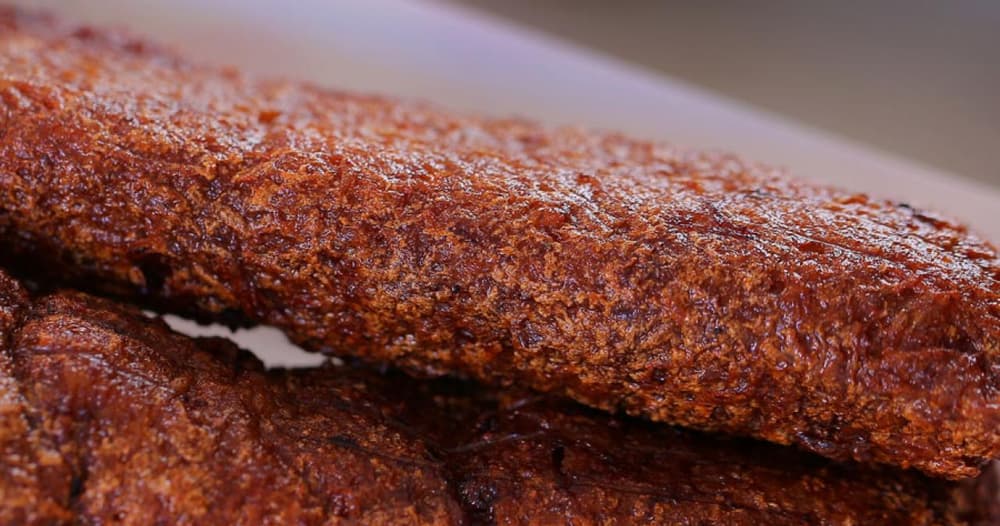
For a snack spread, serve these beside Pork rinds with chile lime salt recipe 2031095. The crisp, salty pork rinds balance the soft, tangy eggs.
Storage & Shelf Life
Keep the sealed jars refrigerated at 40°F or below and use the eggs within 2 weeks for the best quality. Always use clean utensils to remove eggs, and return the jar to the refrigerator promptly.
This recipe is a refrigerator pickle, not a shelf-stable canning recipe. Do not store the jars in a pantry, basement, or cupboard. Freezing is not recommended because the egg whites become rubbery and watery after thawing, while the yolks can turn crumbly.
Discard the entire jar if you see mold, bubbling that was not present at packing, a swollen lid, slimy eggs, unusual cloudiness, or an unpleasant rotten smell. Do not taste food to decide whether it is safe. If the eggs were left at room temperature for more than 2 hours, discard them.
Pro Tips for Better Pickled Eggs
Cool the eggs quickly after boiling. The ice bath prevents the yolks from becoming dry and gives the whites a cleaner, springier texture. Overcooking by even a few minutes is noticeable in these small eggs.
Crack the shells thoroughly before peeling. A network of fine cracks lets water reach the membrane, which is the part that usually clings to the white. Peeling from the wider end often gives you a useful air pocket.
Use a nonreactive pan for the brine. Stainless steel, enamel, or glass works well. Aluminum and unlined copper can react with vinegar and may create a metallic taste or discoloration.
Do not strain out all the spices before filling the jars. The peppercorns, mustard seeds, garlic, and allspice continue releasing flavor in the refrigerator. However, remove the bay leaves if they press tightly against the eggs, since they can add a bitter edge over time.
Keep the eggs submerged. Any egg sitting above the vinegar line can dry out and spoil sooner. If your jar shape leaves a gap, use a clean food-safe weight designed for refrigerator pickles rather than adding extra water.
For cleaner presentation, use a funnel when pouring the brine and wipe the rim before closing the jar. Cayenne can stain pale countertops, towels, and plastic lids, so use glass and washable tools whenever possible.
Questions & Answers
When is the best time to eat Hot Pickled Quail Eggs?
The best time to eat them is after 14 days of refrigeration. The eggs are technically flavored sooner, but two weeks gives the vinegar time to mellow and the spices time to reach the centers. Serve them cold as a snack, slice them over a salad, or arrange them on an appetizer board.
How long do pickled quail eggs need to sit?
Pickled quail eggs need at least 14 days in the refrigerator for the fullest flavor. The small size means the brine penetrates faster than it would with chicken eggs, but the seasoning still improves with time. Keep the jars closed during the resting period to prevent contamination and odor transfer.
Can I can these quail eggs for pantry storage?
No, these eggs should not be processed for pantry storage using this recipe. Eggs are a low-acid food, and homemade pickled egg recipes require validated methods for safe shelf stability. Store these jars in the refrigerator instead, and follow the stated storage limit.
Why are my quail eggs difficult to peel?
Hard-to-peel quail eggs are usually very fresh or were not chilled quickly after cooking. Use eggs that have been refrigerated for several days, cook them for 3 minutes, and transfer them directly to ice water. Peeling under cool running water also helps separate the membrane from the white.
Can I use apple cider vinegar instead of white vinegar?
Use white vinegar for the most predictable result, but apple cider vinegar can replace it at a one-to-one ratio if it has 5% acidity. The brine will be darker and slightly fruitier. Do not use rice vinegar, malt vinegar, or homemade vinegar unless the acidity is clearly verified.
How hot are these pickled eggs?
These pickled eggs are moderately to very hot because the brine contains 3 teaspoons of cayenne plus two fresh hot peppers. The heat varies with the pepper variety and age. For a milder batch, omit the cayenne and use one mild pepper instead.
What can I serve with pickled quail eggs?
Serve them with crackers, cured meats, sharp cheese, salads, or crunchy vegetables. They are also good chopped into a potato salad or halved over toast. For another bold snack, pair them with Miss browns peanut pistachio caramel corn 11659415 for a sweet-and-spicy snack table.
More Recipes You Will Love
If you enjoy strong flavors and small-bite snacks, try the chile-lime pork rinds alongside these eggs. Their crisp texture contrasts with the tender whites, and the citrusy salt refreshes your palate between bites.
For a sweeter snack board, add peanut pistachio caramel corn. Its buttery caramel coating and nutty crunch provide a useful contrast to the sharp vinegar brine and spicy peppers.
You can also build a simple appetizer plate with chilled pickled eggs, celery sticks, sliced radishes, olives, and toasted bread. Keep the portions small and let the eggs supply the boldest flavor.
Conclusion
Hot Pickled Quail Eggs turn a handful of small eggs into a bright, spicy refrigerator snack. The key steps are gentle cooking, a quick ice bath, a fully seasoned 5% vinegar brine, and enough resting time for the flavor to settle. Keep the jars cold and use them within two weeks. If you make a batch, share how hot you made it, rate the recipe, or leave a comment with your favorite way to serve it.
FAQs
When is the best time to eat Hot Pickled Quail Eggs?
The best time to eat Hot Pickled Quail Eggs is about two weeks after jarring, once the vinegar sharpness softens and the garlic and pepper flavors blend into the brine. You can eat them sooner, but the flavor will taste harsher. Keep the jars refrigerated throughout.
How should Hot Pickled Quail Eggs be stored?
Hot Pickled Quail Eggs should be stored in sealed jars in the refrigerator, with the eggs fully submerged in brine. This recipe is not designed for shelf-stable storage. Discard any eggs with an off smell, slimy texture, or visible mold, and check a current food safety resource for specific storage timing.
Why are my quail eggs hard to peel for pickling?
Quail eggs are often hard to peel when they are very fresh, so eggs refrigerated for several days usually peel more easily. Cracked shells let water seep in during cooking, which makes peeling messy. Cool the cooked eggs in ice water before peeling them gently.
Can I use jalapeños instead of small red chiles?
Yes, jalapeños work well in Hot Pickled Quail Eggs and provide moderate heat rather than the intense burn of small red chiles. Jalapeños will make the brine milder. To raise the heat gradually, add more peppers or a small amount of extra cayenne.
Are Hot Pickled Quail Eggs safe for people watching their sodium?
Hot Pickled Quail Eggs can be high in sodium because the brine contains salt, so people limiting sodium should eat smaller portions. Anyone managing a medical condition should ask a doctor or registered dietitian for personal guidance. People with egg allergies should avoid this recipe.