Why Horseradish-Crusted Beef Tenderloin?
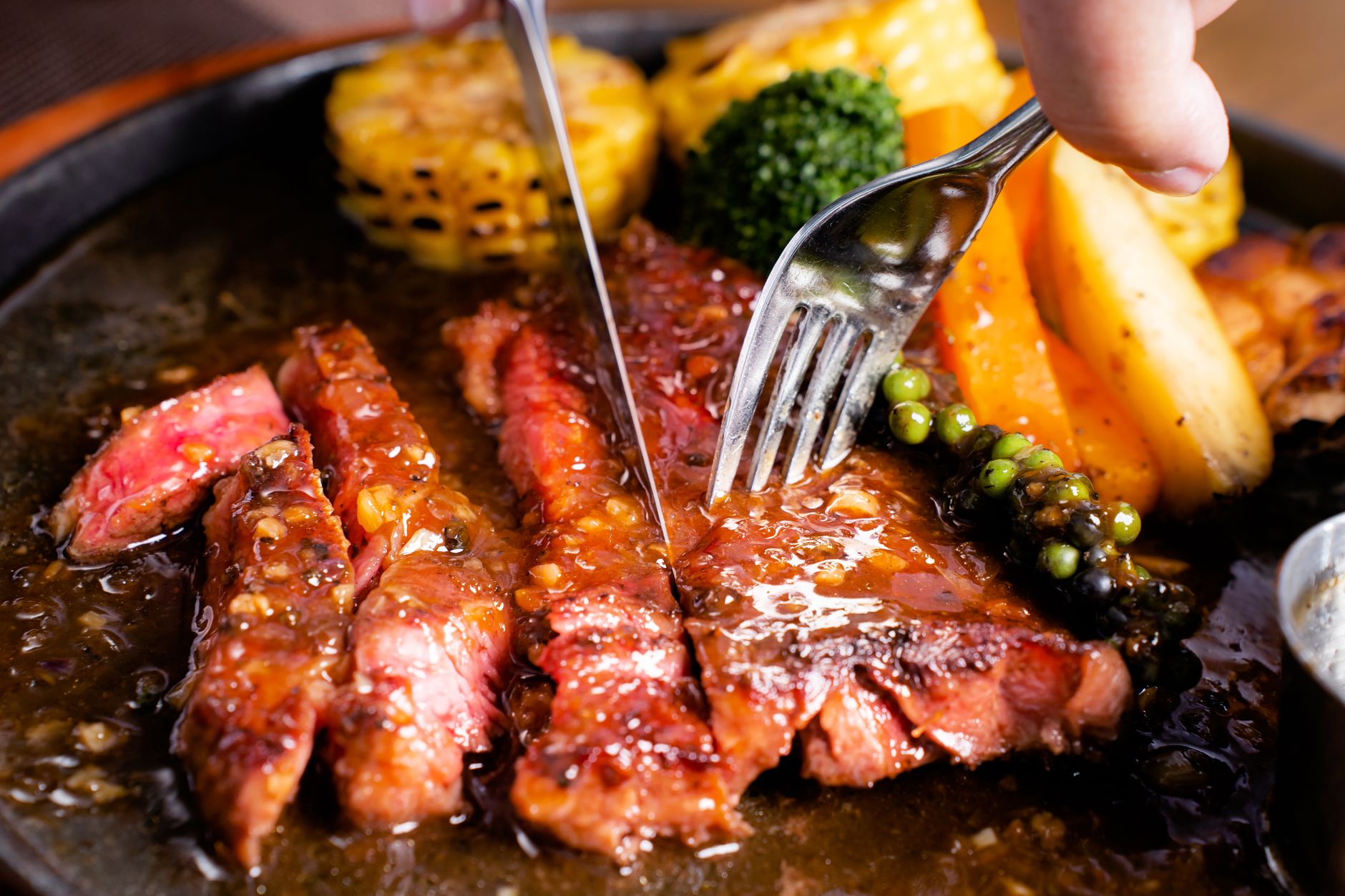
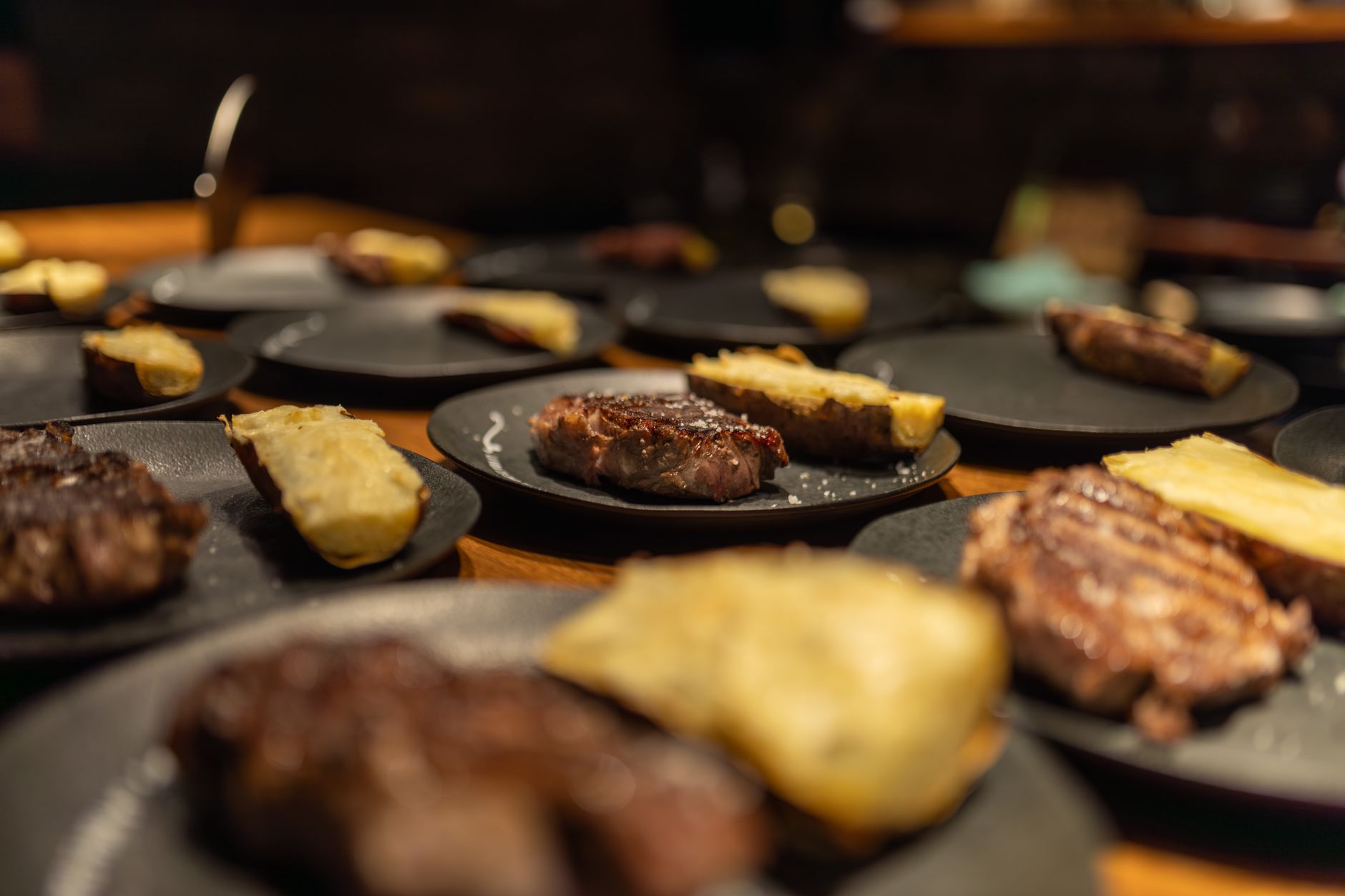
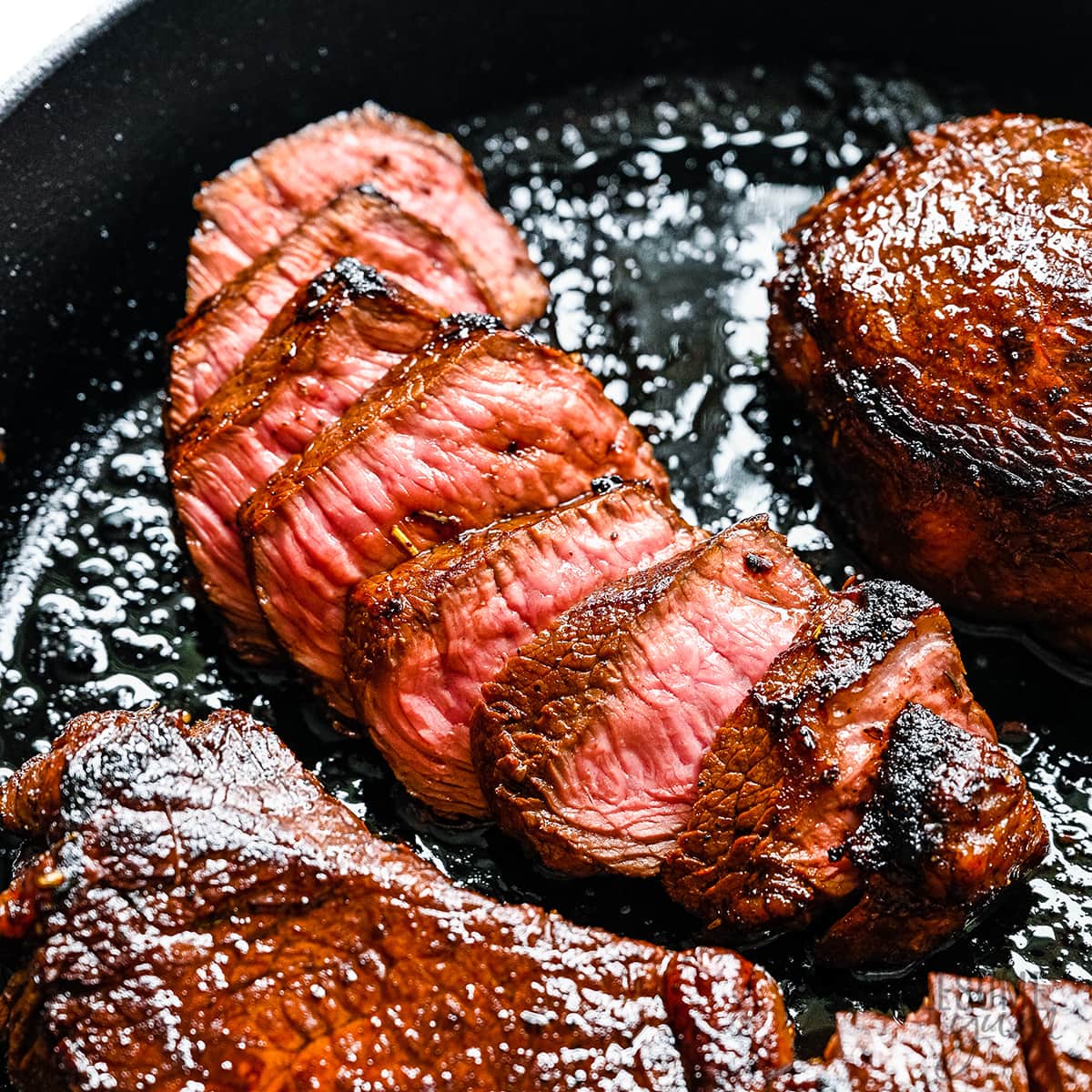
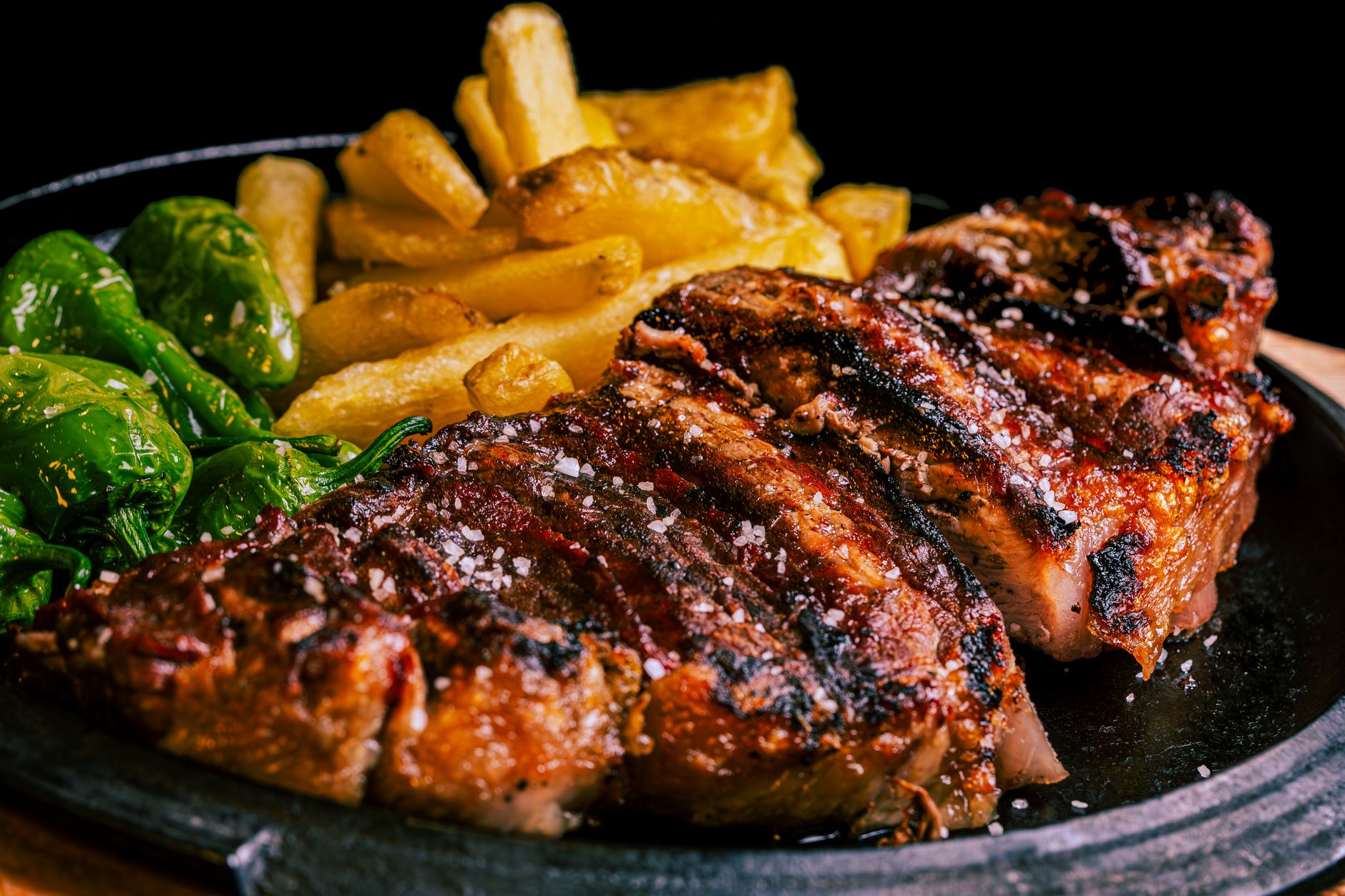
The irresistible aroma of a perfectly cooked beef tenderloin crusted with spicy horseradish awakens the senses. This dish combines tender, juicy beef with a crispy, flavorful crust that delivers a tangy punch. Horseradish-Crusted Beef Tenderloin offers a stunning centerpiece that’s both impressive and surprisingly easy to prepare. Whether it’s a holiday feast or a special dinner, the blend of creamy butter, fresh herbs, and horseradish creates a memorable taste experience you’ll want to savor again and again.
Health Benefits & Nutrition
Beef tenderloin is a rich source of high-quality protein, essential for muscle repair and immune function. It also provides important nutrients like iron and zinc, which help support energy levels and immune health. The horseradish coating adds more than just bold flavor; horseradish contains antioxidants and compounds like glucosinolates, which have been studied for their potential anti-inflammatory and antimicrobial benefits (Journal of Food Science, 2020). Moderation is key due to the saturated fat content from the butter, so enjoy this dish as part of a balanced diet. Pregnant women or those with thyroid conditions should consult health providers before consuming large amounts of horseradish due to its pungency and potential effects.
Ingredients & Preparation
Recipe Card
| Prep Time | Total Time | Servings | Calories | Diet Tags |
|---|---|---|---|---|
| 40 minutes | 10 hours 40 minutes (including chilling) | 8 | 825 kcal per serving | Gluten (breadcrumb), Dairy |
Full Ingredient List
- 1 whole beef tenderloin (4 to 4 ½ pounds), trimmed and tied
- Kosher salt and freshly ground black pepper
- ¾ cup fine breadcrumbs
- ⅓ cup prepared horseradish
- ¼ cup fresh Italian parsley, chopped
- 8 tablespoons unsalted butter, softened
- 3 sprigs fresh thyme
- 2 tablespoons extra-virgin olive oil
- 12 ounces cremini mushrooms, thinly sliced
- 2 cloves garlic, minced
- 1 shallot, minced
- 1 cup dry red wine
- 2 tablespoons cold unsalted butter (for sauce)
Equipment Needed
- Roasting pan
- Rack to fit inside roasting pan
- Instant-read thermometer
- Broiler-safe skillet or pan
- Small mixing bowl
- Kitchen twine
- Medium sauté pan
Tips for Choosing Quality Ingredients
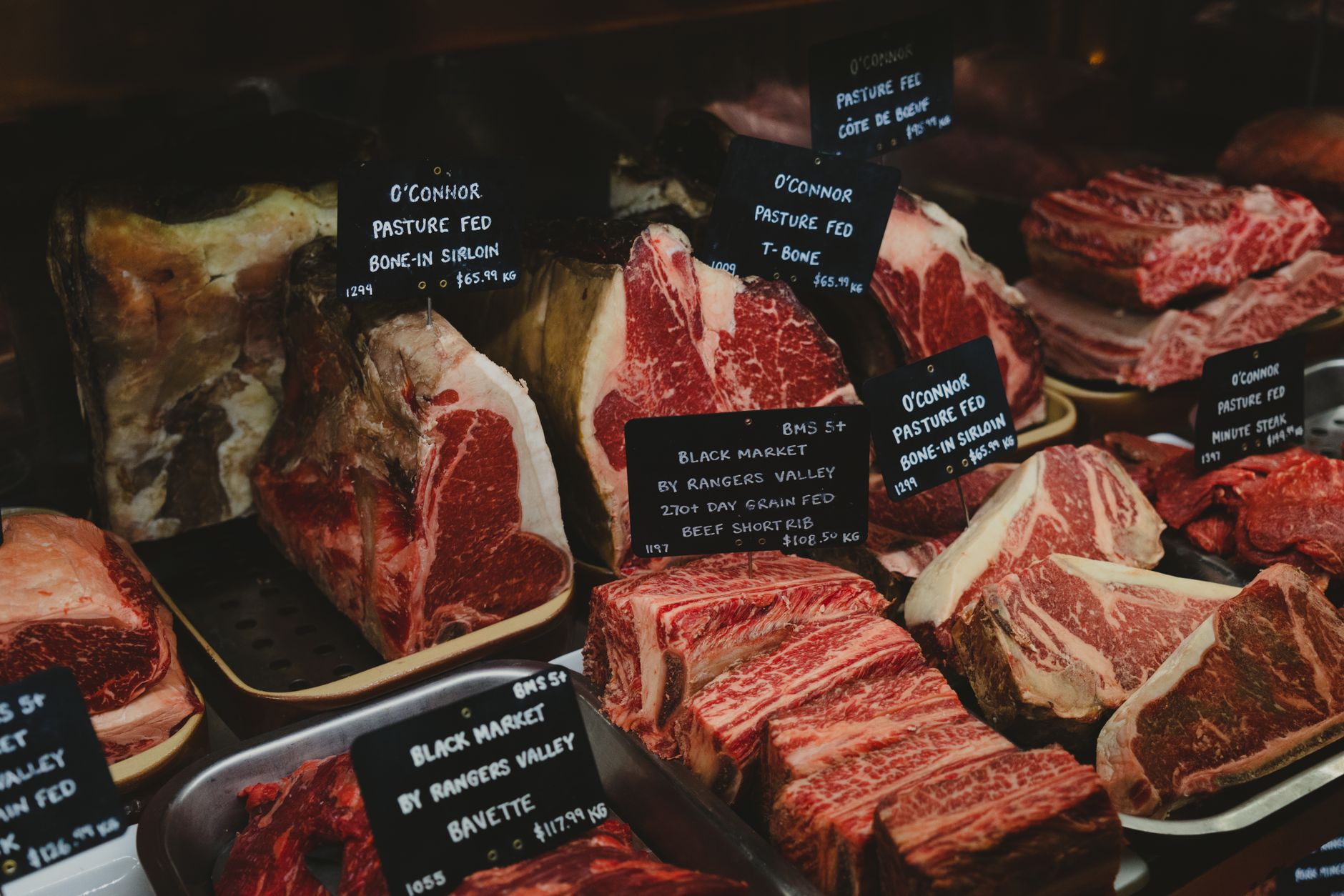
Select a beef tenderloin that’s evenly shaped for uniform cooking. Look for firm, bright red meat with minimal blemishes and a fine layer of marbling for tenderness. Fresh horseradish prepared from the refrigerated section offers a robust kick, but you can also grate fresh horseradish root if preferred. Use fresh parsley and thyme to brighten the flavor, and choose a dry red wine like Cabernet Sauvignon or Pinot Noir for the mushroom sauce to add depth and complexity.
Step-by-Step Instructions
Step 1: Prepare and Dry-Age the Tenderloin (Overnight)
Pat the beef tenderloin very dry with paper towels. Sprinkle kosher salt and fresh black pepper evenly on all sides. Place the tenderloin on a rack set in a foil-lined roasting pan. Leave uncovered in the refrigerator for 12 to 48 hours. This dry-aging step enhances flavor and texture.
Step 2: Slow Roast at Low Temperature (1.5 to 2 Hours)
Preheat your oven to 225°F (107°C). Place the aged tenderloin in the oven and roast until an instant-read thermometer inserted into the thickest part reads between 118°F to 120°F (48°C to 49°C), about 90 to 120 minutes. Begin checking after 60 minutes.
Step 3: Prepare the Horseradish Crust
Combine breadcrumbs, horseradish, chopped parsley, 4 tablespoons softened butter, and ¼ teaspoon salt in a bowl. Mix gently but thoroughly until just combined. Adjust seasoning to taste and set aside.
Step 4: Broil the Tenderloin with Butter and Herb Coating (5-7 Minutes)
Remove the tenderloin from the oven and untie the kitchen twine, keeping the meat in the pan. Move the oven rack 6 to 8 inches from the broiler and preheat it to high. In a skillet, melt the remaining 4 tablespoons butter over medium heat with fresh thyme sprigs until fragrant and slightly browned. Brush this golden butter over the tenderloin’s surface, discarding thyme sprigs afterward. Spread the horseradish breadcrumb mixture evenly on top. Broil the tenderloin for 5 to 7 minutes or until the crust is crisp and golden brown. Watch carefully to avoid burning.
Step 5: Rest and Slice
Allow the tenderloin to rest for 15 minutes to retain juices. Then, slice into generous portions and prepare for serving.
Step 6: Make the Red Wine Mushroom Sauce (Optional)
Heat olive oil in a sauté pan over medium heat. Add the sliced cremini mushrooms and sauté until browned, about 6 minutes. Season with salt, pepper, garlic, and shallot, sautéing another 2 minutes. Pour in the red wine, bring to a simmer, and reduce by half—approximately 8 to 10 minutes. Off heat, whisk in the cold butter for a rich, silky finish. Serve drizzled over the sliced tenderloin.

Variations & Substitutions
- Crust Alternatives: Swap horseradish for Dijon mustard for a creamy tang without added heat.
- Breadcrumb Options: Use panko for a lighter, crunchier crust or crushed cornflakes for a nutty twist.
- Herb Variations: Try fresh rosemary or tarragon instead of parsley and thyme to change the flavor profile.
- Wine Substitution: Use beef broth or pomegranate juice in the mushroom sauce if you prefer a non-alcoholic version.
Storage & Shelf Life
Store leftover horseradish-crusted beef tenderloin tightly wrapped in the refrigerator for up to 3 days. For best flavor, reheat gently in a low oven or covered skillet to avoid drying out the meat.
To freeze, slice the tenderloin first and store portions in airtight containers or vacuum-sealed bags for up to 2 months. Thaw overnight in the refrigerator before reheating.
Discard if there is any off smell, slimy texture, or discoloration indicating spoilage.
Pro Tips
- Dry-aging the tenderloin uncovered in the fridge concentrates its flavor and helps create a firmer crust.
- Using an instant-read thermometer ensures precise cooking—avoid overcooking by gently pulling the beef from the oven at 120°F before broiling.
- Brush the browned butter infused with thyme liberally; it enhances the crust’s flavor and adds moisture to the meat.
- Broiling is a quick method to crisp the crust, so watch the beef carefully to prevent burning or drying out.
- When making the mushroom sauce, allowing the wine to reduce concentrates its rich flavor and softens the sharpness of alcohol.
When is the best time to eat Horseradish Crusted Beef Tenderloin?
This dish shines during special occasions like holiday dinners or celebratory meals. Its impressive presentation and bold flavor make it perfect for gatherings where you want to impress without spending hours in the kitchen.
Can I prepare the horseradish crust ahead of time?
Yes, you can prepare the horseradish breadcrumb mixture up to a day in advance. Store it covered in the refrigerator and bring it to room temperature before applying to the tenderloin to ensure even browning.
Is this recipe suitable for gluten-free diets?
The traditional recipe contains fine breadcrumbs, which are not gluten-free. To adapt, substitute gluten-free breadcrumbs or crushed gluten-free crackers to maintain the crispy crust texture.
How do I ensure my tenderloin stays juicy?
Cooking the beef low and slow (225°F) and monitoring the internal temperature precisely keeps the meat tender and juicy. Resting after roasting allows juices to redistribute evenly.
Can I use fresh horseradish instead of prepared horseradish?
Fresh horseradish can be used for a more intense heat and flavor, but it’s best combined with a small amount of vinegar or lemon juice to balance its sharpness. Use cautiously as it’s more potent than prepared horseradish.
What wine pairs well with this dish?
A medium to full-bodied red wine like Cabernet Sauvignon, Merlot, or Pinot Noir pairs exceptionally well with the beef and complements the horseradish’s bold notes.
How should I slice the beef for serving?
Slice the tenderloin into thick medallions—about ¾ to 1 inch wide. This thickness keeps the meat juicy and allows the horseradish crust to provide a satisfying crunch.

More Recipes You Will Love
If you enjoy the rich flavors of beef with bold sauces, you might want to try our Beef Tenderloin with Quick Red Wine Pan Sauce. It offers a similar succulent center with a smooth, velvety sauce that elevates the meal.
For something with an exotic twist, check out our Authentic Thai Red Beef Curry Recipe. It brings Thai spices and coconut milk together for an exciting change of pace with tender beef.
Conclusion
Horseradish-Crusted Beef Tenderloin manages to be both elegant and approachable, delivering a tender roast with a golden, crispy tangy crust that awakens the palate. This recipe balances precise cooking with bold flavors, perfect for creating memorable meals at home. Give it a try, and don’t hesitate to share your thoughts or variations—you might inspire someone else’s next feast.
FAQs
When is the best time to eat Horseradish Crusted Beef Tenderloin?
Horseradish Crusted Beef Tenderloin is ideal for special occasions such as holiday dinners, celebrations, or weekend meals when you want to impress guests with a flavorful and elegant main course. It's best enjoyed freshly cooked to appreciate the tender beef and crisp crust.
How do I ensure the beef tenderloin stays moist and tender?
To keep the beef tender and juicy, dry-age it in the refrigerator uncovered for 12 to 48 hours to enhance flavor and texture, and roast it slowly at low temperatures until it reaches medium-rare. Using an instant-read thermometer helps avoid overcooking.
Can I prepare the horseradish crust in advance?
Yes, the horseradish crust mix can be prepared a few hours ahead and stored covered in the refrigerator. Just make sure it is brought to room temperature before applying to ensure even crusting and better flavor adherence.
What can I serve alongside Horseradish Crusted Beef Tenderloin?
This beef dish pairs well with roasted vegetables, creamy mashed potatoes, or a fresh green salad. The mushroom and red wine sauce is a classic accompaniment that complements the bold horseradish crust perfectly.
Are there any health considerations when eating horseradish?
While horseradish offers antioxidants and may have anti-inflammatory benefits, it’s pungent and can affect those with thyroid conditions or pregnant women. It’s best to consume it in moderation and consult a healthcare provider if you have concerns.