Why Homemade Mild Italian Sausage?
Imagine the sizzle and aroma of fresh sausage filling your kitchen—creamy, savory, with just the right hint of spice. Making homemade mild Italian sausage gives you full control over the flavors and quality, turning simple pork into something unforgettable. Unlike store-bought versions, crafting your own allows you to balance spices exactly how you like and avoid any unnecessary additives. This classic Italian staple, when prepared at home, creates juicy, tender links or patties perfect for pasta sauces, grilling, or breakfast. Dive into this recipe and savor the rich, earthy flavors that only freshly made sausage can deliver.
Health Benefits & Nutrition
While homemade mild Italian sausage is a flavorful treat, it also comes with nutritional perks. First, using well-marbled pork provides a good source of protein—essential for muscle repair and satiety. The spices like paprika and fennel seeds contain antioxidants which support overall health and reduce inflammation, according to studies published in the Journal of Agricultural and Food Chemistry. Garlic adds immune-boosting compounds with antimicrobial benefits. However, because sausage contains moderate fat and sodium levels, those with hypertension or certain allergies should enjoy it in moderation. Also, always ensure pork is cooked thoroughly to avoid foodborne illness risks.
Ingredients & Preparation
Recipe Card
| Prep Time | 45 minutes |
|---|---|
| Total Time | 8 hours 45 minutes (includes marinating) |
| Servings | 10 servings (about 3 lbs sausage) |
| Calories | 266 per serving |
| Diet Tags | Gluten-Free, Low-Carb |
Full Ingredient List
- 3 pounds well-marbled pork butt, cut into ½-inch pieces
- 3 tablespoons dry red wine
- 2 tablespoons minced garlic
- 1 tablespoon plus 1 ½ teaspoons paprika
- 1 ½ teaspoons toasted fennel seeds
- 1 tablespoon salt
- 1 tablespoon freshly cracked black pepper
- 1 teaspoon cayenne pepper
- ½ teaspoon ground anise
- 2 tablespoons freshly chopped Italian parsley leaves
- Pork casings (optional)
Equipment Needed
- Large mixing bowl
- Meat grinder with medium die or food processor
- Sausage stuffer attachment (if using casings)
- Sharp knife and cutting board
- Small skillet for seasoning test
Tips for Choosing Quality Ingredients
When selecting pork, opt for well-marbled pork butt for juicy and flavorful sausage. Fresh garlic and parsley ensure bright, clean flavor essential to traditional Italian sausage. Toast fennel seeds lightly to bring out their natural aroma before adding. Use high-quality dry red wine with robust flavor but avoid cooking wines with added salt or preservatives. If using sausage casings, rinse and soak them in warm water before stuffing for easier handling.
Step-by-Step Instructions
Step 1: Marinate the Pork
In a large mixing bowl, combine the 3 pounds of cubed pork, minced garlic, paprika, toasted fennel seeds, salt, black pepper, cayenne, ground anise, chopped Italian parsley, and red wine. Toss everything well to coat evenly. Cover the bowl tightly with plastic wrap and refrigerate overnight or up to 24 hours for flavors to deepen.
Step 2: Grind the Meat
Remove the pork mixture from the fridge. Using a meat grinder fitted with a medium die, grind the pork mixture once. If you don’t have a grinder, transfer the meat mix in two batches to a food processor and pulse until finely ground, about 30 seconds per batch. Keep the meat cold throughout to maintain texture.
Step 3: Test and Adjust Seasoning
Heat a small skillet over medium heat and add 1 teaspoon of oil. Drop in about 2 teaspoons of the ground sausage and cook for 3 to 4 minutes until browned. Taste and adjust seasonings as desired, adding salt or spice to balance the flavor.
Step 4: Stuff or Shape the Sausage
If using casings, fit the sausage stuffer attachment onto your mixer or sausage maker. Stuff the casing carefully, twisting every 4 inches to form links. Tie off the ends securely. Alternatively, shape the mixture into 3-inch patties.
Step 5: Cook the Sausage
Cook sausages over medium heat until fully cooked and browned, ensuring internal temperature reaches 150°F (65°C). Cooking time varies by thickness—usually 12 to 15 minutes on the stovetop or grill. Serve immediately or use in your favorite recipes.
Variations & Substitutions
- Spicy Italian Sausage: Increase cayenne pepper to 2 teaspoons and add 1 teaspoon crushed red pepper flakes for a bold kick.
- Turkey Italian Sausage: Substitute pork with ground turkey for a leaner option; add 2 tablespoons olive oil to maintain moisture.
- Herb-Infused Sausage: Mix in 1 tablespoon each of fresh rosemary and thyme with the parsley for an earthy herb twist.
- Alcohol-Free Version: Replace red wine with 3 tablespoons of chicken broth or pomegranate juice for depth without alcohol.
Storage & Shelf Life
Store uncooked homemade sausage wrapped tightly in plastic wrap or in an airtight container. Refrigerate for up to 3 days. For longer storage, freeze the sausages individually laid on a baking sheet before transferring to a freezer-safe bag; they’ll keep well for up to 3 months. When thawing, do so overnight in the refrigerator. Always discard sausage if you notice slimy texture, off-smell, or discoloration, which indicate spoilage.
Pro Tips
- Keep Meat Cold: Chill the meat and equipment before grinding to prevent fat melting, ensuring better texture and binding.
- Toast Spices: Lightly toast fennel seeds to release essential oils and deepen the flavor profile.
- Even Grinding: Use a consistent grind size to avoid dense or crumbly sausage texture.
- Handle Casings Gently: Soak casings in warm water, then rinse inside and out to prevent tearing during stuffing.
- Flavor Balance: Adjust salt and heat carefully after cooking a test patty to find your perfect balance.
When is the best time to eat Homemade Mild Italian Sausage?
Homemade mild Italian sausage shines fresh from the pan or grill when the flavors and juiciness are at their peak. It‘s perfect for breakfast, paired with eggs. It also elevates pasta dishes and sandwiches any time of day. Leftovers stored properly will still be flavorful within 3 days refrigerated.
Can I make homemade sausage without casings?
Yes, shaping the mixture into patties is an excellent option. They cook evenly and are easier to handle. This method works well for breakfast or sausage in pasta sauces.
Can I freeze homemade Italian sausage?
Absolutely. Freeze the sausage uncooked in airtight packaging for up to 3 months. Thaw overnight in the fridge before cooking to preserve texture and flavor.
How can I tell if my sausage is cooked fully?
Use a meat thermometer to check that sausages reach an internal temperature of 150°F (65°C). This ensures safety and juiciness without drying out.
What is the purpose of red wine in this recipe?
The dry red wine adds moisture and complexity, helping to tenderize the pork and enhance the overall depth of flavor subtly.
Is it safe to use pork casings?
Yes, pork casings are natural and edible. Make sure to rinse and soak them beforehand to reduce saltiness and improve flexibility.
Can I prepare a spicier version of this sausage?
Definitely. Increase cayenne pepper, add crushed red pepper flakes, or include chopped hot peppers to customize the heat level to your liking.
More Recipes You Will Love
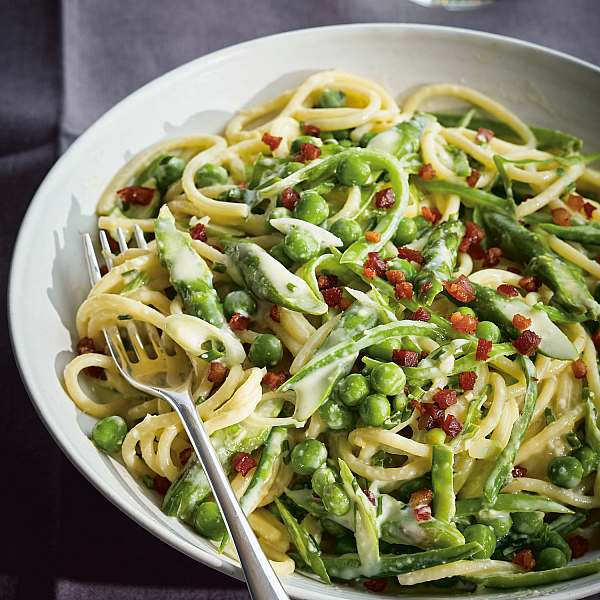
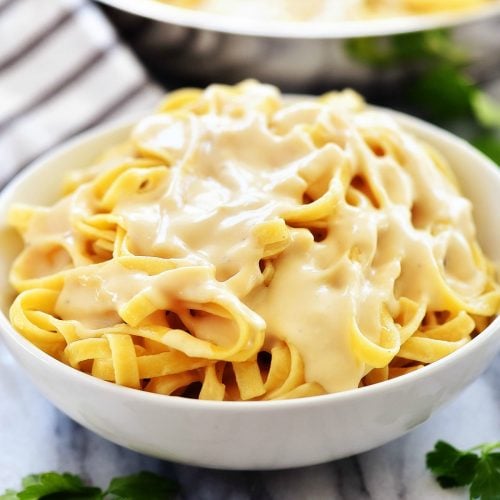
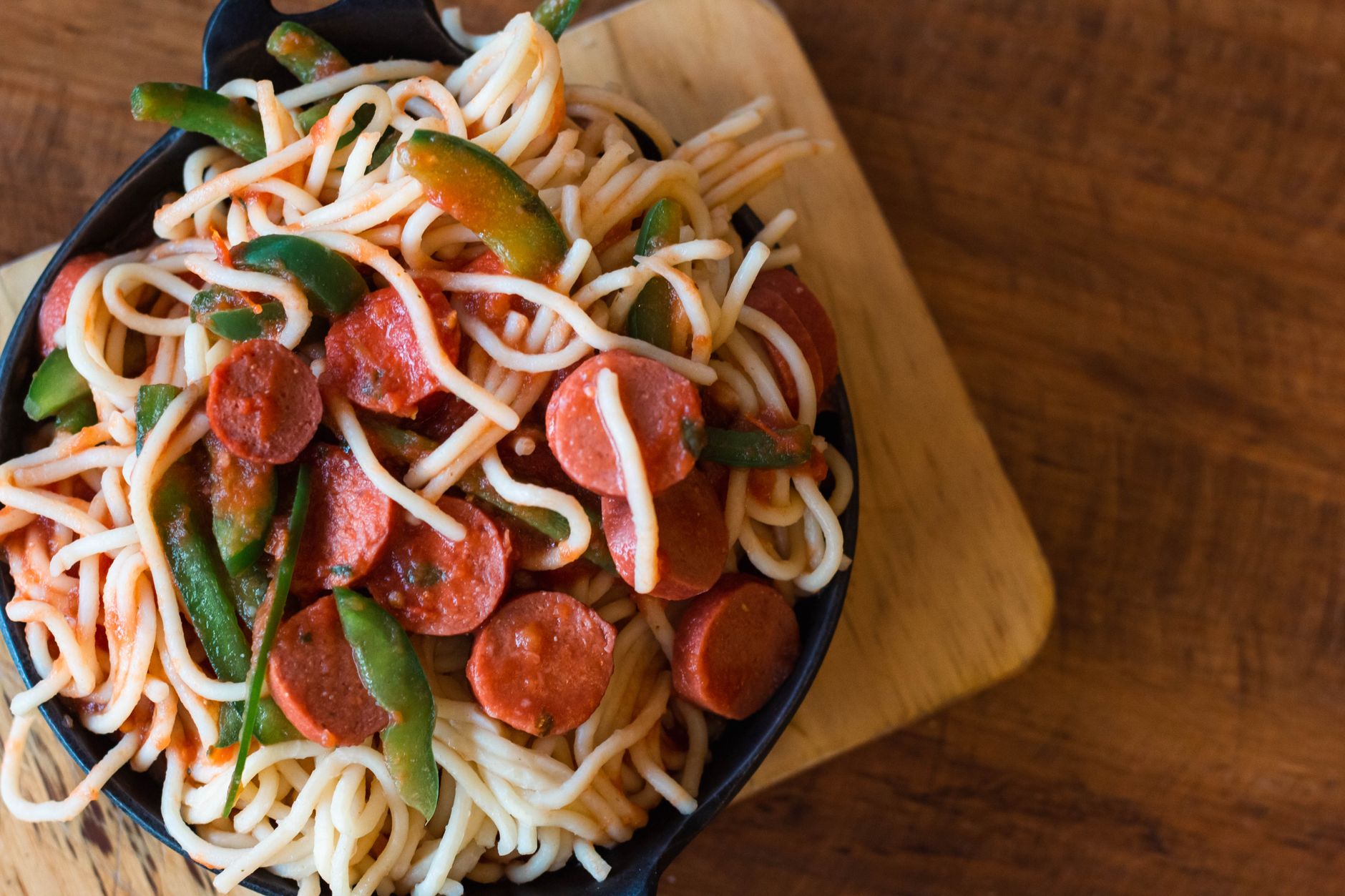
If you enjoy the rich flavors of homemade Italian sausage, you’ll appreciate the creamy, cheesy comforts of the Four cheese pasta cheesecake factory recipe. It pairs beautifully with sausage in a hearty meal. For another classic Italian favorite, try our Weeknight bolognese recipe 1924746, where fresh sausage adds depth and spice.

Conclusion
Making homemade mild Italian sausage lets you create a fresh, flavorful specialty that beats store-bought every time. From selecting quality pork to balancing rich spices and proper cooking, this recipe guides you to perfect sausage links or patties bursting with savory taste. Enjoy this Italian kitchen classic in your favorite dishes, and don’t hesitate to tailor the spices to suit your palate. We’d love to hear how your sausage turns out—feel free to leave a comment, rate the recipe, or share your tips!
FAQs
When is the best time to eat Homemade Mild Italian Sausage?
Homemade Mild Italian Sausage is perfect anytime you crave a flavorful protein. It’s especially great for breakfast, lunch, or dinner, whether grilled, added to pasta, or served alongside eggs.
Can I freeze Homemade Mild Italian Sausage?
Yes, homemade sausage freezes well. Wrap it tightly in plastic wrap or place in an airtight container and freeze for up to 3 months to maintain freshness and flavor.
How do I prevent the sausage from drying out while cooking?
Cook the sausage over medium heat and avoid overcooking. Using well-marbled pork helps keep it juicy, and adding a bit of moisture during preparation improves tenderness.
Is it necessary to use pork casings for this sausage recipe?
No, pork casings are optional. You can form the sausage mixture into patties or use a sausage stuffer with casings if you prefer traditional links.
Can I adjust the spice level to make it spicier?
Absolutely! Increase cayenne pepper or add chili flakes to taste if you want a spicier version. This recipe is flexible to suit your preferred heat level.