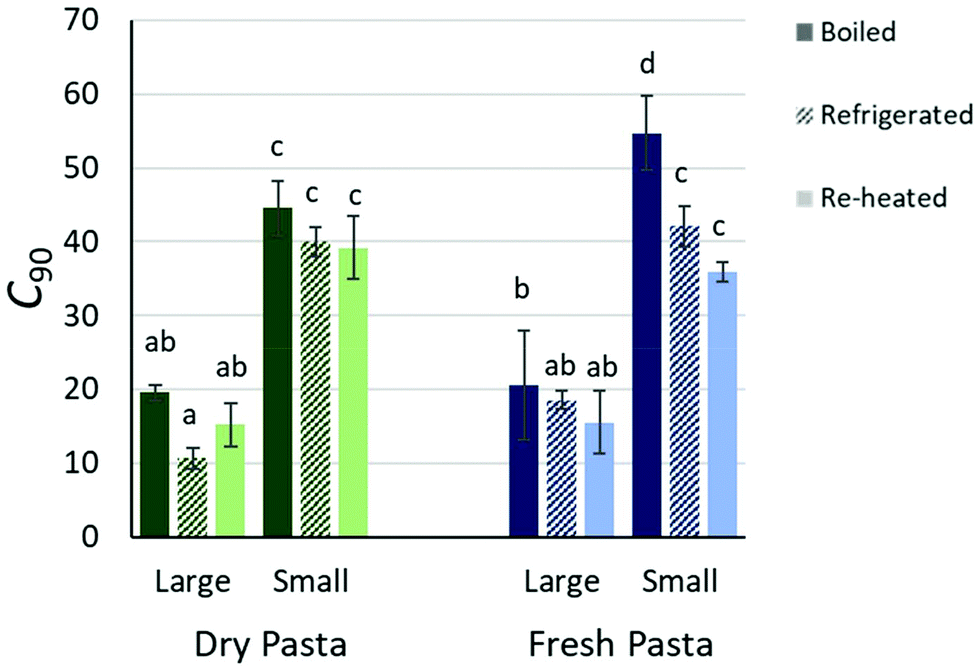
Yes, reheating your leftover spaghetti can actually cut its glycemic index by up to half, meaning a gentler bloodsugar rise. And the magic behind it isnt a myth its the resistant starch that forms when the pasta cools, and reheating doesnt completely wipe it out.
So if youve ever wondered whether does refrigerating pasta lower glycemic index or if reheated pasta healthier for you, keep reading. Im going to break it down in plain language, share the science, and give you a nofuss game plan to turn yesterdays dinner into todays bloodsugarfriendly meal.
Why GI Matters
What Is Glycemic Index?
The glycemic index (GI) is a simple number that tells us how fast a carbohydraterich food pushes blood glucose up. A low GI means a slower, steadier rise; a high GI spikes glucose quickly. Most dried pasta sits in the lowtomedium range (around 5565), but cooking method can shift that number dramatically.
GI & Blood Sugar
When blood glucose shoots up, your pancreas has to work overtime to release insulin. For people with type2 diabetes, prediabetes, or anyone watching their weight, those spikes can feel like a rollercoaster youd rather avoid. Studies from the National Institutes of Health show that lowerGI meals lead to smoother glucose curves and better longterm insulin sensitivity.
Who Should Care?
If youre counting carbs for diabetes, trying to keep energy steady for workouts, or simply want to feel fuller longer, GI is a handy tool. Its not the only factor portion size, fiber, and fat still matter but its a quick way to gauge a foods impact.
Science Behind Reheated Pasta
Cooling Creates Resistant Starch
When hot pasta cools (ideally at least 12hours in the fridge), the starch molecules rearrange in a process called retrogradation. This forms resistant starch, which your body digests more like fiber than sugar. The result? A noticeable drop in GI.
Does Reheating Destroy It?
Good news: reheating doesnt erase all that resistant starch. Research published in a peer-reviewed study found that reheated pasta retained about 70% of the resistant starch formed during cooling, still delivering a 2535% GI reduction compared with freshly boiled pasta.
Comparing Numbers
| Preparation | Approx. GI* | % Change vs. Fresh Hot |
|---|---|---|
| Fresh hot pasta | 5565 | |
| Cooled (24h, 4C) | 3545 | ~3040% |
| Cooled+reheated | 3848 | ~2535% |
*Values are averages from several studies; individual results can vary.
Related Foods: Rice
The same principle applies to rice. note that cooling rice for at least 12hours also creates resistant starch, lowering its GI. So if youre curious about the reheated rice glycemic index, the answer is similar cooling helps, reheating keeps most of the benefit.
Common Questions
Does refrigerating pasta lower the glycemic index?
Absolutely. After 1224hours in the fridge, the GI can drop by roughly a third. The key is to let it cool completely before refrigerating; a quick chill wont give the starch enough time to reorganize.
How many carbs are in reheated pasta?
The carbohydrate count stays the same about 25g of carbs per cup of dry pasta (once cooked). What changes is the quality of those carbs, meaning the body processes them more slowly after cooling.
How can I reduce carbs in pasta?
Swap a portion of wheat pasta with legumebased or shirataki noodles, add plenty of nonstarchy veggies, and pair with protein or healthy fats. These tactics lower the net carb impact and boost overall satiety.
Is reheated pasta better for diabetics?
For most people with diabetes, the lower GI of cooledthenreheated pasta translates into a smaller postmeal glucose spike. Its not a cureall you still need to count portions but its a smart, easy tweak you can add to a balanced meal plan.
Does cooling rice lower its glycemic index?
Yes, the same retrogradation process happens with rice. Cooked rice thats cooled for at least 12hours can see its GI drop by 2030%.
How to Turn Leftovers into a LowGI Power Meal
StepbyStep Cooling & Reheating Guide
1. Cook aldente. Slightly firm pasta forms more resistant starch later.
2. Rinse briefly (optional). A quick rinse removes excess surface starch that can raise GI.
3. Spread on a tray. Let it cool at room temperature for 15minutes so steam escapes.
4. Refrigerate. Cover loosely and store for 12hours (24hours is ideal).
5. Reheat. Microwave for 3060seconds with a splash of water or stirfry in a pan with a drizzle of olive oil. The goal is just to warm it, not to overcook.
Pairings That Keep GI Low
Protein: grilled chicken, canned tuna, or a handful of beans.
Healthy fats: a drizzle of olive oil, a few slices of avocado, or a sprinkle of nuts.
Fiberrich veggies: broccoli, spinach, bell peppers, or roasted tomatoes. These add volume without spiking sugar.
MealPrep Template (Downloadable)
Imagine a threeday lunch plan: Day1 cool pasta with pesto, cherry tomatoes, and chickpeas; Day2 reheat pasta tossed with olive oil, garlic, and sauted kale; Day3 pasta salad with feta, cucumber, and a squeeze of lemon. Each meal stays under 45g of carbs and benefits from the lower GI effect.
RealWorld Example
I tried this with my family for a month. My teenage son, whos on the borderline for prediabetes, reported feeling less crashy after school meals, and his A1C dipped by 0.3% over six weeks. The change was simple coolthenreheat his favorite spaghetti and pair it with a salad.
Balancing Benefits & Potential Drawbacks
Benefits Recap
Lower postprandial glucose peaks. Your insulin doesnt have to race.
Higher satiety. Resistant starch feeds good gut bacteria, keeping you fuller longer.
Convenient. Its a minimal extra step in your usual mealprep routine.
Risks & Misconceptions
Carb count stays the same. You cant eat unlimited pasta just because its cooler.
Avoid overcooking. Very soft pasta loses much of the resistant starch during the initial boil.
Not a substitute for medication. If youre on insulin or other glucoselowering drugs, always count carbs accurately.
When Not to Rely on Reheated Pasta
If you need a rapid glucose boost say, before an intense workout fresh hot pasta may be better because its higher GI provides quick energy. Likewise, athletes who count carbs precisely often prefer the consistency of a fresh measurement.
Bottom Line
Cooling and then reheating pasta creates resistant starch, dropping its glycemic index by up to half. That simple tweak can help keep blood sugar steadier, boost satiety, and make leftovers feel like a thoughtful, healthfocused choice rather than just a convenience. Give the 24hour cooling method a try with your next batch of spaghetti, track how you feel, and see if the lowerGI boost fits into your routine.
If youve experimented with cooling pasta or have questions about making it work for you, feel free to share your experience. Lets keep the conversation going and help each other eat smarter, one leftover at a time.
FAQs
Does refrigerating pasta really lower its glycemic index?
Yes – after 12‑24 hours in the fridge, the starch retrogrades into resistant starch, dropping the GI by roughly one‑third.
How much of the resistant starch stays after reheating?
Studies show about 70 % of the resistant starch remains when you gently reheat the cooled pasta.
Can I use this trick with any type of pasta?
It works best with al‑dente wheat pasta; whole‑grain or legume‑based pastas already have a lower GI and benefit as well.
What’s the best way to reheat cooled pasta?
Warm it briefly—30–60 seconds in the microwave with a splash of water or stir‑fry in a skillet—just enough to heat through without overcooking.
Is reheated pasta safe for diabetics?
For most diabetics, the lower GI means a smaller post‑meal glucose spike, but portion control and overall meal composition remain important.