Imagine the velvety, creamy texture of homemade ice cream, but without the fuss of eggsand made effortlessly with your ice cream machine. This homemade ice cream (no eggs with machine) recipe delivers rich flavor and smooth consistency, perfect for warm nights or anytime you crave a cool, indulgent treat. Youll love how simple ingredients and your trusty machine combine to create a luxurious frozen delight, all egg-free and wonderfully creamy.
Why This Recipe Works
What makes this egg-free base creamy without eggs?
Eggs traditionally stabilize ice cream, giving it a custard-like richness. This recipe skips eggs but keeps creaminess by relying on heavy cream and sweetened condensed milk. The condensed milk adds both sweetness and body, making the texture luscious and dense without the need to cook a custard. Meanwhile, the creams fat content forms those silky fat crystals that coat your palate beautifully.
How does using an ice cream machine improve texture and churn?
Churning is critical. Your ice cream machine continuously stirs the base while freezing, trapping air (called overrun) and preventing large ice crystals from forming. This results in a smooth, creamy texture that scoops perfectly. Without churning, homemade ice cream often freezes too hard and icy. The machine makes the difference between ice shards and indulgent softness.
Why sweetened condensed milk boosts flavor and ease
Sweetened condensed milk is a game changer. Its thick, sweet nature helps freeze the mixture to a creamy finish while adding a rich caramel note beneath the vanilla. Since its pre-sweetened and pasteurized, it removes the need for egg tempering or cooking your base, speeding up preparation without sacrificing taste.
Ingredients Youll Need
| Prep time | Total time | Servings | Calories | Diet tags |
|---|---|---|---|---|
| 10 minutes | 4 hours (including chilling/freezing) | 6 | 250 kcal per serving | Vegetarian, Egg-Free |
- 2 cups heavy cream (cold)
- 1 (14 oz) can sweetened condensed milk
- 1 teaspoons pure vanilla extract
- Pinch of fine sea salt (optional, to enhance sweetness)
Common substitutions
| Ingredient | Substitution | Notes |
|---|---|---|
| Heavy cream | Full-fat coconut cream (for dairy-free) | Chill well for best whipping and texture |
| Sweetened condensed milk | Evaporated milk + cup sugar, simmered to reduce (for homemade) | Longer prep, but similar sweetness and thickness |
| Vanilla extract | Almond extract or maple syrup | Adjust quantity; almond is stronger, maple adds subtle sweetness |
Using quality ingredientsespecially fresh cream and pure vanillamakes a noticeable difference in your ice creams depth of flavor and texture. If you prefer a vegan or dairy-free recipe, swapping the dairy cream for chilled coconut cream and using sweetened condensed coconut milk works well but expect slightly different textures and flavors.
Step-by-Step Instructions
How to prepare the ice cream base
- In a large mixing bowl, pour 2 cups of cold heavy cream.
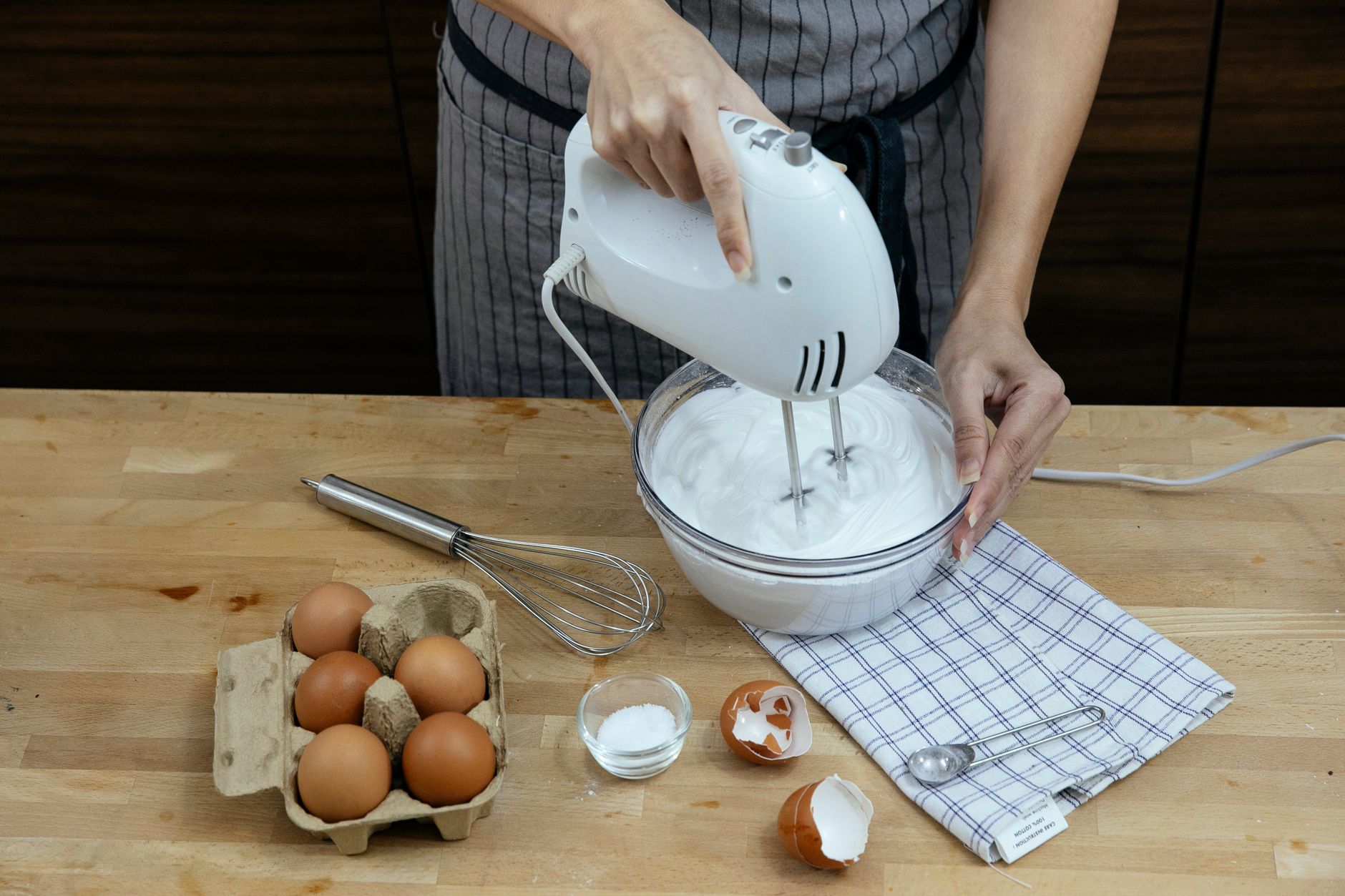
- Whip using an electric mixer on medium-high speed for exactly 3 minutes until soft peaks formdo not over-whip.
- Gently fold in 1 can of sweetened condensed milk and 1 teaspoons of vanilla extract, along with a pinch of sea salt.
- Continue folding until fully combined but still airydo not mix aggressively or you will lose volume.
- Cover the mixture and chill in the refrigerator for at least 2 hours to enhance thickening.
How to operate the ice cream machine
- Pour the chilled base into your ice cream makers bowl set to the manufacturers recommended freezing setting.
- Churn for 2530 minutes. Look for a creamy consistency that thickens and pulls away from the sides but remains soft enough to scoop directly.
- Transfer the churned ice cream into an airtight container for at least 1 hour in the freezer to firm up.
Common mistakes and fixes
- Too soft: Your freezer may be too warm or the churn time was too short. Chill the bowl for at least 12 hours before use and let the ice cream freeze for at least 1 hour after churning.
- Icy texture: Make sure not to skip chilling the base before churning. The cold base freezes better and reduces ice crystals.
With these clear steps, your machine does the hard work while you enjoy creamy results faster than traditional custard recipes.
Variations and Dietary Swaps
How to adjust the recipe for vegan or dairy-free versions
Swap heavy cream with full-fat canned coconut cream, chilled overnight. Use sweetened condensed coconut milk in place of regular condensed milk. The coconut flavor adds a subtle tropical note, and thick fat content mimics dairy cream very well. Vanilla extract stays the same. The texture may be slightly softer but still delightfully creamy.
Can you make this ice cream without a machine?
If you dont own an ice cream maker, no worries. Pour the mixture into a shallow metal pan. Freeze for 45 minutes, then stir vigorously with a fork or hand mixer to break up ice crystals. Repeat this stirring every 30 minutes for 23 hours until thickened and creamy. Though the texture will be less airy than churned ice cream, this method works well for an egg-free, no-machine treat similar to vanilla ice cream without condensed milk and egg.
Flavor variations and mix-in ideas
Try adding cup unsweetened cocoa powder to the base for chocolate ice cream. For fruit lovers, swirl in cup raspberry or mango puree during the last 5 minutes of churning. Mix-ins like mini chocolate chips, toasted nuts, or crushed cookies can be folded in after churning but before freezer firming.

Serving Suggestions
Easy crowd-pleasing serving ideas
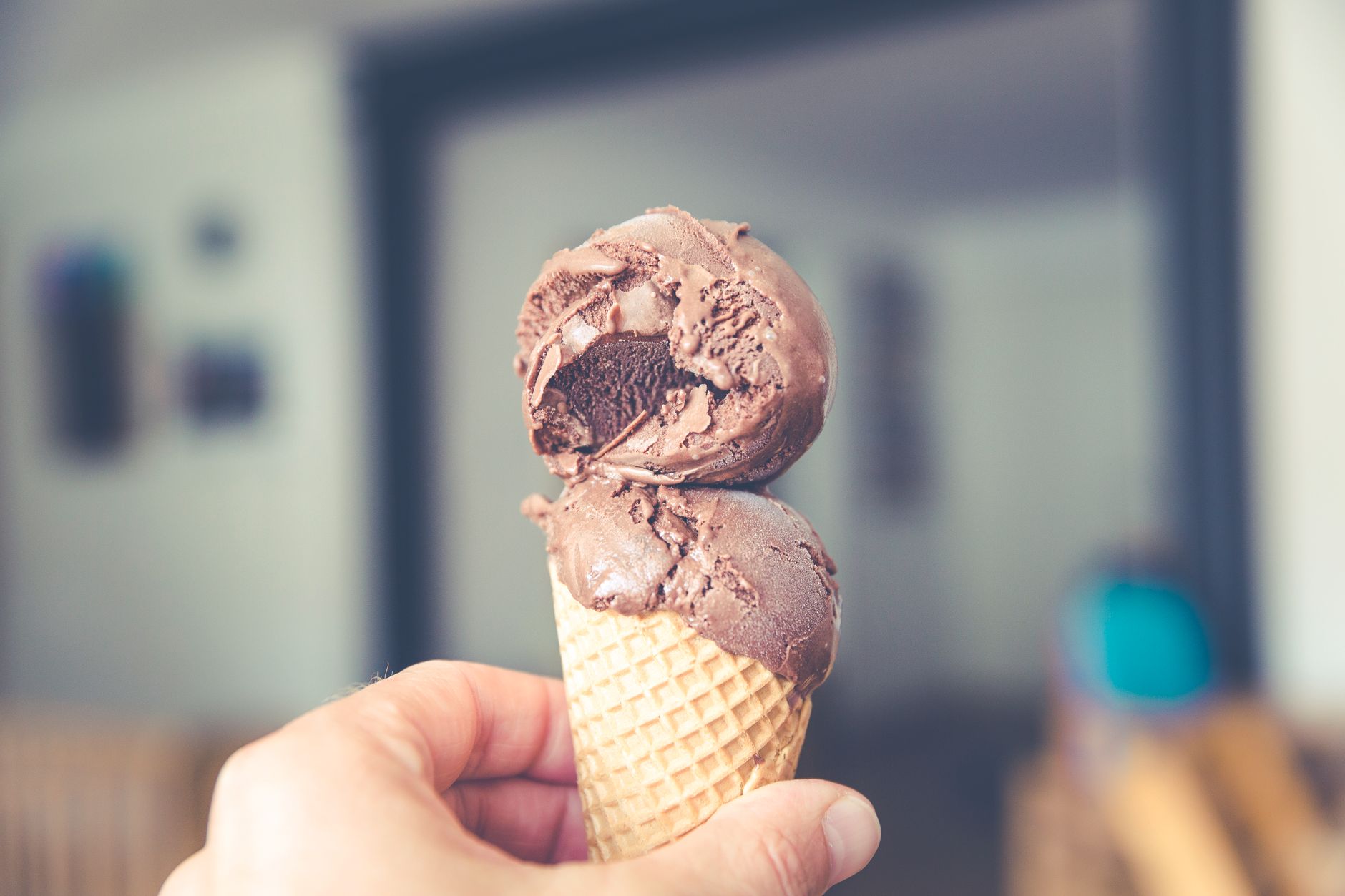
- Scoop into waffle cones for a classic summer vibe.
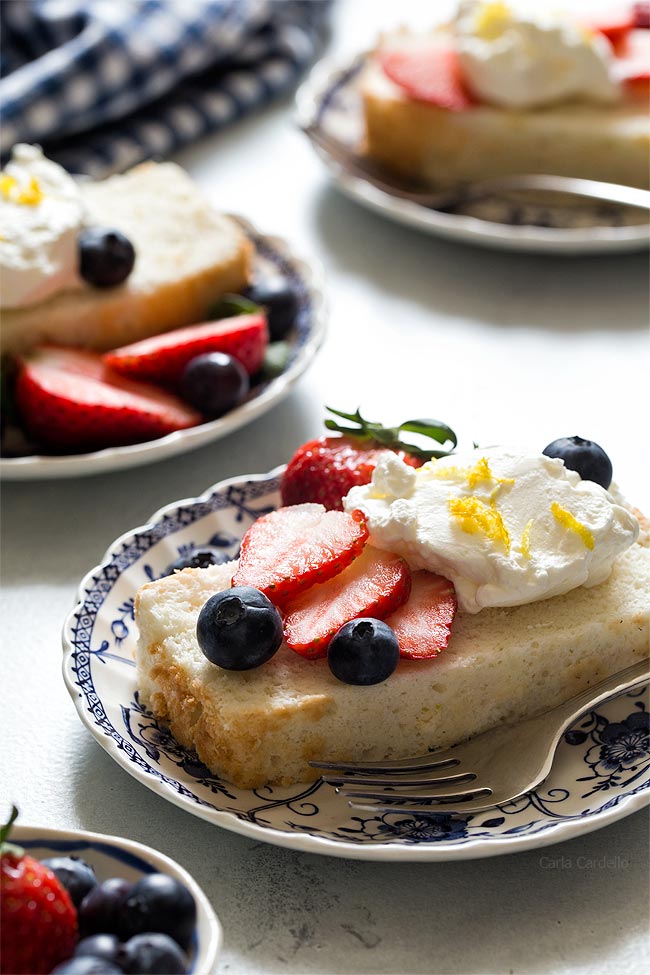
- Top with fresh berries and a drizzle of warm caramel or chocolate sauce.
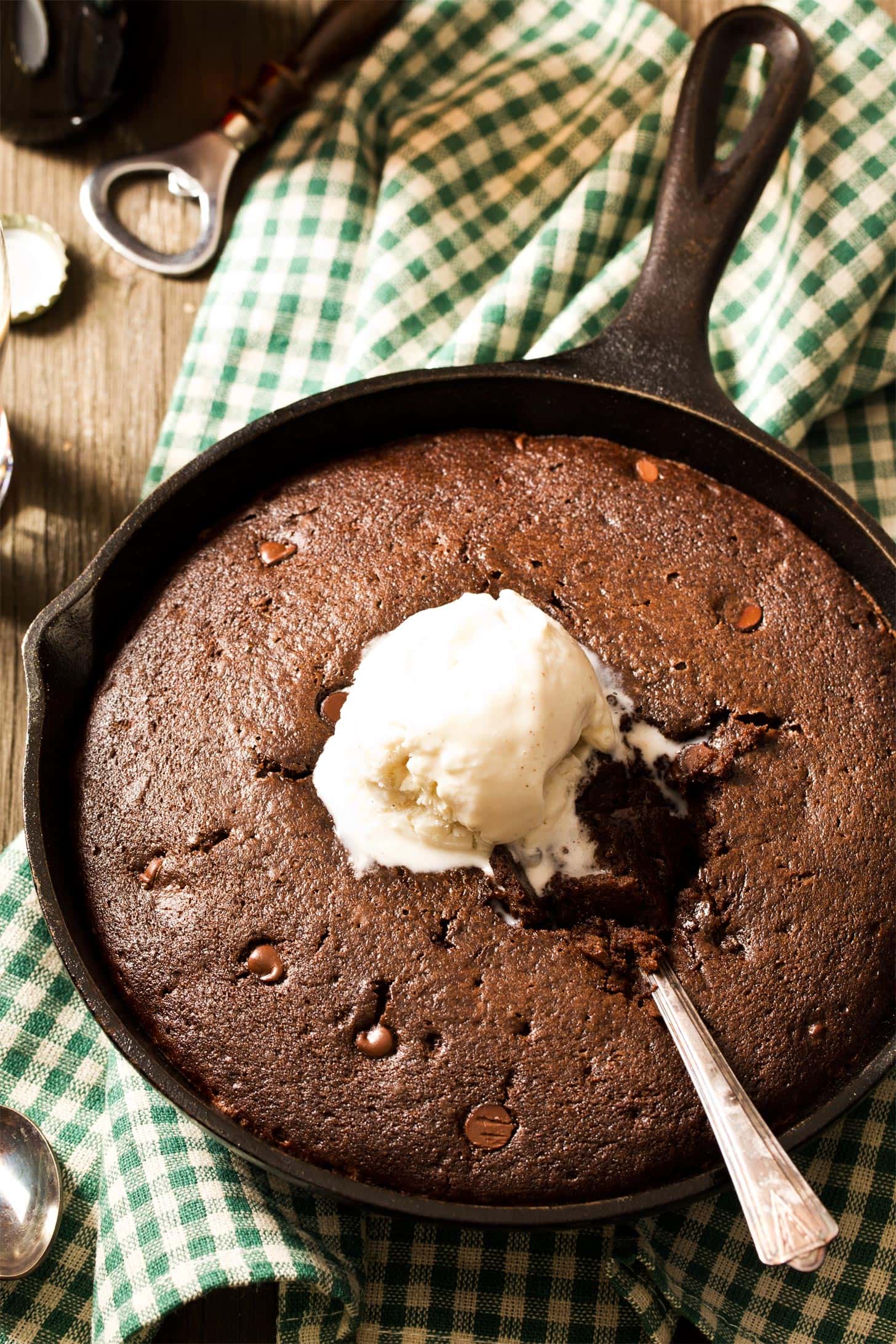
- Serve alongside a slice of warm pie or brownie for a melt-in-your-mouth combo.
Best toppings and pairings
- Chopped pecans or toasted coconut flakes for crunch.
- Sea salt flakes over chocolate or caramel flavors to balance sweetness.
- Simple whipped cream and a sprinkle of cinnamon or nutmeg for cozy warmth.
Portion and presentation tips
Use an ice cream scoop wetted with warm water for perfectly rounded, clean scoops. Serve in chilled bowls to slow melting. For small party servings, mini cones or dessert glasses layered with crushed cookies and ice cream create stunning parfaits.
Storage and Make-Ahead Tips
Freezing and storing ice cream
Store homemade ice cream in an airtight container with a tight-fitting lid. Press a piece of parchment paper or plastic wrap directly on the ice cream surface before sealing to prevent freezer burn. Freeze at 0F (-18C) or colder.
Make ahead timing
You can prepare the base up to 24 hours ahead and keep it chilled in the refrigerator. After churning, store ice cream in the freezer for up to 2 weeks for optimum flavor and texture. Avoid longer storage to prevent ice crystal formation.
Thawing and softening tips
Removed from the freezer, let the ice cream sit at room temperature for exactly 5 minutes before scooping. This softens it enough without melting. If too hard, place the container in the refrigerator for 30 minutes for gradual softening.
Troubleshooting and Pro Tips
What to do if ice cream is icy instead of creamy?
- Ensure the base is well chilled before churning; warm mixtures create larger ice crystals.
- Do not skip the churning processproper aeration breaks up ice crystals and improves creaminess.
- Consider adding 1 tablespoon of vodka or liqueur (optional) to lower freeze point and soften texture.
How to fix overly soft or runny ice cream
- Check that your ice cream makers bowl is fully frozen (ideally 12+ hours) for optimal freezing.
- Freeze churned ice cream in the coldest part of the freezer for at least 1 hour before serving.
- Reduce any liquid flavor add-ins slightly if they seem to thin the base excessively.
Why does the machine sometimes struggle with no-egg recipes?
No-egg bases lack the natural emulsifiers from egg yolks, which help bind fat and water. This can cause churning to take longer or the mixture to separate slightly during freezing. Using sweetened condensed milk compensates for this by adding sugars and stabilizers. Freezing the bowl thoroughly and chilling the base can help machines work more efficiently.
Frequently Asked Questions
When is the best time to eat homemade ice cream (no eggs with machine)?
Homemade ice cream is best enjoyed within the first two weeks after freezing to savor its creamy texture and fresh flavors. Serve it shortly after softening for ideal scoopability. Summer evenings or special celebrations make it particularly delightful.
Can I make creamy ice cream without eggs and still use a machine?
Absolutely! Using a combination of heavy cream and sweetened condensed milk creates a rich base that churns beautifully in an ice cream machine. This egg-free method simplifies preparation while still achieving a smooth, creamy texture.
Is sweetened condensed milk necessary for no-egg ice cream recipes?
While not absolutely necessary, sweetened condensed milk greatly enhances texture and sweetness without cooking. It helps reduce iciness and improves freeze consistency, making it a convenient ingredient in many no-egg homemade ice cream recipes.
How long does homemade egg-free ice cream last in the freezer?
Stored properly in an airtight container, homemade egg-free ice cream stays fresh and creamy for up to two weeks. Beyond that, ice crystals may develop, altering texture and flavor.
Can I use a KitchenAid or Cuisinart ice cream maker for this recipe?
Yes, this recipe works well with most standard ice cream machines, including KitchenAid and Cuisinart. Just be sure to freeze the bowl thoroughly (usually overnight) and follow your machine‘s recommended churn times for best results.
Are there commercial no-egg ice cream brands comparable to homemade?
Some commercial brands offer egg-free ice cream varieties, but homemade versions typically have fresher flavor and less stabilizers or preservatives. Making it yourself allows full control over sweetness and ingredients.
Can I add alcohol to this no-egg ice cream?
Yes, adding a tablespoon of vodka or flavored liquor can soften the ice cream and deepen flavor. However, too much alcohol lowers freezing point excessively and results in a soft, almost slushy texture.
More Recipes Youll Enjoy
For a savory main course to impress at your next dinner, try this Jamaican jerk pork loin recipe 1942235 with bold spices and juicy meat.
If you want something fresh and crunchy on the side, the Spicy cucumber salad 19368578 offers a tangy, cooling contrast to richer dishes.
Wrap-Up
Making homemade ice cream (no eggs with machine) is surprisingly simple and satisfying. With just a few ingredients and your ice cream maker, you get a luscious, creamy dessert thats perfect any time. Save this recipe, try out your favorite flavors, and share your resultstheres nothing better than enjoying homemade ice cream with friends or family on hand. Feel free to leave a comment below if you have questions or want to share your favorite additions!
FAQs
When is the best time to eat homemade ice cream (no eggs with machine)?
Homemade ice cream (no eggs with machine) is best enjoyed within two weeks after freezing to maintain its creamy texture and fresh flavor. Serving it shortly after softening ensures ideal scoopability. It’s especially delightful on warm summer evenings or during special celebrations.
Can I make creamy ice cream without eggs and still use a machine?
Yes! This recipe uses heavy cream and sweetened condensed milk to create a rich, creamy base that churns perfectly in an ice cream machine. It simplifies the process while delivering a smooth, custard-like texture without eggs.
Is sweetened condensed milk necessary for no-egg ice cream recipes?
While not absolutely required, sweetened condensed milk greatly improves texture and sweetness without cooking. It reduces iciness and helps provide a smooth, creamy consistency, making it a common ingredient in egg-free homemade ice cream recipes.
How long does homemade egg-free ice cream last in the freezer?
When stored properly in an airtight container, homemade egg-free ice cream can stay fresh and creamy for up to two weeks. Beyond that, ice crystals may form, affecting the texture and flavor negatively.
Can I use a KitchenAid or Cuisinart ice cream maker for this recipe?
Absolutely. This recipe works well with most standard ice cream machines like KitchenAid and Cuisinart. Ensure the bowl is fully frozen (generally overnight) and follow your machine’s recommended churn times for the best creamy results.