Why Hibiscus Tea Recipe?
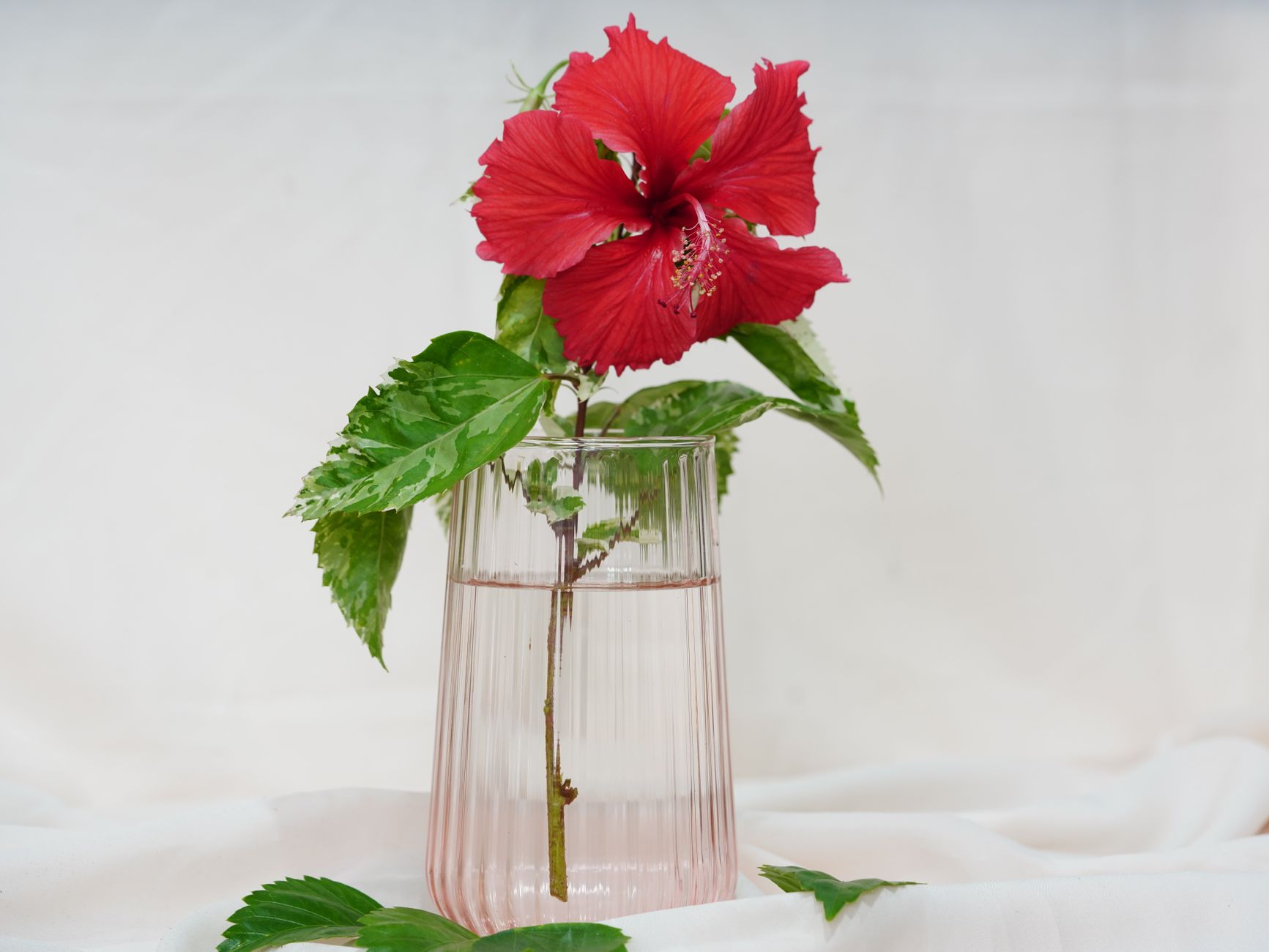
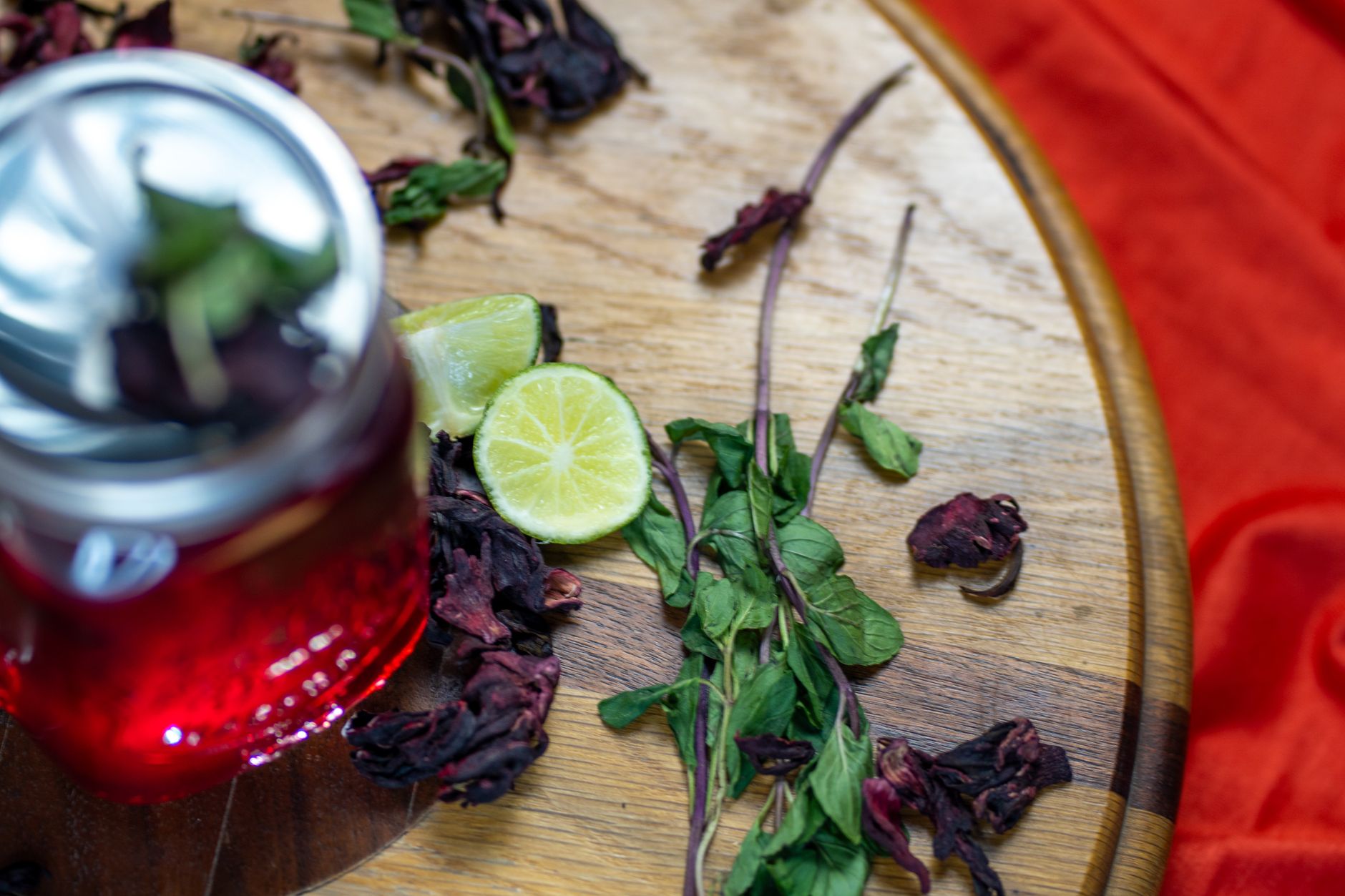
Imagine a vibrant, ruby-red infusion that sparkles with a tangy, fruity flavor and a crisp, floral aroma. Hibiscus tea is more than just a refreshing beverage; it‘s a sensory delight that invigorates your palate and leaves a subtle, pleasantly tart finish. This Hibiscus Tea Recipe brings out the bold, natural flavors of dried hibiscus flowers, balanced with warming cinnamon and bright citrus notes. Whether served iced or hot, this steeped drink is easy to make and offers a delightful way to enjoy a soothing yet lively cup any time of year.
Health Benefits & Nutrition
Hibiscus tea is packed with antioxidants, which help protect your body from free radicals and oxidative stress. Studies published in the Journal of Nutrition show that hibiscus extracts may promote healthy blood pressure levels and support heart health. Its natural vitamin C content boosts immunity, while its anti-inflammatory properties can aid digestion and soothe discomfort. However, if you‘re pregnant or taking blood pressure medications, consult your healthcare provider before adding hibiscus tea to your routine, as it may interact with certain treatments.
Ingredients & Preparation
Recipe Card
| Prep Time | 5 minutes |
|---|---|
| Steeping Time | 20 minutes |
| Cooking Time | 10 minutes |
| Total Time | 35 minutes |
| Servings | 6 to 8 |
| Calories (per serving) | 22 |
| Diet Tags | Vegan, Gluten-Free, Low Fat |
Full Ingredient List
- 48 ounces (6 cups) water
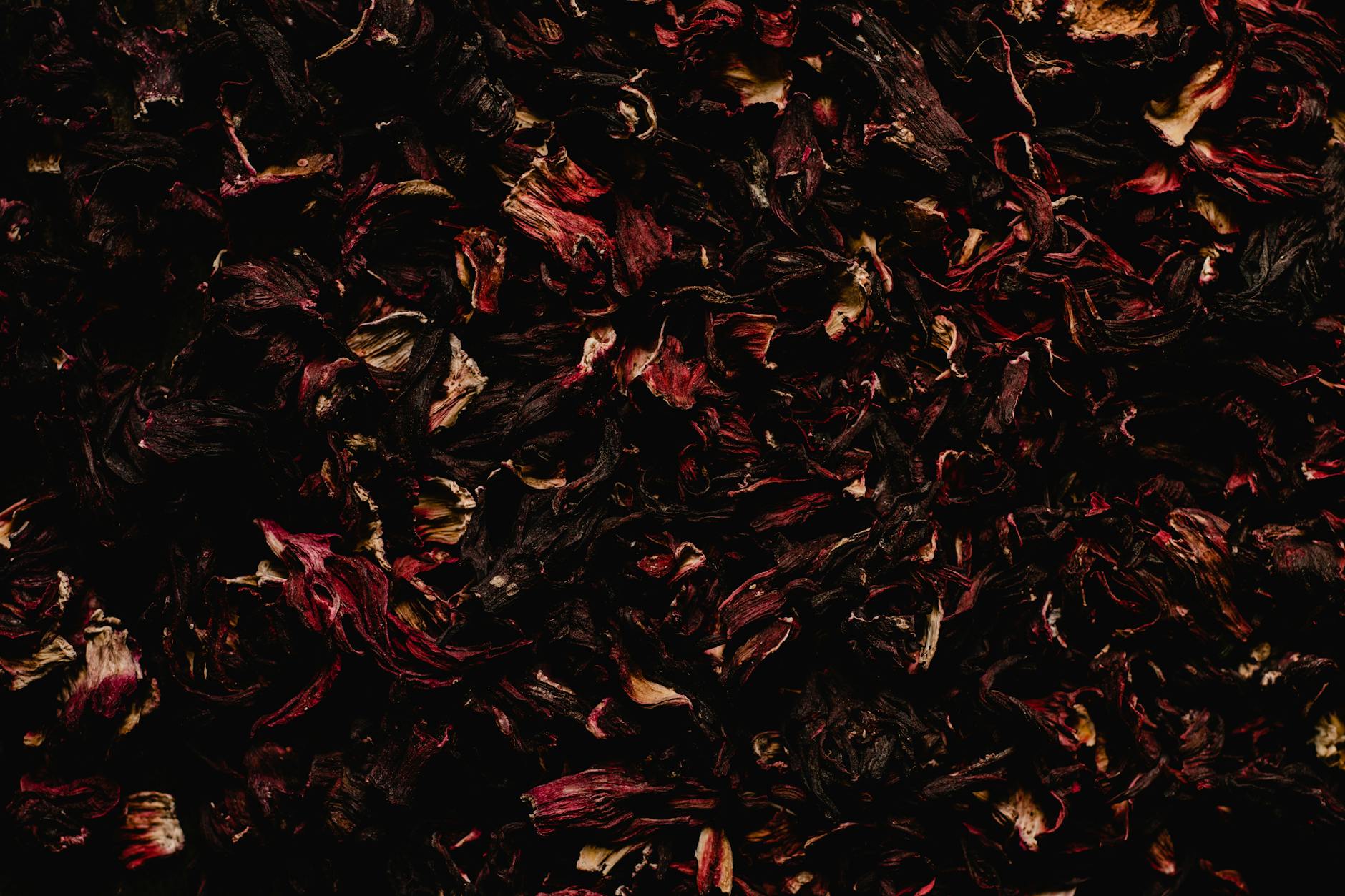
- 3 tablespoons dried hibiscus flowers (preferably organic)
- 2 cinnamon sticks
- 2 tablespoons sugar (adjust to taste)
- 1 small orange, thinly sliced
- Ice cubes, as needed
- 1 lemon, cut into wedges for garnish
Equipment Needed
- Medium-sized pot
- Fine mesh strainer or cheesecloth
- Heatproof pitcher or teapot
- Measuring spoons
- Knife and cutting board
- Serving glasses
Tips for Choosing Quality Ingredients
Opt for organically grown hibiscus flowers to avoid pesticides and enjoy a cleaner flavor. Choose fresh cinnamon sticks with a strong, sweet aroma for optimal spice. Use fresh citrus fruits for a bright, tangy zip that complements the floral notes. When selecting sugar, natural options like cane sugar or even honey can substitute to enhance sweetness and depth.
Step-by-Step Instructions
Step 1: Boil Water
Heat 48 ounces of water in a medium pot over medium-high heat until it reaches a gentle boil, approximately 8–10 minutes.
Step 2: Steep Hibiscus and Cinnamon
Turn off the heat and immediately add 3 tablespoons of hibiscus flowers and 2 cinnamon sticks. Cover the pot and let it steep for exactly 20 minutes to extract vibrant color and rich flavor.
Step 3: Strain the Tea
Use a fine mesh strainer to remove the hibiscus petals and cinnamon sticks, pouring the tea into a heatproof pitcher.
Step 4: Sweeten and Add Citrus
While the tea is still warm, stir in 2 tablespoons of sugar until fully dissolved. Add thin slices of 1 small orange to infuse a fresh, fruity note.
Step 5: Chill and Serve
Fill glasses with ice cubes and pour the tea over them. Garnish each glass with a wedge of lemon for extra zing and a burst of color.
Hibiscus Tea Recipe Tip:
Adjust sweetness to your preference, and remember, adding more hibiscus instead of steeping longer prevents bitterness.
Variations & Substitutions
- Spiced Hibiscus Ginger Tea: Add a 1-inch slice of fresh ginger during steeping for a warming, spicy twist.
- Sweetened with Honey or Maple Syrup: Replace sugar with honey or pure maple syrup for a natural, earthy sweetness.
- Hibiscus Mint Refresher: Toss in a handful of fresh mint leaves during steeping to add cooling herbal notes.
- For a Sparkling Version: Chill the tea and mix with sparkling water just before serving for a bubbly refreshment.
Storage & Shelf Life
Store your hibiscus tea in a sealed container or pitcher in the refrigerator for up to 4 days. Always keep it cold to preserve freshness and color. If you want to freeze it, pour the tea into ice cube trays and freeze for up to 2 months; these cubes can be added to drinks for flavor without dilution. Discard the tea if it develops an off smell, cloudy appearance, or mold.
Pro Tips
- Use boiling water just before steeping to maximize color and flavor extraction without causing bitterness.
- Keep steeping time precise; exceeding 20 minutes can result in a harsh, astringent taste.
- To prevent staining, rinse your strainer immediately after use and avoid porous containers.
- If you prefer a stronger taste, increase the amount of hibiscus flowers rather than extending brew time.
- Use fresh citrus slices added after straining to maintain brightness without overpowering the tea.
When is the best time to drink Hibiscus Tea Recipe?
Hibiscus tea is ideal at any time of day, but many prefer it iced during warm afternoons or hot before bed to enjoy its calming effects. Its caffeine-free nature makes it suitable for evenings without disrupting sleep.
Is hibiscus tea good for lowering blood pressure?
Yes, multiple studies have demonstrated that hibiscus tea can help reduce systolic and diastolic blood pressure in adults with mild hypertension, thanks to its natural antioxidants and bioactive compounds.
Can I drink hibiscus tea while pregnant?
It‘s recommended to consult your doctor before drinking hibiscus tea during pregnancy, as high doses may stimulate uterine contractions or affect hormone levels.
How much sugar should I add to hibiscus tea?
Adjust sweetness to your taste; start with 2 tablespoons of sugar for this recipe. You can reduce or replace it with natural sweeteners like honey or stevia if preferred.
Can I use fresh hibiscus flowers instead of dried?
Fresh hibiscus petals can be used, but they often have a more delicate flavor and require adjusting quantities. Typically, fresh petals need to be tripled compared to dried ones for similar intensity.
Does hibiscus tea stain teeth?
Yes, due to its deep red pigments, hibiscus tea can mildly stain teeth over time. Rinse your mouth with water after drinking and maintain regular dental hygiene to minimize staining.
Can hibiscus tea be served hot?
Absolutely! While popular as an iced beverage, hibiscus tea served hot offers a cozy, tart experience—great for cooler weather and soothing an upset stomach.
How do I enhance the tartness of hibiscus tea?
To boost tartness, increase the amount of hibiscus flowers or add a splash of fresh lemon or lime juice right before serving for an extra tangy kick.
More Recipes You Will Love
If you enjoy the vibrant flavors of hibiscus tea, you might also appreciate recipes that bring fresh, wholesome ingredients to your table. Try the Epicurean butter recipe for a rich, creamy spread that pairs beautifully with your favorite breads and teas. For those managing blood sugar, Glucerna shakes for diabetics 24 pack offers a nutritious, convenient option that complements your healthy lifestyle perfectly.
Conclusion
Refreshing, tangy, and rich in antioxidants, this Hibiscus Tea Recipe is a delightful addition to your beverage repertoire. Its ease of preparation and customizable flavors make it a go-to for relaxing moments or lively social gatherings. Feel free to experiment with the taste and share your experience—I’d love to hear your favorite variations or tips in the comments below!
FAQs
When is the best time to drink Hibiscus Tea Recipe?
Hibiscus tea can be enjoyed any time of day. It is especially refreshing in the afternoon or early evening either hot or iced. Its natural antioxidants and calming flavors make it a great choice to relax or refresh your body.
Can I drink hibiscus tea every day?
Yes, hibiscus tea is safe for daily consumption for most people and offers many health benefits. However, those with low blood pressure or pregnant women should consult their doctor before regular intake.
How do I prevent hibiscus tea from tasting bitter?
To avoid bitterness, steep the hibiscus flowers for about 20 minutes but avoid longer steeping times. Alternatively, use more hibiscus flowers without extending the steep time to keep the flavor bright and balanced.
Can I sweeten hibiscus tea with alternatives to sugar?
Absolutely! Natural sweeteners like honey, agave syrup, or maple syrup can be used to sweeten hibiscus tea while enhancing its flavor. Adjust the sweetness to your personal taste preference.
Is hibiscus tea caffeine-free?
Yes, hibiscus tea is naturally caffeine-free, making it an excellent choice for anyone avoiding caffeine. It provides a flavorful herbal option that can be enjoyed anytime without the stimulating effects of caffeine.