Gaining weight quickly can feel like a challenge when managing diabetes. You want to add healthy pounds without causing blood sugar spikes or raising cholesterol. So what is the fastest way for a diabetic to gain weight that respects these concerns? It involves tailored nutrition, thoughtful meal planning, and balancing your body‘s needswithout sacrificing control. Lets explore how to do it effectively, with practical tips and tasty ideas you can try right away.
Foods That Aid Weight Gain
| Prep time | Total time | Servings | Calories | Diet tags |
|---|---|---|---|---|
| 10 minutes | 10 minutes | 1 | 450 kcal | Diabetic-friendly, High-protein, Low-GI |
What Foods Help Diabetics Gain Weight Fast?
To increase weight rapidly yet safely, prioritize calorie-dense foods with low glycemic index (GI). For diabetics, this means choosing nutrient-rich options that won‘t cause blood sugar rollercoasters.
- Healthy fats: Avocados, nuts (like almonds and walnuts), chia seeds, olive oil, and flaxseed oil add calories and support heart health.
- High-protein foods: Eggs, Greek yogurt, lean chicken, turkey, tofu, and legumes help build muscle and preserve weight gain long-term.
- Whole grains: Quinoa, barley, and brown rice provide fiber and energy without sharp sugar spikes.
- Full-fat dairy: Cheese and whole milk offer extra calories with balanced fats for sustained energy.
- Weight gain supplements: Diabetic-focused options include protein powders with minimal sugars; consult your healthcare provider before use.
Simple swaps like spreading almond butter instead of jelly or drizzling olive oil on steamed veggies boost calories sensibly. Avoid sugary treats disguised as healthy to keep your blood glucose stable.

Meal Planning Strategies
Balancing Diabetes and Weight Gain
Meal frequency and composition are key. For type 2 diabetes, eating smaller, frequent meals (5-6 a day) helps maintain energy and prevent low blood sugar during weight gain. Portion control might seem counterintuitive, but small increases spaced throughout the day efficiently raise calorie intake without overwhelming glucose control.
Those with type 1 diabetes should carefully time carbohydrate intake with insulin doses. Adjusting insulin with a healthcare provider ensures blood sugar stays in target ranges as you increase calories.
- Aim for balanced meals including proteins, healthy fats, and complex carbs.
- Use cooking methods like roasting, sauting in heart-healthy oils, or steaming to keep nutrients intact.
- Snack on calorie-dense, low-GI foods between meals, such as nuts or a small cheese portion.
Remember, gaining weight does not mean ignoring blood sugarit means syncing your meals with your bodys insulin needs and metabolism.

Strength & Muscle Building
Fueling Muscle Growth for Diabetics
Adding muscle mass enhances healthy weight gain. Resistance training combined with increased protein intake helps create lean muscle while managing diabetes.
- Include 1.2 to 1.5 grams of protein per kilogram of your body weight daily.
- Consume protein-rich foods like eggs or tofu within 30 minutes after workout to maximize muscle repair.
- Stay hydrated, and monitor blood sugar before and after exercise sessions to prevent hypoglycemia or hyperglycemia.
Always start slowly with weight training, targeting 2-3 sessions per week, gradually increasing intensity. This approach supports steady weight gain without blood sugar surprises.
Snack Ideas to Boost Calories
Calorie-Rich Snacks for Blood Sugar Control
Snacks can turn the tide when trying to gain weight quickly. Choose ones that add calories without adding empty sugars.
- Nut butter on whole grain crackers
- Cheese cubes with sliced apples
- Greek yogurt with a sprinkle of ground flaxseeds
- Avocado slices with sea salt
- Hummus with raw veggie sticks
These snacks keep your taste buds happy and your sugar levels steady.
For specialized options, check out this sugar free weight gainer for diabetics to add variety.
Storage & Reheating Tips
Preserving Nutrients in Weight Gain Meals
Prepare meals in advance to save time and stay consistent. Store protein-rich and fatty meals properly to maintain taste and nutrition.
- Refrigerate cooked meals in airtight containers for up to 4 days.
- Freeze portions like cooked chicken or legumes for up to 2 months, thaw overnight in the fridge.
- Reheat gently in a microwave at 70% power for 2-3 minutes, stirring halfway to preserve texture and flavor.
- Avoid reheating oily dishes multiple times as it can degrade healthy fats.
These steps keep your meals fresh, tasty, and calorie-packed.
Troubleshooting
Adjust If Blood Sugar Spikes
If your blood sugar climbs during weight gain efforts, review your carb sources. Replace refined grains with whole-grain alternatives and focus more on healthy fats and proteins. Monitor portion sizes, especially for carb-heavy meals.
Reading Labels Carefully
Calories dont equal sugar. Some calorie-dense foods pack healthy fats and protein without excess carbohydrates. Always check nutrition labels to avoid hidden sugars that raise blood glucose.
Tracking Progress
Keep a simple food diary logging meals, blood sugar readings, and weight changes. Adjust your plan based on trends every 1-2 weeks. This keeps the process practical and less stressful.
More Recipes to Try
When you want a wholesome meal thats easy to prepare, try the Sicilian pasta and broccoli 8312243. Its nutrient balance supports both diabetic control and energy needs.
For cozy comfort food rich in protein, the Sausage and herb stuffing recipe 1943434 offers a hearty, calorie-dense option perfect for weight gain days.
When is the best time to eat for weight gain with diabetes?
The ideal times are evenly spaced meals every 3 to 4 hours, including a balanced breakfast, mid-morning, lunch, afternoon snacks, and dinner. Consistency helps maintain steady blood sugar and provides continuous calories to build weight fast yet safely.
Can a diabetic safely gain weight quickly without health risks?
Yes, but it requires careful planning. Rapid weight gain should focus on healthy fats and proteins while monitoring blood sugar closely. Consulting a healthcare professional ensures your plan supports overall health and avoids complications.
What is the easiest way to add muscle while gaining weight with diabetes?
Combining resistance training 2-3 times weekly with increased protein intake is the simplest way. Aim for a moderate increase in protein spread throughout the day, paired with controlled carbs and healthy fats, to build lean muscle.
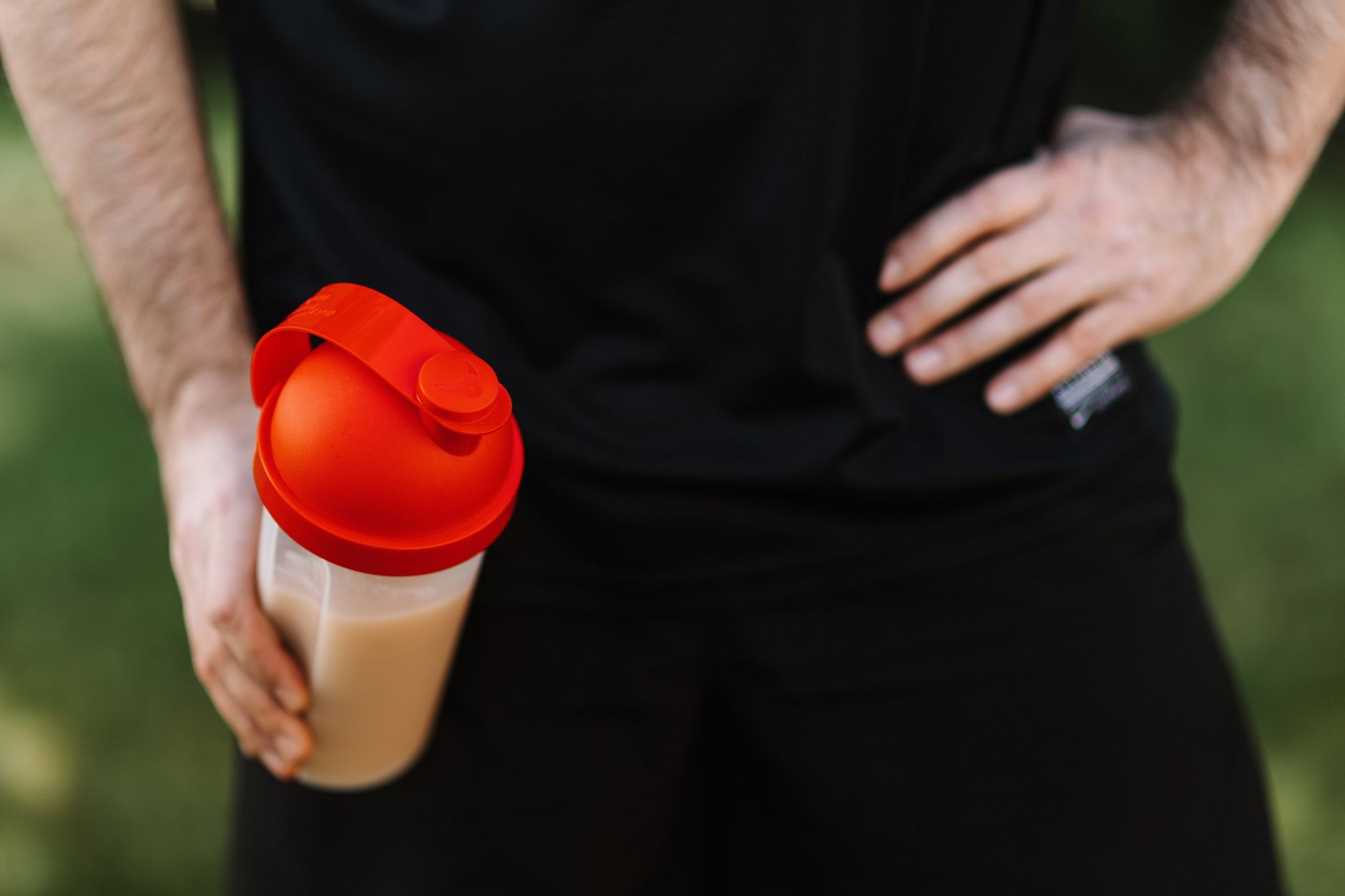
Are protein shakes recommended for diabetics trying to gain weight?
Protein shakes can be helpful if low in sugar and matched to your insulin regimen. Choose diabetic-friendly powders without added sweeteners and monitor blood sugar responses to avoid surprises.
How do I prevent cholesterol from rising while eating calorie-dense foods?
Focus on unsaturated fats from nuts, seeds, avocados, and olive oil. Limit saturated fats by choosing lean meat and low-fat dairy. Regular physical activity and fiber-rich foods also support healthy cholesterol levels.
Can undiagnosed diabetes affect weight gain efforts?
Yes, uncontrolled or undiagnosed diabetes can cause unexplained weight loss or prevent healthy weight gain. If weight changes are sudden or unexplained, consult a healthcare provider for proper testing.
Is it better to eat carbs before or after workouts when trying to gain weight?
Eating complex carbs 30-60 minutes before exercise gives energy for performance. Post-workout, combine carbs with protein within 30 minutes to replenish glycogen and support muscle repair. This timing helps with weight gain and blood sugar balance.
Pro Tips for Success
- Boost calories subtly: Add olive oil or nut butter to dishes rather than large portions of carbs.
- Flavor balance: Use herbs and spices like cinnamon and turmeric that may improve insulin sensitivity, according to a 2023 study in the Journal of Nutritional Biochemistry.
- Texture matters: Mix creamy Greek yogurt with crunchy nuts or seeds for satisfying mouthfeel.
- Protein extraction: To maximize protein absorption, distribute intake evenly over all meals rather than loading one.
- Mindful cooking: Roast nuts and seeds lightly at 160C for 10 minutes to enhance flavor without damaging beneficial fats.

Simple Avocado & Egg Toast Recipe
Boost your morning with this quick, tasty, and calorie-rich toast perfect for diabetic weight gain.
- 1 slice of whole grain bread
- 1/2 ripe avocado
- 1 large egg
- 1 tsp olive oil
- Salt and pepper to taste
- Optional: sprinkle of chili flakes or fresh herbs
Preparation Steps
- Toast the bread until golden and crispy, about 3 minutes.
- Mash the avocado in a bowl with salt and pepper.
- Heat olive oil in a non-stick pan over medium heat.
- Cook the egg sunny side up for 3-4 minutes until the whites set but yolk stays runny.
- Spread the mashed avocado thickly on the toast.
- Top with the cooked egg and garnish with chili flakes or fresh herbs.
This combination offers healthy fats and protein with moderate carbs a tasty way to gently nudge your weight upward.

The steps, flavors, and balance here invite you to savor each bite while fueling your goal.
Gaining weight fast as a diabetic does not mean rushing blindly; it means a smart path of mindful eating and consistent habits. Now that you know what is the fastest way for a diabetic to gain weight safely, would you try the avocado and egg toast or the meal ideas shared? Share your thoughts or your own favorite weight-gain snacks in the comments below. Happy eating!
FAQs
When is the best time to eat what is the fastest way for a diabetic to gain weight?
The best times are evenly spaced meals every 3 to 4 hours throughout the day, including breakfast, mid-morning, lunch, afternoon snacks, and dinner. This consistency helps maintain steady blood sugar and provides continuous calories to gain weight safely and quickly.
Can a diabetic safely gain weight quickly without health risks?
Yes, but it requires careful planning focusing on healthy fats and proteins while closely monitoring blood sugar. Rapid weight gain should be done under healthcare guidance to avoid complications.
Are protein shakes recommended for diabetics trying to gain weight?
Protein shakes can be beneficial if they are low in sugar and fit with your insulin regimen. Choose diabetic-friendly powders without added sweeteners and monitor your blood sugar response carefully.
How do I prevent cholesterol from rising while eating calorie-dense foods?
Focus on unsaturated fats like nuts, seeds, avocados, and olive oil. Limit saturated fats by choosing lean meats and low-fat dairy, while maintaining regular physical activity and eating fiber-rich foods.
Is it better to eat carbs before or after workouts when trying to gain weight?
Eating complex carbs 30-60 minutes before exercise provides energy, while consuming carbs with protein within 30 minutes after workouts replenishes glycogen and supports muscle repair, helping with weight gain and blood sugar balance.