Introduction
Understanding grilled vegetables calories can be a real game-changer when you want tasty yet nutritious meals. Grilling vegetables is a low-calorie way to enjoy bold, smoky flavors without adding extra fat. This cooking style keeps the natural sweetness and crunch intact while providing a light option for any meal. Youll discover helpful grilling techniques that make your veggies shine, keeping them healthy and delicious.
Whether you‘re a seasoned griller or just starting, this guide is packed with clear tips and easy steps to optimize your grilled vegetable dishes. The secrets to delicious low-calorie grilling recipes are simpler than you might think all it takes is some technique and the right ingredients.
Key Highlights
Retaining Nutrients and Flavor
Grilling vegetables brings out their natural sugars, creating a golden, caramelized crust that enhances flavor without heavy sauces or butter. Using minimal oil keeps calories in check while locking in vitamins and minerals often lost during longer cooking. This method stands out compared to frying or roasting, both of which can increase the fat content significantly. Healthy grilled vegetable benefits go beyond caloriesgrilling preserves antioxidants that boost your overall nutrition.
Supporting Weight Management
Low-calorie grilling recipes fit perfectly in any weight management plan. Grilled veggies have high fiber, which helps you feel full and satisfied long after eating. Adding grilled vegetables to your meals also reduces reliance on calorie-dense sides without sacrificing taste. This makes it easier to hit your daily calorie goals naturally.
Caution with Char and Smoke
While grilled vegetables offer many health perks, avoid burnt grilled vegetables calories by monitoring cooking times closely. Excessive charring might produce potentially harmful compounds and add bitter flavors. People sensitive to smoke or digestive issues should grill carefully or try methods that limit direct flame contact. A little care goes a long way in balancing flavor and health.
Ingredients & Preparation
| Prep time | Cook time | Total time | Servings | Calories per serving | Diet tags |
|---|---|---|---|---|---|
| 10 minutes | 15 minutes | 25 minutes | 4 | Approx. 90 | Vegan, Gluten-Free, Low-Calorie |
Full Ingredient List with Substitutions
- 2 medium zucchinis, sliced (yellow squash works too)
- 1 large red bell pepper, cut into strips (or orange, yellow peppers)
- 1 medium red onion, sliced
- 8 oz mushrooms, halved (button or cremini mushrooms)
- 2 tbsp olive oil (avocado oil is an excellent high smoke point alternative)
- 1 tsp dried Italian herbs (fresh herbs can be substituted)
- Salt and pepper to taste
Equipment Needed
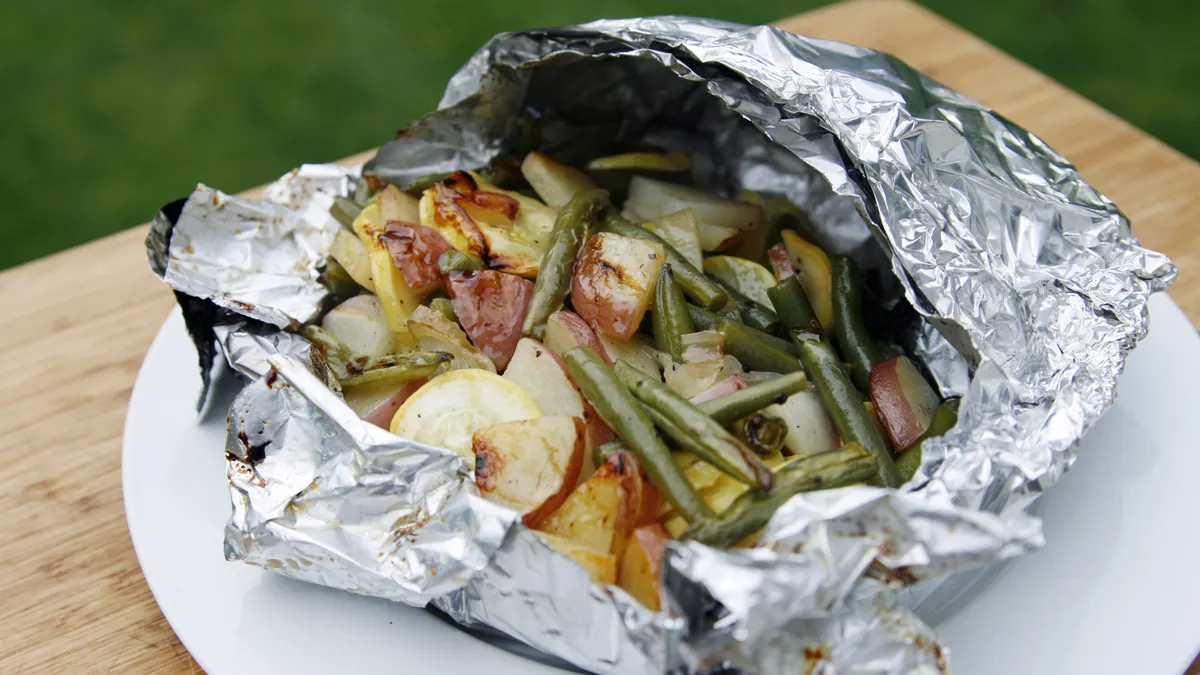
A grill or grill pan is best to get those signature char marks and smoky aroma. If you dont have these, you can explore how to grill vegetables in oven or how to grill vegetables in foil on gas grill for similar results. Youll also want tongs for easy flipping and a basting brush to coat veggies evenly.
Tips for Selecting Quality Ingredients
Pick fresh vegetables with firm, unblemished skins and vibrant colors. Avoid large or overly soft vegetables, as they tend to become soggy on the grill. Organic options reduce exposure to pesticides and enhance natural flavors. Firmness is key because grilling intensifies texture.
Step-by-Step Instructions
Step 1 Prep the Veggies
Wash all vegetables thoroughly under cold water. Slice zucchinis evenly into -inch rounds to ensure uniform cooking. Theres no need to peel zucchini; its skin crisps up nicely and adds color. Cut bell peppers into strips about 1 inch wide, and slice onions into rings roughly -inch thick. Halve mushrooms to similar size. Even cuts help everything cook at the same rate.
Step 2 Grill Properly
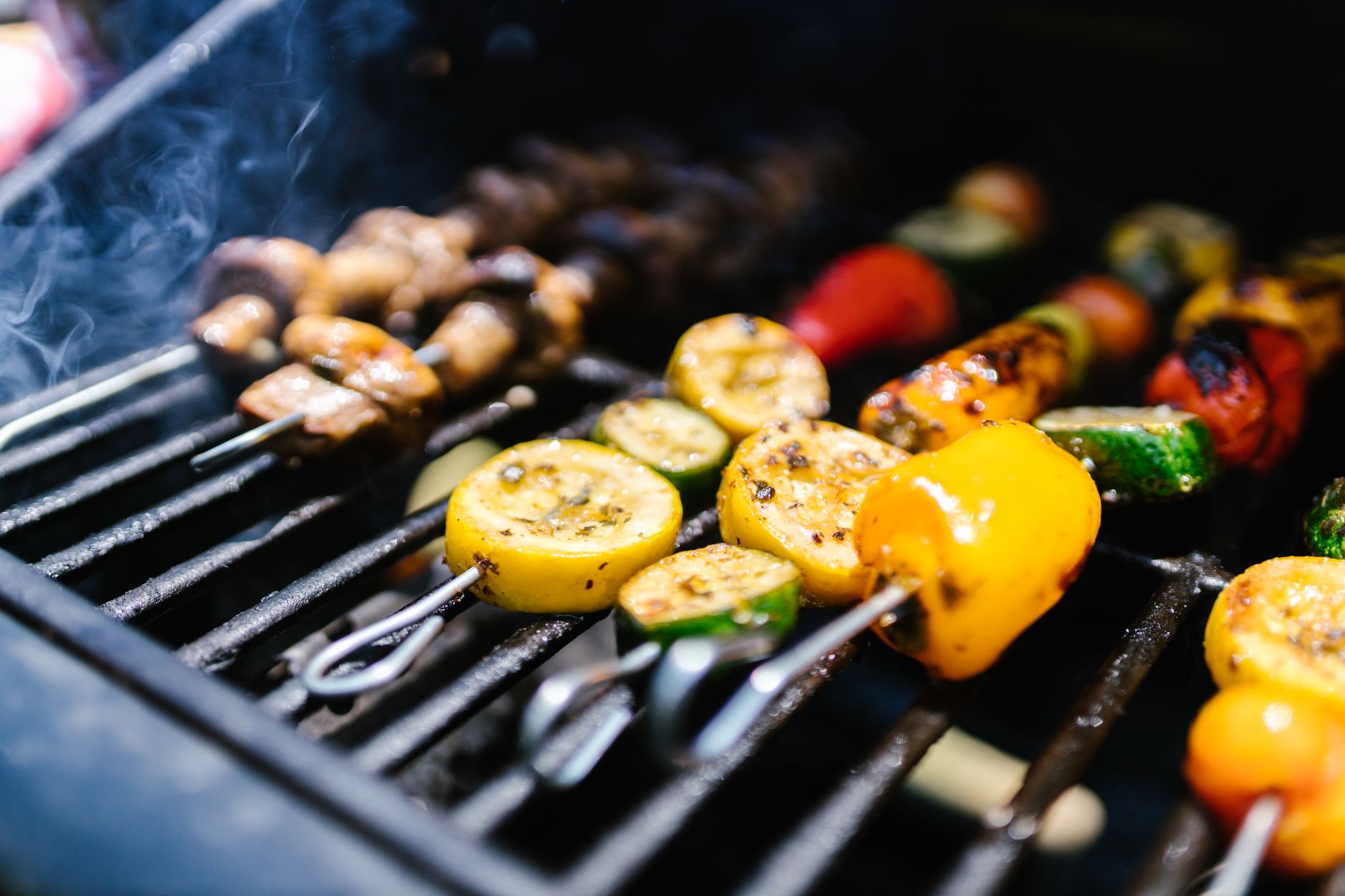
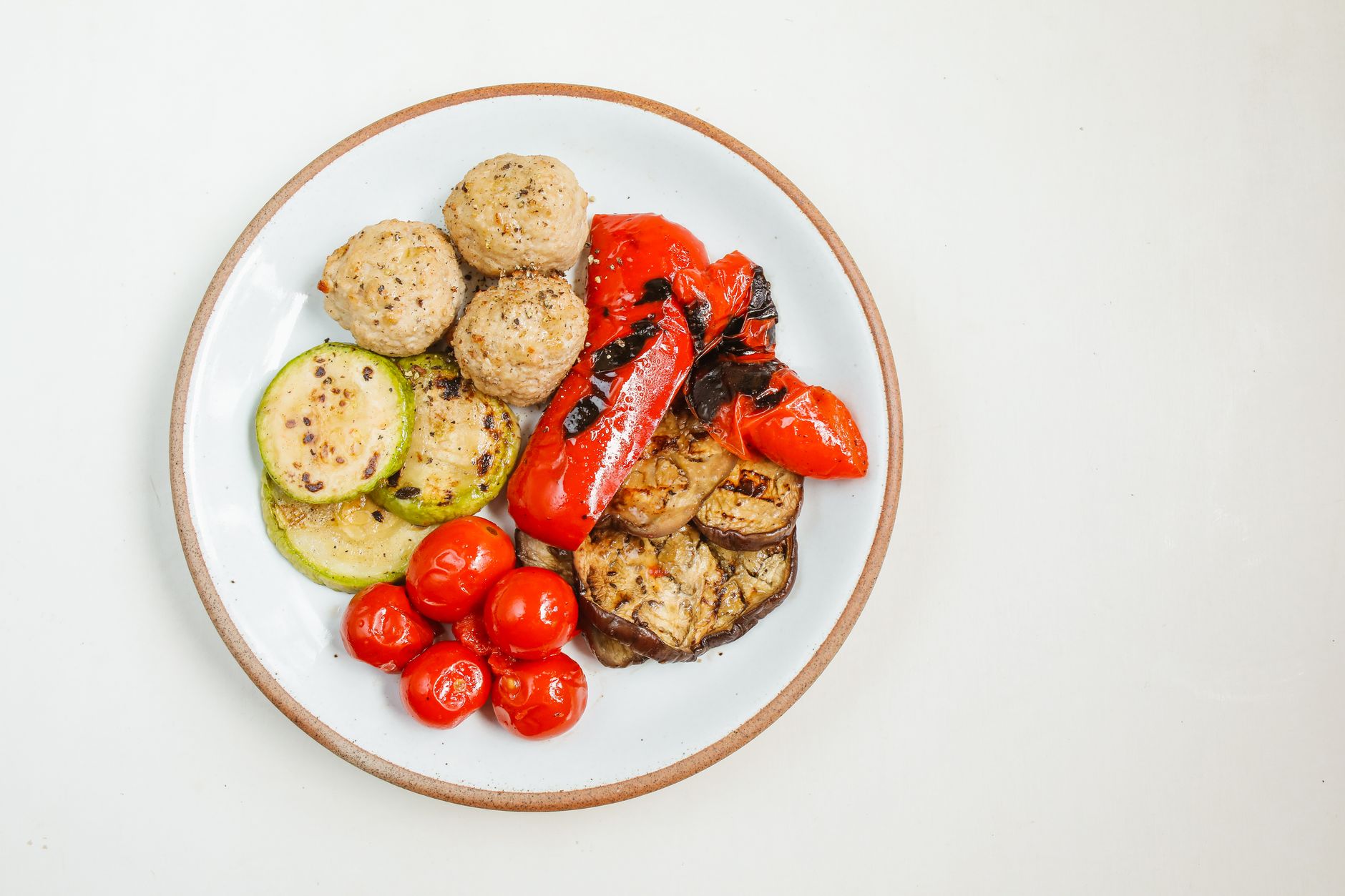
Preheat your grill to medium-high heat (roughly 375°F). Lightly brush vegetables with olive oil to prevent sticking and help herbs adhere. Sprinkle with dried Italian herbs, salt, and pepper. Arrange veggies spaced apart on the grill grates. Grill for 4 to 5 minutes on each side, rotating to get cross-hatch grill marks. Watch carefully you want a nice sear without burning.
Step 3 Finish & Season
Once grilled to tender perfection, remove veggies from heat. Add a squeeze of fresh lemon juice for brightness or sprinkle chopped fresh herbs like parsley or basil. Avoid salting before grilling, as salt draws moisture and could make vegetables soggy. Season just before serving.
Step 4 Serve or Store
Serve grilled vegetables warm alongside your favorite dishes. If saving for later, let cool completely, then store in airtight containers. Refrigerate and consume within 3 to 4 days for best texture and flavor. You can also freeze portions for up to 2 months.
Variations & Substitutions
Flavor Variations
Try adding a pinch of smoked paprika or cumin to your herb mix for a smoky warmth that adds depth without calories. A light balsamic vinegar glaze gives tanginess and sweet notes that complement grilled vegetables beautifully.
Ingredient Swaps
Swap mushrooms for eggplant slices or trade zucchini for asparagus to mix up textures and tastes while keeping calories low. These veggies grill quickly and absorb seasonings well.
Adjusting Seasonings
Boost spice by adding chili flakes or cayenne pepper, or reduce calories further by skipping oil altogether. This might slightly impact moisture and texture but works well if you watch calories closely.
Storage & Shelf Life
Refrigerator Storage
Use airtight glass or BPA-free containers to store grilled veggies. Refrigerate promptly and consume within 3 to 4 days to avoid sogginess and flavor loss.
Freezer Option
Freeze in portion-sized meal bags or containers. Grilled veggies freeze well for up to 2 months. Thaw overnight in the fridge. For best results, reheat gently on low heat or in a microwave to avoid overcooking.
Make-Ahead Tips
Double the recipe to save time later. Label containers with the date so you can easily track freshness. Frozen grilled vegetables are perfect for quick weeknight meals or adding to grain bowls.
Pro Tips & Troubleshooting
Avoiding Soggy Veggies and Staining
Never overcrowd the grill; leave space between pieces to let moisture evaporate. Steaming happens if veggies are too close, resulting in soggy texture rather than crispy edges. When prepping, oil your hands lightly to avoid staining your skin and surfaces with vegetable pigments like beet or pepper juice.
Fixing Common Issues
If your grilled vegetables lose their vibrant color or become dull, you may be overcooking or using too high heat. Try lowering grill temp or cutting back cooking time by a minute or two. Bitterness usually comes from burnt spots trim charred ends before eating or cover grill partially to prevent flare-ups.
Expert Upgrade
Before grilling, brush vegetables lightly with fresh lemon juice. The acid brightens flavor and enhances the caramelization process, giving that desirable char and zesty aroma. This small step elevates grilled vegetables from good to great every time.
When is the best time to eat grilled vegetables calories?
Meals like lunch or dinner are ideal for grilled vegetables to support balanced calorie management. Eating them earlier in the day, paired with lean proteins, maximizes digestion and energy. Their fiber content helps keep you full, preventing mid-meal snacking.
Can I make a big batch and store grilled vegetables?
Absolutely. Grilled vegetables store well in the fridge for 3 to 4 days. If you want to keep them longer, freeze portions in airtight containers for up to 2 months. Always cool completely before storing to maintain texture and flavor.
Fresh vegetables or frozen which keeps calories lower?
Calories in grilled vegetables remain fairly consistent whether you use fresh or frozen produce. Fresh vegetables often have better texture and more vibrant flavors, but frozen veggies are a convenient alternative without compromising calorie content.
Is this safe for pregnant women, kids, or medicated individuals?
Generally, grilled vegetables are safe for everyone, including pregnant women and children. Avoid overly charred pieces to minimize exposure to harmful compounds. If you take specific medications, consult your healthcare provider regarding any dietary interactions.
How often should I eat grilled vegetables for health benefits?
Incorporating grilled vegetables multiple times a week supports a balanced diet and calorie goals. They provide essential nutrients and variety that benefit overall health and digestion.
Why do my grilled vegetables taste bitter?
Bitterness usually comes from burnt or over-charred edges. Manage cooking times carefully and watch for flare-ups on the grill to prevent burning. Trimming any bitter, charred bits can also improve taste.
What pairs well with grilled vegetables?
Grilled lean proteins like chicken, fish, or tofu complement this dish beautifully. Grain-based salads such as quinoa or bulgur add texture, while light vinaigrette dressings brighten the palate. These combinations enhance flavor without adding excess calories.
More Recipes You Will Love
Try the grilled vegetables recipe to explore other flavorful ways to enjoy smoky garden favorites. For a hearty, savory twist, the Grilled Portobello Mushrooms with Garlic Butter pairs perfectly. Or add fresh textures with the Vegan Quinoa Salad with Grilled Veggies, a vibrant low-calorie companion dish.
Conclusion
Grilled vegetables calories stay low when you grill the right way with minimal oil and careful timing. This method preserves nutrition and creates irresistibly smoky, golden flavors that make healthy eating easy. Try these tips soon and share your grilling success or favorite variations. For more flavorful ideas, explore our grilled vegetables section and keep cooking tasty, light meals.
FAQs
When is the best time to eat grilled vegetables calories?
The best times to enjoy grilled vegetables are at lunch or dinner. Eating them earlier in the day, paired with lean proteins, supports balanced calorie management and promotes fullness with their high fiber content, helping prevent mid-meal snacking.
Can I make a big batch and store grilled vegetables?
Yes, grilled vegetables can be stored in the refrigerator for 3 to 4 days in airtight containers. For longer storage, freeze portions for up to 2 months. Always let vegetables cool completely before storing to maintain texture and flavor.
Do fresh or frozen vegetables keep calories lower when grilled?
Calories remain fairly consistent whether you use fresh or frozen vegetables. Fresh veggies often offer better texture and flavor, but frozen options are convenient and do not compromise calorie content when grilled.
Are grilled vegetables safe for pregnant women, children, or those on medication?
Generally, grilled vegetables are safe for pregnant women and children if not overly charred. Avoid burnt pieces to reduce harmful compounds. People on medication should consult their healthcare provider for any dietary considerations.
Why do my grilled vegetables taste bitter and how can I fix it?
Bitterness usually results from burnt or overly charred edges. Manage grill temperature carefully, avoid flare-ups, and trim any bitter, charred parts before serving to improve taste and enjoy balanced flavors.