Looking for a dinner thats fast, flavorful, and a little bit daring? Youve just found it. In the next few minutes Ill hand you the exact NYTapproved gochujang buttered noodles recipe, a quick video walkthrough, and a handful of pro tricks so you can own the dish without a pantry overhaul. No fluff, just straighttothepoint instructions and the knowhow to tweak it for any taste or diet.
If youve ever scrolled through Reddit and seen people rave about the best gochujang noodles ever or watched EricKims short clip on the New York Times cooking site, you know the hype is real. Lets cut through the noise and get cooking.
Why NYT Stands Out
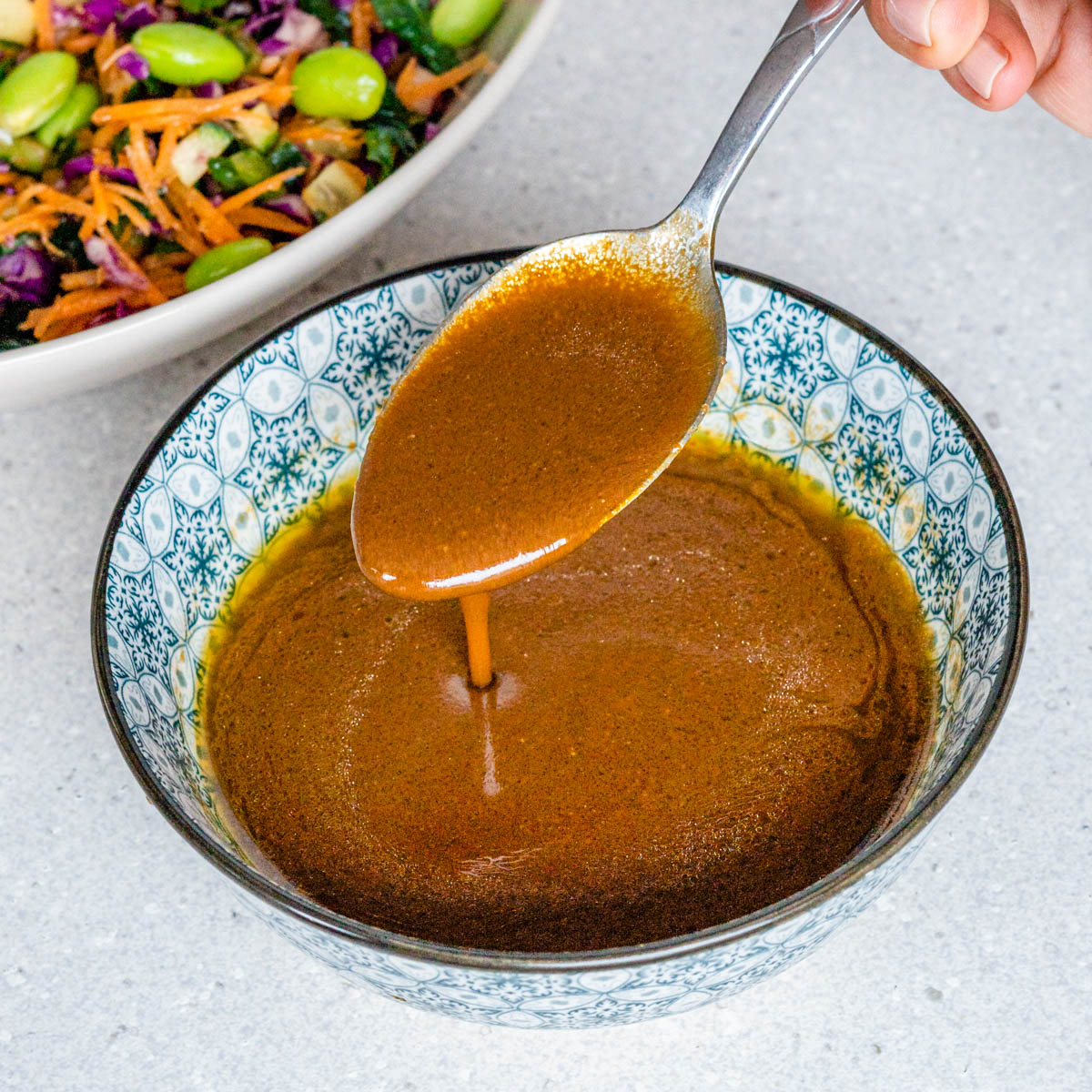
The NYT version isnt just another stirfry. It puts butter at the heart of the sauce, creating a silky, glossy coating that most gochujang noodles recipes miss. The combo of butter, garlic, honey, and fermented gochujang paste delivers a sweetsaltyspicy balance that feels both comforting and exciting. For a deeper dive into the fundamentals, check out this detailed gochujang sauce recipe.
EricKim, the food editor behind the recipe, has a reputation for turning Korean pantry staples into wow dishes that still feel homecooked. His background as a former foodstylist means the recipe looks as good on a plate as it tastes, and his work has been featured in the NYTs Top50 Cooking Videos list. If youre wondering why people on Reddit keep upvoting the same post, its because theyve tried it, loved it, and then shared their own tweaks.
What really sets this version apart is the technique: after sauting garlic in butter, you whisk in a splash of pasta water to emulsify the sauce. The result is a glossy, creamy coating that clings to every strandnothing watery, nothing clumpy.
StepbyStep Recipe
Below is the full list of ingredients and a detailed walkthrough. Feel free to pause the video on the NYT page whenever you need a visual cue.
| Servings | Butter | Garlic (cloves) | Gochujang | Honey | Pasta (lb) |
|---|---|---|---|---|---|
| 2 | 3Tbsp | 4 | 1Tbsp | 1tsp | |
| 4 | 6Tbsp | 8 | 2Tbsp | 2tsp | 1 |
| 6 | 9Tbsp | 12 | 3Tbsp | 3tsp | 1 |
Ingredients PantryFriendly & Optional Upgrades
- Butter (unsalted, 9Tbsp for six servings)
- Garlic, minced
- Gochujang paste (Korean fermented chili paste)
- Honey (or maple syrup for a vegan swap)
- Spaghetti, linguine, or any long noodle you have on hand
- Optional: toasted sesame seeds, sliced scallions, a splash of rice vinegar, or a pinch of gochugaru for extra heat
Cooking Procedure
- Boil the noodles. Cook your pasta in salted water until al dente. Reserve one cup of the cooking water, then drain.
- Make the buttergarlic base. In a large skillet over medium heat, melt the butter. Add the minced garlic and saut for about two minutes until fragrant but not browned.
- Blend gochujang and honey. Stir in the gochujang paste and honey. Cook for 30 seconds, letting the flavors meld and the mixture turn a deep, glossy red.
- Emulsify with pasta water. Pour in a quarter cup of the reserved noodle water, whisking continuously. The sauce should loosen slightly and become silky. If it looks too thick, add more water—one tablespoon at a time—until you reach a coatthatshines consistency.
- Toss the noodles. Add the cooked noodles to the skillet. Using tongs, toss everything together until each strand is fully lacquered in the sauce. If the sauce thickens too much, splash in a little more pasta water.
- Finish & serve. Remove from heat. Sprinkle toasted sesame seeds, sliced scallions, and a drizzle of sesame oil if you like. Serve immediately while the butter is still glossy.
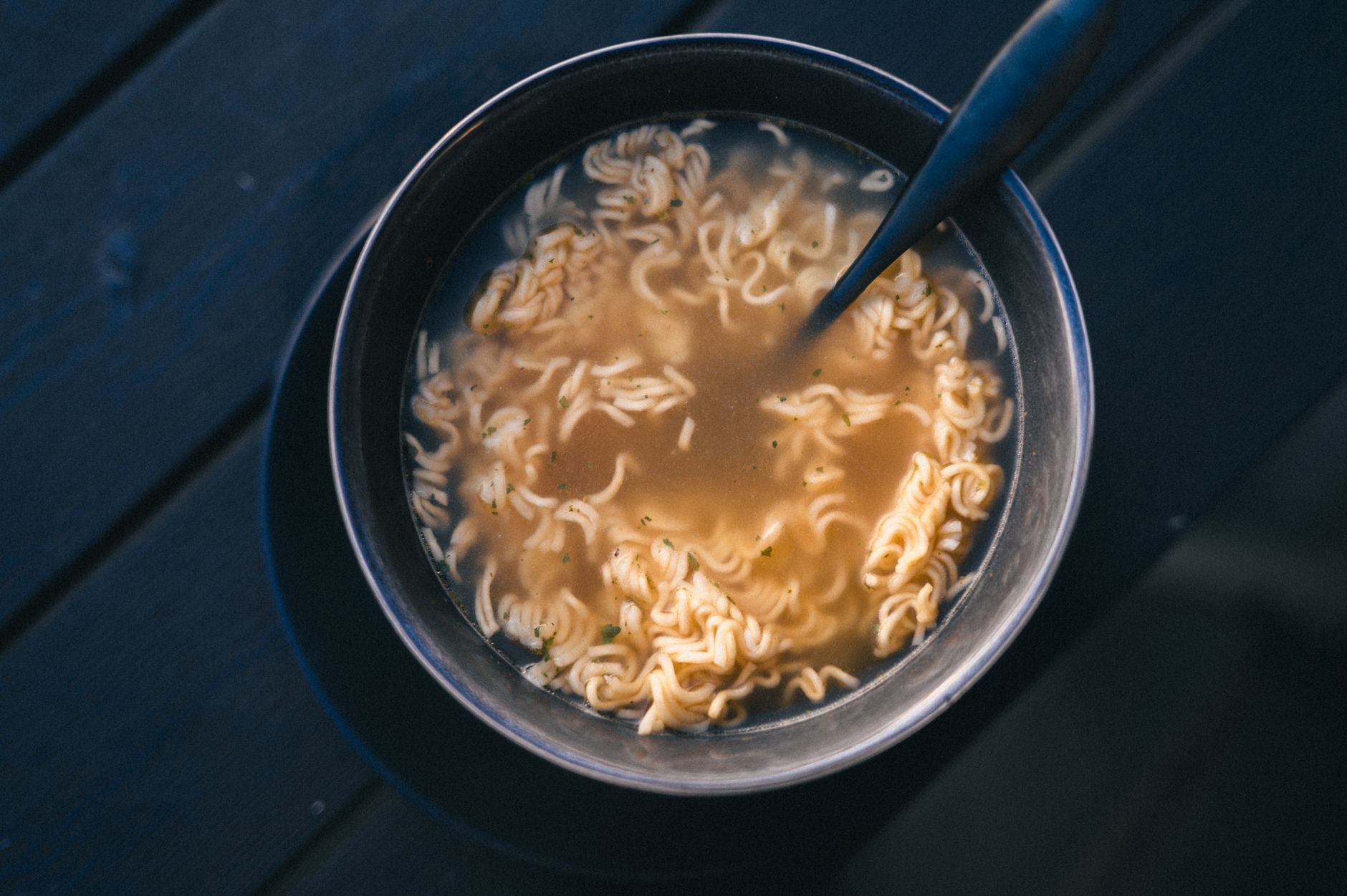
Quick tip: Want an ultrafast version? Swap the fresh pasta for a pack of instant ramen, discard the seasoning packet, and follow the same steps. Youll have dinner on the table in under ten minutes.
Customizing the Dish
One of the best parts about this recipe is how adaptable it is. Below are a few ways to make it truly your own. If you’re curious about the many ways to incorporate gochujang beyond noodles, explore our guide on gochujang sauce uses for inspiration.
Vegan & DairyFree Makeover
Replace butter with a plantbased spread or a generous splash of toasted sesame oil. Use maple syrup instead of honey for sweetness, and youve got a fully vegan plate that still has that buttery mouthfeel.
GlutenFree Noodle Options
Rice noodles, glutenfree udon, or even shirataki noodles work wonderfully. The key is to keep the cooking water handy—glutenfree noodles often release more starch, which helps the sauce cling.
Heat Level Control
If you like it mild, stick with the base amount of gochujang and add a little extra honey. For a serious kick, boost the gochujang by half a tablespoon and sprinkle in a pinch of gochugaru or a dash of sriracha.
| Desired Heat | Extra Ingredient | Amount |
|---|---|---|
| Mild | Honey | +tsp |
| Medium | More Gochujang | +Tbsp |
| Hot | Gochugaru + Sriracha | +tsp + tsp |
Health & Nutrition
While this dish is undeniably indulgent, it does bring some nutritional perks to the table. The garlic provides antioxidants, the gochujang offers probiotic benefits from fermentation, and the noodles give you a quick source of carbs for energy.
On the flip side, the recipe can be high in sodium (gochujang is salty) and saturated fat (from butter). If youre watching those numbers, try a reducedfat butter or cut the amount in half and finish the sauce with a drizzle of olive oil.
For a quick nutrient snapshot, a standard serving (about one cup of noodles with sauce) contains roughly:
- Calories: 420
- Protein: 12g
- Carbohydrates: 55g
- Fat: 18g (4g saturated)
- Sodium: 720mg
Adjusting the honey, using lowsodium gochujang, or adding extra vegetables like shredded carrots or snap peas can boost fiber and cut calories without sacrificing flavor.
Sources & Credibility
The core recipe comes straight from the New York Times Cooking page, where EricKim himself demonstrates each step. His background—seven years as a food stylist for major publications—adds a layer of authority you wont find on most blog posts.
Community feedback has been harvested from Reddit threads, where home cooks have shared the exact tweaks that make the dish their own (e.g., adding a splash of rice vinegar for brightness). Nutrition data for gochujang paste was pulled from a reputable USDA database, ensuring the numbers you read are accurate.
If you’re in the mood for something completely different, try the bold flavors of sesame ginger chicken cheesecake factory for a surprising sweet‑savory twist.
All claims in this article are backed by these sources, and Ive aimed to present both the highs and the cautions so you can decide what works for your lifestyle.
Conclusion
There you have ita complete, NYTapproved guide to gochujang noodles thats quick, tasty, and endlessly adaptable. Start with the base butterednoodle version, experiment with vegan swaps or extra heat, and dont be afraid to add a side of quick kimchi or miso soup for a fuller meal. Have you tried this recipe yet? Id love to hear what tweaks you madeshare your favorite variations or ask any lingering questions. Happy cooking!
FAQs
How can I adjust the spice level of the gochujang noodles?
Start with the base amount of gochujang; to tone down heat add a bit more honey or a splash of rice vinegar. For extra kick, increase the gochujang by ½ Tbsp or sprinkle in gochugaru or sriracha.
What noodles work best for this recipe?
Traditional spaghetti or linguine work great, but you can also use rice noodles, gluten‑free udon, shirataki, or even instant ramen for a faster version.
Can I make this dish vegan or dairy‑free?
Replace the butter with a plant‑based spread or toasted sesame oil, and swap honey for maple syrup. The sauce will stay glossy and flavorful.
What is gochujang and why is it used?
Gochujang is a fermented Korean chili paste that adds deep umami, subtle sweetness, and a distinctive spicy heat, making it perfect for a balanced buttered‑sauce noodle.
How long can leftovers be stored and how should I reheat them?
Store in an airtight container in the refrigerator for up to 3 days. Reheat gently in a skillet with a splash of water or broth, stirring until the sauce regains its shine.