Want a sauce that brings your Korean BBQ to the next level without any fuss? In just five minutes you can whisk together a sweetspicy gochujang dipping sauce kbbq thats perfect for meat, veggies, or even a tasty lettuce wrap. Lets dive in and make a batch youll keep reaching for.
Ingredients Overview
What you really need
The magic lives in a handful of pantry staples. Heres the core list, plus why each player matters:
- Gochujang (2Tbsp) the fermented redpepper paste that gives depth, umami, and that signature Korean heat.
- Rice vinegar (1Tbsp) a splash of acidity cuts through richness and balances the sweetness.
- Honey or maple syrup (1Tbsp) just enough sugar to round out the heat without making it cloying.
- Toasted sesame oil (tsp) a whisper of nuttiness that ties everything together.
- Minced garlic (tsp) fresh, aromatic bite that awakens the palate.
- Sesame seeds (pinch) optional garnish for texture and visual appeal.
How it differs from ssamjang
While gochujang sauce is pure pepper paste, ssamjang blends gochujang with doenjang (fermented soybean paste), giving it a heartier, earthier feel. If youre after a cleaner, brighter dip, stick with the gochujang base. Below is a quick sidebyside look.
| Feature | Gochujang | Ssamjang |
|---|---|---|
| Main base | Redpepper paste | Gochujang + doenjang |
| Flavor profile | Spicysweet, bright | Spicysavory, earthy |
| Typical use | Dipping, glaze | Wraps, salads |
| Sodium (per tbsp) | 250mg | 300mg |
Dietfriendly swaps
Want to keep it vegan or lower the sodium? Swap honey for maple syrup or agave, and replace any soybased seasoning with glutenfree tamari. The sauce stays true to its character, just a little kinder to certain diets.
Quick Recipe Steps
Simple assembly (ready in 5 minutes)
- Grab a small bowl and add 2Tbsp of gochujang.
- Stir in 1Tbsp rice vinegar and 1Tbsp honey (or maple syrup).
- Add tsp toasted sesame oil and the minced garlic.
- Whisk everything together until the mixture is smooth and glossy.
- Finish with a pinch of toasted sesame seeds for a subtle crunch.
Thats itno heating, no simmering, just flavor thats ready to dive into your grill party.
Tweaking the balance
If you love heat, sprinkle in an extra tsp of gochujang. Craving more sweetness? Drizzle an additional halftablespoon of honey. And for a tangier punch, a splash more rice vinegar does the trick. The beauty is that you can taste as you go, making the sauce truly yours.
Flavor Variations
Addin ideas to keep it exciting
Once you master the base, play with these extras:
- Finely chopped scallions (adds freshness).
- Crushed roasted seaweed flakes (umami boost).
- Pureed Korean pear (natural sweetness and silkiness).
- Ground toasted sesame seeds (extra crunch).
Best pairings on the grill
This dip shines with:
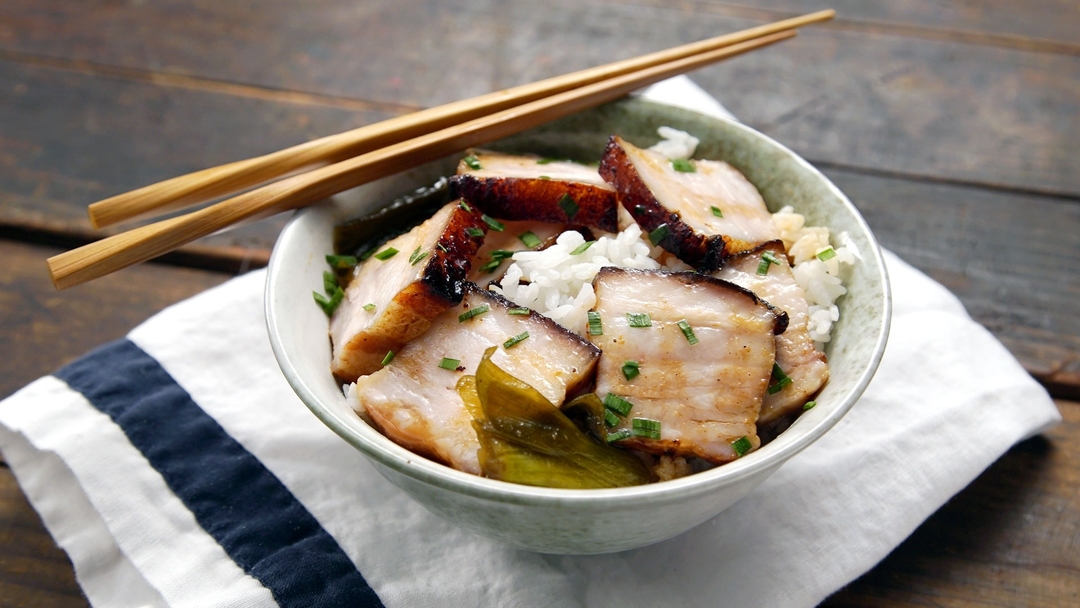
- Samgyupsal (pork belly) the fatty richness lets the bright sauce cut through.
- Galbi (short ribs) a sweetsavory glaze works wonders.
- Grilled mushrooms especially shiitake or oyster for a vegan twist.
- Lettuce wraps the classic ssam style, where the sauce glistens on crisp leaves.
From dip to glaze
Need a glaze? Thin the sauce with a tablespoon of neutral oil (like grapeseed) and brush it onto meat during the last minute of grilling. The caramelization adds a glossy finish thats impossible to resist.
Health Benefits & Risks
Why gochujang is good for you
Fermented foods like gochujang deliver probiotics that support gut health. The capsaicin in the chili peppers can boost metabolism, while the modest amount of protein in the paste offers a small nutritional lift. According to a study published by the USDA FoodData Central, a tablespoon of gochujang provides roughly 15calories, 2g of carbs, and 150mg of sodium.
Watch out for the downsides
Even a humble dip can hide a sodium bomb. One tablespoon of gochujang already delivers about a quarter of the daily recommended limit. If youre watching blood pressure, consider using a lowsodium brand or cutting the amount in half. Also, the honey or syrup adds sugarkeep an eye on the total if youre counting carbs.
Storebought vs. homemade
Commercial Korean BBQ sauces often contain additives and extra sugar to prolong shelf life. Your homemade version is free from preservatives, giving you full control over flavor, sugar, and salt levels. In a quick sidebyside comparison, a typical store bottle (cup) can contain 300calories and 2,500mg of sodium, while our fiveminute dip stays under 80calories and 350mg of sodium.
Common Mistakes & Fixes
Too salty or too sweet?
If the sauce leans salty, dilute it with a teaspoon of water and add a splash more rice vinegar. Too sweet? Balance it out with a pinch of extra gochujang or a dash of lime juice for acidity.
Separation after sitting
Its normal for the oil to rise to the top. Just give the jar a good shake or whisk it again before each servingno drama, just a quick stir.
Gritty texture?
Make sure your gochujang is smooth before mixing. If you notice any lumps, sift the dry ingredients (like sesame seeds) through a fine mesh before adding them.
Storage Tips
How long will it last?
Store the sauce in an airtight container in the refrigerator. It stays fresh for up to two weeks, though the flavor may mellow a bit over time.
Can you freeze it?
Absolutelyfreeze in singleserve portions. Thaw in the fridge overnight and give it a quick whisk before using.
Signs its gone bad
Look out for mold, offsmells, or a dramatic color change (from deep red to brownish). If any of those appear, its safer to toss it.
Putting It All Together
Now that you have the ingredients, the method, and a handful of tips, youre ready to bring a truly authentic Korean flavor to your backyard grill. Whether youre a seasoned BBQ enthusiast or just starting out, this gochujang dipping sauce kbbq is a reliable sidekick that adds sweet heat, depth, and a dash of excitement to every bite. Feel free to experimentmaybe add a hint of citrus next time, or swap the sesame oil for a drizzle of toasted walnut oil for an unexpected twist.
Whats your favorite way to enjoy this sauce? Do you have a secret ingredient that makes it yours? Share your thoughts, and lets keep the conversation sizzling! If youre hungry for more Korean cooking adventures, stay tuned for our next guide on mastering homemade kimchi.
FAQs
What is the main ingredient in a gochujang dipping sauce kbbq?
The core of the sauce is gochujang, a fermented Korean red‑pepper paste that gives both heat and a deep umami flavor.
Can I make this sauce vegan?
Yes—simply replace honey with maple syrup or agave nectar and use a soy‑free sweetener if desired.
How long does the sauce keep in the refrigerator?
Stored in an airtight container, it stays fresh for up to two weeks, though the flavor may mellow slightly over time.
Is the sauce suitable for a low‑sodium diet?
Use a low‑sodium gochujang or cut the amount in half, and you can also add a splash of water or extra vinegar to balance the flavor.
Can I use the dip as a glaze for grilling?
Definitely—thin the sauce with a little neutral oil and brush it on meat during the last minute of grilling for a glossy, caramelized finish.