Imagine a bowl that hits you with a friendly smack of spicy heat, then wraps you in a creamy, nutty hug. Thats exactly what peanut gochujang noodles do for you and the best part is you can pull it together in under twenty minutes, even on the craziest of weeknights. No fluff, no fuss, just flavor that makes you feel like youve discovered a secret shortcut to comfort food.
What Youll Get
What is a peanut gochujang noodle?
In a nutshell, its a simple bowl of noodles drenched in a sauce that marries Korean gochujang (fermented redchili paste) with smooth peanut butter. The result? A sweetsavory, spicynutty sauce that clings to every strand, giving you protein, healthy fats, and a kick of umami in every bite.
Why its a winwin
First, the protein punch. Peanut butter supplies about eight grams of protein per twotablespoon serving, and you can boost that with chicken, tofu, or edamame. Second, the heat from gochujang can rev up your metabolism thanks to capsaicin, while the peanuts deliver hearthealthy monounsaturated fats. And third, the whole dish comes together in less time than it takes to scroll through TikTok.
Quicklook at the final dish
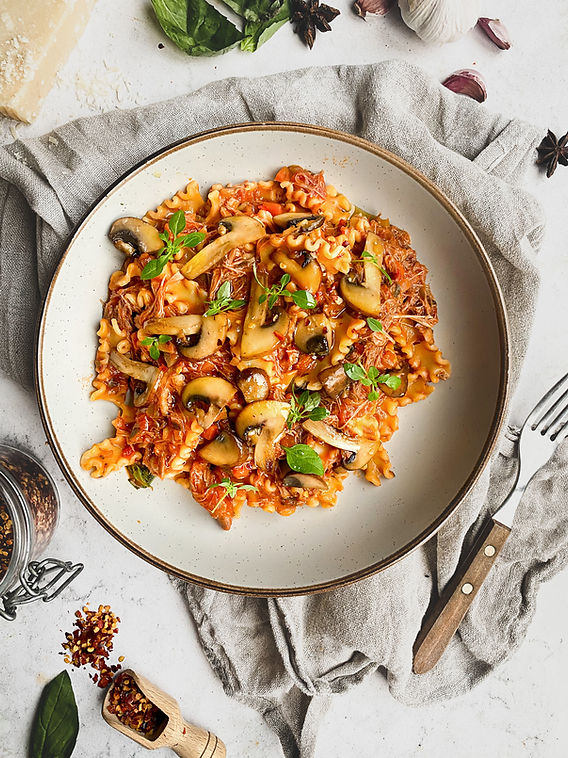
Youll end up with glossy noodles, speckled with sesame seeds, a swirl of bright red sauce, and a garnish of chopped peanuts that add a satisfying crunch. Its the kind of bowl that makes you want to take a second serving and maybe even a third.
Ingredients List
| Ingredient | Amount | Why it matters |
|---|---|---|
| Noodles (ramen, udon, or spaghetti) | 200g | Sturdy enough to hold the sauce; udon gives extra chew. |
| Smooth peanut butter | 2Tbsp | Creates the creamy, nutty base. |
| Gochujang paste | 1Tbsp | Provides the signature Korean heat and depth. |
| Soy sauce | 1Tbsp | Balances saltyumami notes. |
| Rice vinegar | 1Tbsp | Adds a bright acidity that cuts richness. |
| Sesame oil | 1Tbsp | Delivers a fragrant, toasted finish. |
| Garlic & ginger, minced | 1tsp each | Fresh aromatics that lift the sauce. |
| Optional protein (chicken, tofu, edamame) | 100g | Boosts the dish to ~20g protein per serving. |
| Veggies (broccoli, carrots, spinach) | 1cup | Fiber, color, and nutrients. |
| Water or broth | cup | Thins the sauce for soupier versions. |
| Garnish (chopped peanuts, scallions, sesame seeds) | Texture and visual appeal. |
All of these items are pantryfriendly, but feel free to swap in glutenfree noodles or tamari if youre watching your gluten intake.
StepbyStep Method
Prep (5min)
Start by boiling the noodles according to the package directions. Once aldente, drain and set them aside. While the waters heating, slice your chosen veggies and protein. Quick tip: if youre using chicken, season it lightly with salt and pepper so it doesnt compete with the sauces flavor.
Sauce Assembly (3min)
In a medium bowl, whisk together the peanut butter, gochujang, soy sauce, rice vinegar, sesame oil, minced garlic, ginger, and the cup of water or broth. The mixture should be smooth and glossy. If it looks too thick, add a splash more liquid youre aiming for a pourable consistency that will coat the noodles without pooling.
Combine & Finish (7min)
Heat a large skillet or wok over mediumhigh heat. Add a drizzle of sesame oil, then toss in the veggies and protein. Stirfry for 23minutes until theyre just tender. Add the cooked noodles, then pour the sauce over everything. Toss continuously for another 23minutes, letting the sauce thicken slightly and cling to each strand. If you prefer a soupier bowl, simply stir in an extra cup of broth at this point.
Optional Soup Twist (2min)
For a comforting noodle soup, increase the broth to 1cup, bring it to a gentle boil, and let the noodles soak up a bit of the flavor. Top with extra chopped peanuts and a drizzle of sesame oil for that final indulgent touch.
Chefs Pro Tips
- Keep the heat moderate when adding peanut butter; high heat can make it grainy.
- Reserve a splash of noodle cooking water and add it to the sauce for extra silkiness.
- If you like extra heat, stir in an additional halftablespoon of gochujang or a dash of chili oil.
When I first whipped this up after a marathon study session, the noodles kept me fueled for hours. That memory still makes me grin every time I hear that distinctive sizzle.
Variations & Twists
Peanut Gochujang Udon
Swap regular ramen for thick udon noodles and add a quick blanch of broccoli. The heftier noodle holds the sauce like a champion, making each bite heartier.
SoupStyle Version
Turn the dish into a warm bowl of peanut gochujang noodles soup by increasing the broth to 1cup, tossing in shiitake mushrooms, and finishing with a handful of spinach.
Chicken Edition
For a proteinpacked spin, grill or pansear bitesize chicken strips, then finish them in the sauce. This creates a gochujang chicken noodles recipe thats crispy on the outside, saucy on the inside.
Tofu & Veggies
Crumbled firm tofu works beautifully with the sauce, especially when you add bell peppers and snap peas. The tofu absorbs the flavor, making the dish satisfying for vegetarians.
HighProtein PlantBased
Follow the plantbaes approach: add edamame, lentils, or a scoop of pea protein powder. This bumps the protein content to over 30g per serving without compromising taste.
SpicySweet Balance
If you love an extra kick, up the gochujang by half a tablespoon and drizzle a teaspoon of honey. The sweetheat combo creates a deeper flavor layer that keeps you reaching for more.
Nutrition & Health
Macronutrients (per serving)
Approx. 450kcal, 20g protein, 15g fat (mostly unsaturated), 50g carbs. The dish offers a balanced mix of carbs for energy, protein for satiety, and healthy fats for heart health.
Key Benefits
- Peanut butter delivers monounsaturated fats that support cholesterol balance.
- Gochujangs fermented nature supplies probiotics that aid gut health.
- Capsaicin from gochujang may boost metabolism and improve circulation.
Potential Risks
People with peanut allergies should substitute almond butter or sunflower seed butter. The soy sauce contributes sodium, so if youre watching blood pressure, opt for lowsodium soy sauce or tamari. Finally, the spiciness can irritate sensitive stomachs start with less gochujang and adjust to taste.
Balanced Advice
Feel free to reduce the soy sauce by half and replace the rest with a dash of liquid aminos. If the heat feels overwhelming, swirl in a little extra peanut butter or a splash of coconut milk to mellow it out.
Quick Recipe Card
Ingredients
- 200g noodles
- 2Tbsp smooth peanut butter
- 1Tbsp gochujang paste
- 1Tbsp soy sauce
- 1Tbsp rice vinegar
- 1Tbsp sesame oil
- 1tsp each minced garlic & ginger
- cup water or broth
- Optional: 100g protein, 1cup veggies
- Garnish: chopped peanuts, scallions, sesame seeds
Steps
- Cook noodles, drain, set aside.
- Whisk sauce ingredients until smooth.
- Saut veggies & protein in sesame oil (23min).
- Add noodles, pour sauce, toss until coated (23min).
- Optional: add extra broth for soup version.
- Garnish and serve hot.
Prep & Cook Time
Prep: 5min|Cook: 15min|Total: 20min
Nutrition (approx.)
| Calories | Protein | Fat | Carbs | Sodium |
|---|---|---|---|---|
| 450kcal | 20g | 15g | 50g | 720mg |
Conclusion
There you have it a fast, flavorful, and flexible peanut gochujang noodles recipe that can swing from a quick dinner to a comforting soup in the blink of an eye. Whether you stick with classic ramen, branch out to udon, or load it up with tofu or chicken, the core combo of gochujang and peanut butter stays the hero that delivers both heat and heartwarming richness.
Give one of the variations a try, snap a photo, and share what you discovered maybe youll find the perfect balance of sweet, spicy, and nutty for your own kitchen. Your next favorite bowl is just a handful of pantry staples away.
FAQs
Can I make this recipe gluten‑free?
Yes! Swap regular noodles for rice noodles, gluten‑free udon, or shirataki noodles, and use tamari instead of soy sauce.
What can I use instead of peanut butter?
Almond butter, cashew butter, or sunflower seed butter work well for those with peanut allergies while keeping the creamy texture.
How do I adjust the heat level?
Reduce the gochujang to half a tablespoon for milder flavor, or add extra gochujang or a dash of chili oil for more spice.
Is this dish suitable for a vegan diet?
Absolutely—use plant‑based protein like tofu or edamame and choose a vegan soy sauce or tamari.
Can I turn this into a soup?
Yes, increase the broth to 1 cup (or more), let the noodles simmer briefly, and finish with extra peanuts and a drizzle of sesame oil.