Why Fried Rice Recipe Is a Kitchen Favorite
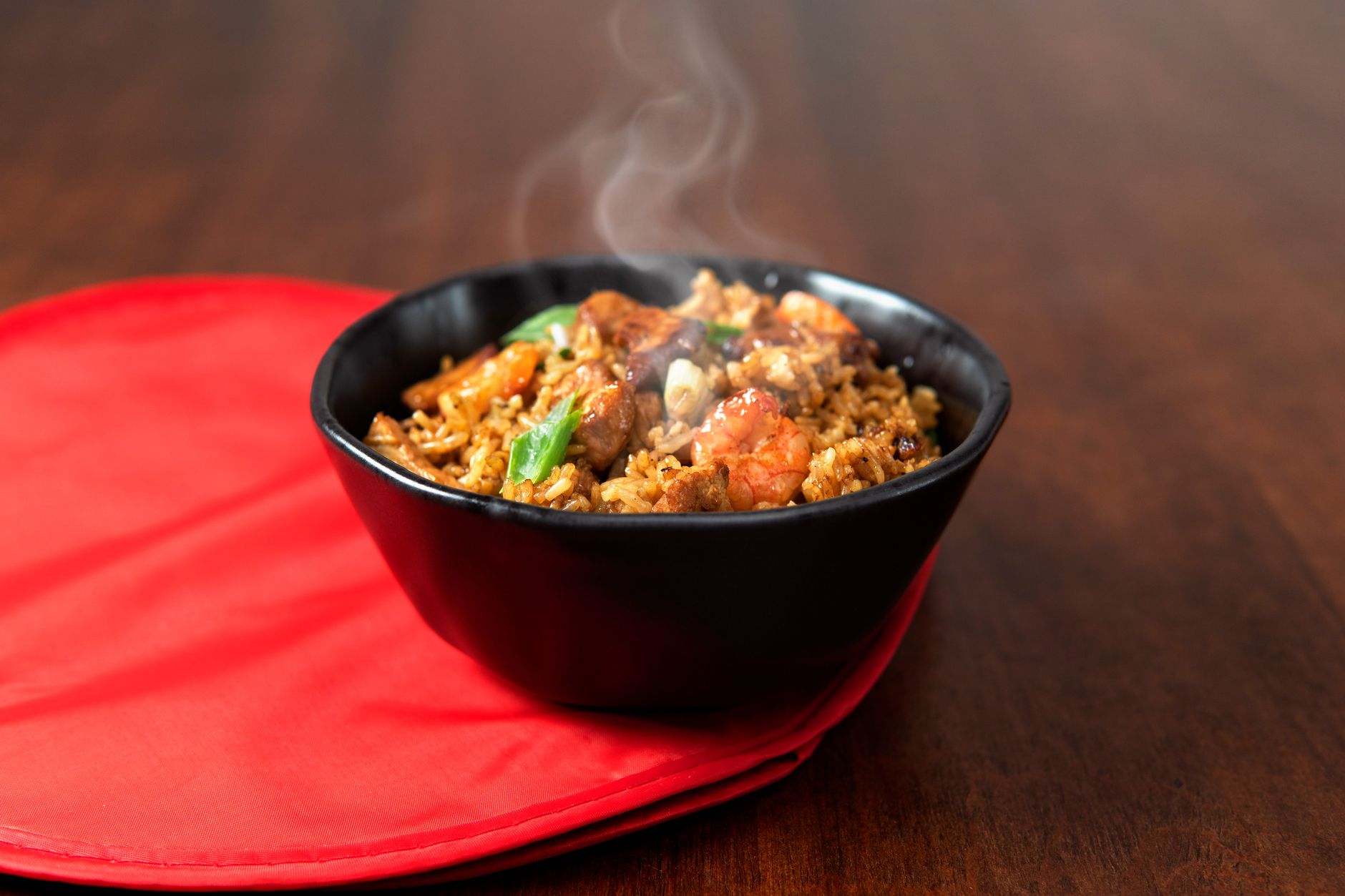
Imagine biting into a warm, golden plate of fried rice, each grain perfectly cooked and coated in savory sauce, combined with crisp vegetables and tender protein. Fried rice is more than comfort food—it‘s a versatile, quick dish that lets you creatively use leftovers while delivering a deliciously satisfying meal. This fried rice recipe captures those irresistible aromas and textures, making it a go-to for busy weeknights or casual gatherings. You’ll love how easy it is to customize with your favorite ingredients and how fast it comes together without sacrificing flavor.
Health Benefits & Nutrition
Fried rice can offer more than just taste; it can also be a nutritious choice. First, the combination of rice and vegetables provides a hearty source of fiber and essential vitamins like A and C. Studies from the Journal of Food Science confirm that stir-frying retains more nutrients than boiling vegetables. Adding protein such as eggs, chicken, or tofu boosts muscle-supporting amino acids and iron intake.
Including healthy fats through oils like sesame or olive oil contributes to heart health by providing unsaturated fats. However, keep an eye on sodium levels if you use soy sauce, especially if you are pregnant or managing hypertension. For those with allergies (soy, gluten), look for alternative sauces to keep the dish safe and enjoyable.
Ingredients & Preparation
Recipe Card
| Prep Time | 10 minutes |
|---|---|
| Cook Time | 15 minutes |
| Total Time | 25 minutes |
| Servings | 4 |
| Calories | 320 per serving |
| Diet Tags | Gluten-free option / Dairy-free / High-protein option |
Full Ingredient List
- 3 cups cooked jasmine rice (preferably day-old)
- 2 tablespoons vegetable oil or sesame oil
- 2 large eggs, beaten
- 1 cup diced cooked chicken, shrimp, or tofu
- 1 cup mixed vegetables (carrots, peas, bell peppers)
- 3 cloves garlic, minced
- 1 small onion, finely chopped
- 3 tablespoons low-sodium soy sauce
- 1 tablespoon oyster sauce (optional)
- 1 teaspoon freshly ground black pepper
- 2 green onions, sliced
- 1 teaspoon toasted sesame seeds for garnish (optional)
Equipment Needed
- Large non-stick skillet or wok
- Spatula or wooden spoon
- Mixing bowl for eggs
- Knife and cutting board
- Measuring spoons
Tips for Choosing Quality Ingredients
- Use day-old rice to avoid clumps and achieve a fluffy texture.
- Pick fresh, vibrant vegetables for the best crunch and color.
- Opt for organic eggs and protein when possible for richer flavor.
- Choose low-sodium soy sauce to control saltiness and enhance natural tastes.
- Select oils with high smoke points like vegetable or sesame oil for better frying.
Step-by-Step Instructions
Step 1: Prepare the Base (3 minutes)
Heat 1 tablespoon of vegetable or sesame oil over medium-high heat in a wok or large skillet. Add the beaten eggs, stirring constantly for 2-3 minutes until softly scrambled. Remove eggs from the pan and set aside.
Step 2: Sauté Aromatics & Vegetables (5 minutes)
In the same pan, add the remaining oil at 375°F (190°C). Toss in the minced garlic and chopped onion. Stir fry for 1-2 minutes until fragrant and translucent. Add the mixed vegetables and cook for another 3 minutes, stirring frequently to maintain crispness.
Step 3: Add Protein & Rice (4 minutes)
Introduce your chosen protein (chicken, shrimp, tofu) and cook until warmed through, around 2 minutes. Next, add the cold cooked rice, breaking up any clumps. Stir everything together, cooking for another 2 minutes over medium-high heat to allow the rice to crisp slightly.
Step 4: Season & Finish (3 minutes)
Pour the soy sauce and optional oyster sauce evenly over the rice mixture. Add black pepper and toss to combine thoroughly. Return the scrambled eggs to the pan, stirring gently. Add sliced green onions and cook for 1 more minute. Remove from heat.
Step 5: Serve
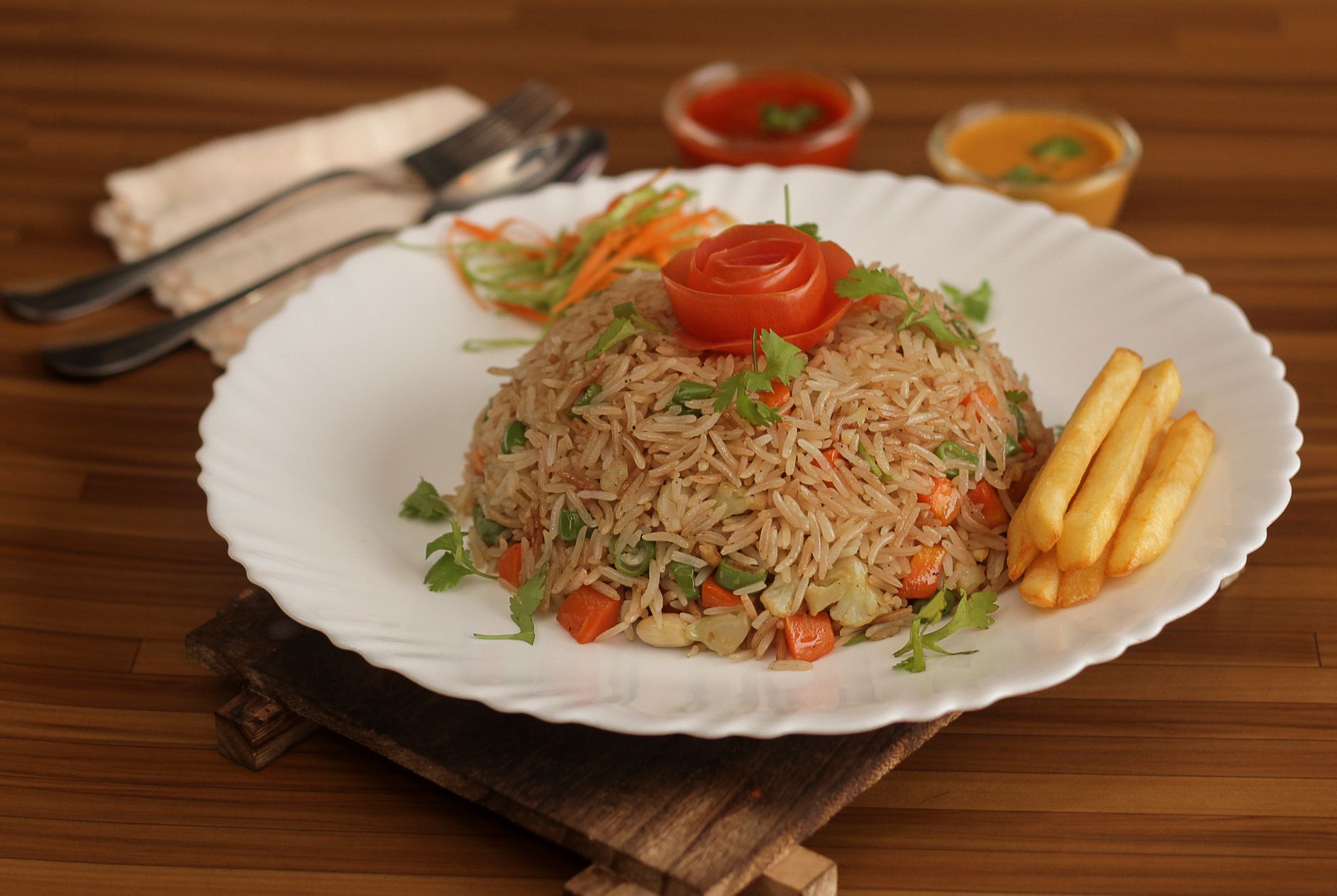
Dish out your fried rice onto plates. Garnish with toasted sesame seeds if desired. Enjoy the harmonious mix of textures and savory flavors you‘ve created.
Variations & Substitutions
- Vegetarian Fried Rice: Skip the meat and add extra vegetables like mushrooms, baby corn, or snow peas. Substitute oyster sauce with mushroom soy sauce for umami flavor.
- Spicy Fried Rice: Add diced fresh chili peppers or a tablespoon of chili garlic sauce when sautéing aromatics. Consider topping with pickled jalapeños for a tangy kick.
- Cauliflower Rice Substitute: For a low-carb option, use finely chopped cauliflower instead of rice. Stir fry quickly to maintain a slightly crunchy texture.
- Gluten-Free Version: Use tamari or coconut aminos in place of soy sauce to avoid gluten. Ensure oyster sauce is gluten-free or omitted.
Storage & Shelf Life
Transfer leftover fried rice to an airtight container. Store in the refrigerator, where it keeps well for 3–4 days. Before reheating, check for any sour smell or slimy texture, signs that spoilage has begun.
Fried rice also freezes nicely. Portion it out and freeze in sealed bags for up to 2 months. Thaw overnight in the fridge and reheat in a skillet over medium heat until piping hot. Avoid reheating multiple times to maintain food safety and quality.
Pro Tips for Perfect Fried Rice Every Time
- Use cold, day-old rice to prevent mushiness and ensure individual, crispy grains.
- Cook on high heat to get that coveted slightly charred, smoky "wok hei" flavor.
- Don’t overcrowd your pan—keeping space allows even cooking and crisp edges.
- Add eggs first and remove them before the rest of ingredients to avoid overcooking.
- Mix sauces in gradually rather than all at once to control flavor intensity.
When is the best time to eat Fried Rice Recipe?
Fried rice makes a perfect meal any time of the day—from a quick lunch to a comforting dinner. It also works wonderfully as a side dish or light meal during busy days. Its versatility means you can enjoy it fresh or as a way to revamp leftovers without stress.
Can I use freshly cooked rice instead of day-old rice?
While freshly cooked rice can work, it’s usually too soft and sticky for fried rice. Day-old rice dries out slightly, which helps achieve that fluffy, separate grain texture. If you must use fresh rice, spread it out to cool and dry before frying.
Is fried rice suitable for a low-calorie diet?
Fried rice can fit into a low-calorie diet when portioned correctly and loaded with vegetables and lean protein. Use minimal oil and low-sodium soy sauce to reduce calories and sodium intake.
How can I make fried rice vegetarian or vegan?
Replace eggs and meat with tofu, tempeh, or extra vegetables. Use soy sauce or tamari for seasoning, and opt for plant-based oils. Avoid oyster sauce or use mushroom-based equivalents.
Can I prepare fried rice in advance?
Yes, it reheats well. Make it one day ahead, refrigerate, and reheat quickly in a hot pan to revive textures. Avoid storing cooked rice at room temperature to prevent bacterial growth.
What oil is best for frying rice?
Oils with high smoke points like vegetable, peanut, or sesame oil are ideal. Sesame oil adds a nutty aroma but should be used sparingly due to strong flavor.
How do I prevent my fried rice from being soggy?
Always use cold, dry rice and avoid adding too much sauce. Cook on high heat and stir continuously to allow evaporation of excess moisture.
Can I freeze fried rice?
Absolutely. Portion cooked fried rice into freezer-safe containers and freeze up to two months. Thaw overnight and reheat thoroughly before serving.
More Recipes You Will Love
If you enjoy the rich and savory notes of fried rice, you might love adding a comforting bowl of Creamy tomato soup recipe to your meal repertoire. It’s a smooth and tangy complement to the crispy textures in fried rice.
For an easy flavor boost, you could also whip up a Simple herb butter recipe to toss with steamed vegetables or bread alongside your dish. These aromas and flavors will elevate your home cooking effortlessly.
Conclusion
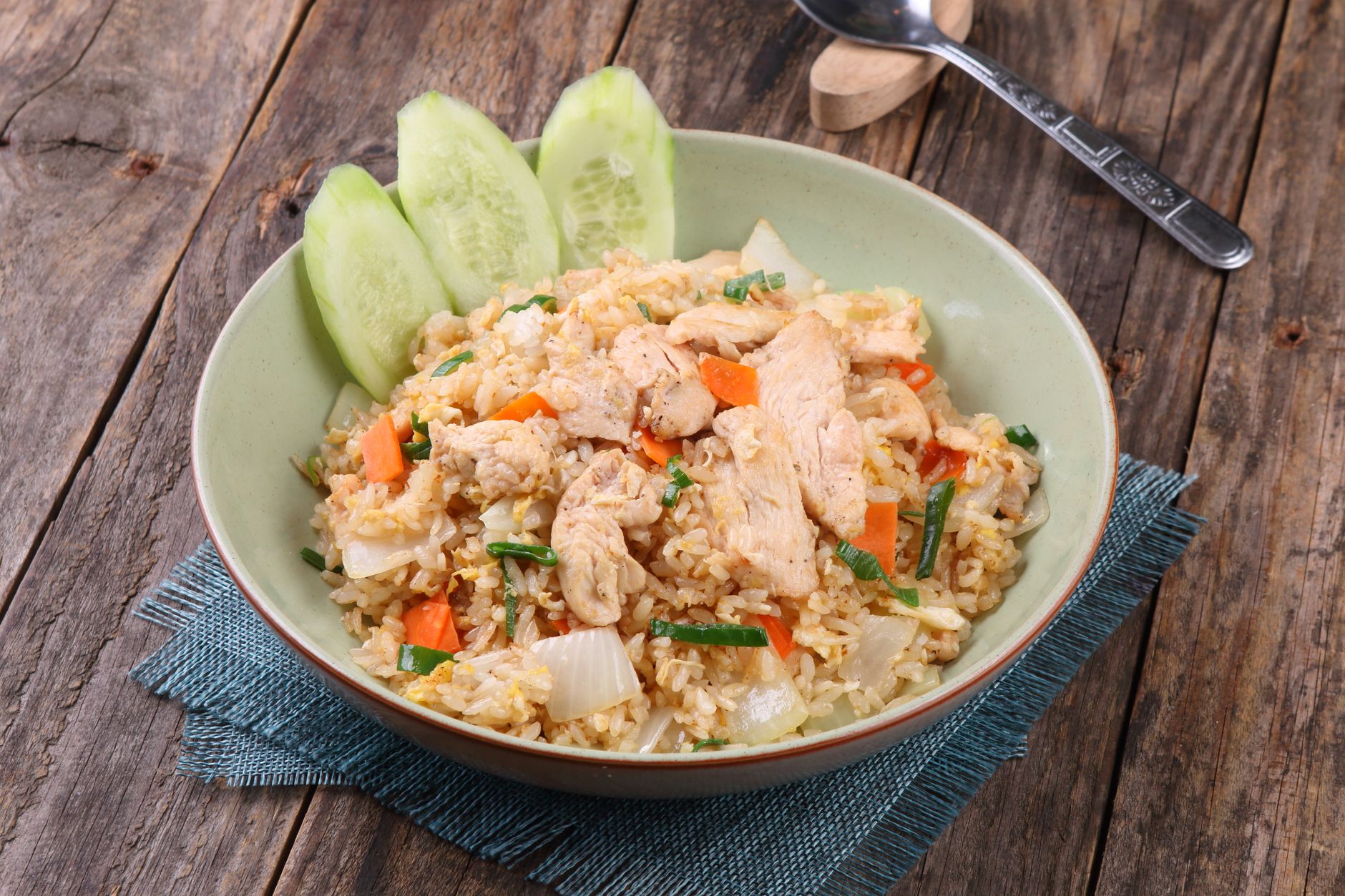
This fried rice recipe balances ease and flavor beautifully, giving you a golden, aromatic meal with tender protein and crisp vegetables. You can tailor it to your tastes, dietary needs, or the ingredients at hand, making it a staple for your kitchen. Share your favorite variations or cooking tips in the comments—we love hearing how you make fried rice your own. Happy cooking!
FAQs
When is the best time to eat Fried Rice Recipe?
The best time to eat fried rice is anytime you want a quick, satisfying meal. It works perfectly for lunch, dinner, or even as a hearty snack between meals. It's especially convenient on busy days or when using leftovers.
Can I make fried rice recipe with leftover rice?
Yes, using day-old leftover rice is ideal for fried rice. It has a drier texture, preventing clumps and helping each grain stay fluffy and separate when stir-fried.
What protein options work best in this fried rice recipe?
You can use chicken, shrimp, tofu, or eggs as protein in fried rice. Choose cooked or pre-cooked proteins to save time and ensure they are heated through properly in the stir-fry process.
Is this fried rice recipe suitable for a gluten-free diet?
This fried rice can be made gluten-free by using gluten-free soy sauce or tamari and avoiding oyster sauce or alternative gluten-free versions. This keeps the dish safe and delicious for those with gluten sensitivities.
How can I make this fried rice recipe healthier?
To make it healthier, use more vegetables, opt for low-sodium soy sauce, and cook with heart-healthy oils like sesame or olive oil. Using lean protein and controlling oil amounts also helps maintain nutrition.