Why Choose a Fresh Fruit Platter Recipe?
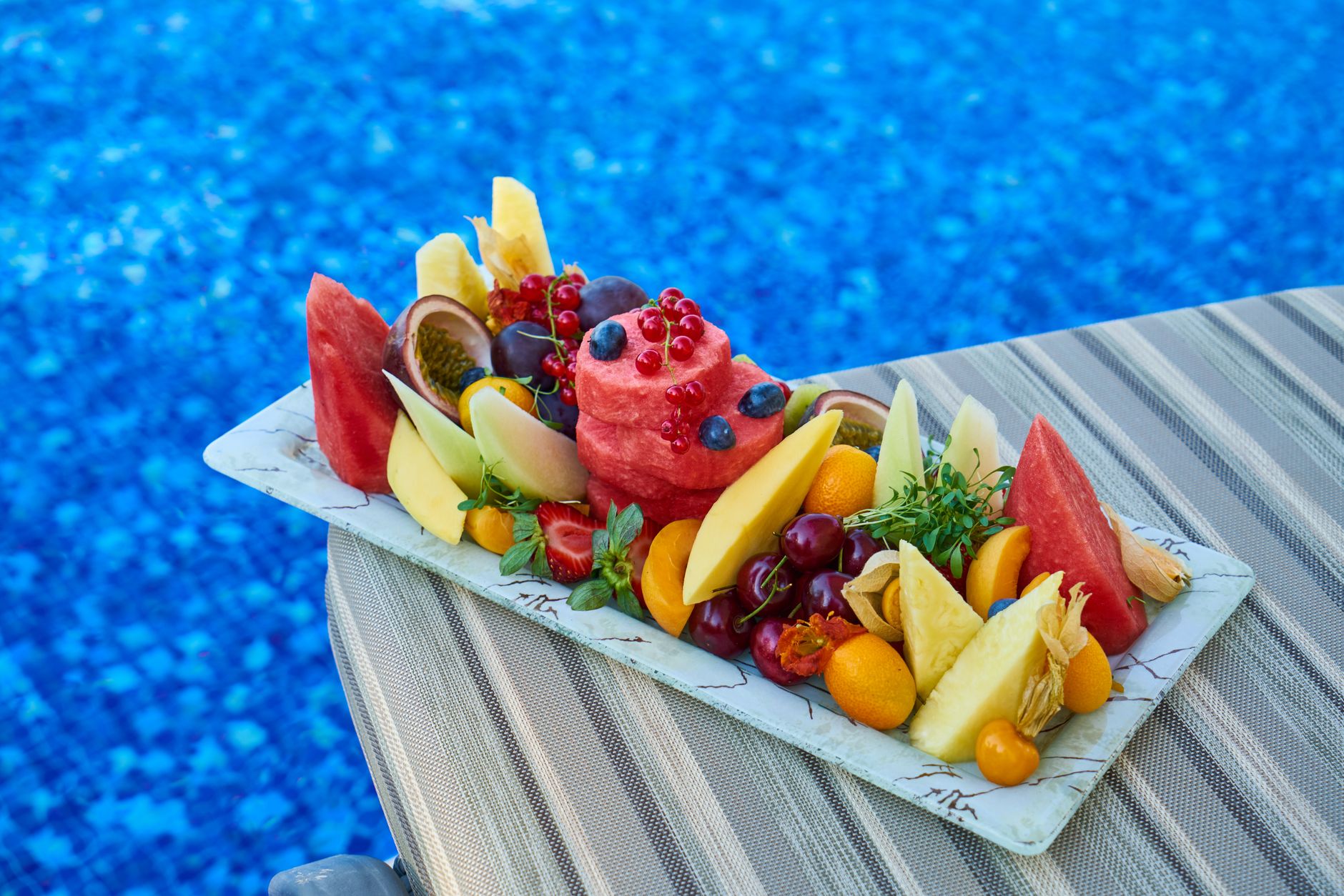
Imagine a burst of golden pineapple sweetness, juicy grapes, and the tangy zest of ripe papaya all arranged on a vibrant platter. A fresh fruit platter recipe offers more than just colorful appeal—it’s an invitation for your senses to explore nature’s candy. This refreshing snack blends the crisp, juicy textures of tropical fruits with a natural, healthful sweetness. Whether you’re hosting a summer gathering or craving a light, energizing treat, a tropical fruit platter brightens any table with flavors and aromas that awaken your taste buds.
Health Benefits & Nutrition
Fresh tropical fruits provide a treasure trove of nutrients that support your well-being. Here are a few key benefits:
- Rich in antioxidants: Fruits like blueberries and figs help combat oxidative stress and support cellular health (Nutrients Journal, 2019).
- High fiber content: Dietary fiber from melons and raspberries promotes digestive health and a feeling of fullness.
- Boosts immunity: Vitamin C, abundant in strawberries and pineapple, strengthens immune defense mechanisms.
- Hydration and low calories: Many tropical fruits have a high water content, aiding hydration without adding excess calories.
Note: If you have allergies to certain fruits or are pregnant, consult with a healthcare provider as some exotic fruits may cause reactions or interact with medications.
Ingredients & Preparation
Recipe Card
| Prep Time | 15 minutes |
|---|---|
| Total Time | 15 minutes |
| Servings | 10–12 |
| Calories per Serving | 133 |
| Diet Tags | Vegan, Gluten-Free, Dairy-Free, Nut-Free |
Full Ingredient List
- 2 small ripe melons (cantaloupe, honeydew, or Galia)
- 1 golden pineapple
- 2 bunches seedless grapes
- 1 pint fresh figs
- 1 pint raspberries
- 1 pint strawberries
- 1 pint blueberries
- 1 red papaya
- Optional: lemon or galax leaves for garnish (pesticide-free)
Equipment Needed
- Sharp chef’s knife
- Cutting board
- Large serving platter
- Spoon or melon baller
Tips for Choosing Quality Ingredients
To elevate your platter, select ripe, fragrant fruits with vibrant colors. Melons should yield slightly when pressed near the stem and smell sweet. Pineapples are golden with firm leaves. Choose berries free from mold or softness. For grapes and figs, look for plump, intact skins. Buying seasonal fruits guarantees freshness and peak flavor.
Step-by-Step Instructions
Step 1: Prepare the Melons – 5 minutes
Start by peeling the melons completely. Slice each melon in half through the stem end and scoop out the seeds with a spoon. Place each half cut side down on your board and slice into ½-inch-thick rounds. Fan out the slices slightly and arrange them as the base on your serving platter.
Step 2: Slice the Pineapple – 5 minutes
Cut off the top and bottom of the pineapple. Use a sharp knife to remove the rough skin and "eyes." Then halve the pineapple lengthwise and carve out the core by cutting a V-shape down the center of each half. Lay the halves cut side down on the board and cut into ½-inch slices. Fan these slices next to the melons on the platter for a golden splash of color.
Step 3: Add Grapes and Papaya – 3 minutes
Choose a large bunch of grapes to place vertically on the platter, creating a focal point with height. Peel the papaya, cut it lengthwise, remove seeds, and slice thinly or cut decoratively. Adding this tall element balances the overall look with an eye-catching centerpiece.
Step 4: Arrange Berries and Figs – 2 minutes
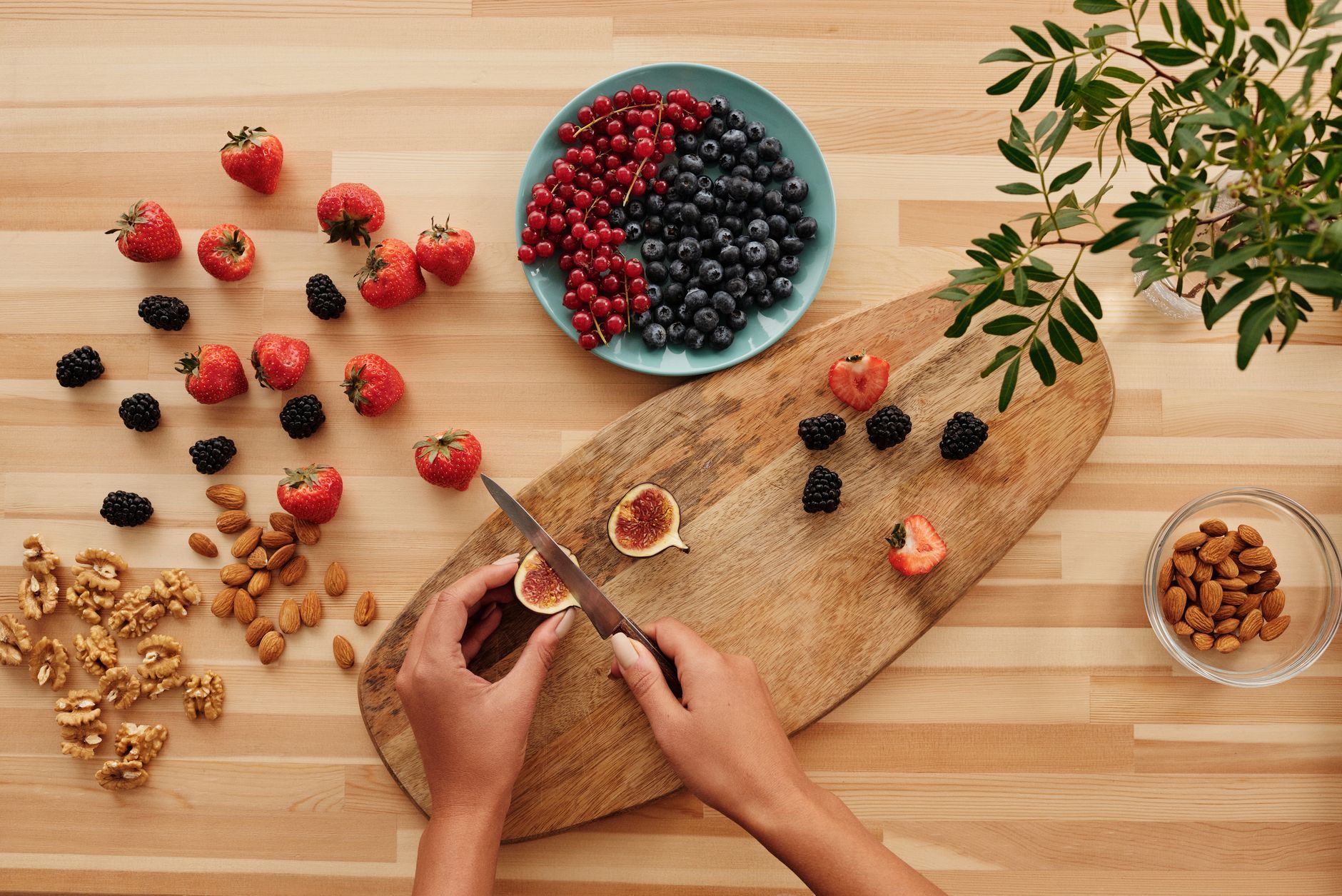
Group raspberries, strawberries, blueberries, and halved fresh figs in neat, casual clusters around the melons and pineapple slices. Keep colors separated to prevent the platter from looking too busy. This helps the natural beauty of each fruit stand out.
Step 5: Garnish and Final Touches – 1 minute
For a pop of green and elegance, surround the fruits with pesticide-free lemon, galax, fig, or grape leaves. These leaves frame the fruits and highlight their vibrant colors, giving your platter a professional, lush appearance.
Fresh Fruit Platter Recipe:
Following these precise steps ensures a stunning, delicious fruit spread ready to impress within 15 minutes.
Variations & Substitutions
- Add Exotic Fruits: For a tropical twist, layer in mango slices, passion fruit pulp, or kiwi slices for a zingy contrast.
- Swap Berries: Use blackberries or pomegranate seeds if raspberries aren’t available. Both add juicy bursts and rich color.
- Include Stone Fruits: Replace figs with fresh apricots, nectarines, or sliced peaches during summer seasons for an earthy sweetness.
- Vegan-Friendly Toppings: Sprinkle chopped mint leaves or a squeeze of fresh lime juice to add brightness without altering the natural sweetness.
Storage & Shelf Life
Keep your fruit platter fresh by refrigerating it in an airtight container. It will stay vibrant up to 2 days when properly covered. Avoid freezing the platter as the texture of many fruits, especially berries and melons, changes significantly when thawed.
Signs your fruit platter has spoiled include off odors, mushy textures, and visible mold. If you notice any slimy surfaces or discoloration, discard the affected fruit immediately to prevent spoilage spreading.
Pro Tips
- Use a serrated knife for cutting softer fruits like papaya and figs to avoid crushing their flesh.
- Peel the pineapple carefully and remove eyes using a diagonal slicing method for cleaner cuts.
- Arrange fruits in groups rather than randomly scattering them; this preserves their appeal and flavor integrity.
- To prevent staining from berries, place a thin layer of parchment paper beneath them if the platter is prepped in advance.
- For a creamier texture contrast, offer a side of coconut yogurt or a citrus-honey drizzle.
When is the best time to eat Fresh Fruit Platter Recipe?
The best time to enjoy a fresh fruit platter is as a mid-morning or afternoon snack when your energy dips. It’s also perfect as a light, refreshing dessert after meals, especially during warm weather when tropical fruits hit their peak flavor.
Can I prepare the fruit platter in advance?
Yes, but arrange the fruit just before serving if possible. If prepping ahead, store cut fruit separately in airtight containers and assemble closer to serving time to maintain freshness and appearance.
How can I prevent fruits from browning?
Apply a light coating of lemon or lime juice to fruits like melons and papaya to slow oxidation, keeping their vibrant look longer.
Are tropical fruit platters suitable for children?
Absolutely! Most tropical fruits are sweet and juicy, making them kid-friendly. Be sure to cut any firmer fruits into manageable pieces to avoid choking hazards.
Can I use canned fruits instead of fresh?
Fresh fruits offer superior texture and flavor. Canned fruits tend to be softer and contain added sugars, which may dilute the natural freshness of the platter.
What are good dips to serve with a tropical fruit platter?
Consider pairing with Greek yogurt mixed with honey, a tangy lime-chili dressing, or a creamy coconut dip to complement the sweet fruits.
How can I make my platter more visually appealing?
Balance colors and shapes—alternate round berries with sliced melons and angular pineapple chunks. Adding green leaves as accents enhances the tropical ambiance.
More Recipes You Will Love
If you enjoy vibrant, fresh snacks, try the Virginia ham and cheese balls recipe 1915928 for a savory contrast at your next party. For something sweet and tropical, the Guava sparkler cheesecake factory offers a creamy delight that pairs wonderfully with fresh fruit.
Conclusion
This tropical fruit platter recipe brings a sweet, tangy, and juicy symphony to your snack table. The fresh, vibrant ingredients combine effortlessly to create a beautiful, nutritious spread perfect for any occasion. Feel free to share your favorite fruit combos or plating ideas below. Your comments and ratings help others discover how easy and rewarding fresh fruit platters can be!
FAQs
When is the best time to eat Fresh Fruit Platter Recipe?
The best time to enjoy a Fresh Fruit Platter Recipe is during warm weather or as a light snack between meals. It’s also perfect for brunches, parties, or when you want a refreshing and nutritious treat at any time of day.
Can I prepare the Fresh Fruit Platter Recipe in advance?
Yes, you can prepare most of the fruit ahead of time and assemble the platter shortly before serving. To keep fruits fresh, store cut pieces in airtight containers in the refrigerator and add delicate fruits like berries just before serving.
What fruits work best in a Fresh Fruit Platter Recipe?
Tropical fruits such as pineapple, papaya, melons, grapes, figs, raspberries, strawberries, and blueberries offer a colorful mix of flavors and textures that work best for a fresh fruit platter.
How can I make the Fresh Fruit Platter Recipe more appealing?
Arrange fruits in varying heights and colors to create visual interest. Use leaves or edible flowers for garnish, and combine different shapes like slices, rounds, and bunches for a stunning display.
Is the Fresh Fruit Platter Recipe suitable for special diets?
Yes, this Fresh Fruit Platter Recipe is naturally vegan, gluten-free, dairy-free, and nut-free, making it suitable for many dietary needs and preferences.