Why Fire Roasted Tomato Blender Salsa?
The blender fills with a smoky tomato aroma before you even reach for a tortilla chip.
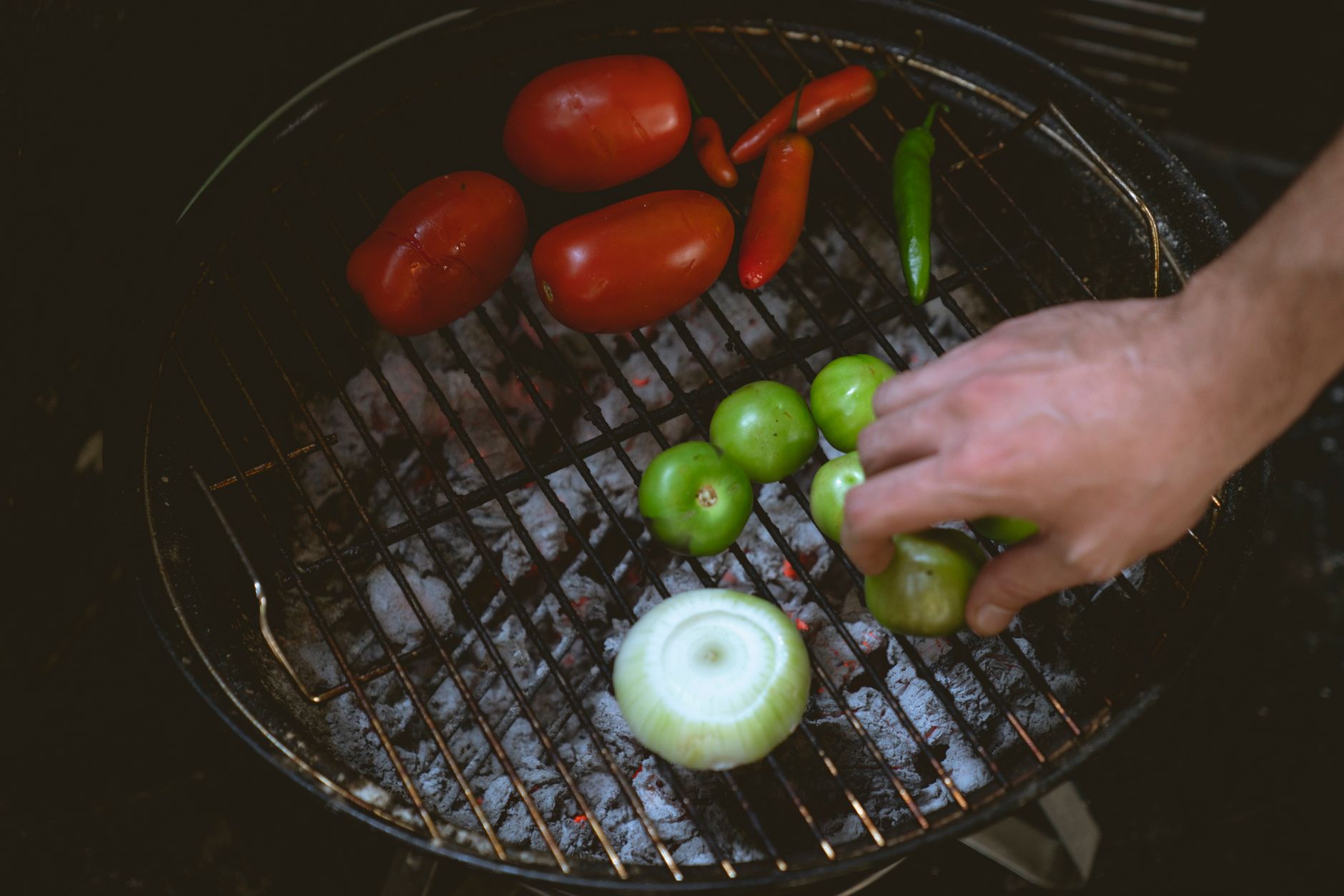
Fire Roasted Tomato Blender Salsa is a quick Mexican-inspired dip made by pulsing canned fire-roasted tomatoes with cilantro, garlic, jalapeño, red onion, lime juice, and salt. The salsa takes about 10 minutes, needs no cooking, and has a chunky, spoonable texture that works with chips, tacos, eggs, grilled chicken, and rice bowls.
I make this when I want fresh salsa flavor without roasting vegetables one by one. The canned tomatoes provide a gentle char, while lime and cilantro keep the finished dip bright. You can control the heat easily by removing the jalapeño seeds or leaving some behind.

Health Benefits & Nutrition
This salsa is light but full of fresh flavor. It adds vegetables, herbs, and citrus to a meal without relying on cream, cheese, or a large amount of oil.
- Tomatoes provide vitamin-rich produce. Tomatoes contribute vitamin C, potassium, and naturally occurring antioxidants such as lycopene. The exact amount varies by brand and processing method.
- Cilantro and lime add freshness. Fresh cilantro contributes small amounts of vitamins and minerals, while lime juice brings acidity and vitamin C. Together, they help the salsa taste lively without added sugar.
- The recipe is naturally low in fat. There is no oil in the basic version, so the dip stays light while still tasting satisfying with crunchy chips or savory food.
- Vegetables and aromatics add texture and flavor. Onion, jalapeño, garlic, and tomatoes make a small serving feel more substantial than a plain sauce.
A six-serving batch contains approximately 20 calories per serving, with about 4 grams of carbohydrates, 1 gram of protein, and little to no fat. Sodium depends mainly on the canned tomatoes and salt. Use no-salt-added tomatoes and reduce the kosher salt if you need to limit sodium.
People with tomato, onion, garlic, cilantro, or pepper sensitivities should avoid the relevant ingredient or ask a qualified healthcare professional for personal guidance. Canned products can also vary in sodium, so check the label when that matters for your diet.
Ingredients & Preparation
Recipe Card
| Prep time | Cook time | Total time | Servings | Calories (approx) | Diet tags |
|---|---|---|---|---|---|
| 10 minutes | 0 minutes | 10 minutes | 6 | 20 per serving | Vegetarian, vegan, gluten-free |
Full Ingredient List
- 1/2 cup packed fresh cilantro leaves and thin stems only
- 1 can, 15 ounces, fire-roasted diced tomatoes, with juices
- 2 garlic cloves, peeled
- 1 jalapeño, seeded and chopped
- 1/2 small red onion, chopped
- Juice of 1 lime, about 2 tablespoons
- 1 1/2 teaspoons kosher salt
Equipment Needed
- Blender or food processor
- Chef’s knife and cutting board
- Citrus juicer or fork
- Rubber spatula
- Serving bowl with a lid or airtight storage container
Tips for Choosing Quality Ingredients
Choose a can of fire-roasted diced tomatoes with a clean, simple ingredient list. The tomatoes should smell pleasantly smoky when the can is opened, not bitter or strongly vinegary. Brands vary in dice size, but smaller pieces usually blend into a smoother salsa more quickly.
Look for cilantro with bright green leaves and firm stems. Wilted herbs can make the salsa taste muddy. A lime that feels heavy for its size usually has more juice, and a firm jalapeño gives better flavor than one with soft spots.
Red onion brings a mild sweetness and attractive color. If your onion tastes especially sharp, rinse the chopped pieces under cold water and drain them well before blending. That small step softens the raw edge without cooking the onion.

Step-by-Step Instructions
1. Prepare the fresh ingredients for 3 minutes
Rinse and dry the cilantro, then separate the leaves and thin stems from the tougher lower stems. Peel the garlic, chop the jalapeño and red onion into roughly 1/2-inch pieces, and juice the lime. Keep the tomato juices in the can; they help the blades move and carry the flavors through the mixture.
2. Load the blender in the correct order for 1 minute
Add the cilantro first, followed by the fire-roasted tomatoes and their juices, garlic, jalapeño, red onion, lime juice, and kosher salt. This order places the softer, wetter ingredients near the blades and helps prevent onion and cilantro from sticking high on the sides.
3. Pulse on medium speed for 30 seconds
Pulse the mixture about 8 to 12 times, using short bursts of 2 to 3 seconds. Stop once the vegetables are broken down but still visibly chunky. The salsa should look red with green flecks, and you should hear small pieces moving rather than a continuous liquid whirl.
4. Scrape and pulse for 15 seconds
Turn off the blender and scrape the sides with a rubber spatula. Pulse another 3 to 5 times, or for approximately 15 seconds total. The finished texture should be spoonable, not smooth like tomato soup. The first time I made it, I blended continuously and ended up with a thin purée, so short pulses make a noticeable difference.
5. Taste and rest for 1 minute
Taste the salsa with a clean spoon. Add a small pinch of salt or a teaspoon of lime juice only if needed, then let it stand for 1 minute before serving. You should smell the roasted tomato first, followed by fresh cilantro and a gentle jalapeño aroma.
Variations & Substitutions
- Milder salsa: Replace the jalapeño with 1/4 cup chopped green bell pepper. You will keep the green flavor and remove most of the heat. For a little warmth, use half a seeded jalapeño instead.
- Hotter salsa: Leave the seeds and inner ribs in one jalapeño, or replace it with one serrano pepper. Start with one pepper, pulse, and taste before adding more.
- Roasted garlic version: Use 2 roasted garlic cloves instead of raw garlic. Roasted garlic tastes sweeter and softer, but the salsa will lose some of the sharp, fresh garlic bite.
- Chunkier restaurant-style version: Set aside 1/2 cup of the tomatoes and 2 tablespoons of the onion. Pulse the remaining ingredients, then stir the reserved pieces in by hand.
- Smokier flavor: Add 1/4 teaspoon ground cumin or 1/8 teaspoon smoked paprika. Use a small amount; too much can cover the lime and cilantro.
- More texture and sweetness: Stir in 1/2 cup finely chopped fresh tomato after blending. This works best when serving the salsa immediately because fresh tomato releases water during storage.
- Tomatillo-style variation: Replace half of the canned tomatoes with 8 ounces of drained canned tomatillos. Add lime gradually because tomatillos are already quite tart.
I tested this with a large sweet onion, but it overwhelmed the tomatoes and made the salsa watery after chilling. A small red onion gives a better balance. I also found that dried cilantro does not work well here; it lacks the fresh aroma that makes this quick salsa taste lively.
For a full meal with a smoky, savory filling, serve this alongside Poblano stuffed with chorizo shrimp and rice recipe. The cool, acidic salsa cuts through the richness of the stuffed peppers.
Storage & Shelf Life
Transfer the salsa to a clean airtight container and refrigerate it within 2 hours of preparation. It keeps well in the refrigerator for up to 4 days. Stir before serving because the tomato juices naturally separate from the vegetable pieces.
The flavor is usually brightest on the first and second day. By day four, the cilantro may darken and the onion flavor may become stronger. Keep the container covered to prevent the salsa from absorbing odors from other foods.
Freezing is possible, but it changes the texture. Freeze the salsa in small, freezer-safe containers, leaving a little room for expansion. Thaw it overnight in the refrigerator, drain excess liquid, and stir well. For a fresher texture, add a little chopped cilantro and lime juice after thawing.
Discard the salsa if it develops an unpleasant fermented smell, fuzzy growth, unusual discoloration, a slimy texture, or visible mold. Do not taste food to check whether it has spoiled. When in doubt, throw it away.
Pro Tips
Use pulses instead of a long blend. A blender creates heat and shear quickly. Short bursts keep the onion and jalapeño distinct, giving you the loose, chunky texture expected from a dipping salsa.
Keep the tomato juice. The liquid from the can helps the blade catch the ingredients. Draining the tomatoes can force you to add water later, which dilutes the roasted flavor.
Cut the onion and jalapeño evenly. Large pieces can sit above the blade while small pieces become mushy. Even 1/2-inch pieces break down at a similar rate.
Control heat before blending. The seeds and pale inner ribs contain much of a pepper’s heat. Remove all of them for a mild salsa, or leave a portion in if you want more bite. Wear gloves if hot peppers irritate your skin.
Adjust salt after pulsing. Salt tastes more evenly distributed after the ingredients are broken down. Add it gradually because canned tomatoes may already contain sodium.
Prevent tomato staining. Rinse the blender jar soon after use, especially if it is light-colored plastic. A short soak in warm water with dish soap loosens the red film before it sets.
Give the salsa a brief rest. Even a one-minute rest lets the garlic, onion, and lime settle into the tomatoes. For a softer onion flavor, refrigerate the salsa for 30 minutes before serving.
Questions & Answers
When is the best time to eat Fire Roasted Tomato Blender Salsa?
The best time to eat this salsa is immediately after blending or within two days. Freshly made salsa has the brightest cilantro, lime, and roasted tomato flavors. Chilling it for 30 minutes softens the onion and melds the seasonings, while longer storage gradually mutes the herbs.
Can I make this salsa without a blender?
Yes, you can make it with a food processor or by hand. For a hand-chopped version, mince the cilantro, garlic, jalapeño, and onion, then stir them with the tomatoes, lime juice, and salt. The hand-cut salsa will be chunkier and may need 10 minutes of resting time.
How do I make the salsa less spicy?
Remove the jalapeño seeds and inner ribs, then use only half of the pepper if necessary. You can also replace the jalapeño with 1/4 cup chopped green bell pepper. Avoid adding extra tomatoes to dilute the heat too much, because that can make the salsa watery.
Why is my blender salsa watery?
Your salsa is probably watery because it was blended too long or the fresh ingredients released extra liquid. Use short pulses and stop while small pieces remain visible. If the salsa is already thin, drain a little liquid, stir in reserved chopped tomatoes, and chill it for 30 minutes.
Can I use fresh tomatoes instead of canned fire-roasted tomatoes?
Yes, but the flavor will be different. Use about 2 cups chopped ripe tomatoes and add 1/4 teaspoon smoked paprika if you want a gentle smoky note. Fresh tomatoes contain more variable amounts of water, so drain some juice if the mixture becomes loose.
What can I serve with this salsa?
Serve it with tortilla chips, tacos, quesadillas, grilled fish, eggs, rice bowls, beans, or roasted vegetables. It also works as a bright topping for chicken or steak. For a creamy companion, pair it with this Salsa di queso recipe.
Can I double the recipe?
Yes, you can double the ingredients, but blend in two batches if your blender jar is small. Overfilling makes it harder to maintain a chunky texture and can leave ingredients stuck above the blades. Taste each batch separately, then combine and adjust the salt at the end.
More Recipes You Will Love
If you enjoy bright, smoky toppings, try serving this salsa with the Poblano stuffed with chorizo shrimp and rice recipe. Its roasted pepper flavor pairs naturally with the tomato, lime, and jalapeño in this dip.
For a richer party spread, add the Salsa di queso recipe beside a bowl of this fresh salsa. The cool acidity and creamy cheese sauce give guests two contrasting options for chips, tacos, and vegetables.
You can also make a simple snack board with tortilla chips, sliced avocado, black beans, lime wedges, and this salsa. The ingredients are easy to prepare ahead, and the colors make the platter inviting without much extra work.
Conclusion
Fire Roasted Tomato Blender Salsa brings smoky tomato flavor to the table in just 10 minutes. Keep the tomato juices, pulse in short bursts, and taste the salt only after the mixture is broken down. Those small techniques produce a chunky, balanced salsa instead of a thin purée. Serve it fresh with chips or spoon it over your favorite Mexican-inspired meals. If you make it, leave a rating or comment and share how you adjusted the heat.
FAQs
When is the best time to eat Fire Roasted Tomato Blender Salsa?
The best time to eat Fire Roasted Tomato Blender Salsa is within a day or two of making it, when the cilantro and lime taste brightest. It works well as a chip dip before dinner, spooned over tacos or eggs, served with grilled chicken, or added to rice bowls. Because the recipe needs no cooking, you can make a fresh batch whenever you need a quick topping.
How long does Fire Roasted Tomato Blender Salsa last in the fridge?
Store Fire Roasted Tomato Blender Salsa in an airtight container in the refrigerator and use it within a few days for the best flavor and texture. The lime and cilantro can fade over time, so stir the salsa before serving. Discard any batch that smells sour, looks off, or has been left out at room temperature for too long.
How do I make Fire Roasted Tomato Blender Salsa less spicy?
To make Fire Roasted Tomato Blender Salsa less spicy, remove all the seeds and white membranes from the jalapeño before chopping it. You can also use only half the pepper or leave it out completely. Adding a little extra lime juice or cilantro can balance the heat without changing the basic recipe.
Can I use fresh tomatoes instead of canned fire-roasted tomatoes?
Yes, fresh tomatoes can replace canned fire-roasted tomatoes in Fire Roasted Tomato Blender Salsa, but the smoky flavor will be milder. To add some char, broil or grill the fresh tomatoes until their skins blister, then let them cool before blending. Drain excess juice so the salsa keeps a chunky, spoonable texture.
Why is my Fire Roasted Tomato Blender Salsa too watery?
If Fire Roasted Tomato Blender Salsa is too watery, pour off some of the liquid from the can before blending, or add a little more chopped onion or cilantro for body. Pulse the ingredients in short bursts instead of running the blender continuously, which keeps the texture chunky rather than thin and foamy.