Introduction
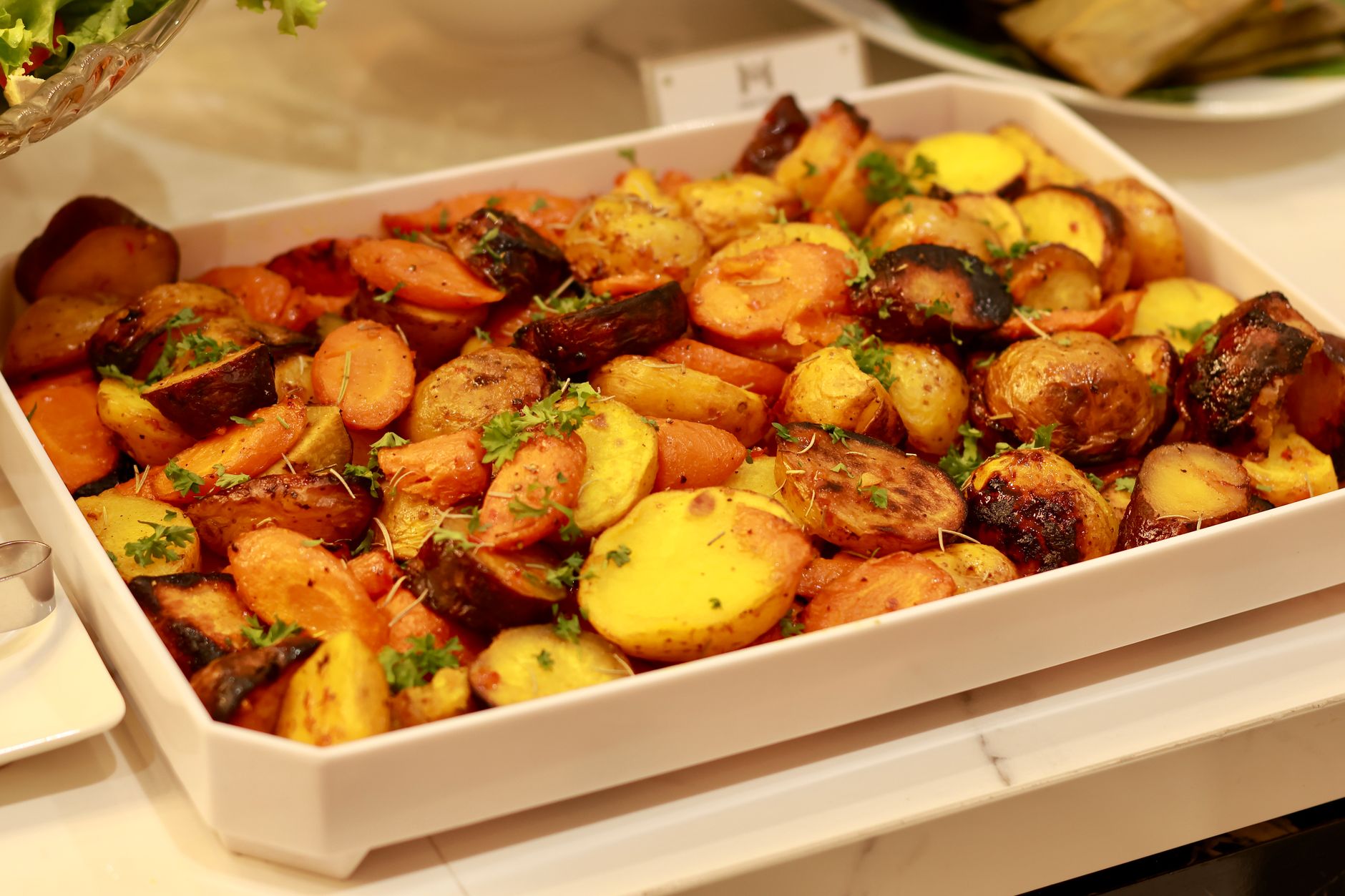
Roasting vegetables brings out their natural sweetness and texture. With an easy seasoning for roasted vegetables, you can transform plain veggies into a dish bursting with bright, savory flavor. This simple seasoning for roasted veggies relies on just a handful of common herbs and spices, combined with olive oil roasting technique to create crispy, golden edges. Its a quick way to enhance roasted vegetable flavor without fuss, perfect for weeknight dinners or meal prep.
Whether youre a beginner in the kitchen or a seasoned cook, this vegan roasted vegetable seasoning blends pantry staples for maximum taste. Its gluten-free, dairy-free, and adaptable to many diets. Best of all, it saves time while elevating your roasted vegetable game.
Key Highlights
Balanced flavor profile
This easy seasoning for roasted vegetables combines garlic powder, smoky paprika, fragrant dried herbs, and fresh lemon zest. The garlic powder adds depth, while smoked paprika lends gently sweet smokiness without overpowering. The dried thymes earthy aroma complements the citrus brightness from lemon zest, creating a perfect balance. Each component enhances the natural sweetness of oven-roasted vegetables seasoning without overshadowing their flavors.
Versatility for vegetables
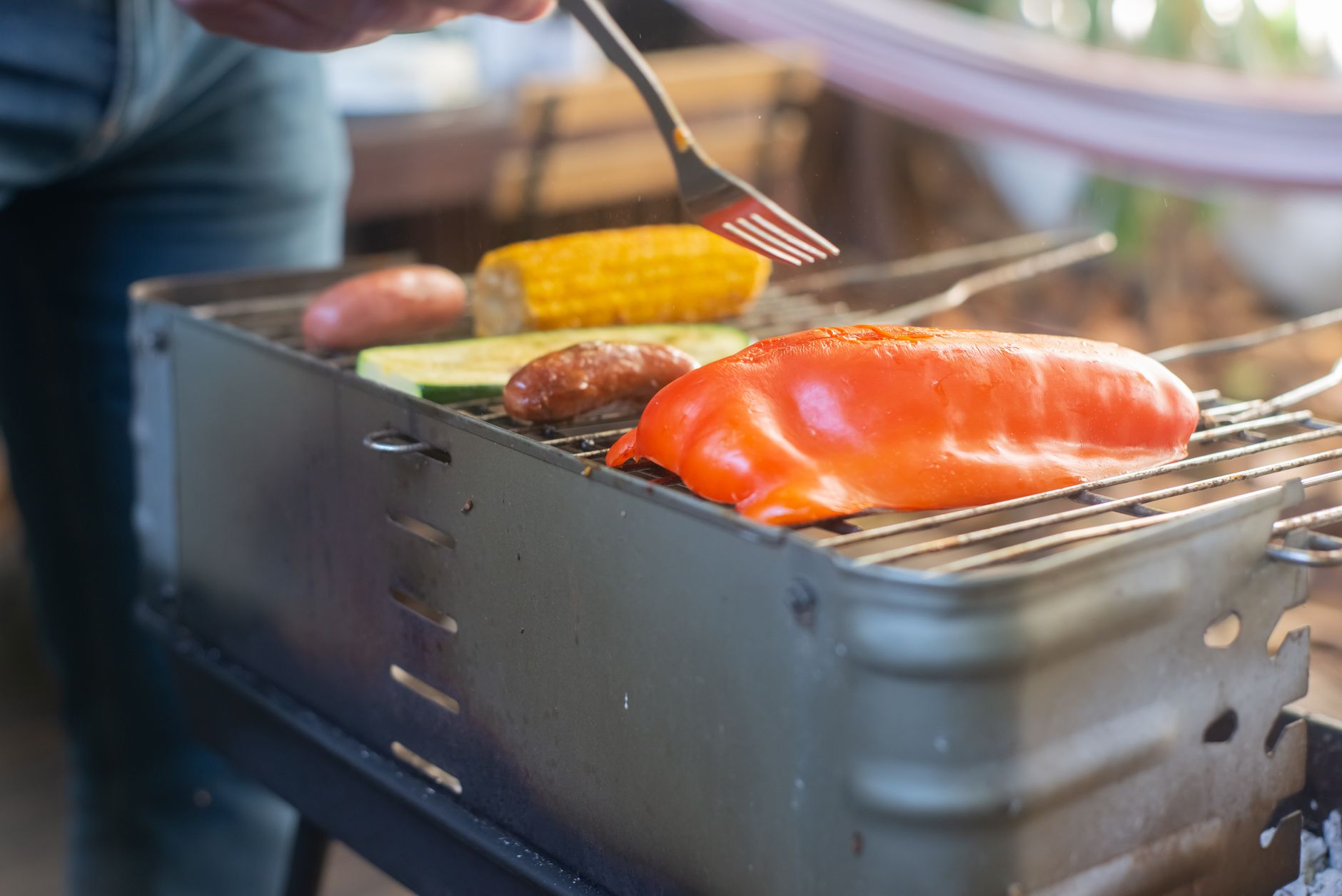
This blend shines on a wide range of vegetables from root veggies like carrots and potatoes to cruciferous favorites like broccoli. You can even try it on summer squash or bell peppers. It works whether youre roasting in the oven or grilling vegetables. No matter the method, the seasoning crisps up nicely and enhances each bite.
Safety note
Be mindful if nightshades like paprika or citrus cause sensitivity. Adjust ingredient amounts to your taste and dietary needs. Those allergic to herbs like thyme should omit them or substitute mild options. This seasoning is otherwise safe and suitable for many health-conscious diets. If youre unsure, consult a healthcare provider before making changes.
Ingredients & Preparation
| Prep time | Total time | Servings | Calories | Diet tags |
|---|---|---|---|---|
| 5 mins | 20 mins | 4 | 80 per serving | Vegan, Gluten-Free, Dairy-Free |
Full ingredient list
- 1 tsp garlic powder (or 2 fresh garlic cloves, minced)
- 1 tsp smoked paprika (or sweet paprika for milder taste)
- 1 tsp dried thyme (substitute with rosemary if preferred)
- Zest of 1 lemon (or 1 tsp lemon juice)
- tsp sea salt (adjust to taste)
- 2 tbsp olive oil (avocado oil works well too)
Equipment needed
A small bowl or shaker to mix your seasoning ingredients works best. Line a baking sheet with parchment paper for even roasting and easier clean-up. No special appliances are required for this easy preparation.
Tips for ingredients
Fresh lemon zest adds a bright, fresh aroma that bottled juice lacks. Choose good-quality extra virgin olive oil for a rich mouthfeel and to support the olive oil roasting technique in producing crisp edges. Organic dried thyme or rosemary offer stronger herbal notes that enhance overall flavor depth.
Step-by-Step Instructions
Step 1 Prep vegetables
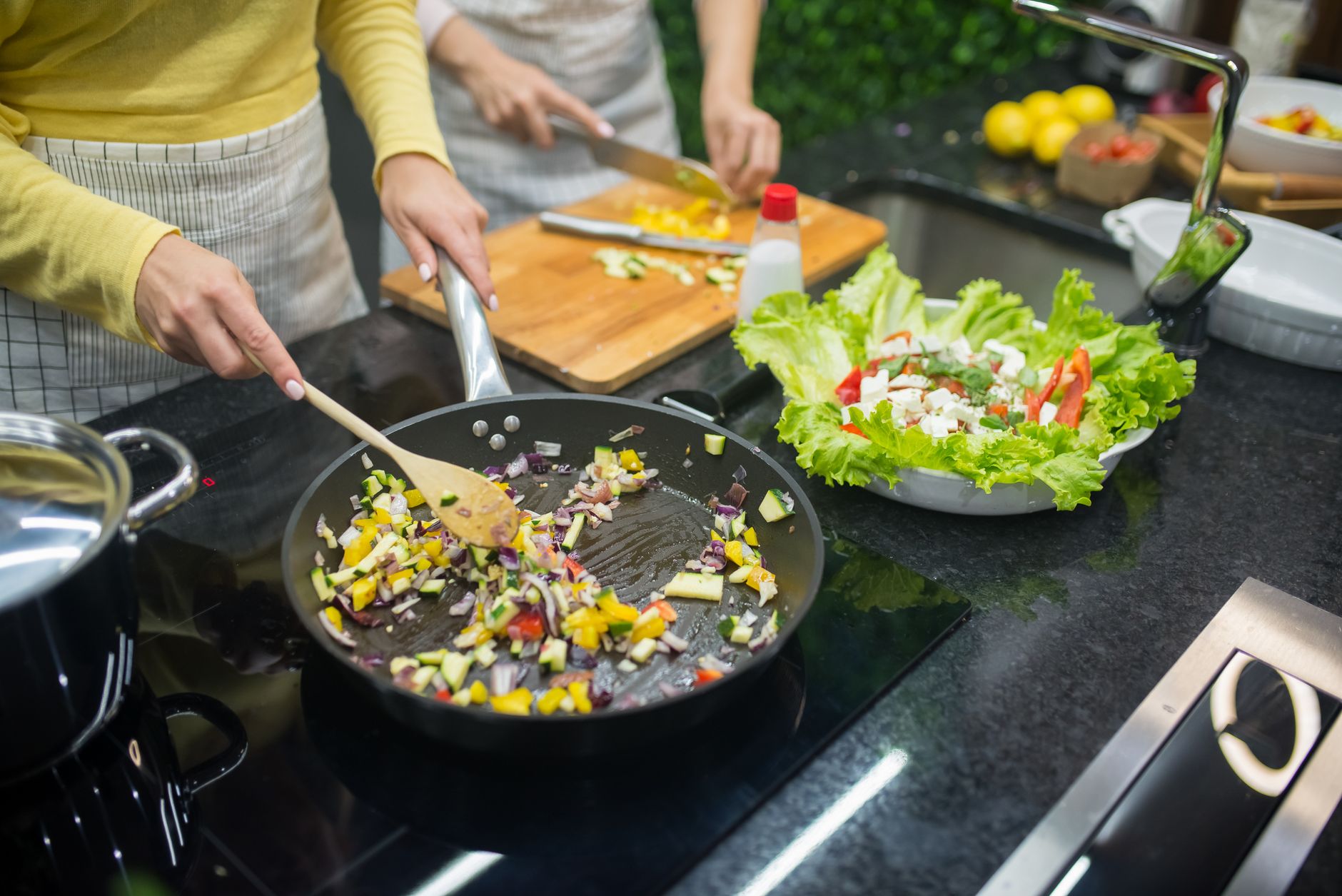
Wash and dry your vegetables well. Peel root vegetables like carrots or potatoes if desired, then chop all veggies into uniform pieces (about 12 inch chunks) to ensure even cooking. You don‘t need to peel thin-skinned vegetables like zucchini; just give them a good rinse.
Step 2 Mix seasoning and toss
In a small bowl, combine garlic powder, smoked paprika, dried thyme, lemon zest, and sea salt. Drizzle olive oil over the chopped vegetables, then sprinkle the seasoning mix evenly. Toss everything gently but thoroughly so each piece is coated with oil and spices.
Step 3 Roast the vegetables
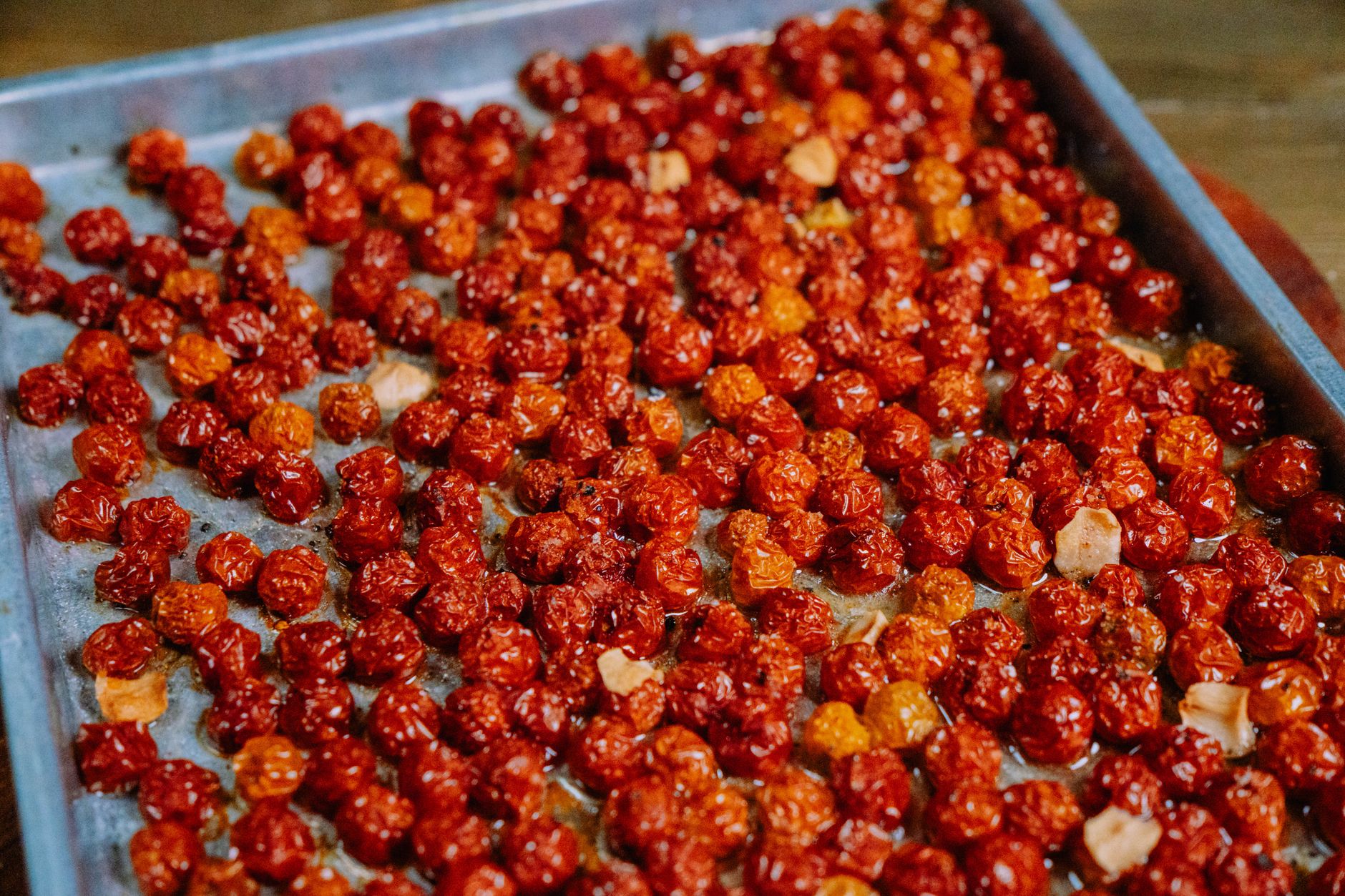
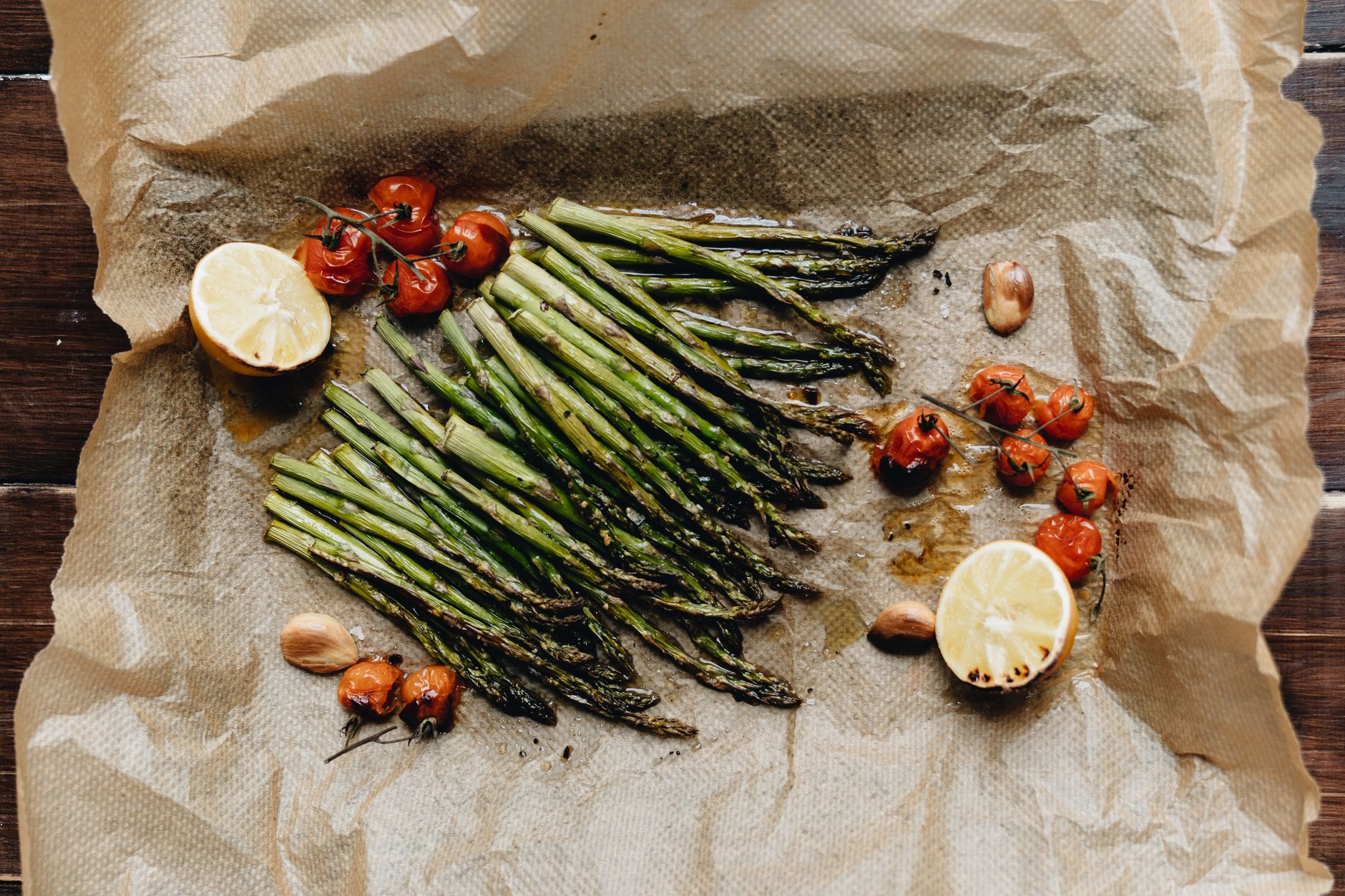
Spread the seasoned vegetables in a single layer on your lined baking sheet. Roast in a preheated oven at 425F (220C) for 15 to 20 minutes. Halfway through roasting, stir the vegetables to brown all sides evenly and prevent burning. Look for crispy, golden edges and tender centers.
Step 4 Serve or store
Enjoy your roasted vegetables hot for the best texture and flavor. If you have leftovers, cool them completely before transferring to an airtight container. Store in the refrigerator for up to 4 days. Reheat in the oven or air fryer to crisp them back up.
Variations & Substitutions
Flavor variations
For a spicy twist, add to teaspoon crushed chili flakes when mixing the seasoning. Swap lemon zest for orange zest to bring a milder, sweeter citrus note that pairs beautifully with root vegetables.
Ingredient swaps
Try fresh herbs like rosemary or oregano instead of dried for a brighter herbal flavor. Nutritional yeast can be sprinkled in for a cheesy undertone, especially if you want to enhance roasted vegetable flavor without adding dairy.
Adjust seasoning strength
If you prefer smokier notes, increase smoked paprika by teaspoon. Lower the salt for a milder taste or if youre watching sodium intake. Remember, seasoning is flexibletaste and adjust until it suits your preference.
Storage & Shelf Life
Refrigeration
Store roasted vegetables in a sealed glass or BPA-free plastic container in the fridge. Use within 3 to 4 days for best freshness and safety. Avoid keeping them longer, as texture and flavor will deteriorate.
Freezing
Roast extra vegetables and cool completely. Place in airtight freezer bags or containers, removing as much air as possible. Frozen roasted vegetables keep well for up to 3 months. Thaw overnight in the refrigerator before reheating.
Make-ahead tips
Double the seasoning portion to have a ready mix on hand. Store in glass jars with tight lids, labeled by date. This lets you quickly toss fresh veggies in the blend for easy dinners anytime.
Pro Tips & Troubleshooting
Prevent staining
Smoked paprika can stain your hands and surfaces. Use disposable gloves when mixing, or handle carefully. Wipe countertops immediately after spilling.
Tossing for even coating
Use a large bowl and toss veggies gently but thoroughly. This ensures the olive oil roasting technique fully coats every piece, allowing seasoning to stick well and crisp up evenly.
Fixing pale vegetables
If your roasted vegetables lack color, it likely means the oven isnt hot enough or the pan was overcrowded. Use a hot oven (425F) and arrange vegetables in a single layer without overlapping to achieve golden, crispy edges.
Balancing bitter flavors
Bitter or off flavors often come from over-roasting or raw garlic powder overdose. Use fresh garlic sparingly and monitor roasting time. Adding a little lemon zest brightens and balances bitterness naturally.
Expert seasoning upgrade
Right after roasting, sprinkle freshly cracked black pepper over the vegetables. It enhances all the flavors and adds a subtle, aromatic spice that elevates the dish remarkably.
For more ideas on perfect oven-roasted vegetables, check out this helpful roasted vegetables seasoning guide.
When is the best time to eat easy seasoning for roasted vegetables?
Roasted vegetables with this seasoned blend are perfect as a side dish anytime during lunch or dinner. They shine fresh and hot, but also taste great cold in salads or grain bowls. Enjoy them as an everyday wholesome addition to your meals.
Can I make a big batch ahead of time?
Yes, you can prepare the dry seasoning in bulk and store it in an airtight container for weeks. Toss with fresh olive oil and vegetables just before roasting to keep flavors vibrant every time.
Fresh lemon zest or bottled lemon juice which is better?
Fresh lemon zest offers brighter citrus aroma and milder acidity, enhancing roasted vegetable flavor more than bottled lemon juice. Bottled lemon juice can be more acidic and less fragrant, which sometimes masks delicate herbs.
Is this seasoning safe for pregnant women, kids, or people on medication?
Generally, these herbs and spices are safe. However, its best to consult a healthcare professional if you have allergies or special health conditions. Citrus and nightshades like paprika may sometimes cause sensitivities.
How often can I eat roasted vegetables using this seasoning?
Feel free to include them daily in your diet. Theyre low in calories, rich in fiber and nutrients, and versatile. Rotating veggies seasonally keeps your meals exciting and nutritious.
Why does mine taste bitter or have an off color?
Bitter flavors usually result from over-roasting or too much raw garlic powder. Pale or dull vegetables can indicate a low oven temperature or overcrowded pan. Use hot oven heat and give vegetables room to crisp.
What pairs well with these roasted vegetables?
Serve alongside grilled chicken, roasted fish, or hearty quinoa bowls. A simple green salad adds freshness. For drinks, crisp white wine or light beer complements the spices nicely.
More Recipes You Will Love
Try the Jalapeno popper orzo mac n cheese recipe 2201069 for a creamy, spicy pasta dish that pairs well with roasted veggies.
For cozy comfort, the Roasted garlic thyme soup recipe 1970266 complements this seasoning perfectly during colder months.

Conclusion
This easy seasoning for roasted vegetables turns simple produce into a vibrant, flavorful dish using just a few pantry staples. It takes only 20 minutes from prep to table, making it a perfect addition to any meal. Try this seasoning blend tonight, and share your favorite twists or tips in the comments below. For a heartier meal, check out the roasted vegetables seasoning guide linked above for more ideas.
FAQs
When is the best time to eat easy seasoning for roasted vegetables?
Roasted vegetables with this easy seasoning are perfect as a side dish during lunch or dinner. They taste best fresh and hot but can also be enjoyed cold in salads or grain bowls for a wholesome meal addition.
Can I make a big batch of the seasoning ahead of time?
Yes, you can prepare the dry seasoning mix in bulk and store it in an airtight container for several weeks. Add fresh olive oil and toss with vegetables just before roasting to keep flavors bright.
Is fresh lemon zest better than bottled lemon juice for this seasoning?
Fresh lemon zest provides a brighter citrus aroma and milder acidity, enhancing flavor more effectively than bottled lemon juice, which can be more acidic and less fragrant.
Is this seasoning safe for pregnant women, children, or those on medication?
Generally, the herbs and spices used are safe for most people. However, consult a healthcare professional if you have allergies, special health conditions, or sensitivities to citrus or nightshades like paprika.
Why do my roasted vegetables sometimes taste bitter or look pale?
Bitter flavors can come from over-roasting or too much raw garlic powder, while pale veggies often indicate a low oven temperature or overcrowded pan. Use a hot oven (425°F) and arrange vegetables in a single layer for best results.