Introduction
Why Knowing How Long to Roast Vegetables at 400F Matters
Roasting vegetables at 400F offers the perfect balance between a crispy golden finish and tender, juicy interiors. Getting the timing right ensures you avoid soggy or burnt veggies, and brings out their natural sweetness with caramelized edges. Learning how long to roast vegetables at 400 helps you nail that irresistible texture and flavor every timeideal for quick, healthy meals.
Who This Recipe Is For
If youre a home cook craving simple, nutritious dinners, this guide is for you. Whether youre cooking for busy weeknights, following vegan roasted vegetable recipes, or just aiming to eat more plants, mastering this roasting technique saves time and hassle in the kitchen.
What Makes This Roasting Approach Different
This method breaks down the roasting time for vegetables at 400 degrees by type and size, avoiding generic advice. That way, every batch has perfectly crispy roasted vegetable results, not undercooked or mushy pieces. Plus, it includes practical tips to troubleshoot common mistakes roasting vegetables.
Key Highlights
Balanced Heat for Flavor and Texture
Roasting at 400F triggers the Maillard reaction, producing rich caramelization and enhancing veggie sweetness. This oven roasting method for veggies crisps edges nicely while locking moisture inside, giving every bite a delicious contrast of textures.
Versatility Suits Dinner Menus
This roasting time works for a wide range of vegetablesfrom hearty potatoes to tender broccolimaking it a versatile technique for family meals and easy side dishes.
Caution on Cooking Times for Sensitive Vegetables
Delicate vegetables like zucchini or asparagus cook faster and can turn bitter or mushy if left too long. When roasting mixed batches, keep an eye on timing or roast softer veggies separately.
Ingredients & Preparation
| Prep time | Total time | Servings | Calories | Diet tags |
|---|---|---|---|---|
| 10 minutes | 30 minutes | 4 | ~120 per serving | Vegan, Gluten-Free, Dairy-Free |
Full Ingredient List with Substitution Notes
- 1 lb mixed vegetables (carrots, potatoes, bell peppers, broccoli)
- 2 tbsp olive oil (substitute avocado oil for higher heat tolerance)
- 1 tsp sea salt
- tsp black pepper
- Optional herbs: fresh or dried thyme, rosemary
Equipment Needed
A large rimmed baking sheet, mixing bowl, and spatula are essential. Using parchment paper helps with easy clean-up and prevents sticking, improving the roasting vegetables technique.
Tips for Choosing Quality Vegetables
Select fresh, firm vegetables without soft spots or discoloration. Smaller, uniform pieces roast evenly. Organic is ideal but not necessary for great results.
Step-by-Step Instructions
Step 1 Prep: Wash, Peel, and Chop Vegetables
Wash all vegetables thoroughly. Peel root veggies like carrots and potatoes to remove any bitterness. Cut into uniform 1-inch pieces so they roast evenly in the oven.
Step 2 Roast at 400F for 20 to 30 Minutes
Preheat your oven to 400F, the best temperature for roasting veggies to achieve crispy roasted vegetable results. Toss the vegetables with olive oil, sea salt, and pepper in a mixing bowl. Spread them out in a single layer on the baking sheet to avoid overcrowding, which can lead to steaming instead of roasting.
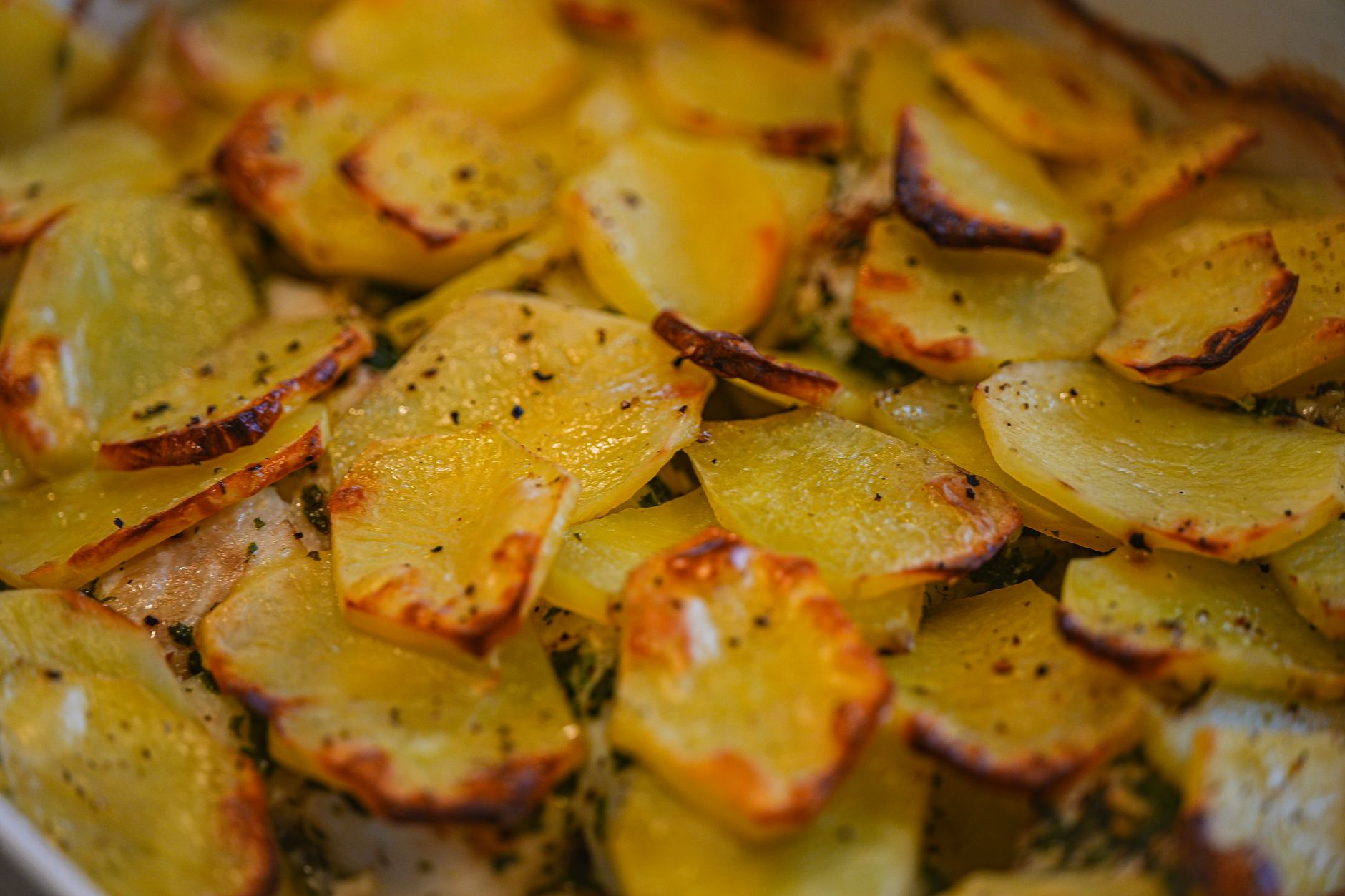
Place the tray in the oven and roast for 20 minutes. Halfway through, around the 10-minute mark, stir and flip the vegetables to promote even caramelization. Larger or denser vegetables like potatoes may need closer to 30 minutes for a tender inside and golden crust.

Step 3 Add Finishing Touches
Once roasted, sprinkle fresh herbs like thyme or rosemary over the warm veggies to elevate the aroma and flavor without risking burnt herbs during cooking. Avoid adding more salt or pepper after roastingseasoning tends to lose its intensity if heated again.
Step 4 Serve or Store Immediately
Enjoy roasted vegetables straight from the oven for the best crispy texture. To store leftovers, let them cool completely, then place in airtight containers. Keep reading for storage tips below.
Variations & Substitutions
Popular Variations for Flavor or Diet
Try adding minced garlic, smoked paprika, or lemon zest before roasting for flavor twists. For vegan roasted vegetable recipes, coconut oil gives a subtle sweetness, or simply roast oil-free with a spray of vegetable broth for lighter dishes.
Ingredient Swaps and Their Effects
Swap regular potatoes with sweet potatoes for an earthy, sweet note. Beets require longer roastingadd 5 to 10 minutes extrato become tender. Bell peppers can be replaced with zucchini, but cut zucchini smaller and reduce roasting time to prevent mushiness.
Adjusting Flavor Intensity
Increase spices or herbs before roasting for a bolder taste. Cover the tray loosely with foil if you prefer softer veggies over crispy. Remove foil in the final minutes for a caramelized finish.
Storage & Shelf Life
Refrigerator Storage
Store roasted vegetables in airtight containers in the fridge. They remain fresh and tasty for 45 days. Reheat in a preheated oven at 350F for 810 minutes or use a microwave, though the oven maintains better texture.
Freezer Storage
Portion leftover roasted veggies in freezer bags or use ice cube trays for small servings. Freeze for up to 3 months. Thaw overnight in the refrigerator before reheating gently.
Make-Ahead & Batch Tips
Double or triple the recipe for meal prep. Label containers with date and contents for convenience. Roast vegetables just before serving for ideal crispness, but leftovers warm up well with a quick re-crisp in a hot oven.
Pro Tips & Troubleshooting
Hands-On Tips for Perfect Roasting
Always dry vegetables thoroughly before tossing with oil. Damp veggies steam instead of roast, spoiling crispy texture. If handling beets or other staining vegetables, wear gloves or wash hands immediately to avoid discoloration.
Preheat your oven fully. Placing vegetables into a hot oven jump-starts caramelization, encouraging that golden crust. For extra crispness, sprinkle a pinch of baking soda over the veggies before roasting; it speeds up the Maillard reaction without burning.
Fixing Common Issues
If your vegetables turn out pale or mushy, check the oven temperature and dont overcrowd the baking sheet. Bitter flavors often come from overcooking delicate vegetables or using old, stale spicesfresh seasoning makes a big difference.
Expert Upgrade
Try tossing veggies with a splash of balsamic vinegar about five minutes before finishing roasting. This adds a tangy glaze that enhances caramelization and balances sweetness. Or experiment with layering flavors using fresh ginger and toasted sesame oil for an Asian-inspired twist.
When is the best time to eat roasted vegetables at 400F?
Roasted vegetables are ideal for lunch or dinner. Serve them immediately to enjoy the crispy texture and vibrant flavor, or refrigerate leftovers to reheat later. Rewarming in the oven helps regain crispness lost in the fridge.
Can I make a big batch ahead of time?
Yes, roasting a large batch saves time later. Stored in airtight containers, roasted vegetables keep well for 45 days in the refrigerator. Reheat in the oven or skillet to restore some crunch before serving.
Fresh vegetables or frozen which is better for roasting?
Fresh vegetables typically roast with better texture and flavor. Frozen vegetables can be roasted if thawed fully and patted dry to avoid excess moisture, which can make them soggy.
Is roasting vegetables at 400F safe for pregnant women or kids?
Absolutely. Roasting vegetables at this temperature is safe and healthy for all ages, including pregnant women and children. Just ensure vegetables are cooked through and kitchen hygiene is maintained.
How often should I include roasted vegetables in my diet?
Roasted vegetables are a nutritious, tasty addition to meals and can be enjoyed daily as part of a balanced diet. Vary the veggies you roast to get a wide range of nutrients and flavors.
Why do my roasted vegetables sometimes taste bitter?
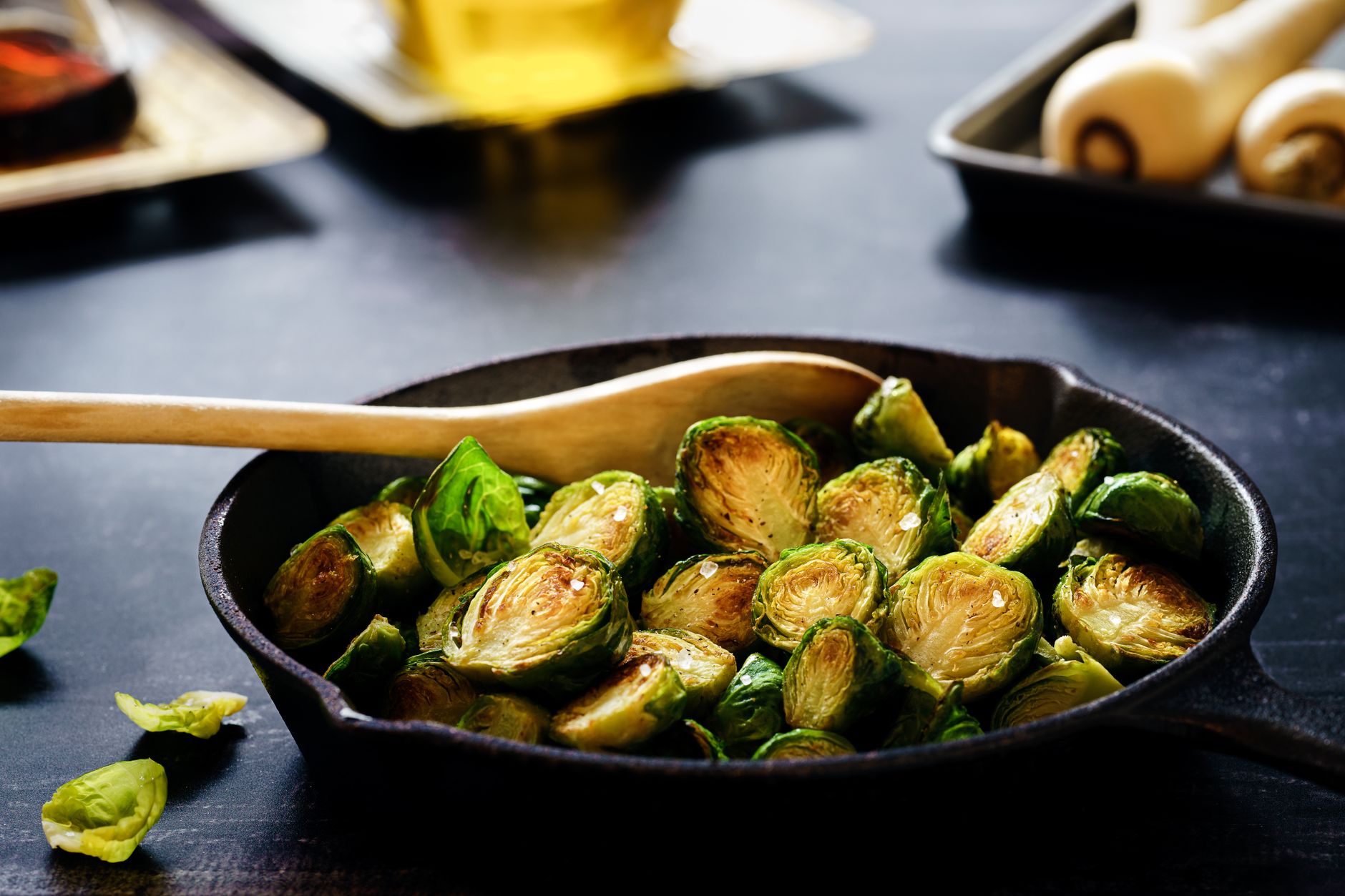
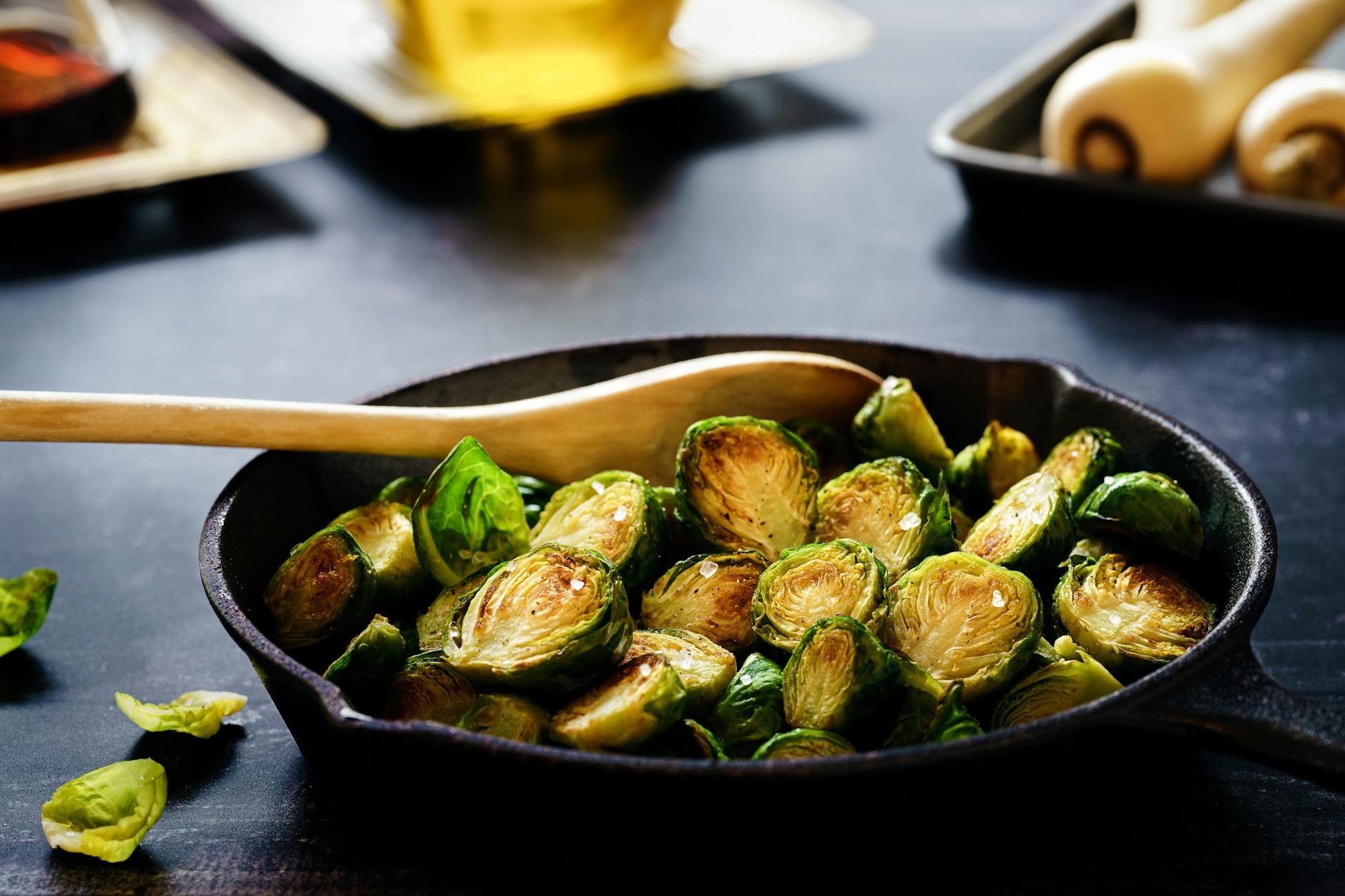
Bitter flavors usually result from overroasting or burning, especially delicate veggies like broccoli or Brussels sprouts. Reduce cooking time or roast these separately to avoid bitterness.
What pairs well with roasted vegetables?
Roasted vegetables complement grilled meats, grain bowls, or pasta dishes beautifully. A drizzle of creamy tahini sauce or a dollop of yogurt adds richness and balances the caramelized flavors.
For another delicious way to enjoy vegetables, check out this how to grill vegetables in oven guide.
More Recipes You Will Love
Grilled fingerling potatoes with creamy tarragon vinaigrette recipe 1920833
This side features tender fingerling potatoes with a fresh herb dressing, offering a delicious alternative or accompaniment to roasted veggies.
Garlic and cheese stuffed mushrooms 19549121
Perfect as an appetizer or side, these mushrooms combine savory garlic and creamy cheese, adding a rich counterpoint to lighter roasted vegetable dishes.
Roasted Root Vegetables with Herbs
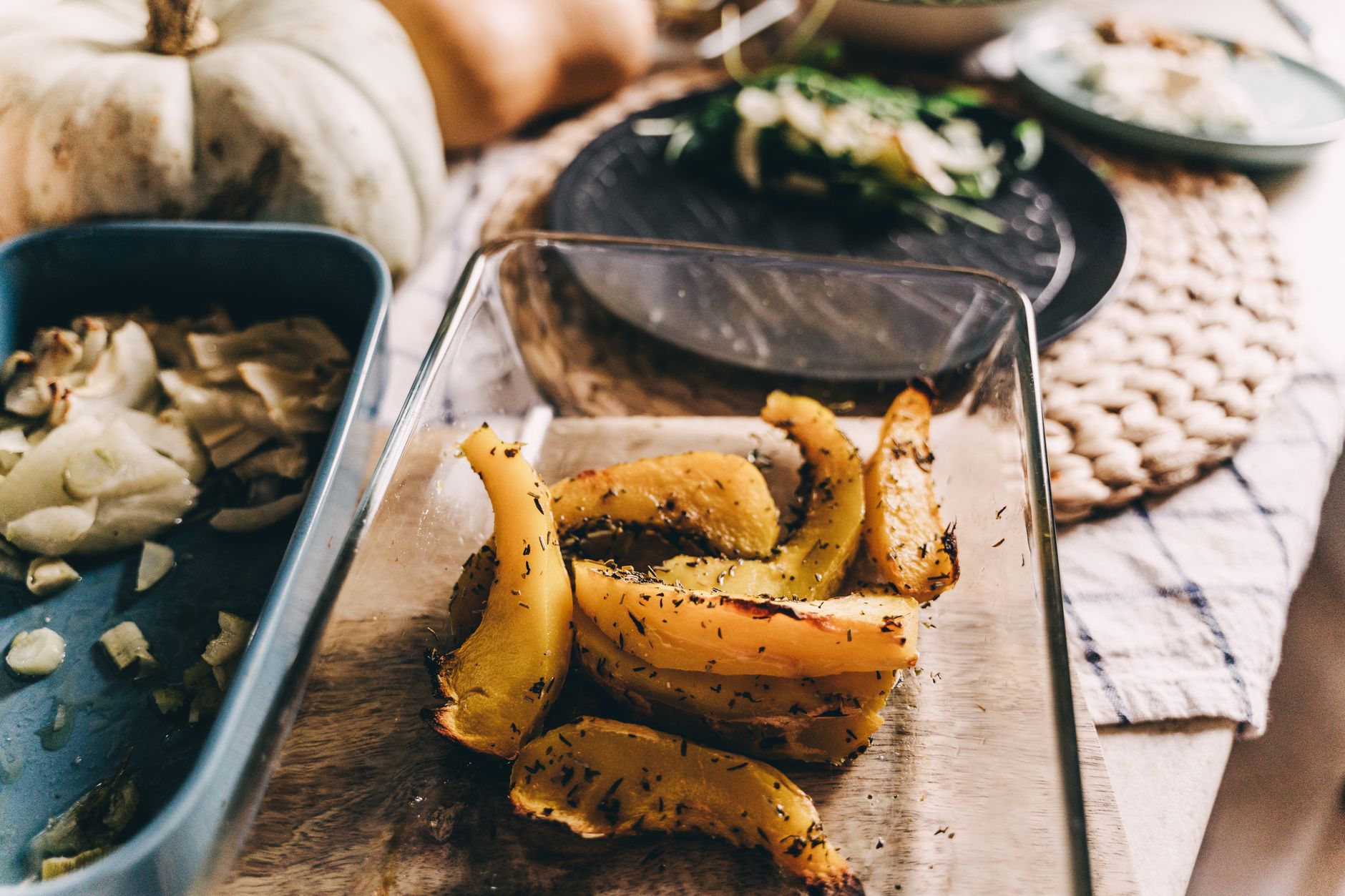
Enjoy the earthy sweetness of slow-roasted roots blended with fragrant herbsa cozy addition to any meal.
Conclusion
Knowing how long to roast vegetables at 400 helps you achieve beautifully crisp edges and tender insides every time. This method avoids soggy or burnt vegetables, delivering a reliable, tasty side that elevates weeknight dinners effortlessly. Give it a try tonight and share your favorite veggie combos or tips below. Dont forget to rate this recipe and explore other roasted root vegetable dishes for more inspiration!
FAQs
When is the best time to eat how long to roast vegetables at 400?
Roasted vegetables are perfect for lunch or dinner. Serving them immediately after roasting ensures the crispiest texture and best flavor, though leftovers can be stored and reheated later for convenience.
Can I make a big batch of roasted vegetables at 400 ahead of time?
Yes, roasting a large batch saves time. Store leftovers in airtight containers in the refrigerator for up to 4-5 days, and reheat in the oven to restore crispness before serving.
Should I use fresh or frozen vegetables for roasting at 400°F?
Fresh vegetables provide the best texture and flavor when roasted at 400°F. If using frozen vegetables, thaw completely and pat dry to avoid excess moisture that can cause sogginess.
Is roasting vegetables at 400°F safe for pregnant women and children?
Absolutely. Roasting vegetables at this temperature is healthy and safe for all ages, including pregnant women and kids, as long as vegetables are cooked thoroughly and handled hygienically.
Why do my roasted vegetables sometimes taste bitter?
Bitter flavors often come from overroasting or burning, especially with delicate vegetables like broccoli. To avoid bitterness, reduce cooking time or roast sensitive veggies separately.