Introduction
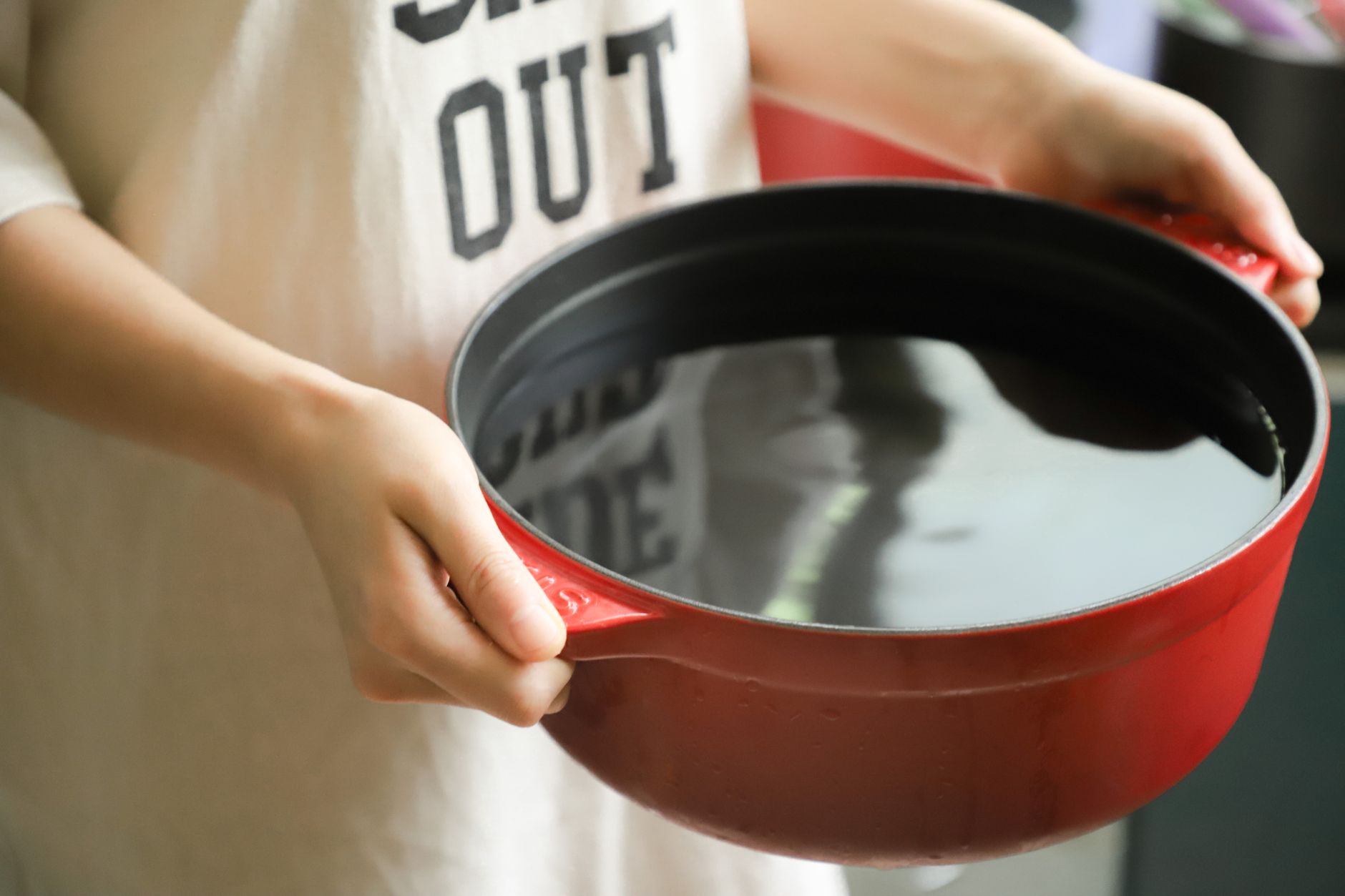
Easy cocotte recipes are a wonderful way to prepare hearty meals without fuss. The cocotte cooking method uses a covered pot to lock in moisture, creating tender, flavorful dishes that come together quickly. If you want satisfying meals with minimal cleanup, these recipes fit perfectly into your busy schedule. The rich aroma and deep flavors of French cocotte dishes bring both comfort and elegance to your table.
Benefits of Easy Cocotte Recipes for Busy Home Cooks
Using a cocotte helps you combine simple ingredients into a dish that tastes like it took all day. The tight lid traps steam, ensuring ingredients remain juicy and flavorful. Plus, these recipes usually require fewer pots, so cleaning up is easy. Ideal for anyone needing quick weeknight dinner recipes without sacrificing taste.
Who Benefits Most from These Recipes
Easy cocotte recipes suit everyone from beginners to seasoned cooks looking for quick one-pot meal recipes. They work great for families, solo cooks, and anyone wanting to explore simple cocotte recipe ideas with little prep and maximum results.
What Sets These Easy Cocotte Recipes Apart
Unlike traditional versions, these recipes focus on speed and simplicity. Ingredients are easy to source, cooking steps are concise, and the results are reliable. They capture the essence of French cocotte dishes without complex techniques.
Key Highlights
Moist, Flavorful Meals with Minimal Cleanup
The cocotte keeps steam locked inside, which infuses the food with moisture and aroma. This method reduces the need for constant attention, so you can focus on other tasks. The final dish is juicy, tender, and infused with the natural flavors of herbs and vegetables.
Versatile and Adaptable for Any Diet
Whether you‘re vegetarian, gluten-free, or following keto, these recipes adapt easily. Swapping ingredients and adjusting flavors lets you customize each meal without losing that sought-after cocotte essence.
Who Should Exercise Caution
Careful ingredient selection is important for those with allergies or specific dietary restrictions. Always double-check substitutions and consult healthcare professionals if you have special dietary needs.
Ingredients & Preparation
| Prep time | Cook time | Total time | Servings | Calories | Diet tags |
|---|---|---|---|---|---|
| 10 min | 35 min | 45 min | 4 | ~350 | Gluten-Free, Dairy-Free (optional) |
Full Ingredient List with Substitutions
- 4 bone-in chicken thighs (sub boneless for faster cooking)
- 2 medium carrots, peeled and sliced (swap any root veggies)
- 1 large onion, chopped
- 3 medium potatoes, diced (optional, replace with parsnips for variety)
- 2 tbsp olive oil or unsalted butter (plant-based oil for vegan)
- 2 sprigs fresh thyme or 1 tsp dried thyme
- 1 bay leaf
- 1 cups chicken or vegetable broth
- Salt and freshly ground black pepper to taste
Equipment Needed
A Dutch oven or heavy-bottomed cocotte with a tight lid works best. Avoid thin pots as they wont maintain steady heat or seal moisture effectively.
Choosing the Best Ingredients
Pick firm, fresh vegetables free of blemishes. Organic produce adds an extra layer of freshness but isnt mandatory. For meat, bone-in chicken offers richer flavor and juicier texture than boneless alternatives.
Step-by-Step Instructions
Step 1 Prep Ingredients
Rinse all vegetables thoroughly. Chop carrots, potatoes, and onions into uniform pieces about 1-inch thick to ensure even cooking. Peel only if the skin is tough or unpleasant when cooked.
Step 2 Brown Protein and Saut Vegetables
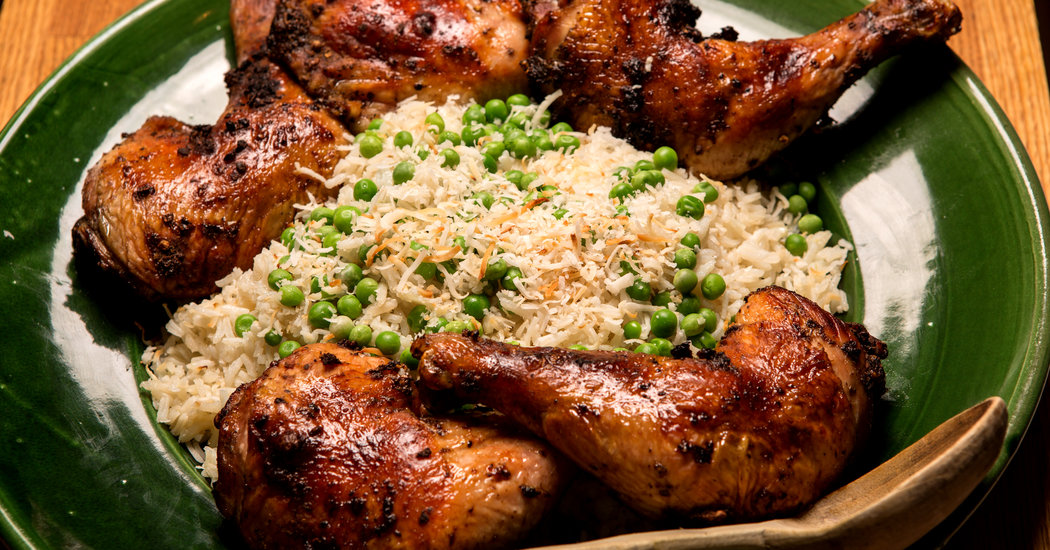
Heat cocotte over medium-high heat and add olive oil. Brown chicken thighs skin-side down for 7 minutes until golden and crispy. Flip and cook for another 5 minutes. Remove chicken and set aside. Add onions and carrots to the pot and saut for 5 minutes until translucent, stirring occasionally to prevent burning.

Step 3 Combine and Simmer
Return chicken thighs to the pot. Add diced potatoes, thyme, bay leaf, and broth. Season with salt and pepper. Cover with the lid and reduce heat to low. Let simmer gently for 30 minutes, avoiding lifting the lid to preserve steam and juiciness.
Step 4 Final Touches and Serving
Remove lid carefully and check seasoning. Stir gently to mix flavors. Serve hot with crusty bread or a green salad. Cool leftovers quickly and store in airtight containers in the fridge.
Variations & Substitutions
Popular Dietary Variations
For a vegetarian cocotte recipe, replace chicken with mushrooms, white beans, and a variety of root vegetables like turnips and sweet potatoes. This meat-free option remains hearty and rich in flavor.
Ingredient Swaps and Expectations
Vegetable stock replaces chicken broth for vegan or vegetarian versions. Note the flavor becomes lighter but still satisfying. Use plant-based oils instead of butter to stay dairy-free.
Adjusting Flavor Profiles
For a smoky twist, add smoked paprika or a pinch of chili flakes. To mellow the dish, use less salt and incorporate fresh herbs like parsley or tarragon at the end of cooking.

Storage & Shelf Life
Refrigerator Storage
Store cooked cocotte dishes in airtight containers. Properly chilled, they last 3 to 4 days refrigerated. Reheat gently on the stovetop or microwave until steaming hot.
Freezer Storage
Freeze portions using sealed freezer bags or containers. Cocotte meals keep well up to 3 months in the freezer. Thaw overnight in the fridge before reheating slowly to preserve texture.
Make-Ahead Tips
Doubling the recipe lets you prep meals ahead for busy days. Label containers with date and content. Reusable silicone containers help reduce waste and maintain freshness.
Pro Tips & Troubleshooting
Practical Tips for Perfect Cocotte Cooking
Avoid overcrowding the pot when browning meat; it causes steaming instead of proper searing. Use medium-high heat to get a golden crust. Stir vegetables with a wooden spoon to protect the pot‘s enamel coating. Wait to add salt until vegetables are tender to avoid drying them out.
Why Your Cocotte Dish Might Taste Off
A dull color or bitter flavor often results from burnt herbs or overcooked vegetables. Lower the heat next time and keep an eye on the timing to prevent these common cocotte cooking mistakes.
Expert Upgrade Tip
Add a splash of dry white wine before simmering to brighten the flavors and balance the richness. The acidity will enhance overall taste without extra salt.

When is the best time to eat easy cocotte recipes?
Easy cocotte recipes shine as comfort food for dinner but also make filling lunch options. Serving them warm right after cooking delivers the best aroma and mouthfeel.
Can I make a big batch ahead of time?
Yes, these dishes store and reheat well. You can prepare large quantities and portion into containers to enjoy quick one-pot meal recipes later during the week.
Fresh ingredients or dried/powdered herbs which is better?
Fresh herbs offer brighter, more complex flavors. Dried herbs work fine but taste best if cooked longer to allow full flavor release. Use fresh when you can for that vibrant aroma.
Is this safe for pregnant women, kids, or people on medication?
This recipe is generally safe when chicken is thoroughly cooked. However, if you have specific health concerns or dietary restrictions, check with your healthcare provider before making substitutions.
How often can I eat these recipes?
Enjoy these cocotte meals regularly as part of a balanced diet. They provide wholesome nutrition and variety, especially when combined with fresh vegetables and whole grains.
Why does my cocotte dish taste bitter or muted?
Bitterness usually means vegetables or herbs were overcooked or burnt. Muted flavor might arise from under-seasoning or lacking a proper sear on the meat. Adjust cooking times and seasoning for better balance.
What pairs well with cocotte dishes?
Freshly baked bread, steamed leafy greens, or a crisp salad make excellent sides. A dry white wine or light ros also complements the deep flavors of cocotte cooking nicely.
More Recipes You Will Love
Quick Weeknight One-Pot Chicken Stew
This simple stew blends tender chicken with vegetables for a cozy meal. Perfect when you want a fuss-free dish.
Easy Vegetarian Cocotte with Root Vegetables
A plant-based take on classic cocotte cooking featuring earthy roots and mushrooms. Rich, nourishing, and satisfying.
Autumn Harvest Slow Cooker Recipes
Seasonal, warming slow cooker meals that work beautifully alongside cocotte dishes, bringing variety to your dinner table.
For more inspiration, check out our mini cocotte recipes for one. These are perfect for solo cooks craving convenience without compromise.
Explore creative dishes like the Shoot the root recipe 1949587 for bold new flavors, or try a comforting Labneh grilled cheese 8303743 for a melt-in-your-mouth treat.
Conclusion
Easy cocotte recipes prove that with simple ingredients and the right technique, you can create meals packed with flavor quickly. Their adaptability makes them a great choice for any kitchen. Try one of these recipes today, then share your experience or rate your favorite version below. For more, consider our quick weeknight chicken stew recipe to keep delicious dinners rolling in your home.
FAQs
When is the best time to eat easy cocotte recipes?
Easy cocotte recipes are ideal for dinner as comforting, hearty meals. They also make filling lunches when served warm soon after cooking, offering the best flavor and texture.
Can I make a big batch of cocotte meals ahead of time?
Yes, you can prepare large batches, store them properly in airtight containers, and reheat later. These meals reheat well and are convenient for quick dinners throughout the week.
Are easy cocotte recipes suitable for special diets?
Yes, these recipes are versatile and can be adapted for vegetarian, gluten-free, keto, or dairy-free diets by swapping ingredients while maintaining flavor and texture.
What causes a bitter or muted taste in cocotte dishes?
Bitterness often comes from burnt herbs or overcooked vegetables, while muted flavors result from under-seasoning or insufficient searing of meat. Adjust cooking times and seasoning for better results.
What side dishes pair well with cocotte recipes?
Freshly baked bread, steamed greens, or a crisp salad complement cocotte dishes well. A dry white wine or light ros can also enhance the meal’s deep, rich flavors.