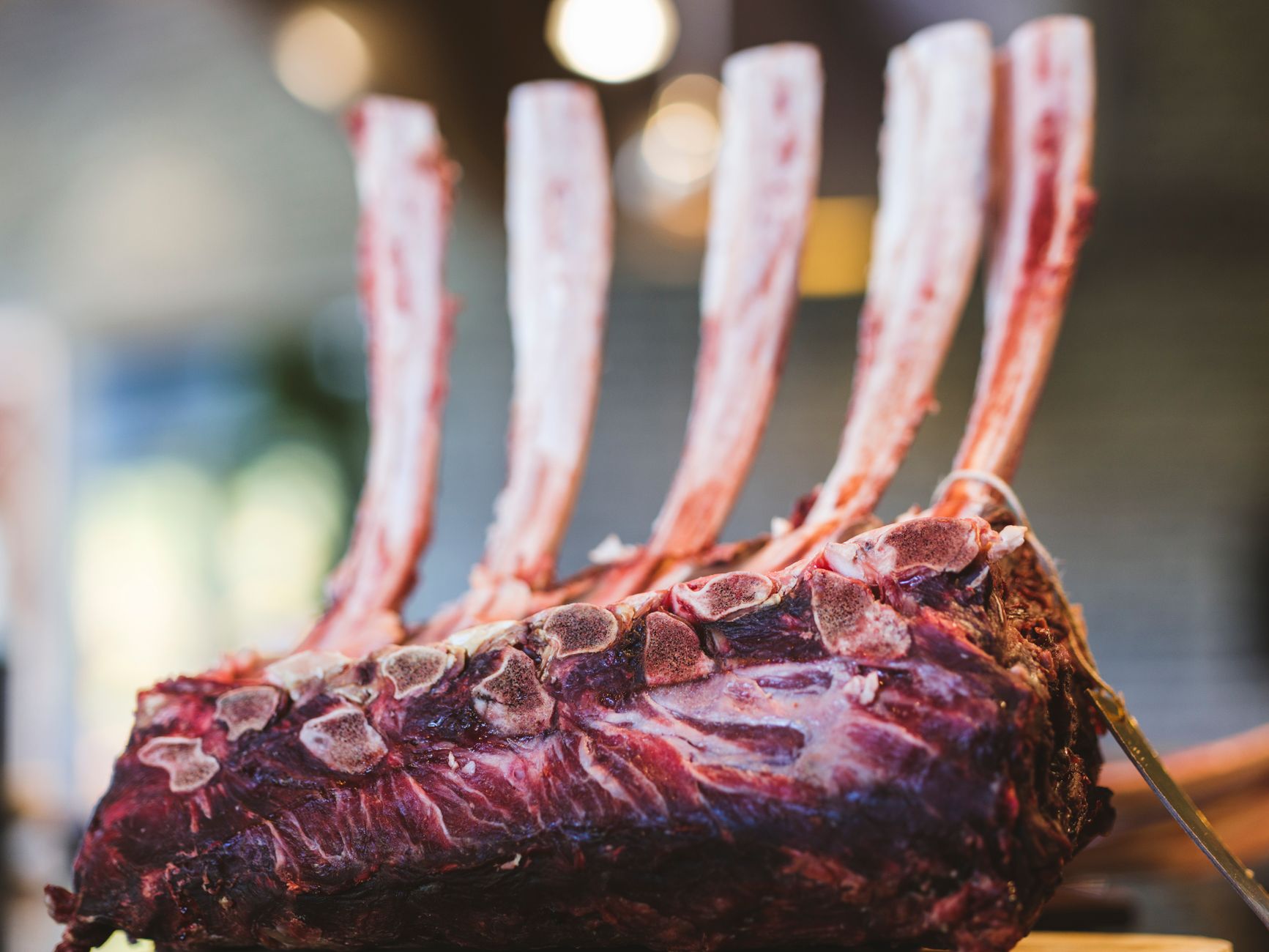
Why Dino Ribs Are a Must-Try for Beef Lovers
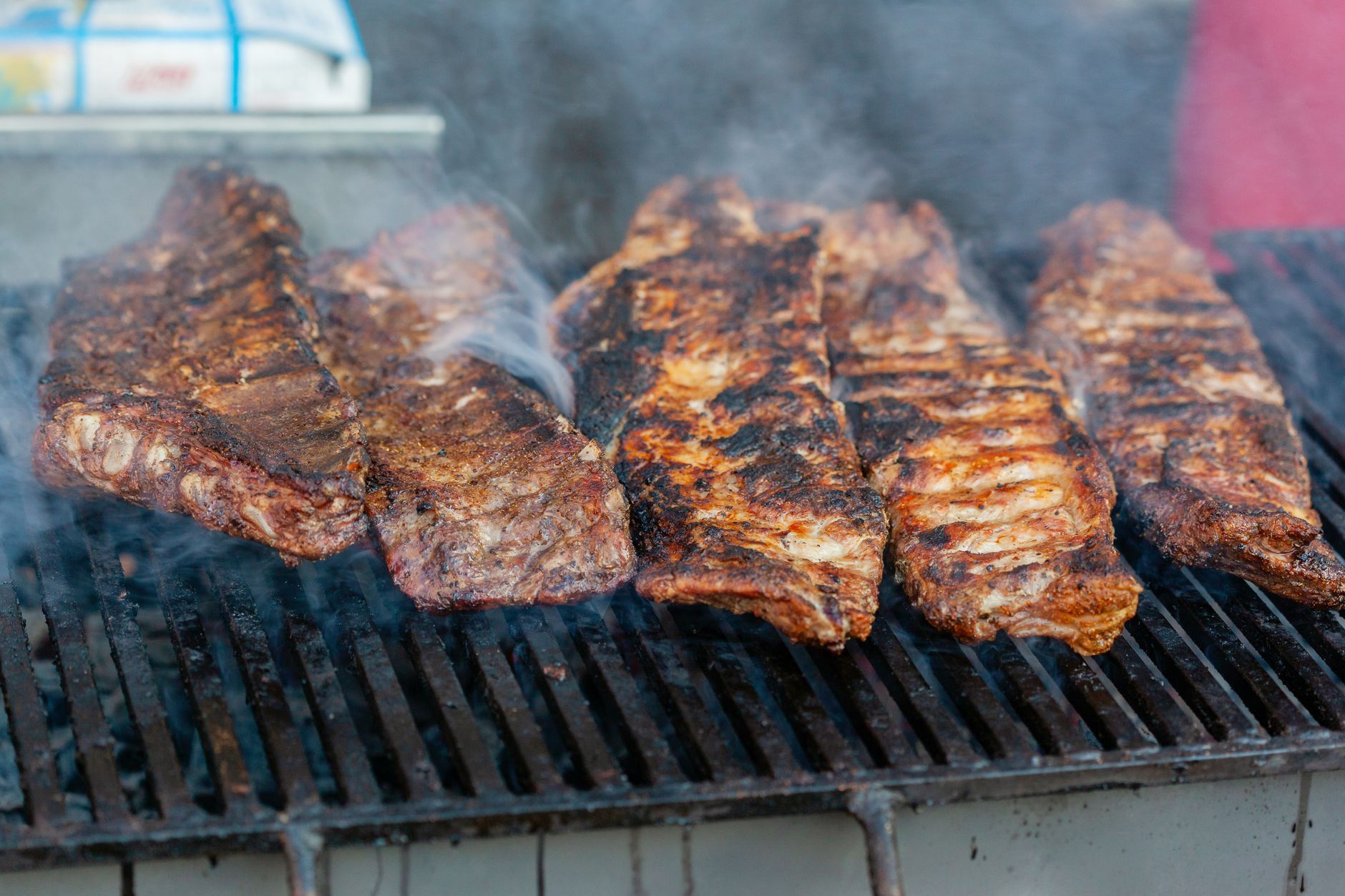
Imagine biting into thick, tender slabs of beef back ribs with a perfectly seasoned crust that releases a mouthwatering aroma as the smoke rises from the grill. That‘s the magic of dino ribs—their large, meaty texture resembles something prehistoric and promises a flavor-packed experience with every bite. This recipe transforms humble beef back ribs into a golden, smoky delight that’s easy to prepare yet impressively delicious. Whether you‘re cooking for friends or family, dino ribs bring bold flavors and a satisfyingly rich texture to the table.
Health Benefits & Nutrition of Beef Back Ribs
Beef back ribs aren’t just delicious—they provide several nutritional benefits. First, they are an excellent source of high-quality protein, essential for muscle repair and growth. Research from the Journal of the American Dietetic Association highlights protein’s role in satiety and metabolism. Second, these ribs supply vital minerals like iron and zinc, which support immune function and oxygen transport in the blood. Third, the B vitamins found in beef, particularly B12, contribute to energy production and nervous system health.
Keep in mind that while beef is nutritious, it should be consumed in moderation due to its saturated fat content. Pregnant individuals or those with certain health conditions should consult their healthcare provider about appropriate red meat intake. Also, if sensitive to spices like chili powder or cumin, adjust seasoning to prevent any adverse reactions.
Ingredients & Preparation
Recipe Card
| Prep Time | Total Time | Servings | Calories (per serving) | Diet Tags |
|---|---|---|---|---|
| 15 minutes (plus marinating overnight) | 9 hours 20 minutes | 2 to 4 | Approx. 450 | Gluten-Free, Keto-Friendly |
Full Ingredient List
- 2 tablespoons garlic powder
- 2 tablespoons onion powder
- 2 tablespoons brown sugar
- 1 tablespoon kosher salt
- 2 teaspoons chili powder
- 1 teaspoon ground cumin
- 1 teaspoon freshly ground black pepper
- One 3-rib piece of uncut beef back ribs or short rib plate (approximately 12 inches long)
- Oil, for greasing the grill grates
Equipment Needed
- Grill (gas or charcoal) with lid
- Mixing bowl
- Brush for oiling grill grates
- Heavy-duty aluminum foil
- Meat thermometer (optional)
- Tongs or grilling gloves
Tips for Choosing Quality Ingredients
When selecting beef back ribs, look for well-marbled meat with a bright red color and firm texture. Avoid ribs with excessive dark spots or dryness. Fresh garlic and onion powders provide better aroma than pre-mixed blends. If possible, source your ribs from a trusted butcher who can provide uncut slabs for the authentic dino rib experience.
Step-by-Step Instructions for Perfect Dino Ribs
Step 1: Prepare the Dry Rub (5 minutes)
In a small bowl, combine the garlic powder, onion powder, brown sugar, kosher salt, chili powder, cumin, and black pepper. Mix thoroughly until well-blended. This dry rub will form the flavorful crust on your dino ribs.
Step 2: Apply the Rub and Marinate (10 minutes + 2+ hours resting)
Pat the ribs dry with a paper towel. Generously coat all sides of the ribs with the dry rub, pressing it into the meat. Place the ribs uncovered on a tray, then refrigerate for at least 2 hours or, ideally, overnight. This helps the flavors penetrate deeply.
Step 3: Prepare the Grill for Indirect Cooking (15 minutes)
Remove ribs from the fridge and let them come to room temperature (about 30 minutes). For gas grills with multiple burners, light all to medium-high. After 15 minutes, turn off one middle burner and reduce the adjacent burners to low to maintain around 250°F (121°C). On charcoal grills, bank coals on one side to create a cool zone, and place a drip pan opposite to prevent flare-ups.
Step 4: Grill the Dino Ribs Indirectly (5 hours)
Lightly oil the grill grates with a paper towel soaked in oil. Place the ribs meat-side up on the cooler side of the grill. Close the lid and maintain the temperature around 250°F (121°C). Cook for 5 hours without flipping, allowing the ribs to absorb smoke and tenderize slowly.
Step 5: Wrap and Continue Cooking (45 minutes)
Remove the ribs and wrap them tightly in heavy-duty aluminum foil. Place the foil-wrapped ribs back on the grill over indirect heat for another 45 minutes. This step locks in moisture and makes the meat extra tender.
Step 6: Unwrap and Finish for a Crispy Bark (45 minutes)
Take the ribs out of the foil and place them back on the grill grates over indirect heat. Cook for an additional 45 minutes to develop a flavorful, golden crust. Keep the grill lid closed during this process to trap smoke.
Step 7: Rest and Serve
Remove ribs from the grill and let them rest at room temperature for about 10 minutes. This rest allows juices to redistribute, ensuring each bite is juicy and tender. Serve whole or sliced along the bones for an impressive presentation.

Variations & Substitutions to Customize Your Dino Ribs
- Spicy Kick: Add 1 teaspoon cayenne pepper or smoked paprika to the dry rub to increase heat and smokiness.
- Sweet & Tangy Glaze: During the last 30 minutes of grilling, brush ribs with a mix of honey and apple cider vinegar for a sticky, tangy finish.
- Herb-Infused Rub: Substitute cumin and chili powder with fresh or dried rosemary and thyme for an earthy, aromatic profile.
- Alternative Cuts: If back ribs are unavailable, short ribs can be used but may require shorter cooking time (around 4 hours) due to their thickness.
Storage & Shelf Life for Dino Ribs
Refrigerator: Store leftover ribs in an airtight container for up to 3–4 days. Reheat gently in an oven at 250°F (121°C) wrapped in foil to maintain moisture.
Freezer: Wrap ribs tightly in plastic wrap and aluminum foil or a vacuum-sealed bag before freezing. They keep well for 2–3 months. Thaw in the fridge overnight before reheating.
Signs of Spoilage: Discolored meat, sour smell, or slimy texture indicate spoilage. When in doubt, throw it out to ensure safety.
Pro Tips for Achieving Perfect Dino Ribs Every Time
- Maintain a steady grill temperature around 250°F (121°C) to break down connective tissue slowly, resulting in tender meat.
- Resist the urge to flip ribs often; cooking them meat-side up undisturbed helps develop a crust while locking in juices.
- Use a water pan inside the grill to add humidity and reduce drying out, especially with charcoal grills.
- Resting ribs after cooking is crucial—juices redistribute, making every bite succulent.
- For an extra boost of flavor, lightly brush a garlic herb butter for steak recipe over ribs during the last 10 minutes of cooking.
When is the best time to eat Dino Ribs?
Dino ribs are perfect for weekend barbecues, special family dinners, or any time you want to impress guests with a hearty, flavorful meal. Since the ribs require long cooking and marinating times, planning ahead is essential. Enjoy them when you have at least an afternoon set aside for slow cooking to fully develop their tender, smoky character.
Can I cook Dino Ribs indoors or without a grill?
While traditionally grilled, dino ribs can be slow-cooked in an oven at 250°F (121°C) using the same timing and wrapping steps. Alternatively, a smoker can be used for added smokiness. Just ensure indirect heat and low temperatures to avoid drying out the ribs.
What type of wood chips work best for smoking Dino Ribs?
Oak, hickory, or mesquite wood chips complement the bold flavors of beef back ribs well. They create that earthy, smoky aroma that balances the sweet and spicy rub, elevating the overall taste experience.
How do I know when Dino Ribs are fully cooked?
After 5 hours of slow cooking, the meat should easily pull away from the bone with a slight bite remaining. Using a meat thermometer, aim for an internal temperature of around 200°F (93°C) for perfectly tender ribs.
Can I prep the dry rub in advance?
Absolutely! Mixing the dry rub ahead of time saves preparation steps on cooking day. Store it in an airtight container for up to 2 weeks, and sprinkle fresh for best flavor.
Are Dino Ribs suitable for keto or low-carb diets?
Yes, this recipe is naturally low in carbohydrates and high in protein and fats, making it a great fit for keto and low-carb lifestyles. Just be mindful of sugar in the rub; you can reduce or replace brown sugar with a keto-friendly sweetener if preferred.
Can I add a sauce after grilling?
You can add barbecue sauce during the final 15 minutes of cooking or serve it on the side. Adding sauce early risks burning due to its sugar content, which can create bitterness.
What sides pair well with Dino Ribs?
Crisp coleslaw, buttery grilled corn, or creamy mashed potatoes complement dino ribs beautifully. For a lighter option, try a fresh green salad or roasted seasonal vegetables to balance the rich meat.
More Recipes You Will Love
If you enjoy the rich, smoky flavors of dino ribs, you’ll love our pan seared ribeye with herb butter—a quick and indulgent steak recipe that’s perfect for weeknights. For a flavor boost on any grilled meat, the garlic herb butter for steak recipe adds a creamy, tangy finish that complements beef perfectly.
Conclusion
Dino ribs offer a deliciously tender and robustly flavored meal that brings the outdoorsy charm of grilling into your kitchen. This recipe combines simple ingredients with expert techniques to help you master the slow-cooked beef back ribs with a memorable smoky crust. Your next cookout will be filled with golden, juicy bites and satisfied smiles. If you try this recipe, feel free to comment below with your results or share any tweaks you discovered for your perfect dino ribs.
FAQs
When is the best time to eat Dino Ribs?
Dino Ribs are perfect for outdoor grilling during weekends, barbecues, or special occasions. They’re best enjoyed fresh off the grill while still hot and juicy for maximum flavor and tenderness.
How long should Dino Ribs be marinated before grilling?
For best results, marinate Dino Ribs for at least 2 hours, though overnight marinating is ideal. This allows the dry rub to fully penetrate, enhancing the flavor and tenderness.
Can Dino Ribs be cooked on any type of grill?
Yes, Dino Ribs can be cooked on gas or charcoal grills. Indirect heat cooking is recommended to ensure even cooking and to keep the ribs juicy and tender throughout.
Are Dino Ribs suitable for keto or gluten-free diets?
Absolutely. This Dino Ribs recipe uses a dry rub without gluten and low in carbs, making it both keto-friendly and gluten-free, suitable for those specific dietary needs.
What is the best way to know when Dino Ribs are fully cooked?
The ribs are done when the meat is tender and pulls away easily from the bone. Using a meat thermometer, look for an internal temperature of about 190°F to 203°F for optimal tenderness.