Why Creamy Rosemary Potatoes Make a Cozy Dinner Side
The top turns golden and bubbly while rosemary, garlic, and melted Parmesan fill the kitchen with a warm, savory aroma. Creamy Rosemary Potatoes turn simple sliced potatoes into a rich baked side dish with tender centers and a lightly crisp cheese topping.
Creamy Rosemary Potatoes are thinly sliced russets baked in a sauce made with butter, cream cheese, half-and-half, garlic, onion, fresh rosemary, green onions, and Parmesan. The dish takes about 40 minutes to assemble and rest, then bakes for 60 minutes at 350°F. It serves nine as a generous side.
I have made this casserole with both a mandoline and a sharp chef’s knife. The mandoline produces the most even slices, but careful knife work gives equally tender results. The key is slicing the potatoes thinly and evenly so the sauce reaches every layer.

Health Benefits & Nutrition
This is a rich comfort-food side, so it is best enjoyed as part of a balanced meal. The potatoes provide carbohydrates, while the dairy ingredients contribute protein and calcium. Here are a few simple nutritional highlights:
- Potatoes provide energy: Russet potatoes are a filling source of carbohydrates. They also provide potassium and some fiber, especially when the skin is left on.
- Dairy adds protein and calcium: Cream cheese, half-and-half, and Parmesan contribute protein and calcium. Parmesan also adds concentrated savory flavor.
- Fresh herbs add flavor without much sodium: Rosemary gives the dish an earthy, pine-like aroma, allowing you to rely on herbs, garlic, and black pepper for flavor.
- Onion and garlic build flavor: Sautéing them gently softens their sharpness and creates a sweeter, deeper base for the cream sauce.
Because this recipe contains dairy, it is not suitable for people with milk allergies or those avoiding lactose unless suitable alternatives are used. It is also relatively high in fat and sodium because of the butter, cheese, and Parmesan. If you need to follow a medically restricted diet, ask a doctor or registered dietitian how to adapt the recipe safely.
Each serving contains approximately 366 calories, 24 grams of fat, 29 grams of carbohydrates, and 11 grams of protein. These numbers are estimates and can change with ingredient brands, serving size, and how much sauce remains in the baking dish.
Ingredients & Preparation
Recipe Card
| Prep time | 40 minutes |
|---|---|
| Cook time | 60 minutes |
| Total time | 1 hour 40 minutes |
| Servings | 9 servings |
| Calories | Approximately 366 per serving |
| Diet tags | Vegetarian |
Full Ingredient List
- 4 tablespoons unsalted butter, plus softened butter for the baking dish
- 5 to 6 medium russet potatoes
- 1 teaspoon salt, divided
- Freshly ground black pepper, to taste
- 4 cloves garlic, finely chopped
- 1 medium onion, finely diced
- 1 package cream cheese, 8 ounces, at room temperature
- 1 cup half-and-half
- 2 tablespoons fresh rosemary, minced
- 3 green onions, light green and medium green parts, thinly sliced
- 1 cup grated Parmesan cheese, divided
Equipment Needed
- 9-by-13-inch baking dish
- Large skillet
- Mandoline or sharp chef’s knife
- Cutting board and chef’s knife
- Wooden spoon or heatproof spatula
- Measuring cups and spoons
- Oven mitts
Tips for Choosing Quality Ingredients
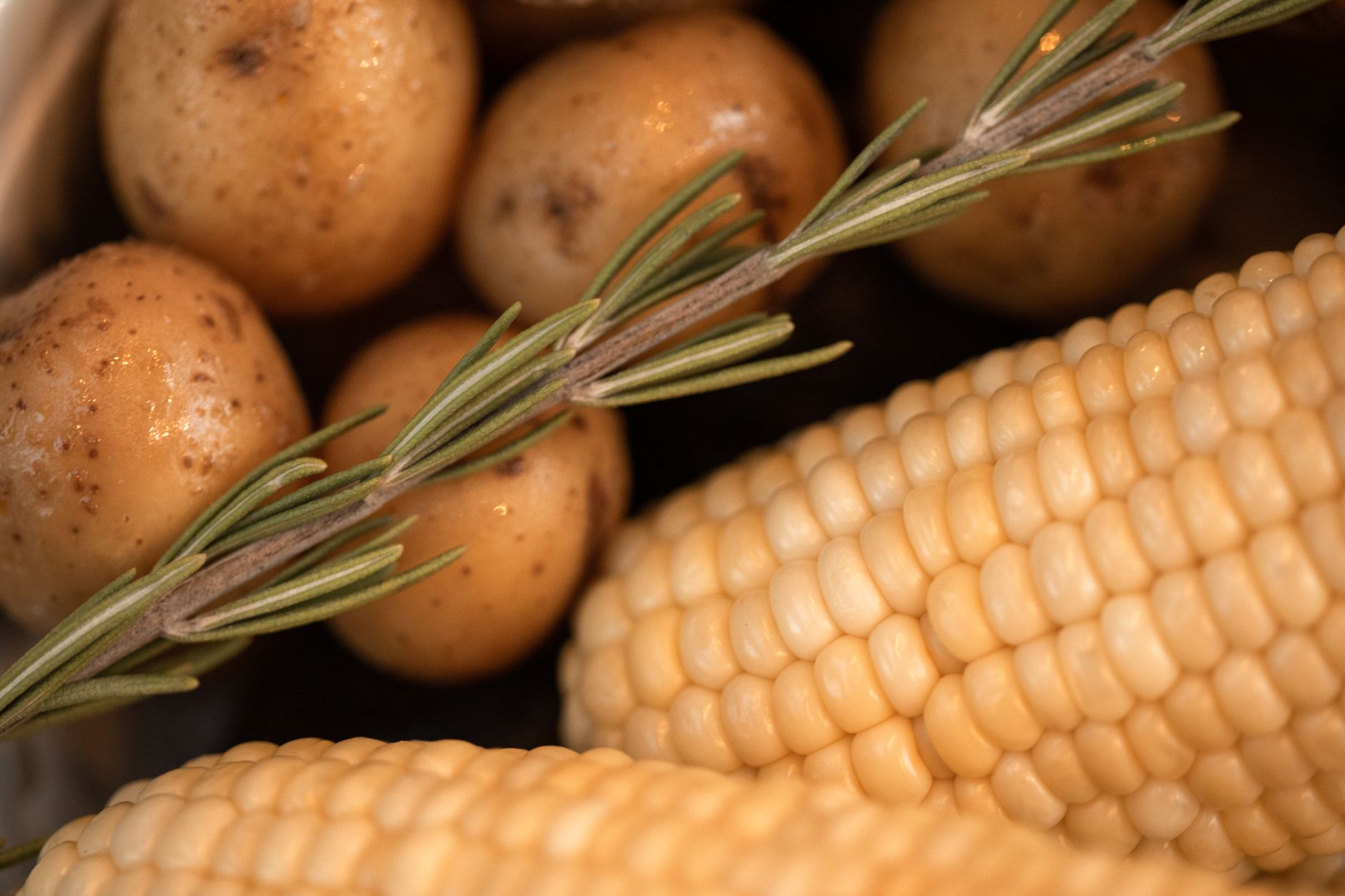
Choose firm russet potatoes without soft spots, green patches, or deep sprouts. Medium potatoes are easier to slice evenly than very large ones. Their high starch content helps the sauce cling to the slices while the centers become tender.
Use fresh rosemary if possible. The leaves should look green and feel springy, not dry or gray. Strip the leaves from the woody stem before mincing. Freshly grated Parmesan melts more smoothly and has a stronger flavor than many shelf-stable grated varieties.
Bring the cream cheese to room temperature before cooking. Cold cream cheese can remain lumpy when added to the warm butter mixture. Full-fat cream cheese gives the smoothest sauce, although a reduced-fat version can work if you accept a slightly thinner texture.

Step-by-Step Instructions
1. Heat the oven and prepare the potatoes
Preheat the oven to 350°F. Rub the bottom and sides of a 9-by-13-inch baking dish with softened butter. Wash and dry the potatoes, then slice them ⅛ inch thick with a mandoline or sharp knife. Arrange them in the dish, sprinkle with ½ teaspoon salt, and season with black pepper.
2. Sauté the garlic and onion
Set a large skillet over medium-low heat and melt 4 tablespoons butter for about 1 minute. Add the chopped garlic and diced onion. Cook for 4 minutes, stirring every 30 seconds, until the onion looks translucent and the garlic smells sweet rather than sharp. Do not let the garlic brown.
3. Make the rosemary cream sauce
Cut the room-temperature cream cheese into two pieces and add it to the skillet. Stir constantly over medium-low heat for about 3 minutes, until smooth. Pour in the half-and-half and stir for 2 minutes. Add the remaining ½ teaspoon salt, black pepper, rosemary, green onions, and ½ cup Parmesan. Cook for 1 minute, just until combined.
4. Assemble the casserole
Pour the warm cream sauce evenly over the sliced potatoes. Use a spatula to scrape the skillet clean, especially around the edges where the thickest sauce settles. Sprinkle the remaining ½ cup Parmesan over the surface, making sure the corners receive some cheese.
5. Bake until tender and golden
Bake uncovered at 350°F for 60 minutes. The casserole is ready when the sauce bubbles at the edges, the top is golden brown, and a thin knife slides through the center with only slight resistance. The first time I made this, I pulled it out when the top was golden but the middle was still firm. If the center resists, cover the dish loosely with foil and bake for another 10 to 15 minutes.
6. Rest before serving
Remove the baking dish from the oven and let it stand for 10 minutes before serving. The bubbling sauce will thicken during this rest, and the layers will hold together more neatly. I found that serving immediately makes the sauce look loose, while the short rest gives each portion a creamier finish.
Variations & Substitutions
- Use Yukon Gold potatoes: Replace the russets with 5 to 6 medium Yukon Gold potatoes. Slice them to the same ⅛-inch thickness. They produce a naturally buttery texture but may need 5 extra minutes in the oven.
- Add cooked bacon: Stir 6 ounces of cooked, crumbled bacon into the sauce with the rosemary and green onions. Reduce the added salt to ¾ teaspoon because bacon and Parmesan are both salty.
- Make it more garlicky: Increase the garlic from 4 cloves to 6 cloves. Sauté it gently for the full 4 minutes so the flavor becomes mellow instead of harsh.
- Use another herb: Replace the 2 tablespoons rosemary with 1 tablespoon fresh thyme leaves or 2 tablespoons chopped fresh chives. For dried rosemary, use 2 teaspoons instead of fresh rosemary.
- Lighten the sauce slightly: Replace half of the half-and-half with whole milk. The sauce will be less rich and a little thinner, so bake for an additional 5 to 10 minutes if the center needs more time.
- Try a sharper cheese: Replace up to ½ cup of the Parmesan with finely grated sharp white cheddar. Do not replace all the Parmesan, because it helps create the salty, browned topping.
I tried layering raw sliced mushrooms into this casserole, but they released too much water and made the sauce loose. If you want mushrooms, sauté 8 ounces first until their moisture evaporates, then stir them into the sauce.
Storage & Shelf Life
Cool leftovers within two hours, then cover the baking dish tightly or transfer portions to shallow airtight containers. Refrigerate for up to 4 days. Reheat individual portions in the microwave in 60-second intervals, or warm the covered casserole at 325°F until hot throughout.
For better texture, add a spoonful of half-and-half or milk before reheating. This loosens the sauce as it warms. Uncover the dish for the final 5 minutes if you want the cheese topping to regain some color.
Freezing is possible, although the cream sauce may become slightly grainy after thawing. Cool the potatoes completely, divide them into freezer-safe containers, remove excess air, and freeze for up to 2 months. Thaw overnight in the refrigerator, cover with foil, and reheat at 325°F until steaming hot in the center.
Discard the dish if it develops a sour smell, visible mold, unusual discoloration, or a slimy texture. Do not taste food to decide whether it is safe.
Pro Tips for Creamy, Even Potatoes
- Keep the slices uniform: A thickness of about ⅛ inch is thin enough for the potatoes to cook through in an hour. Thick and thin slices in the same dish create an uneven texture.
- Do not rinse the slices: The surface starch helps the cream sauce cling to the potatoes and contributes to a thicker finish.
- Use low heat for the sauce: High heat can make the butter separate and cause the cream cheese to clump. Medium-low heat gives the ingredients time to combine smoothly.
- Grate Parmesan finely: Fine shreds melt into the sauce more evenly. Large pieces can remain chewy on top and leave salty pockets throughout the casserole.
- Season in layers: Salt the potatoes and sauce separately, then taste the sauce before pouring it into the dish. This prevents a bland center without over-salting the topping.
- Protect the edges if needed: If the top browns before the potatoes are tender, lay foil loosely over the dish. Avoid pressing the foil onto the cheese, or it may pull away when removed.
- Prevent knife staining: Wipe the mandoline or knife immediately after slicing the potatoes. Potato starch dries quickly and can leave a cloudy film on the blade.
Questions & Answers
When is the best time to eat Creamy Rosemary Potatoes?
The best time to eat Creamy Rosemary Potatoes is immediately after their 10-minute rest. The sauce thickens, the potatoes remain hot, and the Parmesan topping still has a pleasant crisp edge. Serve them with roasted meat, baked fish, or a green vegetable for dinner. Leftovers are also satisfying reheated the next day.
Can I prepare this potato casserole ahead of time?
Yes, you can prepare it up to 24 hours ahead. Assemble the dish, cover it tightly, and refrigerate it before baking. Let it sit at room temperature for 20 to 30 minutes, then bake at 350°F. Add about 10 to 15 minutes to the cooking time because the potatoes begin cold.
Why are my potatoes still firm after baking?
Firm potatoes usually mean the slices were too thick, the sauce was not evenly distributed, or the dish needed more time. Cover the casserole loosely with foil and bake for another 10 to 15 minutes at 350°F. Test the center with a thin knife rather than relying only on the color of the top.
Can I use dried rosemary instead of fresh?
Yes, use 2 teaspoons of dried rosemary instead of 2 tablespoons fresh. Crush the dried herb lightly between your fingers before adding it to release its aroma. Dried rosemary is stronger and more woody, so avoid adding extra unless you have tasted the sauce first.
Should I peel the potatoes?
Peeling is optional, but I usually peel russets for the smoothest casserole texture. The skins can be left on if they are scrubbed well and free from green areas or blemishes. Yukon Gold skins are thinner and work especially well left on.
Can I make this recipe without a mandoline?
Yes, a sharp chef’s knife works well. Cut each potato into thin, even slices, aiming for about ⅛ inch. Keep your fingertips curled away from the blade and work slowly. Uneven slices are more likely to produce some undercooked pieces, so consistency matters more than speed.
What should I serve with rosemary potatoes?
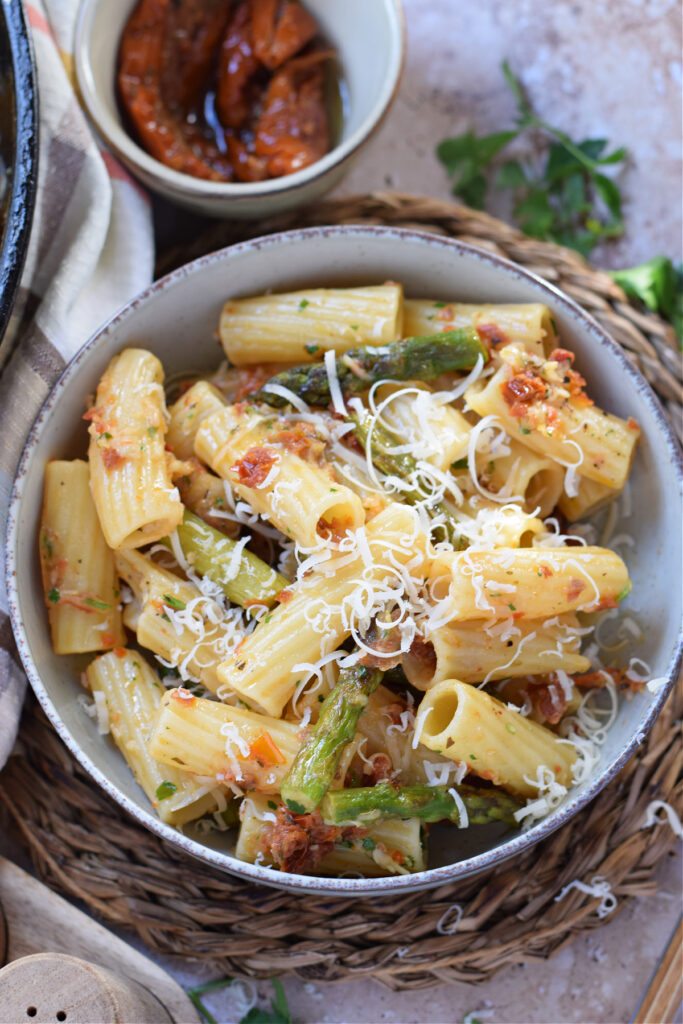
Serve them with roasted chicken, beef, pork, baked salmon, or a crisp green salad. Their creamy texture pairs well with vegetables such as green beans, asparagus, or roasted broccoli. For a casual meal, pair the potatoes with our Meatball subs recipe 1911315.
More Recipes You Will Love
If you enjoy savory baked sides, try a bowl of Roasted vidalia onion soup with black truffle oil recipe. Its sweet roasted onion flavor makes a lovely starter before a cozy potato dinner.
For a casual gathering, the linked meatball subs are a hearty option alongside a simple salad. You can also serve these potatoes with roasted vegetables and grilled chicken when you want a complete family-style meal.
Conclusion
Creamy Rosemary Potatoes bring tender potato layers, fragrant herbs, and a golden Parmesan crust to the dinner table. Thin, even slices and gentle heat create the smoothest sauce, while a short resting period helps every serving hold together. Make the casserole for a holiday meal, Sunday dinner, or a relaxed weeknight gathering. If you try it, leave a rating or comment and share what you served alongside it.
FAQs
When is the best time to eat Creamy Rosemary Potatoes?
Creamy Rosemary Potatoes are best served hot, within about 15 minutes of leaving the oven, when the sauce is at its creamiest. They pair well with roasted chicken, pork, beef, or a holiday main course. The sauce thickens as the dish cools, so letting it rest briefly before serving helps the slices hold their shape while keeping the texture rich.
Can you make Creamy Rosemary Potatoes ahead of time?
Yes, you can assemble Creamy Rosemary Potatoes up to one day ahead. Cover the baking dish and refrigerate it until ready to bake. Because the dish starts cold, add extra baking time, and check that the center is hot and the sauce is bubbling before serving. Let it rest a few minutes before cutting.
How do you store and reheat leftover Creamy Rosemary Potatoes?
Store leftover Creamy Rosemary Potatoes in an airtight container in the refrigerator for up to 3 to 4 days. Reheat portions in the microwave or in a 350°F oven covered with foil until heated through. If the sauce looks thick after chilling, stir in a splash of half-and-half or milk before reheating.
Why are my Creamy Rosemary Potatoes still hard in the middle?
Hard centers usually mean the slices were too thick or the dish was not baked long enough. Slice the potatoes evenly, ideally about 1/8 inch thick, and bake until a knife slides easily through the center. Covering the dish with foil for the first part of baking helps the potatoes cook through before the top browns.
Can you substitute half-and-half or cream cheese in Creamy Rosemary Potatoes?
Yes, whole milk or heavy cream can replace half-and-half, though the sauce will be slightly thinner or richer. Softened Neufchâtel can replace cream cheese for a lighter version with a similar texture. Dairy-free substitutes often change the texture and flavor of the sauce, so results will vary.