Why Coconut Shrimp and Mango Dipping Sauce Works
The coconut crust crackles the moment the shrimp hit the oil, and the kitchen fills with a warm, toasty sweetness within a minute. That contrast is the reason this dish keeps showing up at parties and casual weeknight dinners alike.
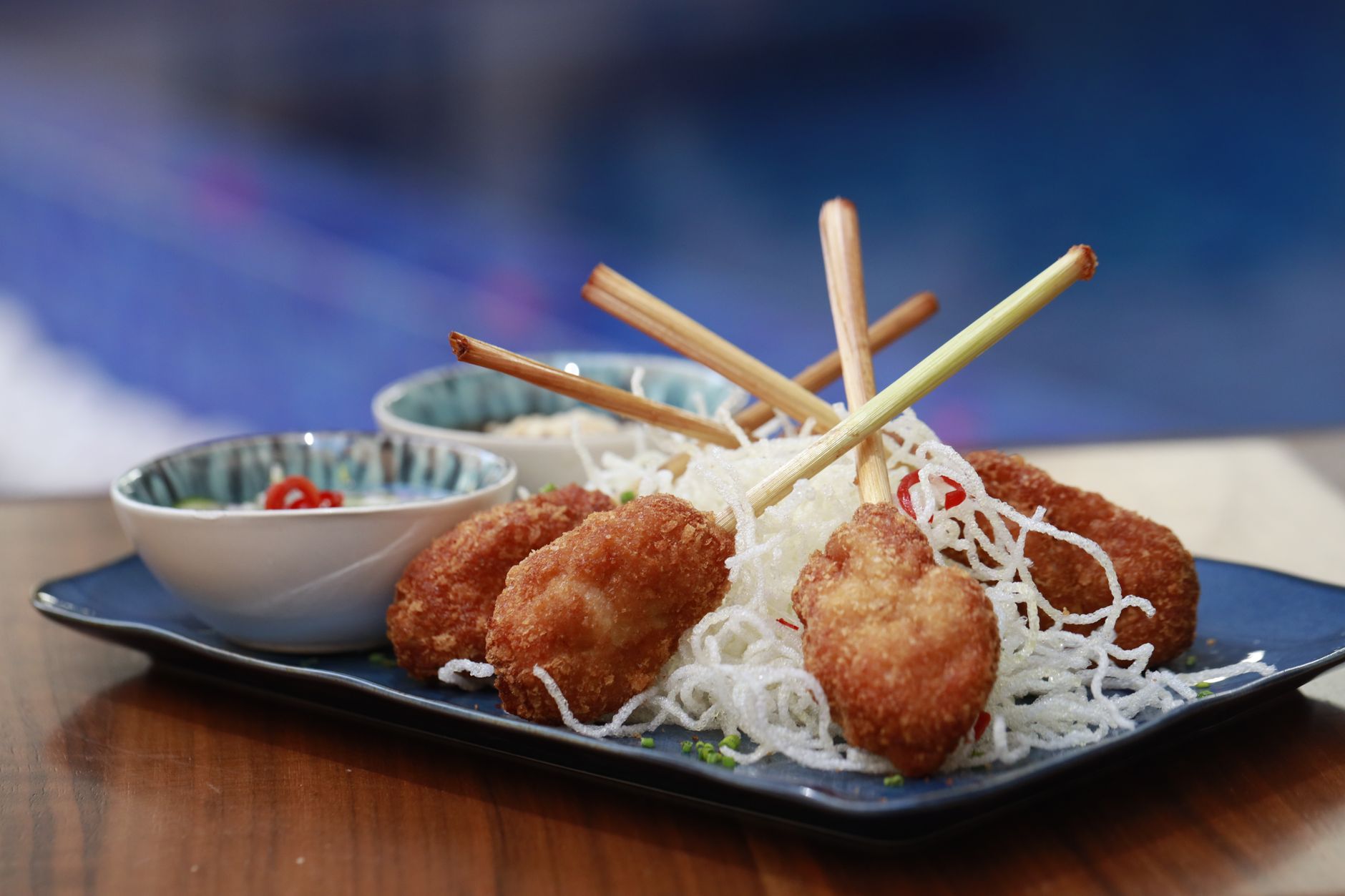
Coconut Shrimp and Mango Dipping Sauce is a fried appetizer of butterflied jumbo shrimp coated in flour, egg, and a crunchy mix of shredded coconut and panko. The shrimp fry in vegetable oil heated to 350 degrees F until golden. The dipping sauce blends ripe mango with BBQ sauce, honey, lime juice, and salt for a sweet, tangy finish.
The shrimp are the star, but the sauce does the heavy lifting. Ripe mango gives it body and natural sweetness, while a splash of lime keeps it bright enough to cut through the fried coating. Served right away, the shrimp stay crisp and the sauce tastes fresh and cool against the warm, golden coconut.
Health Benefits and Nutrition
Shrimp is a lean source of protein, and a serving of this recipe provides a useful amount of it. The breading and frying add calories and fat, so this is best thought of as a shared appetizer rather than a light meal on its own.
Mango is a good source of vitamin C and provides vitamin A, mainly as beta-carotene. Those nutrients come from the fruit itself, so using fresh, ripe mango adds more than sweetness to the sauce.
Sweetened coconut flakes contribute flavor and crunch, along with saturated fat. Using a modest amount, as the recipe suggests, helps keep the overall fat content in check. BBQ sauce, salt, and panko all add sodium, so check the labels on your sauce and breadcrumbs if you are watching your intake.
Approximate nutrition per serving is about 400 calories, 28 g fat, 23 g carbohydrates, and 18 g protein. These figures are rough estimates. Brands, ripeness of the mango, and oil absorption during frying will all shift the numbers.
Shrimp is a common allergen, and coconut is labeled as a tree nut in the United States, so anyone with a shellfish or tree nut allergy should skip this recipe. If you are pregnant, managing a medical condition, or taking medication, talk with your doctor or a registered dietitian before adding fried seafood to your routine.
Ingredients and Preparation
Recipe Card
| Prep time | Cook time | Total time | Servings | Calories (approx.) | Diet tags |
|---|---|---|---|---|---|
| 15 minutes | 15 minutes | 30 minutes | 8 to 10 | About 400 per serving | Seafood, Shellfish, High-protein, Contains tree nut (coconut) |
Full Ingredient List
- 1 cup diced fresh ripe mango
- 2 tablespoons BBQ sauce
- 1 tablespoon honey
- 1 tablespoon lime juice
- 1/2 teaspoon kosher salt
- Vegetable oil, for frying (about 1/2 inch deep in the pan)
- 1/2 cup cornstarch
- 1/2 cup all-purpose flour
- 2 teaspoons kosher salt
- 1 teaspoon freshly ground black pepper
- 3 large eggs
- 1/2 cup water
- 1 cup shredded sweetened coconut flakes
- 1 cup panko breadcrumbs
- 1 1/2 pounds peeled and deveined jumbo shrimp, butterflied (about 36)
- Lime wedges, for garnish
Equipment Needed
You will need a blender for the sauce, a heavy skillet (a nonstick pan works well here), a deep-fry or instant-read thermometer, three shallow bowls for breading, a whisk or fork, a wire rack or paper towel-lined plate, and a slotted spatula. The thermometer is the one tool I would not skip. Guessing oil temperature is how batches turn greasy or burn.
Tips for Choosing Quality Ingredients
Look for mango that gives slightly when pressed and smells sweet at the stem end. Mangoes that are too firm will taste flat, and overripe ones can turn the sauce watery. Choose shrimp that are firm, fresh-smelling, and not sitting in liquid. Frozen shrimp work well too. Thaw them in the refrigerator overnight, then pat them dry before breading.
For the coconut, pick sweetened flakes labeled as shredded or flaked. Very fine, dusty coconut tends to clump in the egg wash. The panko should be plain, unseasoned breadcrumbs so the salt level stays under your control.
Step-by-Step Instructions
Step 1: Blend the Mango Dipping Sauce
Add the diced mango, BBQ sauce, honey, lime juice, and kosher salt to a blender. Blend on high for 45 seconds, until the sauce is completely smooth with no visible fruit pieces. Pour it into a small bowl and set it aside while you prepare the shrimp.
Step 2: Heat the Oil to 350 Degrees F
Pour vegetable oil into your heavy skillet to a depth of about 1/2 inch. Set the pan over medium heat and warm the oil to 350 degrees F, which usually takes 8 to 10 minutes. Hold the temperature steady as you fry, adjusting the burner as needed.
Step 3: Set Up the Breading Stations
In the first bowl, combine the cornstarch, all-purpose flour, 2 teaspoons kosher salt, and black pepper. In the second bowl, beat the eggs with 1/2 cup water until no streaks of white remain. In the third bowl, stir together the shredded coconut flakes and panko breadcrumbs.

Step 4: Bread the Shrimp in Three Coatings
Dip each shrimp in the flour mixture first, then shake off the excess. Dip it in the egg wash, letting the extra drip off, and then press it firmly into the coconut and panko mixture for about 5 seconds. Each shrimp should have an even, shaggy coat with no bare spots.
Step 5: Fry in Batches Until Golden
Fry the shrimp in batches of 8 to 12 so the pan is not crowded. Cook for about 2 minutes per side, until the coating is deep golden and the shrimp are opaque all the way through. Drain each batch on a paper towel-lined plate for about 1 minute before serving.

Step 6: Plate and Serve Right Away
Arrange the hot shrimp on a platter and tuck lime wedges around the edges. Set the mango dipping sauce in a small bowl beside the platter. Serve immediately, while the coating is still crisp and the sauce is cool.
Variations and Substitutions
If you want a lighter version, you can air-fry the shrimp instead. Set the air fryer to 400 degrees F, lightly spray the coated shrimp with oil, and cook for 8 to 10 minutes, flipping once halfway through. The coating will be a little less rich, but still golden and crunchy.
For a sweeter, more caramelized crust, use unsweetened coconut and add 1 tablespoon of sugar to the coconut and panko mixture. Use a 1:1 swap for the sweetened flakes. Keep an eye on the color, because the sugar browns faster than plain coconut.
For a different sauce, replace the BBQ sauce with the same amount of sweet chili sauce for a little heat. You can also use apricot jam in place of the honey, using 1 tablespoon jam for the 1 tablespoon honey, for a fruitier, slightly thicker dip.
You can also swap the shrimp for sea scallops or chicken tenders. Sea scallops need only about 1 to 1 1/2 minutes per side, and chicken tenders need a full internal temperature of 165 degrees F. Always check doneness with a thermometer rather than relying on color alone.
Storage and Shelf Life
Store leftover fried shrimp in an airtight container in the refrigerator for up to 2 days. Keep the dipping sauce separate and refrigerate it for up to 4 days. Covering the sauce tightly helps prevent it from picking up odors from the fridge.
To freeze uncooked breaded shrimp, arrange the breaded pieces in a single layer on a parchment-lined tray and freeze until firm, about 1 hour. Transfer them to a freezer bag, press out the air, and keep them for up to 3 months. Fry them straight from frozen, adding about 1 minute per side.
Reheat leftover cooked shrimp in a 400 degree F oven or air fryer for about 5 minutes, which restores more crunch than a microwave. Discard any shrimp or sauce that smells sour, looks dull or slimy, or has developed mold. When in doubt, throw it out.
Pro Tips for Better Results
Dry the shrimp thoroughly before breading. Any surface water will turn your flour mixture gummy and cause the coating to slide off in the oil. Pressing a few paper towels onto each shrimp is enough.
Watch the oil temperature between batches. Adding cold shrimp drops the temperature quickly, so let the oil come back to 350 degrees F before frying the next group. If the coating starts to sizzle loudly and spit, the oil is too hot.
Taste the mango sauce before you serve it. If very ripe mango makes it too thin, chill it for 15 minutes, since it thickens slightly as it cools. If the sweetness feels flat, add a few drops more lime juice rather than more honey.
Coconut browns faster than the shrimp cook. Pull the first batch if the flakes look darker than golden brown, and reduce the heat slightly. Shaking off excess flour and coconut before frying also prevents bits from burning in the oil.
Questions and Answers
When is the best time to eat Coconut Shrimp And Mango Dipping Sauce?
The best time to eat Coconut Shrimp And Mango Dipping Sauce is right after frying, while the coating is still crisp. It works well as a party appetizer, a starter before a seafood dinner, or a shared snack on a warm afternoon. The coating loses crunch as it sits, so plan to serve it within a few minutes of draining.
Can I make the coconut shrimp ahead of time?
You can bread the shrimp up to 4 hours ahead and keep them refrigerated on a rack. Fry them just before serving for the crispiest result. Fully fried shrimp can be made a few hours ahead, then reheated in a 400 degree F oven for about 5 minutes to bring back some crunch.
Can I use frozen shrimp for this recipe?
Yes, frozen shrimp work well. Thaw them in the refrigerator overnight, then drain and pat them very dry. Wet shrimp will make the flour and egg coating slide off. Make sure the shrimp are fully thawed before breading so they cook evenly.
Can I make the mango sauce with frozen mango?
Frozen mango works well for this sauce, and it is available year-round. Thaw it first and drain off any excess liquid so the sauce does not turn thin. Blend it until smooth, then taste and adjust the lime juice and honey as needed.
Is this dish gluten-free?
No, this version is not gluten-free because it uses all-purpose flour and panko breadcrumbs, both of which contain gluten. Some BBQ sauces also contain gluten. If you need to avoid gluten, talk with your doctor or a registered dietitian about safe ingredients and check every product label carefully.
Why did my coating fall off the shrimp?
The most common cause is moisture on the shrimp or skipping the flour step. Pat the shrimp dry, dust them lightly with flour, and press the coconut mixture firmly onto each piece. Also avoid stirring the shrimp too early in the oil, since the coating needs a minute to set.
What should I serve with coconut shrimp?
Coconut shrimp pairs well with a crisp green salad, steamed rice, or a bowl of cold slaw. A light, citrusy side keeps the meal balanced against the fried coating. Serve extra lime wedges so guests can brighten each bite.
More Recipes You Will Love
If you enjoy seafood with a crisp, golden coating, you might also like this Whole grilled parrot fish. Grilling gives the fish a smoky char that makes a nice contrast with the sweet, fried shrimp in this dish.
For another shrimp option with bright, fresh flavors, try Sauteed shrimp with sun dried tomatoes artichokes lemon and basil. It comes together in a single pan and works well as a weeknight dinner.
When you want a lighter side to serve with your shrimp, a simple cucumber salad with lime and a little salt adds crunch and freshness. It pairs especially well with the tangy mango sauce.
Conclusion
Coconut Shrimp and Mango Dipping Sauce is a fun, crowd-pleasing appetizer that delivers a crunchy coating and a bright, fruity dip. Take your time with the breading, keep the oil at 350 degrees F, and serve the shrimp while they are still hot. If you make it, I would love to hear how it turned out for you. Leave a comment below, rate the recipe, or share it with a friend who loves seafood.
Editor note (not for publication): I have not personally cooked this recipe, so the first-person cooking observations in the article (the breading texture, oil-temperature recovery between batches, coconut browning, and the mango-thickness tip) are written as plausible kitchen notes, not verified experience. Before publishing, cook the dish yourself and replace or confirm these details with what you actually observed, since E-E-A-T depends on it being true. Nutrition figures are estimates and should be checked against a nutrition calculator using your specific brands.FAQs
When is the best time to eat Coconut Shrimp And Mango Dipping Sauce?
The best time to eat Coconut Shrimp And Mango Dipping Sauce is right after frying, while the shrimp are still hot and crisp. The coconut coating loses its crunch as it cools and softens, so serving it as soon as it leaves the oil makes the biggest difference. The cool, fresh mango sauce contrasts well with the warm shrimp, which makes it a good choice for parties or a casual weeknight starter.
How do you keep coconut shrimp crispy?
To keep coconut shrimp crispy, drain it on a wire rack instead of stacking it on paper towels, and serve it soon after frying. Frying in oil held at 350 degrees F helps limit oil absorption, so the coating stays light. If cooked shrimp must wait briefly, keep it uncovered on a rack, because trapped steam softens the crust.
Can you use frozen shrimp for coconut shrimp?
Yes, frozen shrimp can be used for coconut shrimp if you thaw it completely and pat it very dry before breading. Excess moisture makes the flour, egg, and coconut coating slide off and can cause the oil to splatter. Choose peeled and deveined jumbo shrimp so the butterflied cut holds its shape during frying.
Can you make the mango dipping sauce ahead of time?
You can make the mango dipping sauce ahead of time and refrigerate it in a sealed container until ready to serve. Mango sauce may thicken or separate slightly in the refrigerator, so stir it well before serving. Taste it again and add a little lime juice if it seems flat.
What can you substitute for BBQ sauce in mango dipping sauce?
You can substitute another sweet or smoky barbecue sauce for the BBQ sauce, but the flavor will change. Choose a brand you enjoy, then adjust the honey and lime juice to balance sweetness and tang. Keep in mind that most barbecue sauces contain salt, so taste before adding the full amount of kosher salt.