Why Boozy Marmalade Shortbread Cookies?
The first bite is crisp and buttery, followed by bright orange marmalade and a warm citrus finish.
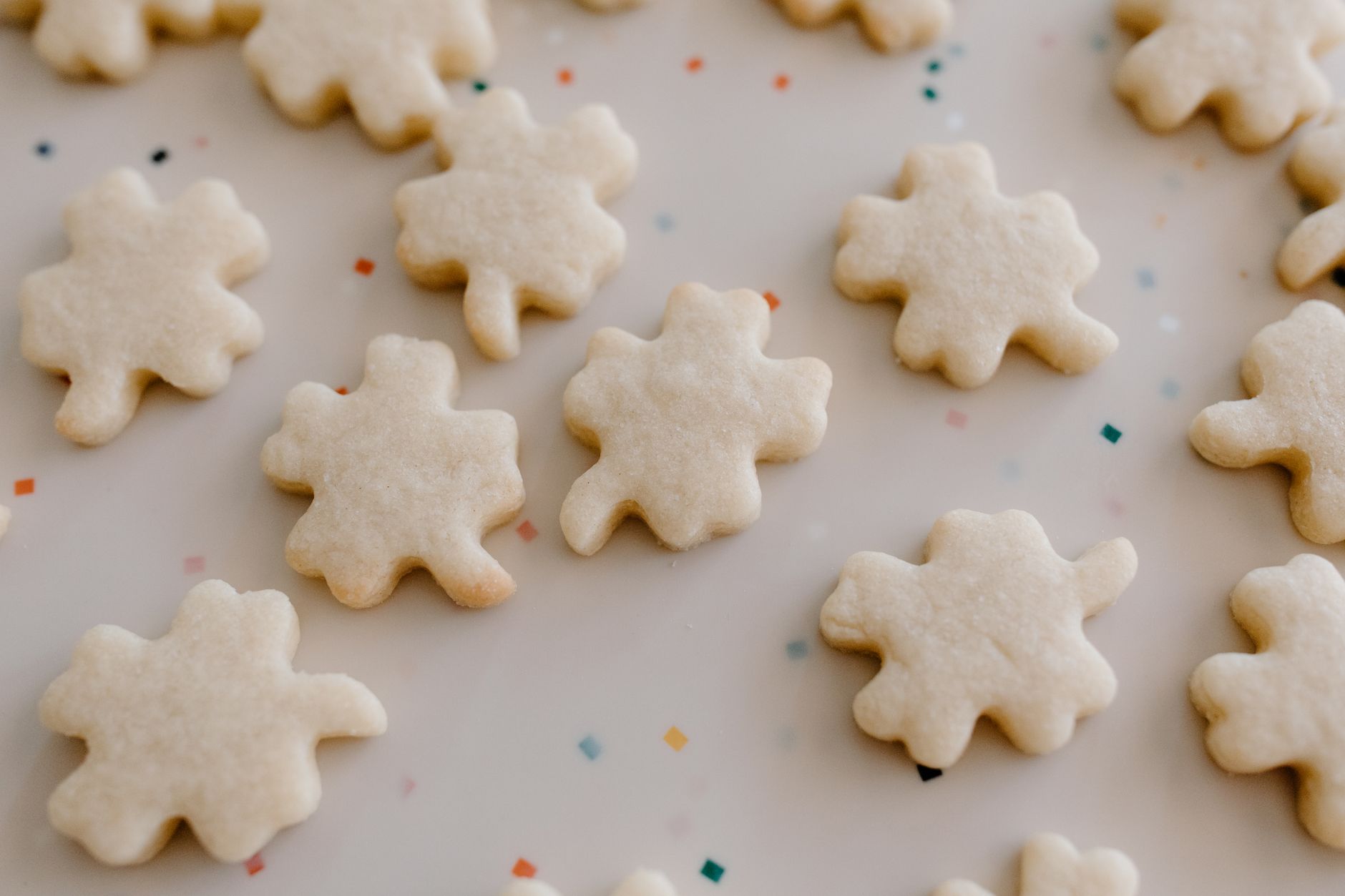
Boozy Marmalade Shortbread Cookies are crisp sandwich cookies made from tender butter shortbread, orange marmalade, orange liqueur, and bitters. The cookies are rolled thin, baked until lightly golden, then filled with a tangy marmalade mixture and dusted with powdered sugar. They are simple enough for beginners but special enough for holiday trays.
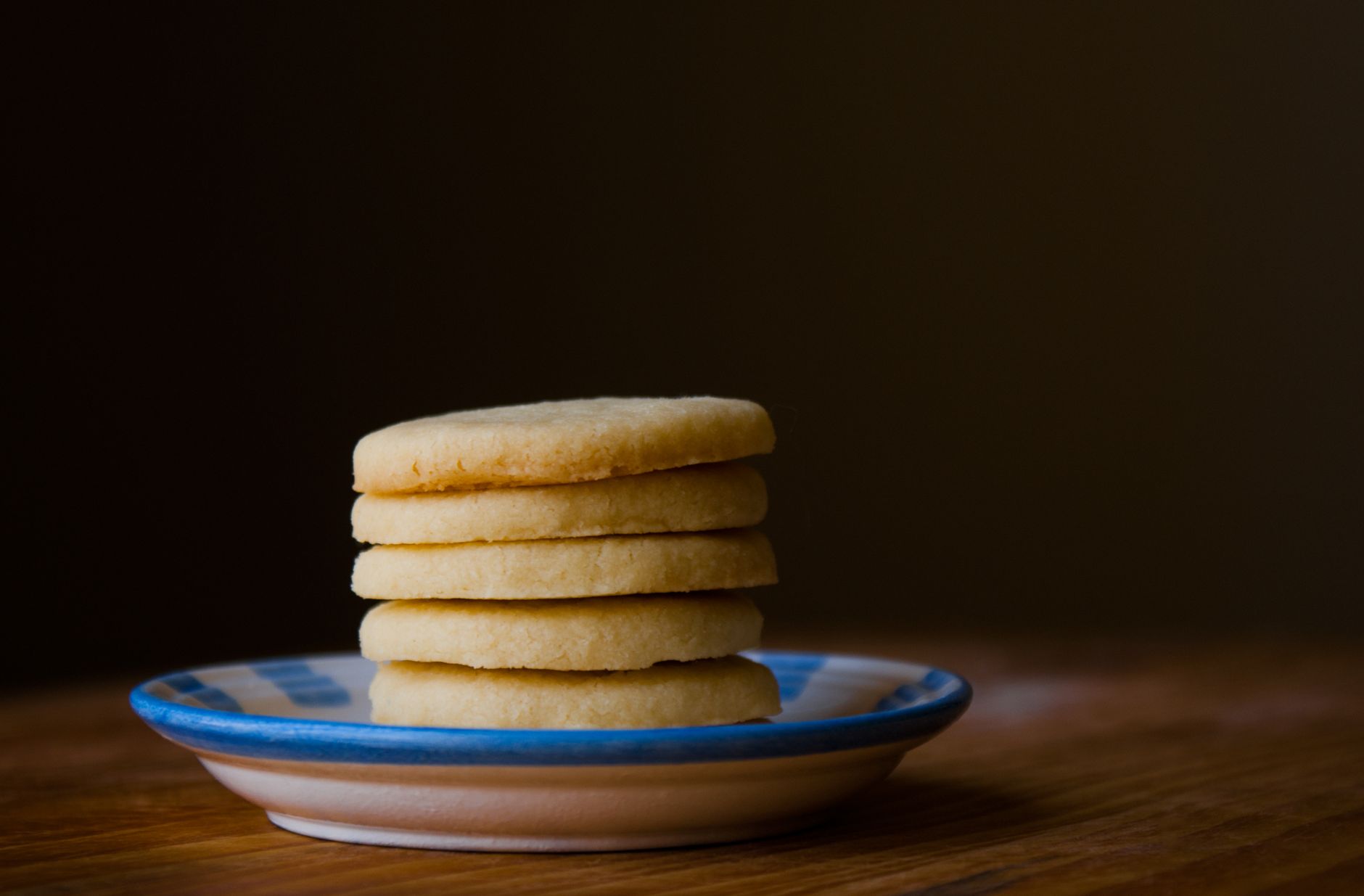
The shortbread dough contains no eggs, so the texture stays delicate rather than cakey. I found that a proper chill makes the dough much easier to roll and helps the cut shapes hold their edges. Serve these with coffee, tea, or an after-dinner drink.
Health Benefits & Nutrition
This is a rich dessert, not a health food, so the most useful approach is enjoying a measured portion. One sandwich cookie contains butter, sugar, refined flour, and a sweet marmalade filling. The recipe also includes a small amount of orange liqueur and bitters.
- Quick energy: Flour and sugar provide carbohydrates, while butter adds fat and richness.
- Small amount of citrus: Orange marmalade contributes orange flavor and a little fruit content, although the sugar makes it different from eating fresh fruit.
- Portion-friendly format: Cutting the cookies into small rounds makes it easier to serve one cookie at a time with a hot drink.
- Vegetarian-friendly: The recipe contains no meat, fish, or gelatin, but it does contain dairy and gluten.
Nutrition will vary with the marmalade brand, cookie size, and the amount of filling used. As a rough estimate, one sandwich cookie provides about 300 to 325 calories, 16 grams of fat, 42 grams of carbohydrates, and 3 grams of protein.
These cookies contain wheat, gluten, and dairy. The filling is not cooked after the orange liqueur is added, so some alcohol remains. For children, people avoiding alcohol, or anyone who needs to limit alcohol for medical or personal reasons, use alcohol-free orange flavoring or leave the liqueur out. For allergy or dietary concerns, check every package label and ask a qualified health professional for personal advice.
Ingredients & Preparation
Recipe Card
| Prep time | 1 hour |
|---|---|
| Cook time | 15 minutes |
| Total time | 1 hour 15 minutes |
| Servings | 18 to 20 sandwich cookies |
| Calories | Approximately 300 to 325 per sandwich cookie |
| Diet tags | Vegetarian; contains gluten, dairy, and alcohol |
Full Ingredient List
- 12 ounces unsalted butter, softened to room temperature
- 1 cup granulated sugar
- 1 teaspoon pure vanilla extract
- 3 1/2 cups all-purpose flour
- 1/4 teaspoon kosher salt
- 1 cup orange marmalade
- 1 tablespoon orange liqueur, such as Cointreau
- 2 dashes bitters, such as Angostura
- 1/4 cup powdered sugar, for dusting
Equipment Needed
- Electric hand mixer or stand mixer
- Fine-mesh sieve
- Rolling pin
- Parchment paper
- Two baking sheets
- 2 1/2- to 3-inch round cookie cutter
- Small round cutter or piping tip for the center openings
- Wire cooling rack
Tips for Choosing Quality Ingredients
Use unsalted butter so you can control the salt level. Butter with a clean, fresh aroma gives the shortbread its main flavor, so avoid using butter that has picked up refrigerator odors. Let it soften naturally; very soft or melted butter can make the dough greasy.
Choose a thick orange marmalade with visible peel for the best texture and flavor. I tested a very loose, low-sugar marmalade once, and it spread toward the edges instead of staying neatly between the cookies. If your marmalade looks runny, chill the mixed filling for 10 minutes before assembling.
A modest orange liqueur works better than a strongly flavored one. The bitters should add gentle spice and bitterness, not dominate the orange. Fresh powdered sugar also gives the cleanest white finish.

Step-by-Step Instructions
Step 1: Prepare the Oven and Baking Sheets
Preheat the oven to 350°F. Line two baking sheets with parchment paper. Set one oven rack in the center position and allow the oven to fully preheat for at least 15 minutes before baking.
Step 2: Mix and Chill the Shortbread Dough
Beat the softened butter, granulated sugar, and vanilla with an electric mixer on medium-high speed for 2 to 3 minutes, until pale and creamy. Sift the flour and salt together, then add them on low speed in three additions. Mix for about 30 seconds after the final addition, stopping as soon as no dry flour remains. Shape the dough into a disk, cover it, and chill for 30 minutes.
Step 3: Roll and Cut the Cookies
Roll the chilled dough between two sheets of parchment to 1/8-inch thickness. Cut 36 to 40 rounds using a 2 1/2- to 3-inch cutter. Cut a smaller opening from the center of half the rounds. Transfer the cookies to the prepared sheets, leaving about 2 inches between them.
Step 4: Bake and Cool the Shortbread
Bake at 350°F for 13 to 15 minutes, rotating the sheets halfway through. Remove the cookies when the centers look dry and the edges are pale golden. They should smell buttery and feel firm at the edges while still slightly delicate in the center. Cool on the baking sheets for 5 minutes, then transfer to a wire rack for at least 25 minutes.
Step 5: Make the Filling and Assemble
Stir the orange marmalade, orange liqueur, and bitters in a small bowl for 30 seconds. Spread about 1 tablespoon of filling over each whole cookie, leaving a narrow border. Place a cutout cookie on top, then dust the sandwiches with powdered sugar just before serving.
The first time I made these, I mixed the dough longer than necessary because it looked crumbly. That produced tougher cookies. Stop mixing as soon as the flour disappears; the dough comes together while you press and roll it. Also, cool the cookies completely before filling. Warm shortbread makes the marmalade slide.
Variations & Substitutions
- Alcohol-free version: Replace the 1 tablespoon orange liqueur with 1 teaspoon orange extract plus 2 teaspoons water or orange juice. Leave the bitters in if you want their spice, or use alcohol-free bitters.
- Lemon variation: Replace the orange marmalade with lemon curd or thick lemon marmalade in an equal 1:1 amount. Use limoncello instead of orange liqueur, or substitute 1 teaspoon lemon extract mixed with 2 teaspoons water.
- Chocolate-orange version: Replace 1/4 cup of the flour with 1/4 cup unsweetened cocoa powder. Add 1/2 teaspoon finely grated orange zest to the butter mixture. The dough may need 1 to 2 teaspoons of water if it feels unusually dry.
- Ginger marmalade version: Stir 1/2 teaspoon ground ginger into the flour and salt. Use the same quantity of orange marmalade, then add only 1 dash of bitters to keep the spice balanced.
- Smaller cookies: Use a 2-inch cutter and reduce the baking time to about 10 to 12 minutes. Watch for lightly golden edges, since smaller cookies brown quickly.
Do not replace all-purpose flour with whole-wheat flour at the same ratio. I tried a full swap, and the cookies became noticeably heavy and less delicate. If you want more flavor, replace only 1/2 cup of the all-purpose flour with fine whole-wheat flour.
Storage & Shelf Life
Store assembled cookies in a tightly sealed container at room temperature for up to 3 days. Place parchment between layers to protect the powdered sugar and prevent the marmalade from sticking to the lid. The shortbread gradually softens as it absorbs moisture from the filling.
For a slightly longer storage period, refrigerate the assembled cookies for up to 5 days. Let them stand at room temperature for 15 to 20 minutes before serving so the butter-rich cookie regains a pleasant texture.
For the best freezer method, freeze the baked, unfilled cookies in an airtight container for up to 2 months. Separate layers with parchment. Thaw them uncovered at room temperature for about 1 hour, then add freshly stirred marmalade and powdered sugar.
Discard cookies if you see mold, notice a sour or rancid smell, or find unusually wet, slimy filling. A little powdered sugar dissolving into the marmalade is normal; fuzzy growth or an off aroma is not.
Pro Tips
- Measure flour by weight when possible: Too much flour makes shortbread dry and difficult to roll. If using cups, spoon flour into the measuring cup and level it without packing.
- Keep the butter soft, not melted: Properly softened butter should dent when pressed but still hold its shape. Melted butter can cause spreading and greasy edges.
- Avoid overworking the dough: Mix only until the flour disappears. Extra mixing develops more gluten and reduces the delicate, crumbly texture.
- Roll evenly: Use parchment above and below the dough. An even 1/8-inch sheet helps the cookies bake at the same speed and keeps sandwich pairs compatible.
- Match the cookie pairs: Before filling, place a whole cookie beside a cutout cookie of similar size. This prevents a large top from sliding over a smaller base.
- Control marmalade moisture: Thick marmalade stays in place. If yours is loose, chill it briefly or use slightly less filling. Too much filling will squeeze out when you press the top cookie down.
- Dust at the end: Powdered sugar looks brightest when added just before serving. If added too early, it can dissolve into the marmalade and lose its snowy appearance.
- Prevent sticking: Do not stack the sandwiches until the filling has settled for 10 minutes. Parchment between layers keeps the tops neat and reduces staining.
Questions & Answers
When is the best time to eat Boozy Marmalade Shortbread Cookies?
The best time to eat these cookies is after they have rested for 10 to 15 minutes following assembly. That short rest lets the marmalade settle without making the shortbread soggy. They are especially good with afternoon tea, coffee, or as a small after-dinner dessert.
Can I make the shortbread dough ahead of time?
Yes, you can make the dough up to 2 days ahead and refrigerate it tightly wrapped. Let it sit at room temperature for 10 to 15 minutes before rolling if it feels very firm. You can also freeze the wrapped dough for up to 1 month, then thaw it overnight in the refrigerator.
Why did my cookies spread in the oven?
Cookies usually spread because the butter was too warm, the dough was overmixed, or the oven was not fully preheated. Chill the cut rounds for 10 minutes before baking if your kitchen is warm. Also check that the oven reaches 350°F before the trays go inside.
Can I use another type of jam?
Yes, use a thick jam or preserve in the same 1-cup quantity. Raspberry, apricot, and cherry all work well, although the citrus character will change. Avoid very runny jelly because it can leak from the sandwich and soften the cookies quickly.
Does the alcohol cook out of the filling?
No, the alcohol does not fully cook out because the orange liqueur is stirred into the marmalade after baking. Use an alcohol-free orange flavoring for children or anyone avoiding alcohol. Orange extract is stronger, so use 1 teaspoon extract plus 2 teaspoons water instead of the liqueur.
Can I make these cookies without a center cutout?
Yes, you can make two solid rounds and sandwich them with marmalade. Use about 2 teaspoons of filling per cookie pair rather than a full tablespoon. The cutout is decorative and lets the orange filling show, but it is not required for the recipe to work.
Why are my shortbread cookies tough?
Tough cookies usually result from overmixing or adding too much flour. Mix only until the dry ingredients disappear, and handle the dough gently while rolling. Bake just until the edges are pale golden; baking for several extra minutes can make thin shortbread dry and hard.
More Recipes You Will Love
If you enjoy bright fruit flavors and crisp pastry, try this Green apple spring rolls recipe 1909331. Its fresh apple filling offers a lighter contrast to buttery shortbread, with plenty of crisp texture.
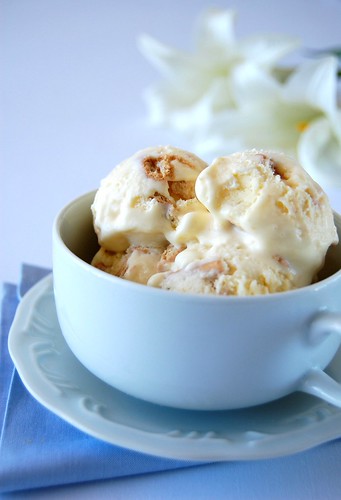
For another dessert to serve alongside these cookies, make Homemade ice cream (no eggs sweetened condensed milk). A scoop of creamy vanilla ice cream pairs especially well with the orange marmalade center.
You can also create a small dessert platter with these cookies, fresh berries, dark chocolate squares, and lightly sweetened whipped cream. The contrasting textures make a simple gathering feel thoughtfully planned.
Conclusion
Boozy Marmalade Shortbread Cookies bring together crisp butter shortbread, bright orange preserves, and a subtle bitters finish. Chill the dough well, avoid overmixing, and let the baked cookies cool completely before filling. Those small details keep the sandwiches neat and tender. Make a batch for afternoon tea, a festive cookie tray, or a grown-up dessert spread. If you try the recipe, leave a rating or share how your marmalade variation turned out.
FAQs
When is the best time to eat Boozy Marmalade Shortbread Cookies?
These cookies are best served with coffee, tea, or an after-dinner drink. Their crisp, buttery shortbread and tangy marmalade filling suit an afternoon break or a holiday dessert tray. Because the filling contains a small amount of orange liqueur, adults are the best audience for the alcoholic version.
How should I store Boozy Marmalade Shortbread Cookies?
Store Boozy Marmalade Shortbread Cookies in an airtight container at room temperature, with parchment between layers if you stack them. Keep them away from heat and humidity so the shortbread stays crisp. Dust with powdered sugar just before serving, since sugar can absorb moisture and look dull over time.
Can I make Boozy Marmalade Shortbread Cookies without alcohol?
Yes, you can leave out the orange liqueur or replace it with alcohol-free orange flavoring. The cookies will taste slightly less complex, but the orange marmalade still provides bright citrus flavor. Bitters also contain alcohol, so check the label if you need an alcohol-free version.
Why is my shortbread dough too crumbly or hard to roll?
Chilling the dough until firm is the most reliable fix for dough that is too crumbly or hard to roll. Use butter softened to room temperature, mix just until the dough comes together, and roll it between sheets of parchment. Overworking the dough can make the baked shortbread tough.
Can I make Boozy Marmalade Shortbread Cookies ahead of time?
Yes, baked shortbread shells keep well in an airtight container for several days. For the best texture, fill and dust the sandwiches shortly before serving, because moisture from the marmalade can soften the cookies over time. Unfilled shells can be stored until you are ready to assemble them.