Why Asian Pear Cocktail Recipe
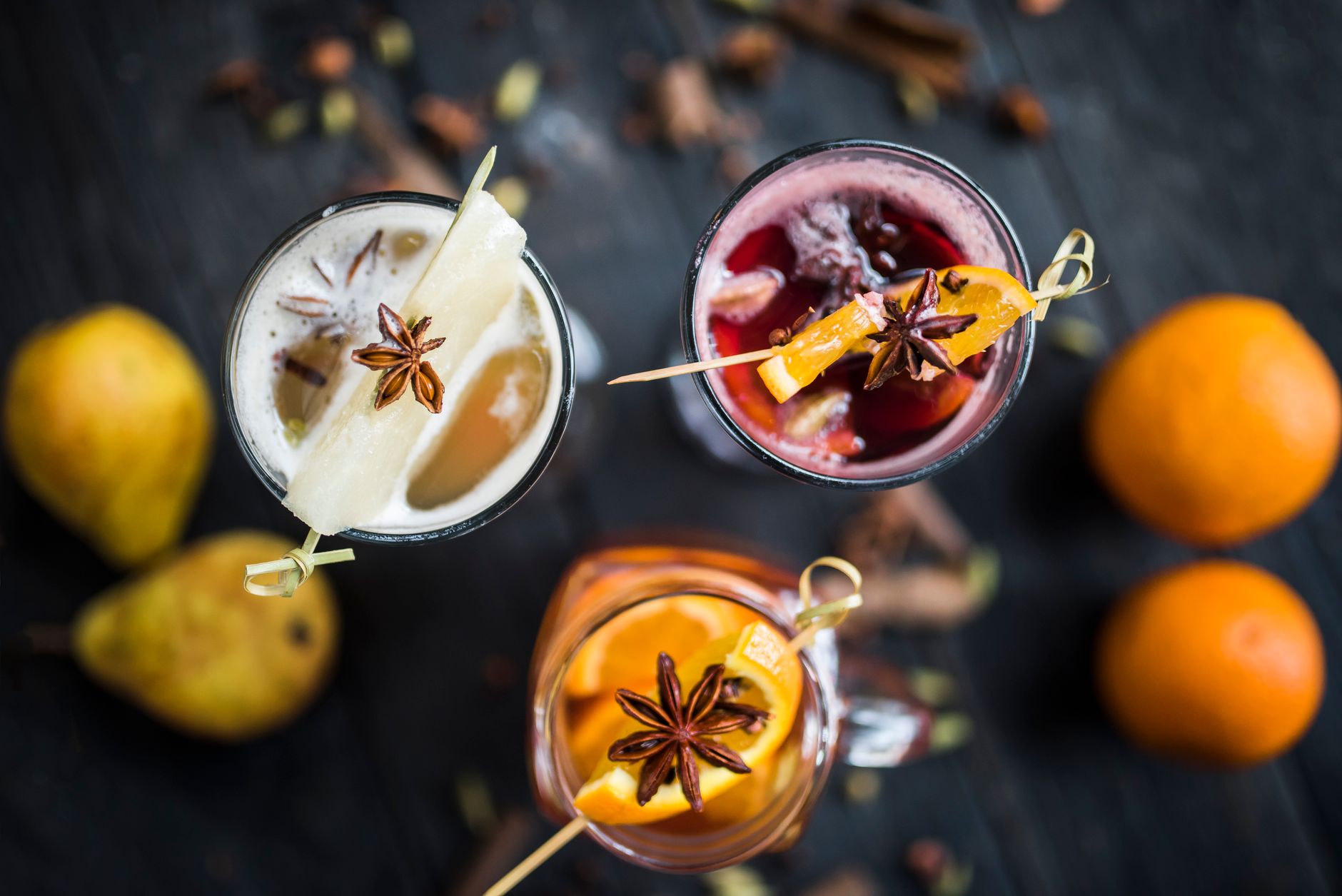
The first sip is crisp, lightly floral, and gently tart, with a cool green aroma from the shiso leaf. This Asian Pear Cocktail Recipe turns fresh fruit, shochu or sake, lemon juice, ice, and shiso into a refreshing drink with very little preparation.
An Asian pear cocktail is a fresh blended drink made with ripe Asian pears, shochu or sake, lemon juice, ice, and green shiso. The pear is blended into a smooth puree, strained for a cleaner texture, then served over ice with lightly bruised shiso. It is bright, fruity, lightly boozy, and ready in about 15 minutes.
I like this cocktail because it does not rely on bottled pear nectar or a sugary mixer. Ripe Asian pears provide plenty of natural sweetness, while lemon keeps the drink lively. Shochu gives the cleanest finish, but sake works well when you want a softer, rounder flavor.
The drink is especially appealing when Asian pears are firm, juicy, and fragrant. Serve it as a small aperitif, a relaxed weekend drink, or alongside a meal with delicate Japanese or Korean-inspired flavors.

Health Benefits & Nutrition
This is an alcoholic drink, so it is best enjoyed occasionally and in moderation. Its nutritional value comes mainly from the fresh pear and lemon rather than the alcohol.
- Fresh fruit flavor: Asian pears contribute naturally occurring fiber, water, and vitamin C, although some fiber is removed when the blended fruit is strained.
- Less added sugar: This version contains no simple syrup, soda, or packaged mixer. The final sweetness depends on the pear’s ripeness.
- Refreshing hydration: The fruit and melted ice add water to the drink, but an alcoholic cocktail should not replace regular water.
- Bright, balanced taste: Lemon juice adds acidity, which helps reduce the need for extra sweetener while making the pear taste more pronounced.
Nutrition varies with the size and sweetness of the pears and the type of shochu or sake used. One serving contains approximately 125 calories, 1 gram of protein, 18 grams of carbohydrates, and 0 grams of fat.
Because this recipe contains alcohol, do not serve it to children. Anyone who is pregnant, avoiding alcohol, taking medication that interacts with alcohol, or managing a health condition should choose a nonalcoholic version or ask a qualified healthcare professional for personal guidance. Shiso and pears are generally well tolerated, but avoid any ingredient that causes you an allergy or sensitivity.
Ingredients & Preparation
Recipe Card
| Prep time | Cook time | Total time | Servings | Calories (approx.) | Diet tags |
|---|---|---|---|---|---|
| 15 minutes | 0 minutes | 15 minutes | 4 cocktails | 125 per serving | Vegetarian, dairy-free, gluten-free |
Full Ingredient List
- 2 medium Asian pears, peeled, cored, and roughly chopped
- 1 cup shochu or sake
- 1 tablespoon fresh lemon juice
- Large ice cubes, for serving
- 4 fresh green shiso leaves
The ingredient list is intentionally short, so each item matters. Use ripe pears with a sweet smell and firm flesh. Avoid fruit with bruised, watery, or mealy areas because those flavors become more noticeable after blending.
Equipment Needed
- Sharp knife and cutting board
- Blender
- Fine-mesh sieve
- Cheesecloth, if your sieve has wide openings
- Large measuring cup or bowl
- Four rocks glasses or small tumblers
- Blunt muddler, wooden spoon handle, or the back of a sturdy spoon
Tips for Choosing Quality Ingredients
Choose Asian pears that feel heavy for their size. A good pear should have taut skin and a crisp, juicy texture. The color may range from pale yellow to golden brown, depending on the variety, so fragrance and firmness are better guides than color alone.
Shochu creates a drier, cleaner cocktail. Barley or rice shochu works particularly well. If you use sake, select a fresh, dry sake rather than a strongly sweet or aged style. Fresh lemon juice tastes noticeably brighter than bottled juice in this recipe.
Look for shiso leaves that are vivid green, flexible, and free from dark edges. If the leaves look wilted, place them in cold water for several minutes, then pat them dry before using.

Step-by-Step Instructions
1. Prepare the pears — 5 minutes
Peel and core 2 Asian pears, then cut them into roughly 1-inch pieces. Add the pear pieces to a blender with 1 cup shochu or sake and 1 tablespoon fresh lemon juice. Smaller pieces blend more quickly and reduce the chance of leaving fibrous chunks.
2. Blend the cocktail base — 1 minute
Secure the blender lid and blend on high for 45 to 60 seconds. The mixture should look pale, slightly frothy, and mostly smooth, with no large pear pieces visible. Stop once the blades are moving freely and the puree has a pourable texture.
The first time I made this, I used short pulses instead of a full blend. The drink looked attractive but had tiny pear threads throughout it. A continuous high-speed blend produces a much smoother base before straining.
3. Strain for a clean texture — 5 minutes
Set a fine-mesh sieve over a large measuring cup or bowl. For an especially silky drink, line the sieve with cheesecloth. Pour in the pear mixture and let it drain for 2 to 3 minutes, then press the solids gently with the back of a spoon.
Stop pressing when the remaining pulp looks fairly dry and the liquid runs pale gold. Pressing too aggressively can force thick pulp through the sieve, making the cocktail grainy. You should have roughly 2 to 2 1/2 cups of strained liquid.
4. Prepare the glasses — 2 minutes
Place several large ice cubes in each of four glasses. Add one green shiso leaf to each glass. Use a blunt muddler or the handle of a wooden spoon to press the leaf against the ice 2 or 3 times.
Do not pulverize the shiso. The goal is to release its fresh, minty aroma without shredding the leaf into the drink. You will notice the fragrance as soon as the leaf is bruised.
5. Divide and serve — 2 minutes
Pour the strained pear mixture evenly among the four glasses. Stir each drink once or twice, then serve immediately while the ice is firm and the shiso aroma is fresh.
If the cocktail tastes flat, add a few drops of lemon juice to each glass. If the pears were less sweet than expected, add 1/2 teaspoon simple syrup per serving and stir well.
Variations & Substitutions
Make it nonalcoholic
Replace the 1 cup of shochu or sake with 3/4 cup chilled sparkling water plus 1/4 cup white grape juice. Blend the pear with the grape juice and lemon juice, strain it, then add the sparkling water after straining. This keeps the drink lively without making the blender mixture overly foamy.
Use vodka instead of shochu
Replace the shochu with 1 cup vodka for a more neutral drink. Vodka will not add the subtle rice or barley notes found in shochu, so increase the lemon juice to 1 1/2 tablespoons if the flavor seems too soft.
Add ginger
Add 1 teaspoon finely grated fresh ginger to the blender with the pears. Strain it along with the fruit. Ginger adds heat and makes the cocktail more suitable for cool-weather gatherings, though it can overpower delicate pears if you use more than 2 teaspoons.
Make a sparkling version
Use 3/4 cup shochu or sake in the blended base. After straining, divide it among the glasses and top each serving with 2 tablespoons chilled club soda. Add the soda slowly because the pear puree can foam when stirred.
Try mint instead of shiso
Replace each shiso leaf with 4 to 5 small mint leaves. Mint is sweeter and more familiar, but it does not have shiso’s earthy, slightly peppery character. Press mint very gently because torn mint can become bitter after sitting in the drink.
Make it sweeter
For noticeably tart pears, stir 2 tablespoons simple syrup into the strained mixture before serving. For a smaller adjustment, add 1 teaspoon syrup at a time. Taste after each addition so the pear remains the main flavor.
For a meal with deeper savory flavors, pair this drink with the rich, aromatic Asian style braised short ribs. The fruit and lemon provide a bright contrast to slow-cooked meat.
Storage & Shelf Life
Store strained pear cocktail mixture in a sealed glass jar or covered container in the refrigerator for up to 2 days. Keep it cold at 40°F or below, and shake or stir gently before serving because natural fruit particles settle.
The mixture may darken slightly after refrigeration. A small color change is normal, but the flavor will be freshest on the day it is made. Store the shiso leaves separately in a lightly damp paper towel inside a loose plastic bag.
Freezing is possible for the strained pear base. Pour it into an airtight freezer container, leaving a little room for expansion, and freeze for up to 1 month. Thaw overnight in the refrigerator, stir thoroughly, and add fresh shiso and ice just before serving. The texture may be a little less bright after freezing.
Discard the mixture if it smells sour in an unpleasant way, develops mold, becomes unusually fizzy, or shows a slimy texture. Do not taste a drink that appears spoiled. Never freeze the cocktail in a sealed glass bottle because expanding liquid can crack the container.
Pro Tips
- Chill the ingredients first: Cold pears, sake or shochu, and glasses reduce dilution. This matters because the drink is served with ice but contains no cooked syrup.
- Use large ice: Large cubes melt more slowly than small cubes, keeping the pear flavor concentrated for longer.
- Strain patiently: Let gravity do most of the work before pressing. Gentle pressure gives a clearer result than forcing every bit of pulp through the sieve.
- Adjust acidity after straining: Pear sweetness can taste different once the solids are removed. Taste the liquid before dividing it among the glasses.
- Prevent browning: Lemon juice helps keep the pear mixture brighter, but the drink will still slowly darken. Blend and strain shortly before serving for the palest color.
- Keep shiso out of the blender: Blending the leaf can produce a muddy green drink and a sharper herbal taste. Bruising one leaf in each glass gives better aroma control.
- Protect pale clothing and surfaces: Pear juice is light, but shiso can leave green marks when crushed. Wipe the cutting board and counter soon after preparation.
- Use a measuring cup for dividing: The strained liquid can separate slightly as it rests. Stir it once, then pour equal amounts rather than estimating from the blender jar.
If you enjoy preparing Asian-inspired food at home, a batch of Japanese curry cubes recipe is another useful project. The cocktail’s clean pear flavor makes a refreshing contrast to curry’s warm spices.
Serving Questions
When is the best time to drink Asian Pear Cocktail Recipe?
The best time to drink this cocktail is immediately after mixing, while the ice is firm and the shiso aroma is fresh. Serve it before dinner, with a light lunch, or at a relaxed gathering. If preparing ahead, refrigerate the strained pear mixture for up to 2 days and add ice and shiso just before serving.
Can I make this cocktail ahead of time?
Yes, you can make the strained pear mixture up to 2 days ahead and refrigerate it in a sealed container. Stir it before serving because fruit particles settle. Prepare the shiso and ice separately, then combine everything shortly before guests arrive for the freshest flavor.
What is the difference between using shochu and sake?
Shochu gives the drink a cleaner, drier finish, while sake creates a softer and slightly fuller fruit flavor. Use rice or barley shochu for a subtle profile. Choose a dry, fresh sake rather than a strongly sweet variety so the pear does not taste heavy.
Why is my pear cocktail cloudy?
The cocktail is cloudy because pear pulp and fine fruit particles remain suspended in the liquid. This is normal, but you can make it clearer by using a fine-mesh sieve lined with cheesecloth and allowing the mixture to drain without vigorous pressing. A cloudy drink still tastes fresh and flavorful.
Can I use bottled pear juice?
Yes, bottled pear juice can be used, but the flavor will usually be less fresh than blended Asian pear. Replace the pear puree with 2 cups chilled pear juice, then stir in the shochu or sake and lemon juice. Straining is unnecessary unless the juice contains noticeable pulp.
How do I keep the drink from becoming too watery?
Use large, cold ice cubes and chill the pear mixture before serving. Small ice melts quickly and can dilute the drink within minutes. You can also chill the glasses for 15 minutes before pouring. Avoid shaking the cocktail with ice because the pear base can become foamy and dilute faster.
Can I serve this cocktail without shiso?
Yes, the drink works without shiso, although it will lose its fresh herbal aroma. Mint is the closest easy substitute, using 4 to 5 small leaves per glass. A thin lemon peel can also add fragrance. Avoid adding large amounts of rosemary or basil because their stronger flavors can cover the pear.
More Recipes You Will Love
For another refreshing Asian-inspired drink, try experimenting with cucumber, lime, or green tea using the same balanced approach: fresh produce, a clear spirit, and a small amount of acid. Keeping the ingredient list short lets you taste each component.
If you are planning a complete meal, pair this cocktail with savory dishes that have roasted, braised, or gently spiced flavors. The crisp pear and lemon cut through richness without competing with the main dish.
These recipes also make a useful menu combination: prepare the braised short ribs earlier in the day, then blend the pear base shortly before serving. The curry recipe is another comforting choice when you want a warmer, more aromatic meal.
Conclusion
This Asian Pear Cocktail Recipe is simple, fresh, and especially good when ripe Asian pears are available. Blending the fruit with shochu or sake creates a smooth base, while lemon adds brightness and bruised shiso brings a clean herbal finish. Strain it gently, use plenty of large ice, and serve it soon after mixing. If you make it, leave a rating or comment and share how you adjusted the sweetness or spirit.
FAQs
When is the best time to drink Asian Pear Cocktail Recipe?
The best time to drink this cocktail is late afternoon or early evening, as an aperitif before a light meal, or with a relaxed weekend lunch. Its crisp, floral, lightly tart flavor suits warm weather and delicate Japanese or Korean-inspired dishes. Serve it cold over large ice cubes and sip it slowly, in moderation.
Can I use sake instead of shochu in an Asian pear cocktail?
Yes, you can use sake instead of shochu in an Asian pear cocktail. Sake gives the drink a softer, rounder flavor, while shochu produces a cleaner, drier finish that lets the pear and shiso stand out. Either spirit works with this recipe, so choose whichever flavor profile you prefer.
How long can you store Asian pear cocktail before serving?
Blended Asian pear cocktail is best served within a few hours of making it. Pear flesh can brown and lose its fresh aroma as it sits. Keep the strained mixture covered and refrigerated until serving, then add ice and shiso just before pouring so the leaves stay bright and fragrant.
Why does my Asian pear cocktail taste too tart?
The most common cause of an overly tart Asian pear cocktail is underripe fruit, which lacks natural sweetness and makes the lemon juice taste sharper. Choose firm, fragrant pears with a sweet smell. Taste the puree before adding lemon juice, and add it a little at a time so the drink stays balanced.
Can you make an Asian pear cocktail without alcohol?
Yes, you can make a nonalcoholic version by blending the pears, lemon juice, ice, and shiso and skipping the shochu or sake. The result will be lighter and less rounded, but it still offers fresh pear flavor. People who avoid alcohol for health reasons should check with a qualified healthcare professional first.