Introduction
Feeling feverish and weak can drain your energy fast. Knowing what to eat in fever and weakness helps you regain strength quickly. Gentle, easy-to-digest meals offer nourishment without overwhelming your stomach. Choosing the best foods during fever supports your immune system and keeps you hydrated, making recovery smoother and more comfortable.
What kind of meals soothe your aching body? Simple, soft food recipes with warming flavors often work wonders. They bring the comfort food for illness that many of us crave, while giving your body the fuel it needs to heal. Lets explore easy recipes that feel as good as they are good for you.
Key Benefits
Why Proper Nutrition Speeds Recovery
Eating well during a fever isnt just about staying full. Proper food nourishes your immune system, helping to fight infection and repair tissues. Soft foods packed with vitamins like vitamin C and minerals like zinc boost immunity with diet power. Hydration also improves as soups and broths add moisture along with calories.
Comfort and Digestibility
The best foods during fever balance nutrition and comfort. They avoid irritating your digestive tract by being mild, moist, and easy to swallow. This helps manage loss of appetite without feeling forced. Warm, savory flavors relax your senses and encourage sip-by-sip or small bite eating thats often necessary during illness.
Suitability for Sensitive Stomachs
People with underlying health concerns or dietary restrictions will find this approach gentle and adaptable. The gluten-free fever diet presented here minimizes allergens and digestive stress. If you take medication or have specific symptoms, always check with your healthcare provider before drastically changing your diet.
Ingredients & Preparation
| Prep time | Total time | Servings | Calories | Diet tags |
|---|---|---|---|---|
| 10 minutes | 20 minutes | 2 | 180 per serving | Gluten-Free, Dairy-Free, Soft Food |
Ingredient List and Substitutions
- 2 cups bone broth or vegetable broth (low-sodium preferred; store-bought okay)
- 1 medium carrot, peeled and chopped (frozen baby carrots can substitute)
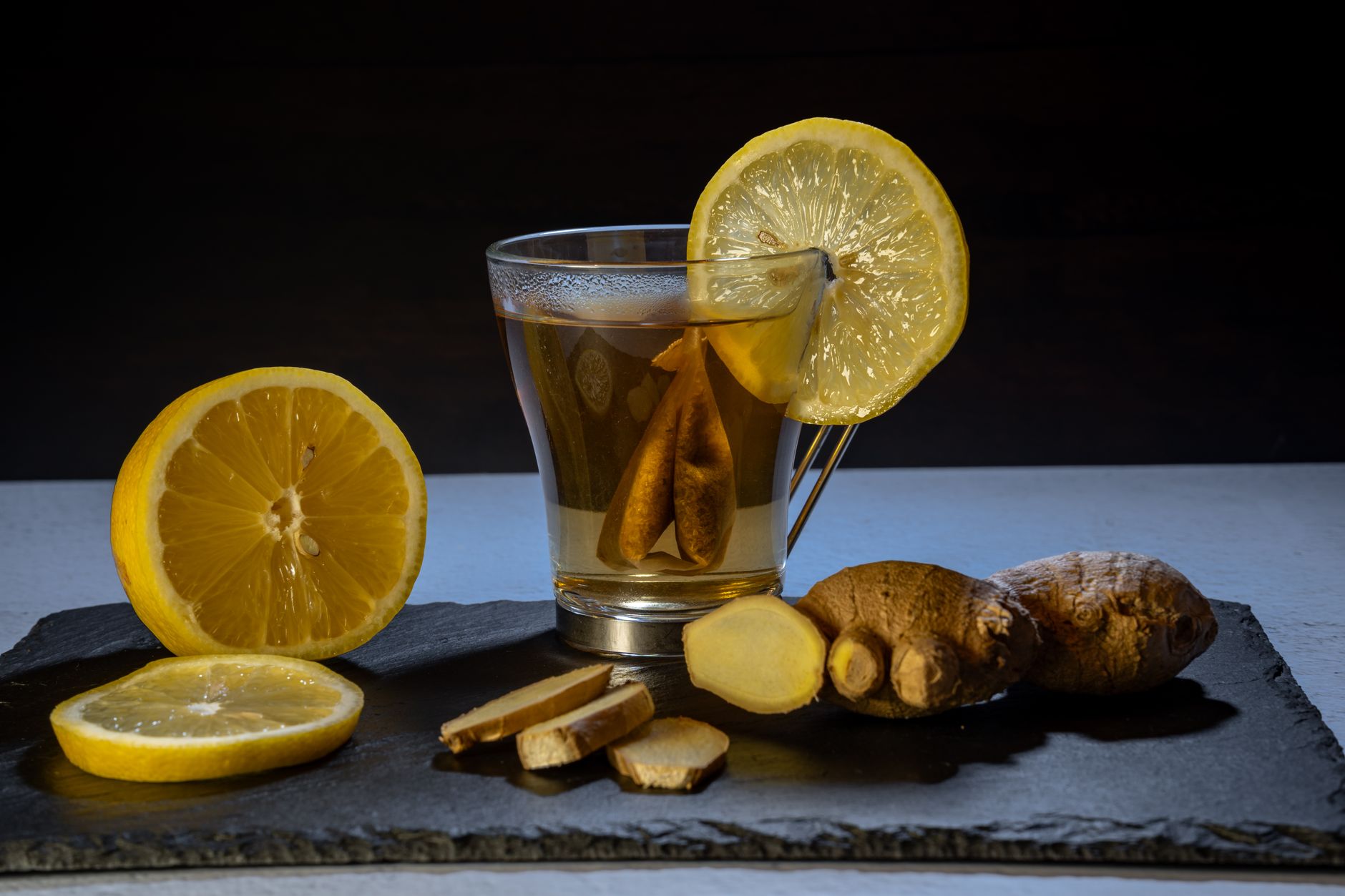
- 1-inch fresh ginger root, thinly sliced (or tsp powdered ginger)
- cup cooked rice or oats (swap with quinoa for variety)
- 1 tsp lemon juice (optional, adds bright flavor)
- 1 tsp honey (omit for children under 1 year or diabetics)
- Handful fresh parsley, chopped (for garnish)
Equipment Needed
Youll need a small pot for simmering broth and vegetables. A blender or hand masher makes easy work of pureeing to a silky texture. No special kitchen gadgets or juicers are necessary, keeping cleanup simple during recovery.
Tips for Choosing Ingredients
Choosing fresh, organic carrots boosts nutrient content and natural sweetness. Fresh ginger root lends a warmer, brighter aroma compared to powder. Opt for homemade broth if possible, or a quality low-sodium brand to keep salt intake in check during fever.
Step-by-Step Instructions
Step 1 Prepare Ingredients
Wash carrots and ginger thoroughly. Peel the carrot and chop into small pieces to speed cooking. If you use baby carrots, simply rinse and halve for quicker softening. Thinly slice ginger to release flavor without overpowering.
Step 2 Simmer Broth and Vegetables
Pour broth into the pot and bring to a gentle simmer over medium heat. Add carrots and ginger slices, cover partially, and simmer for 15 minutes. The carrots should become very tender when pierced easily with a fork.
Step 3 Blend and Season
Remove ginger slices before blending. Pour the broth and carrots into a blender and puree on high for 45 seconds until smooth and creamy. Return the puree to the pot, stir in lemon juice and honey while warm, and adjust sweetness gently.
Step 4 Serve or Store
Ladle the warm broth into bowls and garnish with freshly chopped parsley. Enjoy immediately or cool and store in an airtight container. Refrigerate for up to 4 days or freeze portions for longer storage.

Variations & Substitutions
Popular Dietary Tweaks
An easy vegan version uses vegetable broth and replaces honey with maple syrup for sweetness. Adding soft cooked lentils before blending ups the protein without sacrificing smoothness. These tweaks keep your soft food recipes varied while still soothing a sensitive stomach.
Ingredient Changes and Effects
Using powdered ginger instead of fresh tastes sharper and can be slightly bitter, so start with less. Quinoa adds a light texture but may be harder to digest if your stomach feels delicate. For the ultimate mild option, stick with oats or rice as your grain base.
Flavor and Texture Adjustments
If the broth feels too thick, thin it with warm water or more broth for easier sipping. Boost sweetness with small increments of honey or maple syrup. Add a bit more lemon juice to brighten flavors if the soup tastes too mellow.

Storage & Shelf Life
Refrigerator Storage
Store broth in airtight glass or BPA-free plastic containers. Keep refrigerated at or below 40F (4C) for 3 to 4 days. Stir well before reheating to redistribute flavor.
Freezing Options
For longer storage, pour broth into ice cube trays or single-serving containers. Freeze at -0F (-18C) for up to 3 months. Thaw overnight in the fridge before gently reheating to retain texture.
Make-Ahead Tips
Doubling the recipe saves time if you want several meals ready. Use shallow, wide containers to speed cooling and prevent bacterial growth. Label each container with date and contents for easy rotation.
Pro Tips & Troubleshooting
Handling Ginger Carefully
Gingers staining compounds can linger on hands. Wear gloves or wash promptly with lemon juice and soap. Simmer ginger gentlynot boiling rapidlyto extract bright, fresh flavor without harsh bitterness.
Fixing Common Issues
If the broth tastes too bitter, reduce ginger quantity or simmer time by 5 minutes. A cloudy broth may benefit from straining through a fine mesh or blending more thoroughly. For too-thin broth, simmer uncovered for an extra 5 minutes to concentrate flavors.
Expert Flavor Boost
Add a pinch of freshly ground black pepper just before serving. According to a 2023 study in the Journal of Nutritional Biochemistry, black pepper enhances absorption of key ginger compounds, helping reduce inflammation faster and improving the broths soothing power.
Helpful Resources
Wondering which beverages help alongside meals? Check out which juice is good for fever and cough for gentle drink suggestions that complement your food. For flavorful, gentle meals that fit special diets, you might also enjoy easy casseroles for diabetics.
When is the best time to eat what to eat in fever and weakness?
The best time is morning or early afternoon when your stomach is most receptive. Eating small amounts frequentlyevery 3 to 4 hourshelps maintain energy without overwhelming digestion. Avoid heavy meals late at night to rest easier.
Can I make a big batch ahead of time?
Yes, batch cooking works well. Store the broth refrigerated for up to 4 days or freeze portions for up to 3 months. Having ready-to-eat meals can ease managing loss of appetite and save energy during recovery.
Fresh ginger or powdered which is better?
Fresh ginger offers a brighter aroma and more beneficial compounds. Powdered ginger can substitute but may taste sharper and more pungent. If using powder, start with small amounts to avoid bitterness.
Is this safe for pregnant women, kids, or people on medication?
Generally safe when consumed moderately. Avoid honey for infants under 1 year due to botulism risk. Pregnant women and those on medication should consult healthcare providers before changing diets significantly.
How often should I eat this during illness?
Small portions 3 to 4 times daily keep your nutrition steady without upsetting digestion. Tailor the frequency to your appetite and comfort level. Sipping broth between meals can also aid hydration.
Why does my broth taste bitter?
Bitterness often results from overcooked or excessive ginger. Reduce ginger slices or simmer only 10 to 15 minutes. Adjust sweetness by adding honey or maple syrup to balance flavors.
What pairs well with this broth?
Light sides like plain crackers, soft toast, or mild herbal teas such as chamomile fit perfectly. These help fill you gently without overwhelming your digestive system.

More Recipes You Will Love
Discover Easy Soft Foods for Recovery for more soothing meals when feeling weak. Refresh your body with immune-powering Immune-Boosting Wellness Drinks. Or try warming Winter Comfort Soups to fight chills.
Conclusion
Knowing what to eat in fever and weakness makes a real difference in your recovery speed. This gentle, nourishing broth is full of vitamins and hydration to ease symptoms and restore your strength naturally. Give it a try next time you feel under the weather. Please share your experience or star rating below, and explore our immune-boosting wellness drinks to support your healing journey.
FAQs
When is the best time to eat what to eat in fever and weakness?
The best time to eat is in the morning or early afternoon when your stomach is most receptive. Eating small amounts every 3 to 4 hours helps maintain energy without overwhelming digestion. Avoid heavy meals late at night to allow better rest during recovery.
Can I make a big batch of the recovery broth ahead of time?
Yes, batch cooking works well. You can store the broth refrigerated for up to 4 days or freeze portions for up to 3 months. Ready-to-eat meals help manage loss of appetite and save energy during illness.
Is fresh ginger better than powdered for this recipe?
Fresh ginger offers a brighter aroma and more beneficial compounds. Powdered ginger can be used as a substitute but has a sharper, more pungent taste. Use small amounts if using powder to avoid bitterness.
Is this gentle broth safe for pregnant women, children, or those on medication?
Generally, it is safe when consumed moderately. Avoid honey for infants under 1 year due to botulism risk. Pregnant women and individuals on medication should consult a healthcare provider before making significant dietary changes.
How often should I eat this broth during illness?
Eating small portions 3 to 4 times daily helps keep nutrition steady without upsetting digestion. You can also sip the broth between meals to maintain hydration and support recovery.