Managing type 1 diabetes well often means paying close attention to what you eatand protein plays a surprisingly important role. Protein and diabetes type 1 have a unique relationship that affects blood sugar control, energy levels, and overall health. By choosing the right protein sources and preparing meals thoughtfully, you can support your glucose management and enjoy satisfying dishes that nourish your body.
Protein Benefits Overview
How does protein affect blood sugar levels in type 1 diabetes?
Protein influences blood sugar differently than carbohydrates. When you eat protein, the body breaks it down into amino acids, which have a minimal immediate impact on blood glucose. Instead, protein tends to stabilize blood sugar by slowing down digestion and delaying glucose absorption from meals. For many with type 1 diabetes, this means protein can blunt high spikes and reduce rapid fluctuations after eating.
Additionally, studies show that including protein in meals helps produce a steady release of glucagon, a hormone that raises blood sugar gently when needed. This effect can be especially helpful during physical activity, preventing sudden drops. However, proteins impact varies depending on portion sizes and meal composition, so personalized monitoring is key.
Can protein prevent exercise-induced hypoglycemia?
Exercise can cause blood sugar to drop suddenly, leading to hypoglycemia. Protein eaten before or after activity offers a buffer effect: it slows down the glucose absorption from carbs and prompts glucagon release, which helps keep blood sugar levels from dipping too low. Pairing a modest protein snack with carbohydrates about 3060 minutes before exercise is often recommended for people with type 1 diabetes to reduce risk.
What does research say about high-protein diets for type 1 diabetes?
Recent research, including a 2023 analysis in the Journal of Endocrinology, suggests that moderate increases in protein intake can improve blood glucose variability and reduce insulin needs for many people with type 1 diabetes. That said, extremely high-protein diets haven‘t shown enough benefit and might strain kidney function if not carefully managedespecially in those with pre-existing kidney issues.
Balance is critical. Combining good protein sources with appropriate insulin adjustments and regular glucose monitoring will help optimize your diabetes management plan.
Protein Sources Selection
What is the best protein for diabetics animal vs. plant-based?
Choosing the right protein involves considering both quality and how the source affects blood sugar and overall health. Animal proteins like chicken, turkey, lean beef, eggs, and fish offer complete amino acid profiles and tend to have zero carbs. These can be excellent for blood sugar stability.
Plant-based proteinssuch as lentils, chickpeas, quinoa, and tofualso provide valuable amino acids alongside beneficial fiber, which aids digestion and glucose control. However, some plant proteins come with higher carbohydrate content, so portion size and pairing with low-glycemic foods become important.
| Prep time | Total time | Servings | Calories | Diet tags |
|---|---|---|---|---|
| 10 minutes | 30 minutes | 4 | 320 | Gluten-free, Low-carb, Diabetes-friendly |
Which meats are best for diabetics and why?
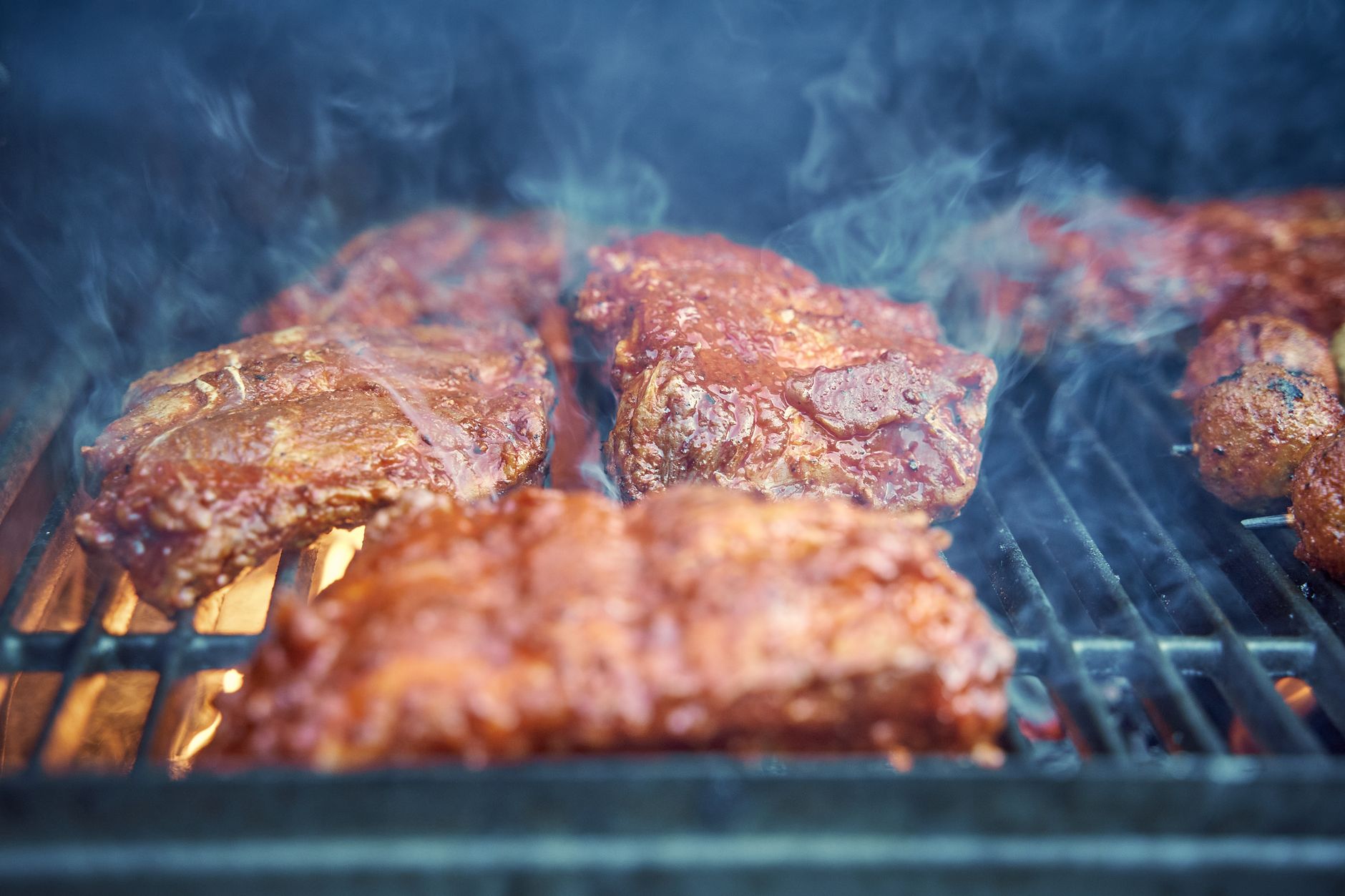
Lean meats like skinless chicken breast, turkey, and lean cuts of pork or beef have less saturated fat and fewer calories. Fish, especially fatty varieties like salmon and mackerel, provides omega-3 fatty acids, which support heart healtha crucial factor for people with diabetes. Avoid processed meats with added sugars or fillers, as they may adversely affect blood sugar.
Are protein powders a good option and which types are safest for diabetics?
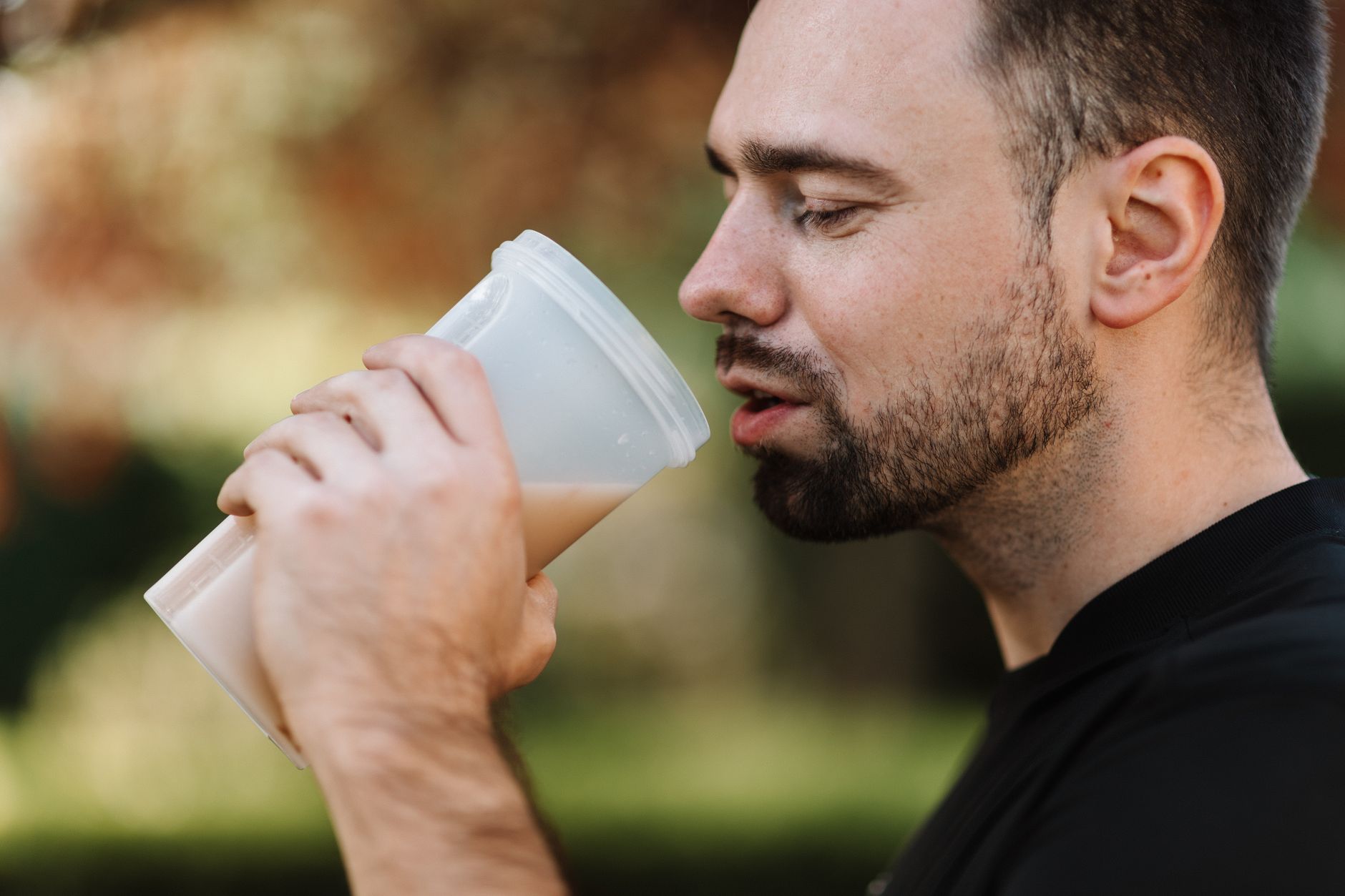
Protein powders can be convenient for quick meals or snacks. Whey protein isolate is a fast-absorbing animal source low in carbs and sugar. Pea or rice protein powders serve as plant-based options, often with minimal additives. When selecting powders, watch for hidden sugars or maltodextrin, which can raise blood glucose unexpectedly.
Avoid powders with artificial sweeteners or flavorings that may cause digestive issues or interfere with glucose control. Reading labels carefully helps you pick the cleanest option. Always test how a new powder affects your blood sugar before integrating it regularly.
Learn more about managing diabetes with a high-protein diet diabetes type 2 for additional insight on protein benefits and risks.
Meal Preparation Tips
How to prepare protein meals that support stable blood sugar?
Start with balanced portionsgenerally, a serving of protein is about 34 ounces cooked (roughly the size of your palm). Combine the protein with non-starchy vegetables and a small amount of complex carbohydrates, like quinoa or sweet potato, to slow digestion.
Use herbs and spices for flavor without adding carbs. For example, garlic, rosemary, and turmeric add vibrant aromas and subtle earthiness that complement most proteins. Cooking methods matter, too. Grilling, baking, steaming, or poaching preserve protein integrity without extra fats or sugars.
Which cooking methods preserve protein quality without adding unwanted carbs or fats?
- Grilling at medium-high heat (about 375F) for 1015 minutes locks in juices and flavor.
- Baking at 350F for 2025 minutes works well for poultry and fish.
- Steaming protein like tofu or fish for 810 minutes keeps texture soft and moist.
- Poaching eggs gently in simmering water for 45 minutes ensures a creamy center and no added fat.
Avoid deep frying or pan-frying with heavy oils, which add unnecessary calories and can spike glucose due to inflammatory effects.
Which common mistakes impact the proteins glycemic effect?
- Overloading meals with starchy carbs negates protein‘s stabilizing effect.
- Using sauces or dressings high in sugar or flour flourishes can cause unplanned blood sugar rises.
- Ignoring portion control can lead to excessive protein intake, potentially stressing kidney function.
- Not accounting for proteins delayed glucose effect during insulin dosing can cause management errors.
Planning and measuring meals carefully helps avoid fluctuations and unexpected highs or lows.

Variations & Swaps
How to make meals vegan or vegetarian while keeping blood sugar stable?
Plant proteins like lentils, chickpeas, tempeh, and edamame are rich in fiber and micronutrients. Pair them with fats such as avocado or olive oil to slow carbohydrate absorption. Incorporate nuts or seeds to boost protein content further. Keep portion sizes moderate due to the presence of carbs in many plant sources.
Replacing dairy with unsweetened soy or almond products can also reduce glycemic load. Using spices like cumin, coriander, and smoked paprika add complexity to vegan protein dishes without extra carbs.
What gluten-free protein options work well?
Quinoa, amaranth, and buckwheat are gluten-free and high in protein compared to many grains. These provide essential amino acids and fiber, supporting blood sugar balance. Fish, poultry, eggs, and most nuts naturally contain no gluten and are safe for gluten-sensitive individuals.
Choosing whole, unprocessed foods ensures you avoid hidden gluten or added sugars often found in packaged products.
Can low-carb protein meal variations help with weight and glucose control?
Low-carb meals emphasizing protein and healthy fats help reduce insulin spikes and promote satiety, facilitating weight management. Think grilled salmon with roasted asparagus, or scrambled eggs with sauted spinach and avocado slices. This approach encourages steady energy and fewer glucose swings.
Balancing macros thoughtfully contributes to better insulin sensitivity, as a high-protein diet diabetes type 2 research review also highlights, showing some crossover benefits.

Food Pairings
Which foods and sides work best with protein to avoid blood sugar spikes?
Non-starchy vegetables like broccoli, cauliflower, leafy greens, and zucchini provide fiber and volume with minimal carbs, helping blunt glucose rises. Healthy fats such as olive oil, nuts, and seeds improve nutrient absorption and glycemic response when paired with protein.
Adding a moderate amount of low-glycemic index carbs, like sweet potato or black beans, rounds out meals while preventing sharp sugar increases. Avoid sugary condiments and starchy sides like white bread or fries.
Can certain fats or fibers improve the effect of protein on glucose?
Dietary fiber slows carb absorption, reducing blood sugar spikes. Soluble fibers found in oats, chia seeds, and legumes form a gel in the digestive tract, extending digestion time. Healthy fats support satiety and energy without causing hyperglycemia.
Pairing protein with these components creates balanced plates that support gradual glucose absorption. For example, grilled chicken with roasted Brussels sprouts drizzled in walnut oil combines all three elements effortlessly.
How to build a balanced plate for diabetes type 1 management?
- Half the plate filled with non-starchy vegetables
- A quarter reserved for lean protein
- A quarter for low-GI carbs like quinoa or sweet potato
- A drizzle of healthy fat, such as avocado or extra virgin olive oil
Timing your meals consistently aids insulin dosing and glucose predictability too.

Storage & Reheating
Whats the best way to store cooked protein for freshness and safety?
Refrigerate cooked proteins promptly within two hours of cooking to avoid bacterial growth. Store in airtight containers at 3440F (14C) for optimal freshness. Consume within 45 days. For longer storage, freeze at 0F (-18C) for up to 3 months without significant quality loss.
How to reheat protein meals without losing texture or increasing glycemic impact?
For best texture retention, reheat proteins gently using these methods:
- Oven: Heat at 300F (150C) for 1015 minutes covered loosely with foil.
- Microwave: At 50% power for 12 minutes, stirring halfway.
- Stovetop: Simmer in a covered pan over low heat for 57 minutes with a splash of water or broth.
Avoid reheating repeatedly. That can degrade protein quality and texture.
Can protein meals be prepped ahead without compromising diabetes management?
Absolutely. Preparing meals ahead helps control portion sizes and ingredient quality. Just monitor insulin dosing carefully, as proteins glucose effects can be delayed up to 34 hours after eating. Label meals with prep dates and freeze extras in individual portions for convenience.
Pro Tips
What if my blood sugar spikes after protein meals?
Unexpected blood sugar rises after protein may result from added hidden carbs, like sugary sauces or breading. Also, too large portions can increase gluconeogenesisthe liver converting excess protein to glucose. Track meal components carefully, measure portions, and use modest insulin boluses timed 23 hours after meals to counter delayed glucose rises.
How to adjust protein intake during exercise or illness?
During physical activity, slightly increase protein intake paired with carbs 3060 minutes before exercise to avoid hypoglycemia. When ill, protein needs may rise to support healing, but appetite might decrease. Small frequent meals or shakes are helpful. Always consult your healthcare provider for tailored advice during illness.
Can too much protein affect kidney health in type 1 diabetes?
Excessive protein may strain kidneys, especially if diabetic nephropathy is present. Stick to recommended daily protein intakesgenerally 0.8 to 1.0 grams per kilogram of body weight unless directed otherwise. Monitor kidney function regularly.
How to stain protein to enhance flavor?
Use a hot pan and dry protein surfaces before cooking to encourage a golden crust. Searing at 400F (204C) for 2-3 minutes per side locks in juices and adds savory depth. Add fresh herbs or a splash of lemon juice after cooking to brighten flavors without extra carbs.
Best extraction methods for plant protein?
Soak legumes overnight and cook thoroughly to reduce antinutrients and improve digestibility. Sprouting or fermenting beans enhances protein quality and flavor. These techniques also reduce glycemic impact.
Balancing flavors with seasoning
Use salt sparingly to protect kidney function. Elevate dishes with acidvinegars, citrusplus pungent spices like cumin or smoked paprika. These layers make protein meals exciting without added sugars.
Expert upgrades for simple recipes
- Finish grilled chicken with a drizzle of toasted sesame oil and chopped scallions.
- Add chopped walnuts or almonds to salads for crunch and extra protein.
- Use a spice rub with turmeric and garlic powder to support anti-inflammatory benefits.
Recipes You Might Enjoy
Try our Best soup for cold and fluits warming, packed with protein and veggies, and perfect for keeping blood sugar steady during seasonal sniffles.
Or shake things up with the Acai berry pisco sour recipe 1918407, a delicious treat that pairs well with a nutritious protein-packed brunch.
When is the best time to eat protein and diabetes type 1?
The best time to eat protein when managing type 1 diabetes is consistently throughout the dayespecially with meals and snacks. Including protein with breakfast fuels you steadily and helps avoid mid-morning sugar spikes. Pre- or post-exercise snacks with protein help stabilize glucose and reduce hypoglycemia risk. Spread intake evenly to support steady blood sugar control.
Can people with type 1 diabetes eat a high-protein diet safely?
Moderate high-protein diets are generally safe for most people with type 1 diabetes if kidney function is normal. Consult your healthcare provider before making major changes. Avoid extremely high protein intake without medical supervision, as it may strain kidneys or complicate insulin dosing.
Whats the best protein shake for diabetics to lose weight?
A low-carb, low-sugar protein shake with whey isolate or pea protein powder works well. Add unsweetened almond milk, a handful of spinach, and a tablespoon of flaxseed for fiber and healthy fats. Avoid fruit-heavy or sweetened powders which can raise blood sugar unexpectedly.
How does protein affect type 2 diabetes differently?
Protein intake also helps control blood sugar in type 2 diabetes by increasing satiety and reducing carb absorption, but often with different insulin resistance considerations. Research comparing types 1 and 2 shows some overlap, but type 2 diabetes management may allow slightly higher carb portions if combined with protein.
Is whey protein powder safe for people with diabetes?
Whey protein powder is safe when low in sugars and additives. It may improve muscle mass and blood sugar control when used properly, but individual responses vary. Test blood glucose after consumption to check personal tolerance.
How much protein should I consume daily with type 1 diabetes?
Most recommendations suggest 0.8 to 1.0 grams of protein per kilogram of body weight per day, adjusted for activity and health status. This usually covers muscle repair, metabolism, and glucose management needs without overloading kidneys.
Can protein affect my insulin doses?
Yes, proteins delayed glucose rise can require insulin dose adjustments 24 hours after eating. Working with your care team to monitor patterns and timing helps optimize dosing and avoid highs or lows.
Wrap-Up
Understanding protein and diabetes type 1 opens new ways to enjoy meals that support your blood sugar balance. Choose quality protein sources, prepare meals mindfully, and balance with fiber and healthy fats to feel energized and stable. Try these tips with your favorite recipes, and let us know how you tweak your meals for better control and taste. Your experience might help others in our community!
FAQs
When is the best time to eat protein and diabetes type 1?
The best time to eat protein for type 1 diabetes management is consistently throughout the day, especially with meals and snacks. Including protein at breakfast and pre- or post-exercise snacks helps stabilize blood sugar and reduces risk of glucose spikes or drops.
Can protein prevent exercise-induced hypoglycemia in type 1 diabetes?
Yes, consuming protein with carbohydrates 30-60 minutes before exercise can reduce the risk of hypoglycemia by slowing glucose absorption and promoting glucagon release, which helps maintain stable blood sugar during physical activity.
Is a high-protein diet safe for people with type 1 diabetes?
Moderate high-protein diets are generally safe for those with normal kidney function, but extremely high intakes may strain the kidneys. Always consult a healthcare provider before major dietary changes and monitor kidney health regularly.
How does protein affect insulin dosing in type 1 diabetes?
Protein causes a delayed rise in blood glucose, sometimes 2-4 hours post-meal, which may require insulin dose adjustments. Monitoring blood sugar patterns and working with a care team can optimize insulin timing and prevent unexpected highs.
What are the best protein sources to manage blood sugar in type 1 diabetes?
Lean animal proteins like chicken, turkey, fish, and eggs are ideal due to their complete amino acid profiles and low carbs. Plant proteins such as lentils and tofu also work well when paired with fiber and controlled portions to avoid blood sugar spikes.