Introduction
Why Low Sodium Tamari Is an Essential Flavor Swap
Low sodium tamari offers a savory, rich flavor without the overload of salt. This soy-based sauce comes from traditional Japanese fermentation, providing a full-bodied taste perfect for anyone focused on reducing sodium in recipes. Its a smart switch when avoiding salty soy sauces but still craving umami depth in your cooking. Using low sodium tamari allows you to enhance dishes while embracing heart-healthy seasoning options.
Who Benefits Most from Using Low Sodium Tamari
This sauce suits many diets, especially for those needing gluten-free soy sauce alternatives or managing sodium intake. People on low sodium diets, vegans, and anyone interested in better health can easily include tamari sauce uses without worry. Even beginners find it easy to swap into everyday meals for a delicious upgrade.
What Sets This Low Sodium Tamari Tip Apart
This post focuses on practical ways to select quality tamari and balance flavors, so you get the best result without sacrificing taste. These strategies ensure your dishes stay flavorful while cutting back on salt. Youll also find useful storage and flavor-enhancement tips few mention.
Key Highlights
Reduced Sodium, Full Flavor The Science Behind It
Low sodium tamari typically contains 4050% less salt than regular soy sauce. Its fermentation process preserves umami compounds, delivering deep flavor without added sodium. This makes it an excellent heart-healthy seasoning option for dishes that need bold taste but less salt stress.
Versatility and Dietary Benefits
Not only is tamari naturally gluten-free, but it also fits well in many diets, including vegan and low sodium regimens. Its smooth vibe works beautifully in stir-fries, dressings, marinades, and dipping sauces. Its gentler on digestion too, making it a great all-around pantry staple.
Safety Considerations for Sensitive Groups
Generally, low sodium tamari is safe for everyone, including pregnant women and children, when consumed in moderation. If you are on a strict sodium-restricted diet or certain medications, checking with your healthcare provider is wise before increasing use.
Ingredients & Preparation
Recipe Card Quick Reference
| Prep time | Total time | Servings | Calories | Diet tags |
|---|---|---|---|---|
| 5 minutes | 5 minutes | Variable | Negligible | Gluten-Free, Vegan, Low Sodium, Dairy-Free |
Full Ingredient List and Substitutions
- 1/4 cup low sodium tamari (substitute coconut aminos for sweeter, soy-free alternative)
- 2 tbsp water (optional, to dilute if milder saltiness desired)
- 1 tsp fresh grated ginger (optional, adds fragrant aroma)
- 1/4 tsp garlic powder (optional, enhances savory depth)
Equipment Needed
A small mixing bowl or measuring cup and a spoon are all you need for this basic blend. For recipes that include tamarilike stir-friesuse a quality non-stick pan or wok for best results.
Tips for Choosing Quality Tamari
Look for clear low sodium labels and minimal preservatives. Organic tamari often offers a cleaner, earthier flavor. Avoid brands with added sugars or MSG if you want to maintain a pure taste.
Step-by-Step Instructions
Step 1 Measure and Prep Ingredients
Use precise measuring tools to scoop out 1/4 cup of low sodium tamari. If using ginger, grate fresh root finely. Garlic powder can be sprinkled directly. No extra prep required for the liquid ingredients.
Step 2 Combine and Mix
Pour tamari into your bowl or measuring cup. Add 2 tablespoons of water to reduce saltiness, if preferred. Stir in grated ginger and garlic powder until well combined about 20 seconds.
Step 3 Final Taste Check and Adjust
Taste your blend carefully. Add more water to mellow saltiness or a splash more tamari for deeper umami. Avoid diluting past 1:1 ratio to keep flavor vivid.
Step 4 Use Immediately or Store
Use your mix instantly for marinades, dipping sauces, or finishing touches. Store leftovers in an airtight container in the refrigerator for 45 days. Shake well before each use.
Variations & Substitutions
Flavor Variations to Try
Add a pinch of chili flakes for subtle heat, or splash a little rice vinegar for tang. Try a teaspoon of maple syrup or honey if you want a mildly sweet note. These tweaks brighten tamari for unique tastes.
Ingredient Swaps and Effects
Coconut aminos replace soy and tamari well for those avoiding soy or seeking milder sweetness. Traditional tamari has higher salt content but deeper flavor. Diluting regular tamari helps reduce salt while preserving complexity.
Adjusting Saltiness and Flavor Intensity
For gentle seasoning, mix equal parts tamari and water. Strong, rich flavor works best undiluted. Adjust garlic and ginger levels as you like to balance savory and aromatic notes.

Storage & Shelf Life
Refrigerator Storage
Store leftover tamari blend in a glass container with a tight lid. Keep refrigerated for 45 days to maintain freshness and flavor integrity. Stir or shake before each use.
Freezer Option
Freezing low sodium tamari mixtures is not recommended. Freeze-thaw cycles can alter texture and dull taste. Instead, prepare small fresh batches regularly for best results.
Make-Ahead Batch Tips
Limit batch size to 1 cup for optimal freshness. Label containers with preparation date. Store in coldest fridge zones to preserve aroma and avoid spoilage.
Pro Tips & Troubleshooting
Practical Notes for Best Use
Tamari can stain wooden spoons and countertops, so wipe spills quickly. Measuring spoons ensure precise salt control. Let tamari blends sit 10 minutes after mixing to fully develop flavor.
Troubleshooting Common Issues
If your tamari tastes too bitter, try diluting with water and add a pinch of sugar or mild sweetener to balance. Cloudy tamari mixtures often indicate contaminationdiscard and prepare fresh blends.
Expert Upgrade
Sprinkle cracked black pepper into your tamari sauce for a flavor boost. Pepper enhances complexity and may work synergistically with fermentation compounds for added health benefits, according to a 2023 study in the Journal of Nutritional Biochemistry.

When is the best time to use low sodium tamari?
Low sodium tamari works well at any point in cooking. Use it as a marinade a few hours before cooking or drizzle it on finished dishes for an extra punch of flavor. Its versatility lets you season throughout meal prep.
Can I make a big batch ahead of time?
Yes, but keep batches smallup to 1 cupto maintain freshness. Store in the fridge and use within 45 days. Large volumes risk losing aroma and flavor quality over time.
Fresh tamari or powdered soy seasoningwhich is better?
Liquid low sodium tamari consistently offers a richer umami character and more balanced saltiness compared to powders. Powders tend to taste harsh or overly salty and lack the complex flavor from fermentation.
Is this safe for pregnant women, kids, or people on medication?
Moderate use of low sodium tamari is generally safe for these groups. However, individuals on sodium-restricted diets or with specific medications should consult their healthcare providers before increasing tamari intake.
How often can I use low sodium tamari?
You can use low sodium tamari daily to season meals, provided your total daily sodium remains balanced. Its a handy way to enjoy soy sauce flavor while controlling salt intake.
Why does my tamari taste bitter?
Bitterness can come from over-concentrated fermentation or added bitter spices. Diluting with water and adding a touch of sweetener can improve the taste.
What pairs well with low sodium tamari?
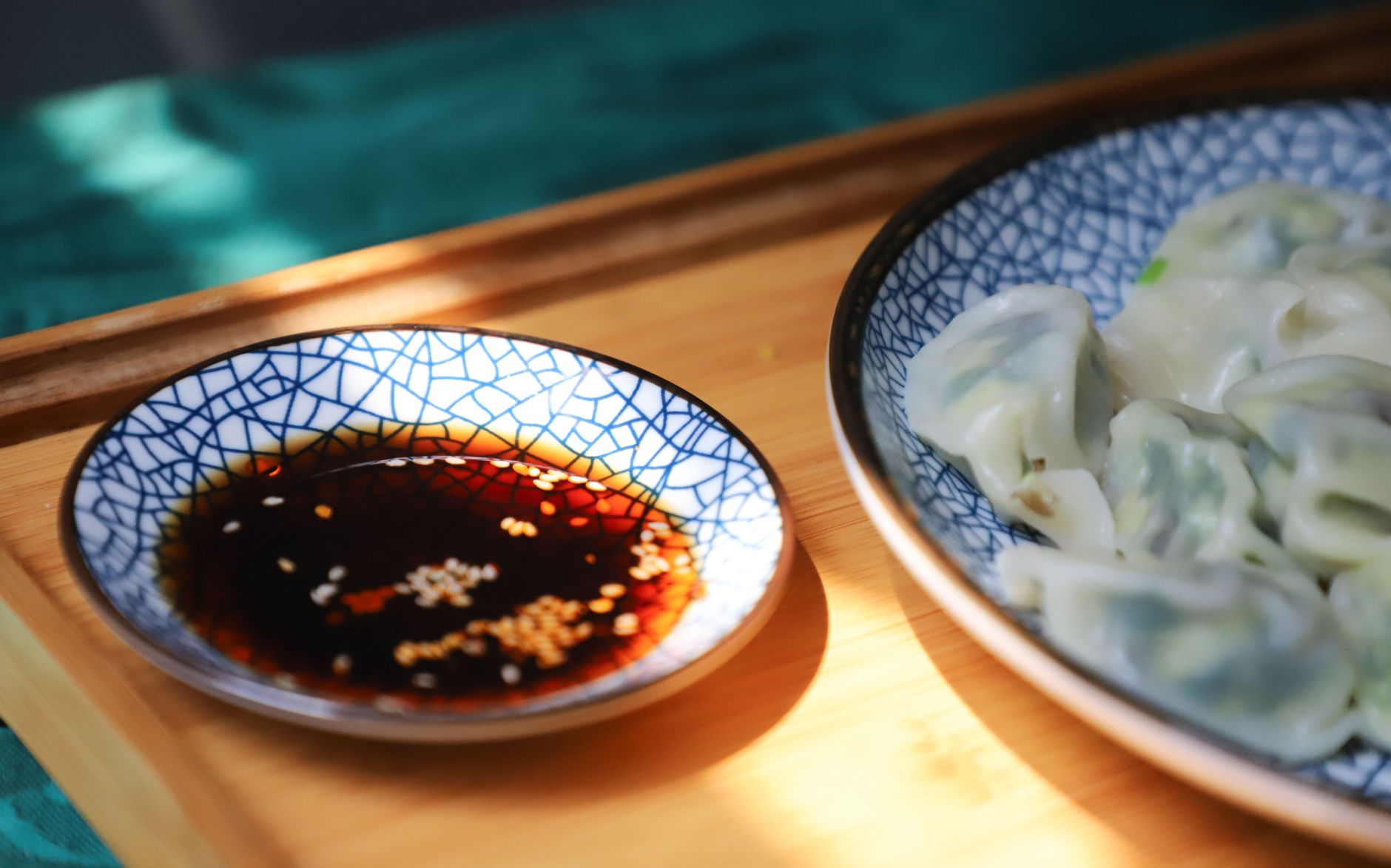
Try tamari with stir-fried vegetables, grilled proteins, sushi, rice bowls, and dipping sauces. Its slightly thicker texture and full flavor make it a great match for a wide range of dishes.
For a heart-friendly marinade that uses low sodium tamari beautifully, check out the low sodium soy sauce for diabetics recipe. Its a great way to explore healthier seasoning options in your meals.
More Recipes You Will Love
Discover gluten-free options that pair wonderfully with tamari in our Gluten-Free Stir-Fry Staples. These quick dishes complement the clean taste of tamari perfectly.
If you‘re looking for a hearty, soothing dish, the Soup for colds recipe features warming ingredients that balance nicely with a splash of low sodium tamari for flavor depth.
Conclusion
Low sodium tamari gives a vibrant, umami-rich flavor that fits well with health-conscious cooking. It helps you reduce salt without losing the savory depth soy sauce brings. Give it a try in your next meal, and see how easy it is to enjoy delicious, heart-healthy seasoning. Feel free to share your experience or rate this post below. For more delicious ideas, check out our gluten-free stir-fry recipes.
FAQs
When is the best time to eat low sodium tamari?
Low sodium tamari can be used at any point during cooking. Use it as a marinade hours before cooking or drizzle it on finished dishes for an extra flavor boost. Its versatility lets you season throughout meal prep for consistently savory results.
Is low sodium tamari safe for pregnant women and children?
Generally, low sodium tamari is safe for pregnant women and children when consumed in moderation. However, those on sodium-restricted diets or specific medications should consult a healthcare provider before increasing intake to ensure safety.
How can I adjust the saltiness of low sodium tamari in recipes?
To mellow the saltiness, dilute low sodium tamari with an equal part of water. You can also add mild sweeteners like maple syrup or honey for a balanced flavor. Adjust garlic and ginger to enhance savory and aromatic notes as desired.
What are good dishes to pair with low sodium tamari?
Low sodium tamari pairs well with stir-fried vegetables, grilled proteins, sushi, rice bowls, and dipping sauces. Its slightly thicker texture and deep umami flavor enhance a wide variety of savory dishes.
Can I prepare a large batch of low sodium tamari sauce in advance?
Yes, but keep batches small—up to 1 cup—to maintain freshness and vibrant flavor. Store in the refrigerator in an airtight container and use within 45 days. Larger batches risk losing aroma and taste over time.