Ever wondered why a tiny pat of butter can turn an ordinary steak into something unforgettable? The secret isn’t just butter—it’s herb‑infused butter that melts into the meat, delivering flavor, moisture, and that mouthwatering shine every steak lover craves. Below you’ll find a friendly, step‑by‑step guide that walks you through the why, the how, and the many tasty twists you can try, all while keeping things simple, safe, and downright delicious.
Why Use Herb Butter
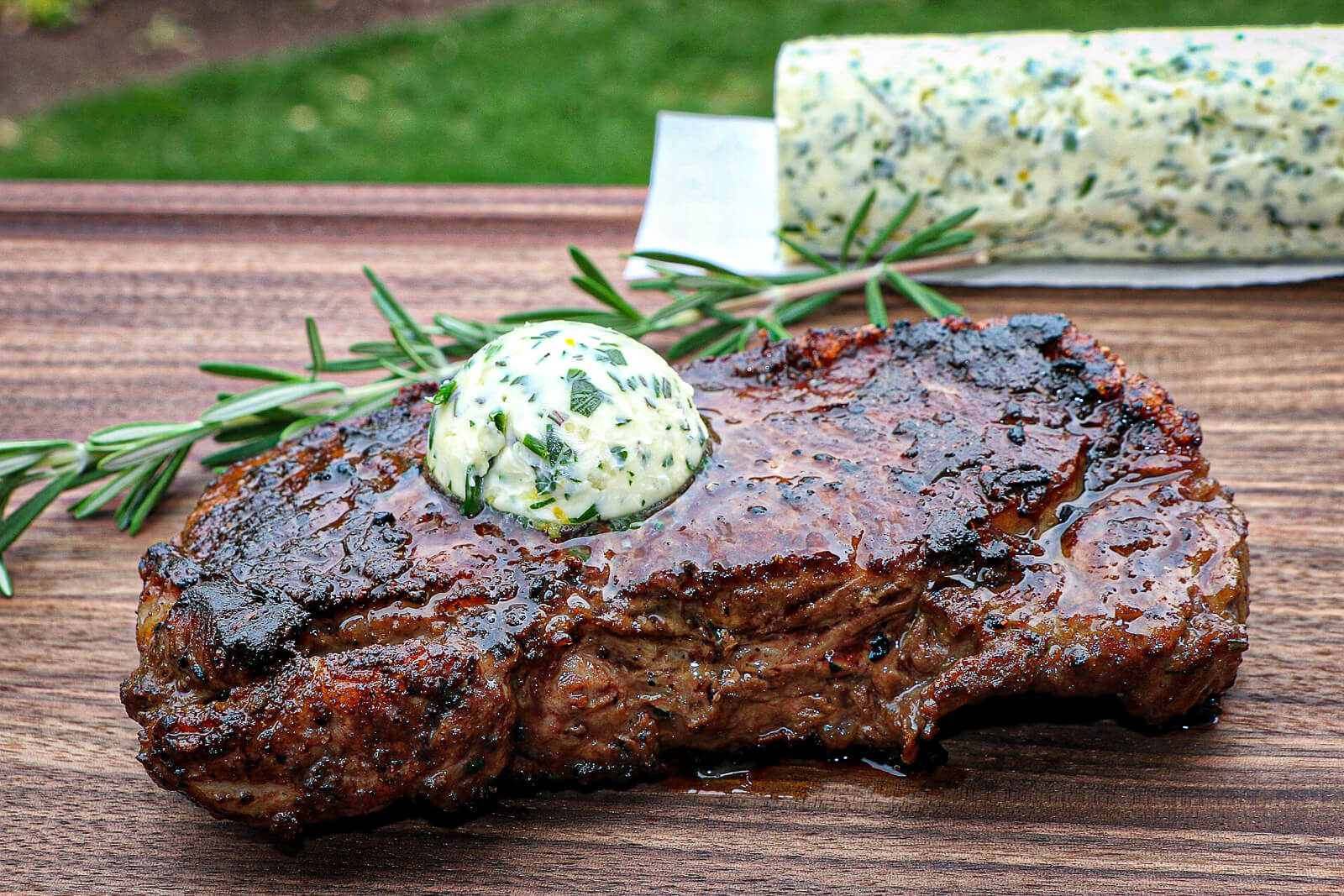
First off, let’s talk about the magic. When you place a dollop of herb butter on a hot steak, the butter’s fat acts like a carrier, whisking aromatic compounds (like garlic and parsley) straight into the meat’s fibers. The result? A steak that feels juicier, tastes richer, and has a glossy finish that looks as good as it tastes.
Flavor boost & moisture Butter helps seal in the steak’s natural juices while the herbs add layers of taste—from bright lemon zest to earthy thyme.
Nutritional tradeoffs Yes, butter adds calories and saturated fat, but a modest amount (about a tablespoon per serving) provides a satisfying bite without overdoing it. Fresh herbs bring antioxidants that are a nice health bonus.
Possible downsides Over‑buttering can make the dish greasy, and heating butter too long can cause the milk solids to burn. The trick is to add the butter at the very end of cooking or during the final minutes of a grill.
Chef insight: According to a senior instructor at the Culinary Institute of America, compound butter spreads the flavor evenly, giving the steak a consistent taste from edge to edge.
Ingredients & Tools
Here’s your pantry checklist. Everything you need is likely already sitting in your kitchen, which keeps the recipe both simple and affordable.
- Butter – ½ cup (115 g) unsalted, softened to room temperature.
- Fresh garlic – 2 cloves, minced (or ¼ tsp garlic powder for a milder hit).
- Fresh herbs – 2 Tbsp parsley, finely chopped. Feel free to add thyme, rosemary, or sage if you like.
- Lemon zest – From half a lemon, for a bright pop.
- Salt – ¼ tsp kosher or sea salt.
- Optional extras – A splash of Worcestershire sauce, a pinch of smoked paprika, or dried herbs when fresh aren’t on hand.
Tools that make life easier:
- Kitchen scale (for precise butter weight).
- Silicone spatula (to blend without bruising the butter).
- Parchment paper (for shaping the butter log).
- Butter‑log mold or simply plastic wrap (to chill the butter quickly).
If you need a dairy‑free workaround, try using ghee or a high‑fat plant‑based butter—just remember it will change the flavor profile slightly.
Simple Herb Butter
Ready to roll? Follow these straightforward steps, and you’ll have a herb butter for steak recipe that’s ready in under ten minutes. If you’re looking for a quick twist, try our garlic herb butter steak recipe for an extra punch of flavor.
Prep the butter
Take your softened butter and place it in a mixing bowl. It should be pliable but not melted—think soft peanut butter consistency.
Mix the aromatics
Add the minced garlic, lemon zest, and chopped parsley. If you’re using dried herbs, sprinkle about one‑third the amount of fresh (so 1 tsp dried herb works for every 3 tsp fresh) and let them sit for a minute to rehydrate.
Combine & season
Fold everything together with a pinch of salt. Taste—if you’d like a bit more punch, a splash of Worcestershire sauce (about 1 Tbsp) turns this into a steak‑butter with Worcestershire sauce that adds umami depth.
Shape the butter
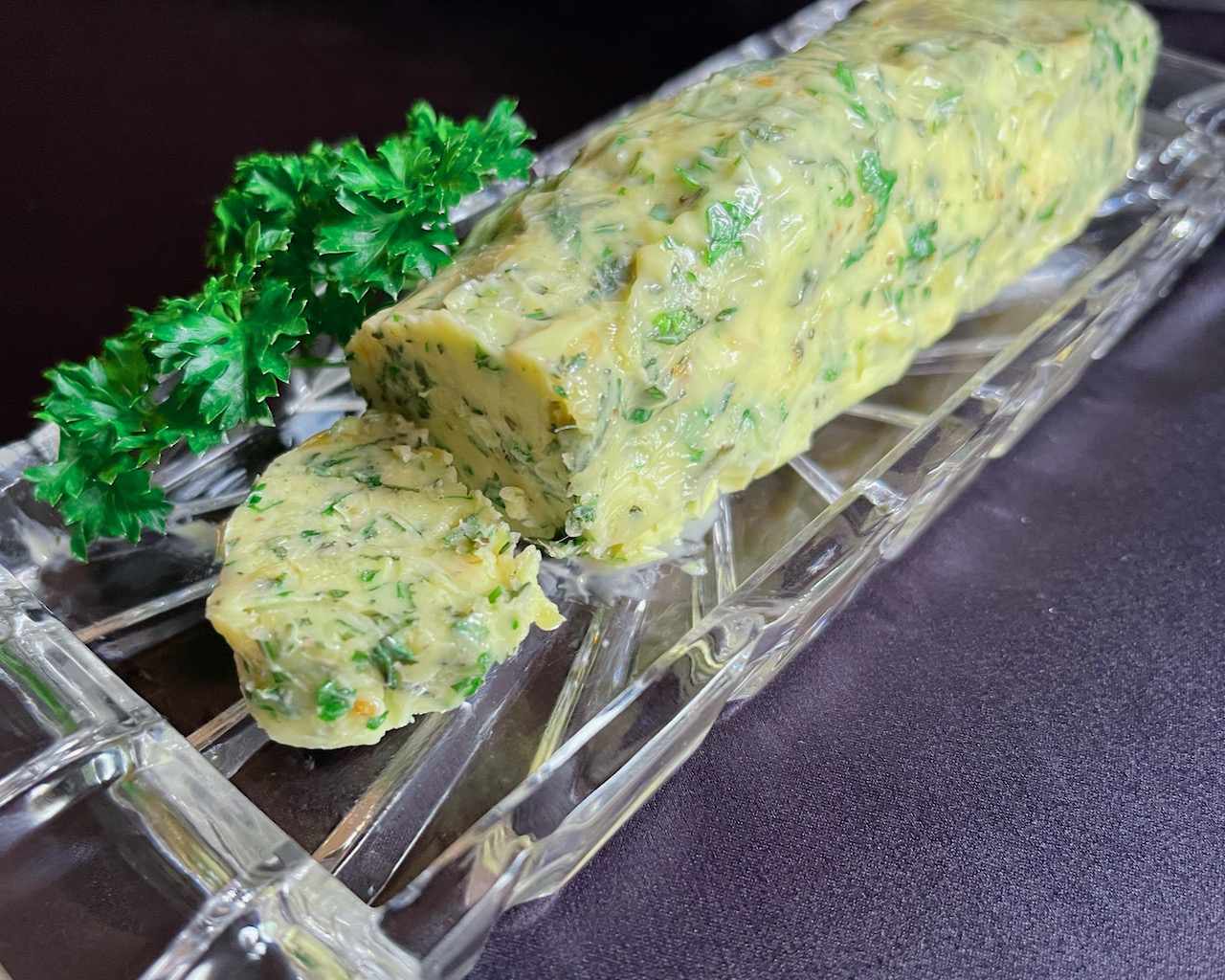
Lay a sheet of parchment on your countertop, spoon the mixture onto it, and roll it into a tight log. Twist the ends of the parchment and refrigerate for at least 30 minutes. For a faster option, pop it in the freezer for 10 minutes.
Cook the steak
While the butter chills, season your steak with salt and pepper and sear it in a hot skillet or on a grill. Aim for a beautiful crust—about 3‑4 minutes per side for a 1‑inch ribeye, adjusting for thickness and desired doneness.
Finish with butter
When the steak reaches your target internal temperature (125°F for rare, 135°F for medium‑rare, etc.), remove it from the heat and let it rest for five minutes. That’s the perfect moment to lay a slice of your herb butter on top. Watch it melt, creating a silky sauce that drips into every crevice.
Flavor Variations
One of the best things about compound butter is how easily you can tweak it to match your mood, the cut of meat, or whatever you have on hand. Below is a quick reference table to spark your creativity.
| Variation | Key Add‑In | Ideal Steak Cut | Why It Works |
|---|---|---|---|
| GarlicOnly | 3 cloves garlic + ¼ tsp garlic powder | Ribeye | Intensifies the caramelized crust |
| DryHerb Blend | 1 tsp each dried thyme, rosemary, sage | Strip steak | Earthy depth without fresh herbs |
| WorcestershireBoost | 1 Tbsp Worcestershire sauce + pinch smoked paprika | New York strip | Adds umami and a subtle smoky note |
| CitrusHerb | 1 tsp orange zest + dill | Filet mignon | Brightens the richness of a lean cut |
| Spicy Kick | ½ tsp cayenne + ½ tsp chipotle powder | Flank steak | Balances fattiness with heat |
When to use fresh vs. dried herbs: Fresh herbs deliver bright, fleeting aromas—great for the final melt. Dried herbs, being more concentrated, are better for a deeper, lingering note, especially in the simple compound butter recipes for steak. If you only have dried on hand, remember to reduce the quantity and let them sit in a tablespoon of warm water for five minutes before mixing.
Cooking Techniques
How you cook the steak influences how the butter behaves. Here are a few methods that keep the butter from burning while maximizing flavor.
High‑heat sear & finish
Heat a heavy skillet (cast iron works wonders) until it’s screaming hot. Add a splash of oil, sear the steak, then turn off the heat and place the butter on top. The residual heat finishes the melt without scorching the milk solids.
Grilling tip
For outdoor lovers, grill the steak to near‑done, then brush a thin layer of herb butter over the meat during the last two minutes. The butter creates a caramelized glaze that’s hard to beat.
Reverse‑sear method
Start the steak low‑and‑slow in a 250°F oven, then finish with a quick sear in a pan. Apply the butter right after the sear; the interior is already warm, letting the butter melt gently throughout.
Here’s a quick temperature guide you can keep on your fridge:
- Rare: 120‑125°F – butter adds a melt‑in‑your‑mouth finish.
- Medium‑rare: 130‑135°F – ideal for most cuts.
- Medium: 140‑145°F – butter helps prevent dryness.
- Well‑done: 155°F+ – use a thicker butter slab to keep the steak from feeling dry.
Storing & Repurposing
Don’t let any butter go to waste. Proper storage keeps it fresh for weeks, and leftover butter becomes a secret weapon in other dishes.
Refrigeration
Wrap the chilled log tightly in plastic wrap or store in an airtight container. It will stay good for 7‑10 days.
Freezing
If you made a big batch, slice the log into ¼‑inch rounds, wrap each in parchment, then freeze in a zip‑top bag. They’ll keep for up to three months. Thaw in the fridge overnight before using.
Creative leftovers
- Stir into hot mashed potatoes for a buttery‑herb swirl.
- Spread on crusty bread and toast for an instant garlic‑herb bruschetta.
- Drop a spoonful into a skillet with sautéed mushrooms for a quick steak‑style sauce.
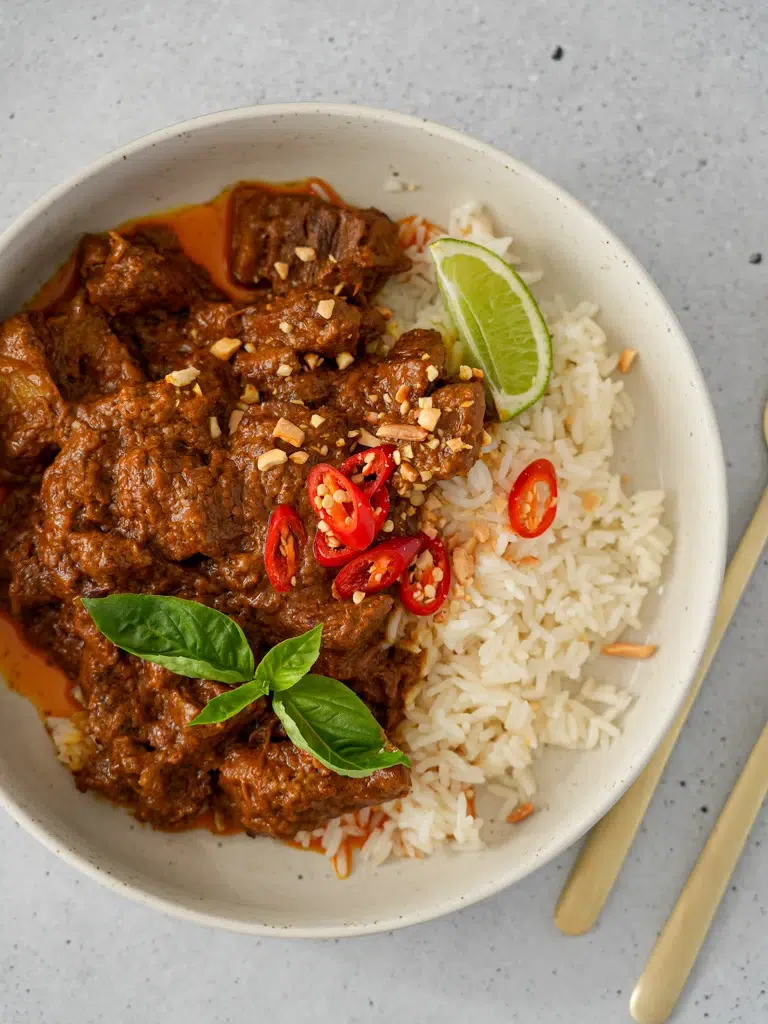
- Whisk into boiled pasta with a splash of pasta water for a fast, elegant dinner, or serve it alongside a ladle of easy beef curry recipe for a hearty fusion.
Safety note: According to the USDA nutrient database, butter should not sit at room temperature for more than two hours to prevent bacterial growth.
Trusted Sources
When you’re experimenting, it helps to lean on proven expertise. Below are a few reliable places to deepen your knowledge:
- Serious Eats – detailed breakdowns of fat chemistry and how butter behaves under heat.
- America’s Test Kitchen – step‑by‑step video guides for mastering the perfect sear.
- USDAs FoodData Central – accurate nutrient information for tracking calories and fat.
- For fans of bold sauces, our best beef curry recipe showcases how a rich, spiced gravy can complement a steak‑butter finish.
Whenever you quote a source, make sure to link directly to the specific article or study rather than a generic homepage. This builds credibility and lets readers verify the facts themselves.
Final Thoughts
There you have it—a complete, friendly guide to mastering herb butter for steak recipe that works for beginners and seasoned grill masters alike. From the basic butter‑log to bold flavor twists, the technique is simple, the results are spectacular, and the possibilities are endless.
Give the recipe a try tonight. Feel free to experiment with dried herbs, a splash of Worcestershire, or even a pinch of smoked paprika for that smoky whisper. When the butter melts over your perfectly cooked steak, you’ll understand why this humble compound butter is a secret weapon in professional kitchens.
What’s your favorite herb‑butter combo? Have you tried adding a dash of citrus or a bit of spice? Share your experiments with friends, or jot them down in your kitchen journal. The more you play, the more you’ll discover your own best compound butter recipes for steak.
FAQs
How long should I chill the herb butter before using it?
Refrigerate the butter log for at least 30 minutes, or place it in the freezer for about 10 minutes for a faster set.
Can I use this herb butter with other proteins besides steak?
Absolutely! It pairs wonderfully with chicken breasts, pork chops, and even grilled fish or seafood for an extra flavor boost.
What’s the best way to balance fresh and dried herbs in the butter?
Fresh herbs give a bright, aromatic finish, while dried herbs are more concentrated. If you substitute dried for fresh, use roughly one‑third the amount and let them hydrate in a little warm water before mixing.
How do I prevent the butter from burning when I sear the steak?
Add the herb butter at the very end of cooking or after removing the steak from the pan. The residual heat melts it gently without scorching the milk solids.
How long does homemade herb butter stay good?
Store the log wrapped tightly in the fridge for 7‑10 days. For longer storage, freeze individual slices—they’ll keep for up to three months.