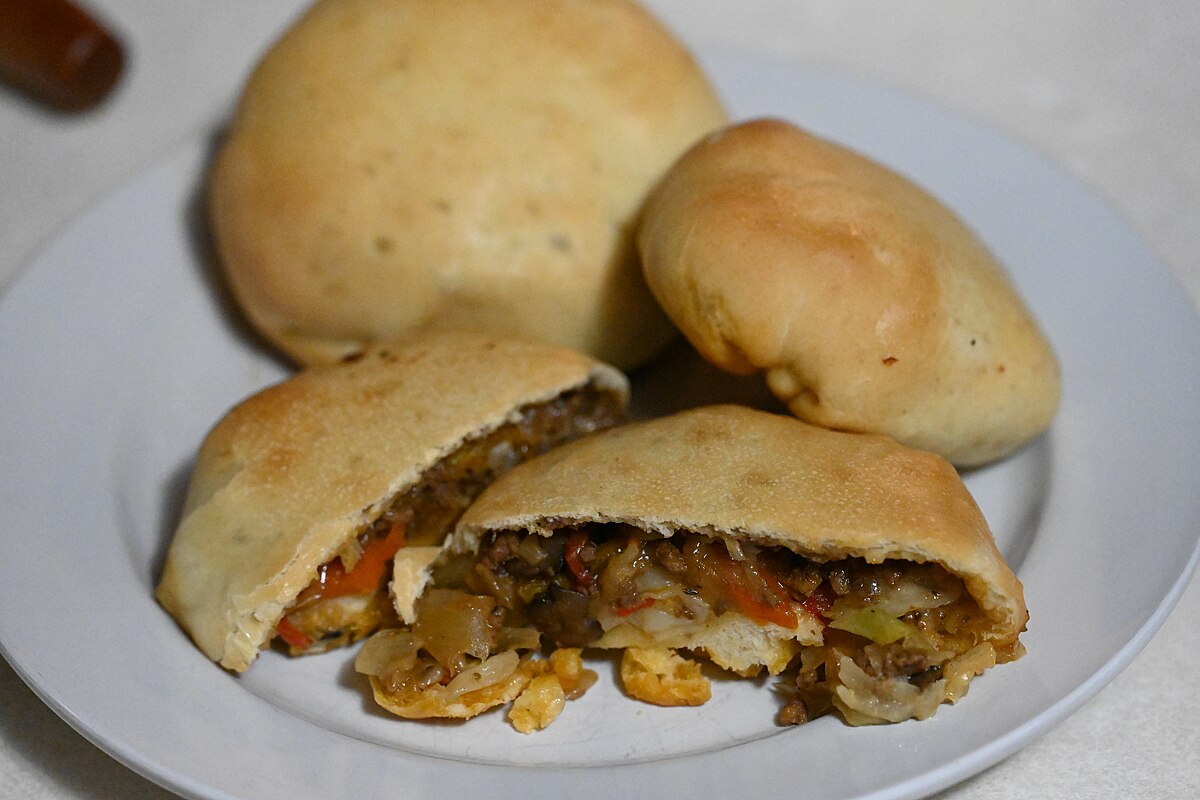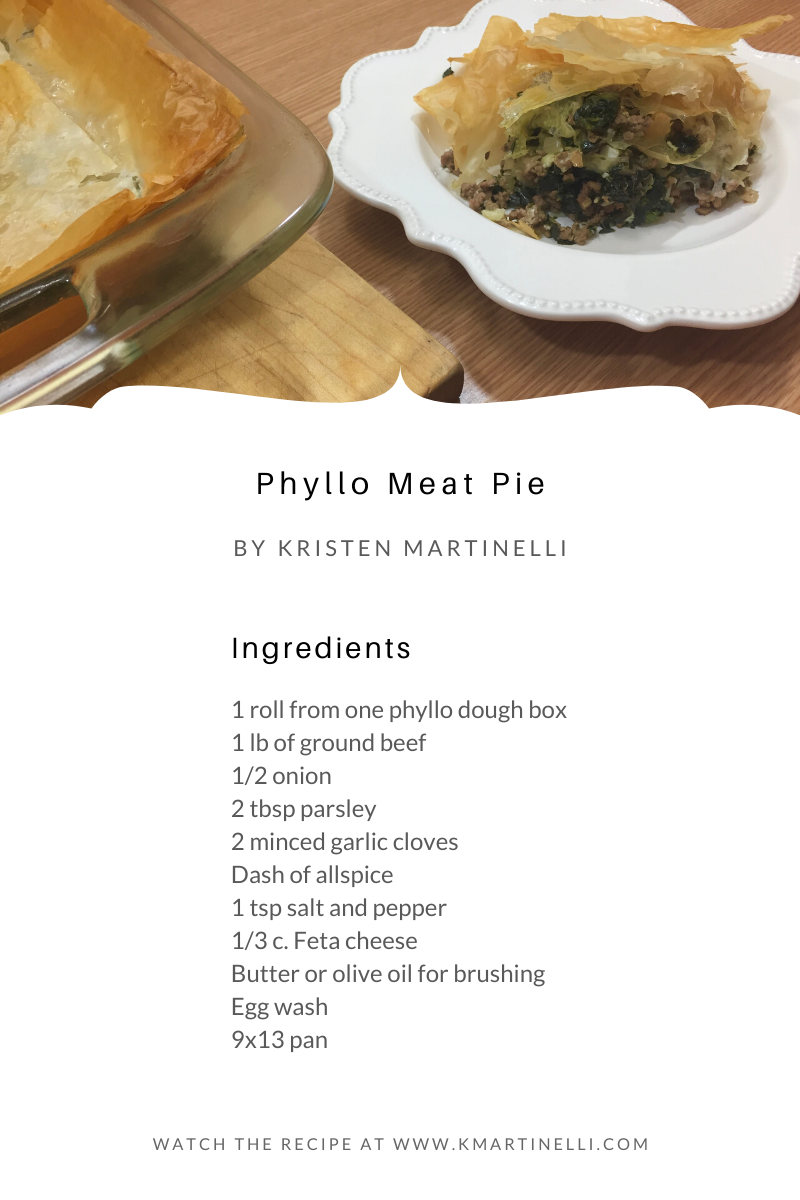
Looking for that flaky, buttery crust that holds a hearty filling without cracking? Youre in the right place. Below is the traditional meat pie dough recipe that Ive relied on for family gatherings, rainyday comfort meals, and just because cravings.
Why does this work? Its all about cold butter, a gentle hand, and a short rest in the fridge. Follow along and youll have a soft, tender crust every single time.
Why Dough Matters
Benefits of a Properly Made Pie Crust
A good crust does more than look pretty. It creates a flaky texture that melts in your mouth, provides structural support so the filling doesnt spill, and carries the subtle butter flavor that makes every bite feel luxurious.
Common Mistakes (and How to Fix Them)
Overmixing turns the dough into a tough shoeleather, warm butter makes it greasy, and skipping the chill step leads to shrinkage in the oven. Keep these pitfalls in mind, and youll avoid the dreaded crackedpiedisaster.
Ingredients List
| Ingredient | Quantity (for 212oz pies) | Why Its Essential |
|---|---|---|
| Allpurpose flour | 2cups | Provides structure and body. |
| Unsalted butter (cold, cubed) | 1cup (2sticks) | Creates the flaky layers. |
| Icecold water | cup (adjust as needed) | Binds the dough without warming the butter. |
| Salt | 1tsp | Enhances overall flavor. |
| Egg yolk (optional) | 1 | Adds richness and a golden hue. |
These are the core ingredients for meat pie dough. If youre curious about the science behind buttertoflour ratios, the USDA guidance on food safety explains how fat content influences gluten development.
Making The Dough
Preparing the Workstation
First things first: chill your mixing bowl and pastry cutter (or the blade of your food processor). Cold tools keep the butter from melting before its time.
Quick premix checklist
- Measure flour and salt.
- Cube butter and keep it on ice.
- Have a plasticwrap ready for the resting stage.
Cutting in the Butter
Pulse the floursalt mix with the butter until the mixture looks like coarse sand with occasional peasized butter nuggets. Those little flecks are the promise of flaky layers later on.
Visual cue guide
Imagine a beach covered in tiny shells; you should see the butter chunks dotted throughout the flour.
Adding Ice Water & Forming the Dough
Sprinkle the ice water over the crumbly mixture, stirring gently with a fork. As soon as the dough comes together in a shaggy ball, stop. Overworking will develop gluten and make the crust tough.
Resting the Dough (Why & How)
Wrap the ball in plastic and chill for at least 30minutes. Resting relaxes the gluten strands, giving you a softer, more pliable crust thats easier to roll out.
Rolling & Shaping the Crust
On a lightly floured surface, roll the dough to about inch thickness. Keep the edges a little thicker; theyll hold the filling and prevent leaks.
Pro tip video
Watch a short tutorial on how to make meat pie dough soft on YouTube for a visual guide (search for soft meat pie dough and youll find several helpful clips).
Global Twists
English Meat Pie Crust
Add a pinch of nutmeg and a splash of doubleacting baking powder for a slightly puffier base. This subtly sweet note is classic in a traditional English meat pie recipe.
Nigerian Meat Pie Dough
For an authentic Nigerian meat pie, skip the egg yolk and use only cold water. Incorporate ground cloves and a hint of nutmeg for that unmistakable West African flavor. lists spices commonly paired with Nigerian pastries.
Simple & Quick Version
If youre in a rush, you can substitute cold margarine for butter. Youll lose a bit of richness, but the dough will still be flakyperfect for a best meat pie dough recipe when time is short.
GlutenFree/LowCarb Adaptations
Swap half the flour for almond flour and add a teaspoon of xanthan gum. The dough will feel a little different, but the coldwater technique still works wonders.
Troubleshooting Tips
Dough Too Sticky?
Sprinkle in 12 tablespoons more flour and handle it gently. The key is to keep the butter cold; a quick dash of flour wont hurt the texture.
Crust Shrinks After Baking?
Give it a second chill before it goes into the oven, and avoid overrolling. A tighter roll can cause the edges to pull back as they bake.
Crust Becomes Tough?
This usually means youve overmixed. Let the dough rest longer next time, and make sure the butter stays in small chunks until the very end.
Common Issues vs. Fixes
| Issue | Likely Cause | Quick Fix |
|---|---|---|
| Cracking | Overworked dough | Rest longer (3060min) |
| Gummy center | Too much water | Add flour gradually (tsp at a time) |
| Soggy bottom | Wet filling | Blindbake the base 5min at 375F |
Assembling & Baking
Preparing the Filling
While the dough rests, whisk together ground beef, finely diced onion, minced garlic, grated carrot, a pinch of white pepper, and a dash of curry powder. Cook until the meat is browned and the vegetables are tender. This simple meat pie recipe fills the crust with savory goodness without overwhelming it.
BlindBaking the Base (Why)
Line the rolled base with parchment paper, add pie weights (or dried beans), and bake for 10minutes at 375F. This sets the structure and prevents sogginess once the filling is added.
Adding Filling & Top Crust
Spoon the warm filling onto the prebaked base, then cover with a second rolled sheet. Trim excess, crimp the edges, and brush with an egg wash (1 egg + 1 tbsp water) for a glossy finish.
Baking Time & Colour Check
Pop the assembled pie into the oven for 2530minutes, or until the crust turns a deep golden brown and the internal temperature reaches 160F.
Storage & Reheat
Refrigeration & Freezing
Store leftovers in an airtight container in the fridge for up to three days. For longer keeping, wrap tightly in foil and freeze; the pie stays delicious for up to two months.
Maintaining Flakiness After Reheat
Before reheating, lightly spritz the crust with water and cover with foil for the first 10minutes of baking. Then uncover to let the top crisp up. The result? Almost as fresh as when it first came out of the oven.
Conclusion
Mastering the traditional meat pie dough recipe isnt about secret ingredients; its about techniquekeep everything cold, treat the dough gently, and give it a proper rest. Once youve nailed the crust, you can freely explore English, Nigerian, or quickfix variations, and even adapt it for glutenfree needs. I hope this guide empowers you to bake with confidence, share the warm aroma with loved ones, and maybe even create a new family tradition. If youve tried the recipe, whats your favorite filling? Feel free to reach out with your stories, tips, or any questions you might have. Happy baking!
FAQs
How do I keep the butter cold when making the dough?
Cube the butter and store it on ice right up to the moment you cut it into the flour. You can also chill the mixing bowl and utensils beforehand.
Can I use a food processor instead of hand mixing?
Yes. Pulse the flour and butter in short bursts until the mixture resembles coarse sand with small butter peas. Add ice water gradually and stop as soon as the dough forms.
What’s the best way to prevent the crust from shrinking?
After rolling, chill the shaped dough for another 10‑15 minutes before baking and avoid over‑rolling thin edges. This keeps the gluten relaxed.
How long can I freeze the uncooked pie dough?
Wrap the dough tightly in plastic wrap and foil, then freeze for up to 2 months. Thaw in the refrigerator before rolling out.
Is it possible to make this dough gluten‑free?
Swap half the all‑purpose flour with a gluten‑free blend and add a teaspoon of xanthan gum. The cold‑water method still produces a flaky result.