Why This Texas Brisket Recipe Works
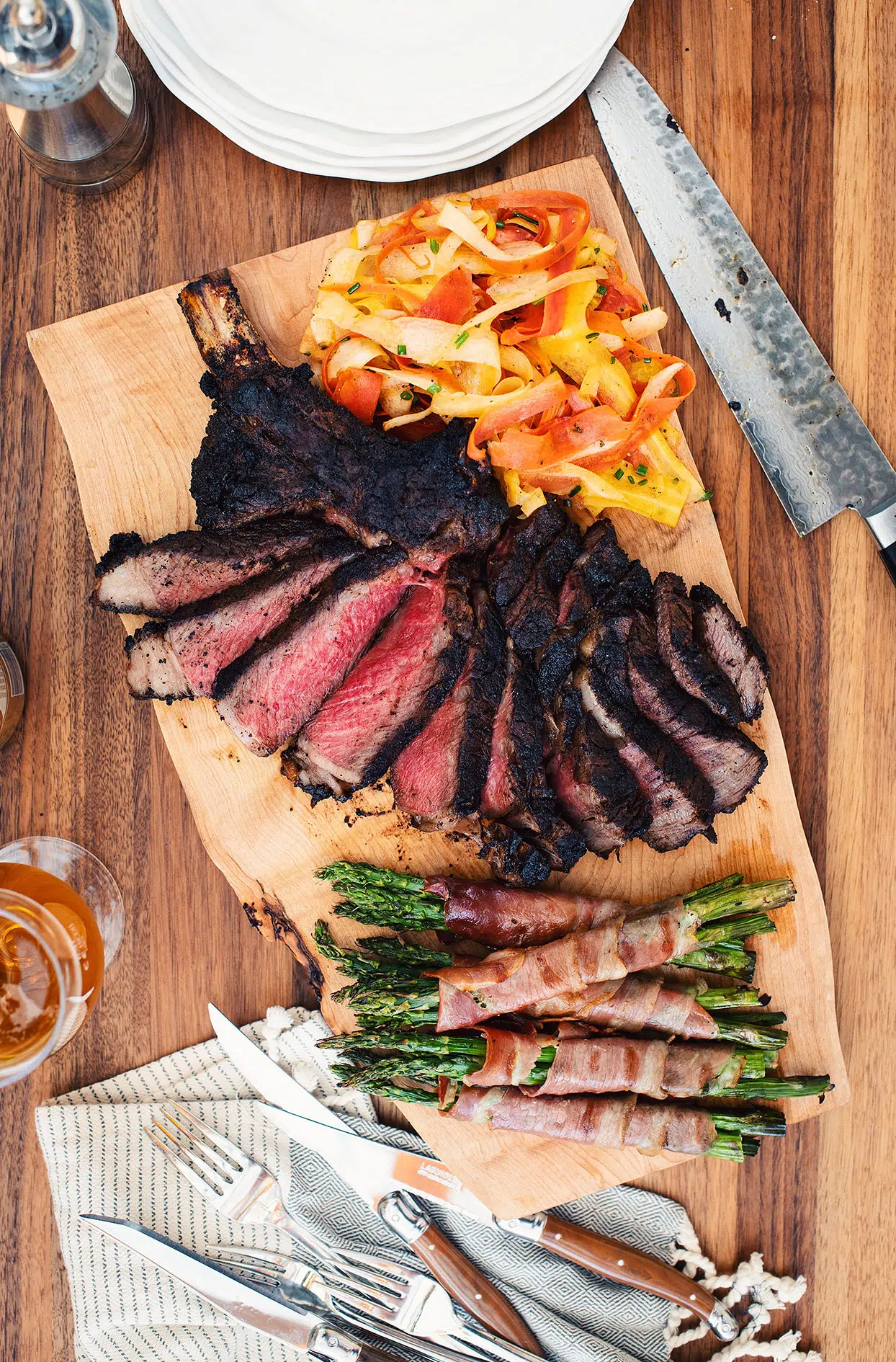
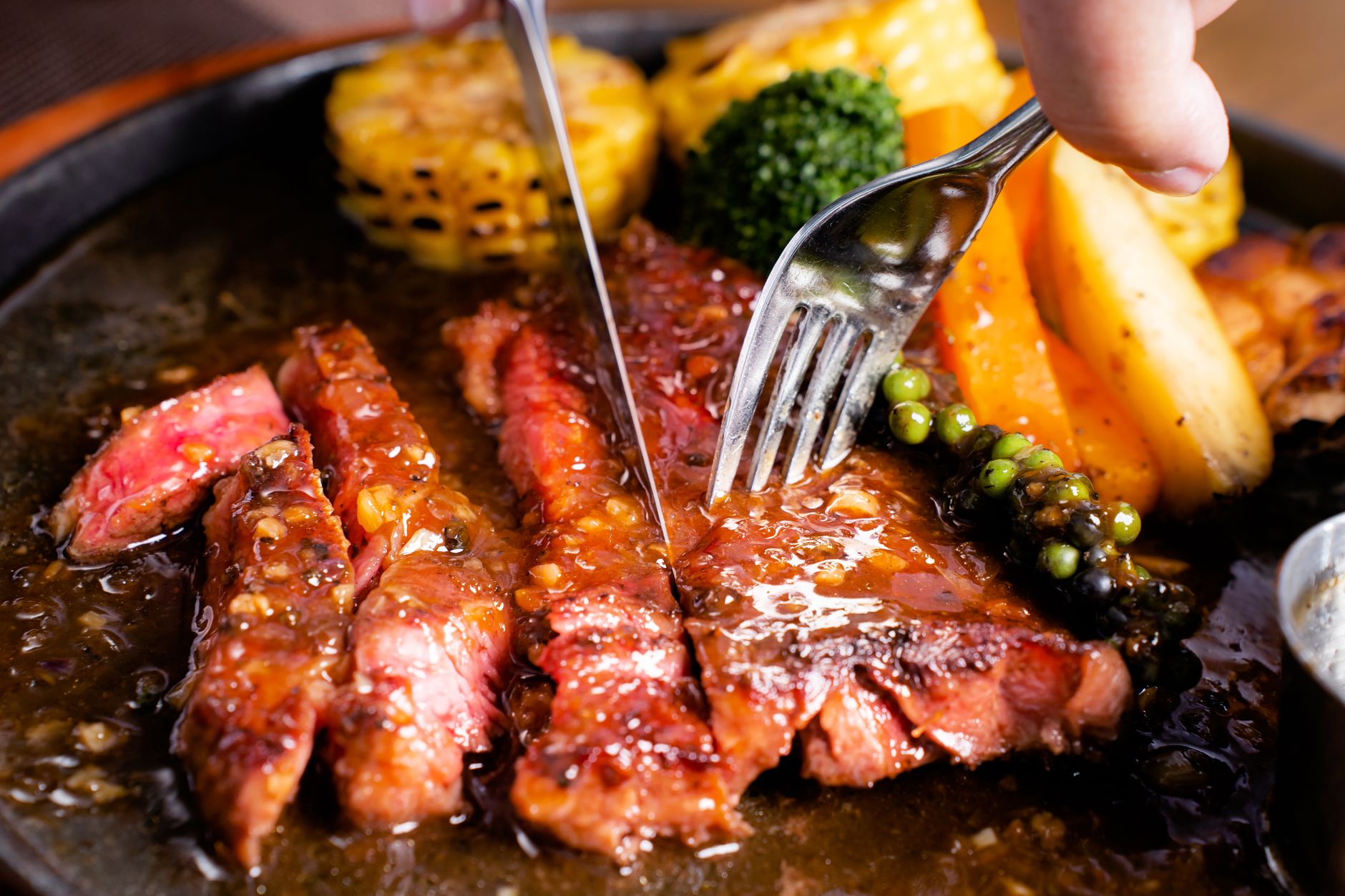
The first slice should reveal a dark, peppery bark and a tender center that glistens with beefy juices. That contrast is what makes smoked brisket so special.
This Texas Brisket Recipe uses a mustard coating, a bold paprika-and-chile rub, and gentle smoker heat to build a richly seasoned crust. A six-pound brisket needs roughly nine hours at low temperature, followed by a proper rest. Cook by internal temperature and tenderness rather than the clock, then slice across the grain for juicy, soft pieces.
The mustard does not make the finished beef taste yellow or sharp. It helps the dry rub cling to the meat while its moisture disappears in the smoker. I found that a light coating works better than a thick one, especially around the edges where excess mustard can darken too quickly.
Serve the brisket as the centerpiece of a barbecue meal, or save some for sandwiches, tacos, and hash the next day.

Health Benefits & Nutrition
Brisket is a rich, satisfying beef dish, but it is also naturally high in fat and calories. A sensible serving with vegetables or a fresh salad gives you a balanced plate without needing a large portion.
- Protein: Beef supplies complete protein, which helps make the meal filling and supports normal muscle maintenance.
- Iron: Beef contains absorbable iron. Iron is used by the body to make hemoglobin, the protein that carries oxygen in the blood.
- Vitamin B12: Brisket provides vitamin B12, a nutrient involved in normal nerve function and red blood cell formation.
- Zinc: Beef is also a source of zinc, which supports normal immune function and wound healing.
The rub contains a substantial amount of salt, so the finished brisket is not a low-sodium food. The approximate nutrition below varies with the brisket’s fat content, how much fat renders away, and how much bark each serving includes. Anyone managing sodium, cholesterol, or another health condition should ask a doctor or registered dietitian for advice suited to their needs.
Ingredients & Preparation
Recipe Card
| Prep time | 30 minutes |
|---|---|
| Cook time | 9 hours |
| Total time | 9 hours 30 minutes |
| Servings | 4 to 6 servings |
| Calories | Approximately 900 per serving |
| Diet tags | Gluten-free, dairy-free |
Calories are approximate and can change considerably depending on the brisket’s fat content and portion size.
Ingredients
- 1 beef brisket, approximately 6 pounds
- 1 tablespoon yellow mustard
- 1/4 cup dark brown sugar
- 3/4 cup paprika
- 2 tablespoons chipotle chili powder
- 1/4 cup coarse black pepper
- 2 tablespoons garlic powder
- 1/4 cup kosher salt
- 2 tablespoons onion powder
- 1 tablespoon cayenne pepper
Equipment Needed
- Smoker capable of holding 225°F
- Instant-read or leave-in meat thermometer
- Large cutting board with a juice groove
- Sharp slicing knife
- Small bowl for mixing the rub
- Paper towels and heatproof gloves
- Foil or unwaxed butcher paper for holding the cooked brisket
Tips for Choosing Quality Ingredients
Choose a brisket with a flexible flat and a visible fat seam between the flat and point. A thin, even fat cap is easier to trim than a thick, lumpy one. Look for meat with a deep red color and no dry, gray edges.
Use kosher salt if possible. Its larger crystals are easier to distribute evenly. Fine table salt measures more densely, so replacing kosher salt cup-for-cup can make the rub much saltier. Freshly opened spices also give the bark a brighter aroma, especially the black pepper and paprika.
For a milder brisket, use sweet paprika rather than hot paprika and keep the chipotle powder as written. If you prefer more smoke flavor, use a clean-burning hardwood such as oak, hickory, or pecan rather than adding extra chile.
Step-by-Step Instructions
1. Trim and season the brisket
Trim the fat cap to about 1/4 inch thick, removing hard pockets of fat and any silver skin from the lean side. Pat the brisket dry with paper towels. Brush all surfaces with 1 tablespoon yellow mustard. In a bowl, combine the brown sugar, paprika, chipotle chili powder, black pepper, garlic powder, kosher salt, onion powder, and cayenne pepper. Press the rub evenly over both sides and the edges. Complete this step in 20 minutes.
2. Preheat the smoker
Preheat the smoker to 225°F and add oak, hickory, or pecan wood. Allow the smoker to produce thin, clean smoke for 10 minutes before adding the meat. Heavy white smoke can leave a bitter taste, so wait for a lighter blue-gray stream with a clean wood aroma.
3. Smoke the brisket
Place the brisket in the smoker with the fat cap facing the hotter side of your cooker. Smoke at 225°F for approximately 9 hours, or until the thickest part reaches 195°F to 205°F. Begin checking after 8 hours. The brisket is ready when a thermometer probe slides into the flat with very little resistance, similar to pushing it into softened butter.
4. Rest before slicing
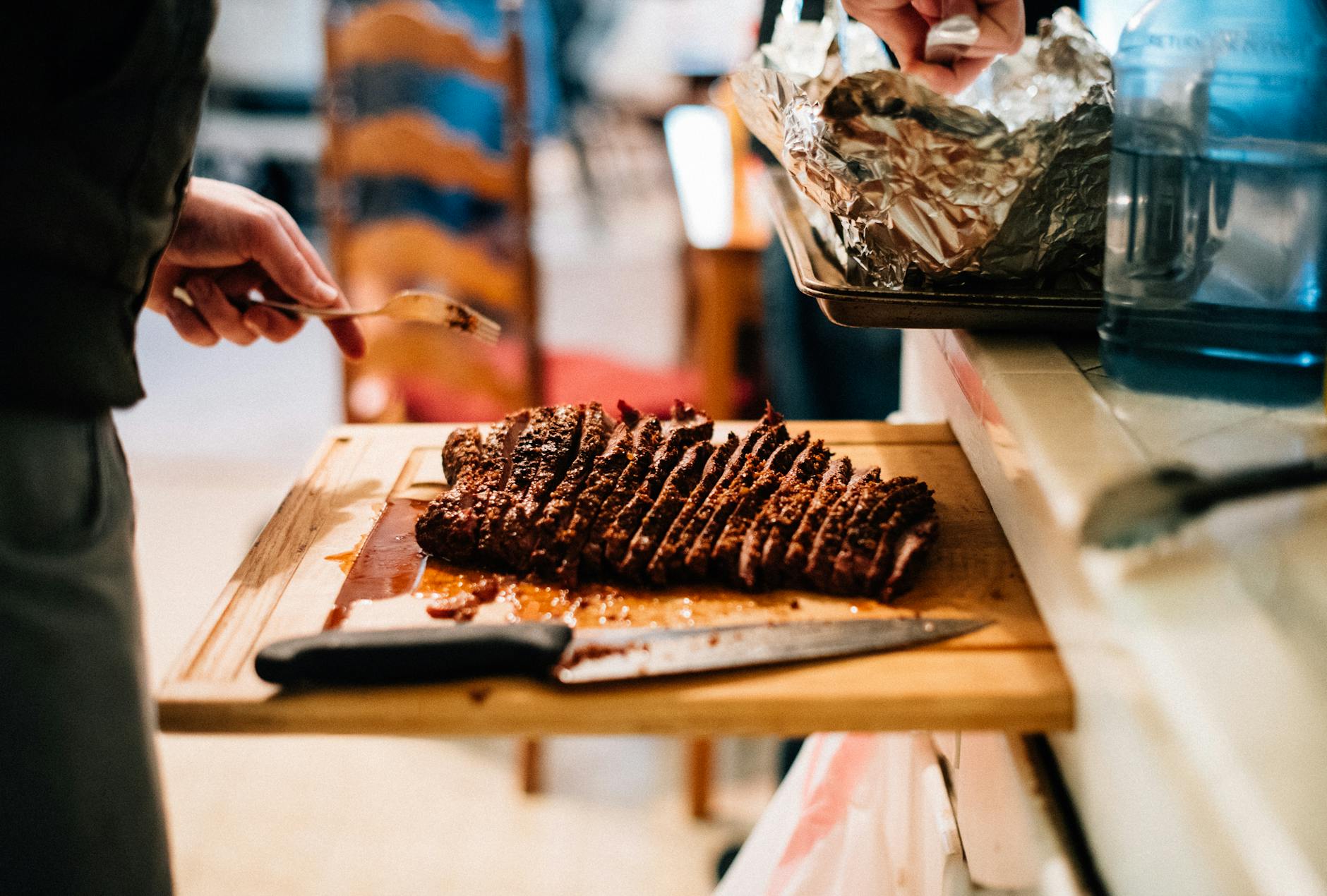
Transfer the brisket to a cutting board or rimmed pan, loosely cover it with foil or butcher paper, and rest for 30 minutes. The crust should feel firm while the center remains springy. During my first attempt, I sliced after only 10 minutes and lost a noticeable amount of juice on the board; the longer rest made the slices much moister.
5. Slice across the grain
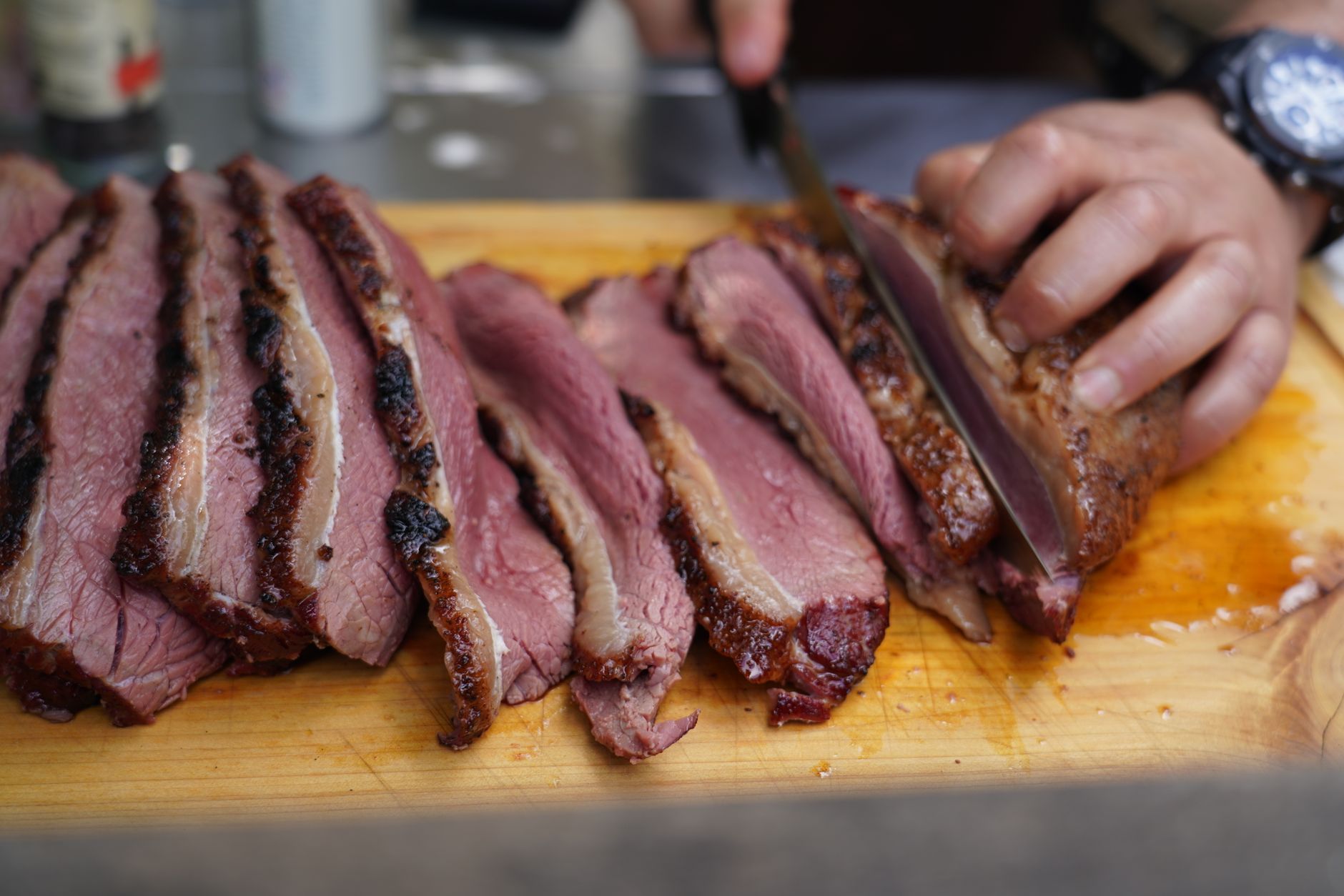
Separate the point from the flat if needed, then slice the flat across the grain into 1/4-inch pieces. Turn the point so its grain runs in the opposite direction and slice it separately. Serve immediately while the bark is crisp and the interior is warm.
Variations & Substitutions
- Less spicy rub: Omit the cayenne and replace the 2 tablespoons chipotle chili powder with 2 tablespoons additional paprika. You will still get a smoky color without as much heat.
- Simple salt-and-pepper bark: Use 3 tablespoons kosher salt and 3 tablespoons coarse black pepper instead of the full spice mixture. Keep the mustard as a binder.
- Sweeter barbecue bark: Increase the dark brown sugar to 1/3 cup and reduce the paprika to 2/3 cup. Watch the brisket during the final two hours because sugar can darken faster.
- Mustard substitute: Replace the yellow mustard with 1 tablespoon Worcestershire sauce or a very thin layer of hot sauce. Both help the rub adhere, though the flavor will be more savory or tangy.
- Oven-finished brisket: Smoke the meat for 4 hours, then wrap it tightly in butcher paper and finish in a 225°F oven until it reaches 195°F to 205°F. This adds less smoke while making the cooking temperature easier to control.
I tried using olive oil as the binder, but it made the rub slide around on the fat cap. Mustard gave me a more even coating and disappeared into the bark during cooking.
Storage & Shelf Life
Refrigerate leftover brisket within 2 hours of cooking. Store it in a shallow airtight container or wrap individual portions tightly in foil, then place them in a sealed container. Refrigerated brisket keeps for up to 4 days.
For longer storage, cool the slices completely, wrap them tightly in foil, and place them in a freezer bag with as much air removed as possible. Freeze for up to 3 months for the best texture. Label the package with the date so older portions do not get forgotten.
Reheat refrigerated slices in a covered skillet with a splash of beef stock or water over low heat. Frozen brisket is best thawed overnight in the refrigerator before reheating. Discard the meat if it develops a sour smell, sticky surface, unusual discoloration, or visible mold.
If you have more than you can serve, these ideas for What to do with leftover brisket can turn the remaining slices into another meal.
Pro Tips
Trim for even cooking. Leave enough fat to protect the flat, but remove thick hard pieces that will not render during the cook. Uneven fat can also make seasoning slide away.
Keep the smoke clean. A small, steady fire creates better flavor than a smoker packed with wood. If the smoke smells acrid or looks dense and white, reduce the wood and improve airflow.
Use temperature as a guide, not a finish line. Briskets can become tender at slightly different temperatures. Once the meat reaches about 195°F, test the flat in several spots. If the probe still meets resistance, continue cooking and check every 20 minutes.
Protect the flat. The flat is leaner than the point and can dry out first. Position it away from the hottest part of the smoker. If the bark is becoming too dark before the center is tender, wrap the brisket in unwaxed butcher paper.
Slice only what you need. The cut surface dries quickly. Keep the remaining brisket whole and slice portions as you serve them. Use a long, sharp knife and wipe the blade between cuts for cleaner edges.
Balance the plate. The rub is bold, smoky, and salty. Mild sides such as creamy slaw, beans, cucumber salad, or unsalted roasted vegetables help balance each bite.
Questions & Answers
When is the best time to eat Texas Brisket Recipe?
The best time to eat Texas Brisket Recipe is immediately after its 30-minute rest, while the bark remains fragrant and the slices are warm. You can also hold the cooked brisket, tightly wrapped, in an insulated cooler for several hours. Slice just before serving so the meat retains more moisture.
What cut of brisket works best for this recipe?
A whole brisket containing both the flat and point works best when available. A six-pound brisket is manageable for a home smoker and provides lean slices plus richer, fattier pieces. A brisket flat alone can also work, but it needs closer monitoring because it contains less internal fat.
Can I make this brisket without a smoker?
Yes, you can finish the brisket in a 225°F oven after smoking it for several hours. For an oven-only version, use the same rub and cook the meat in a covered roasting pan at 250°F until tender. The bark will be less smoky, but the beef can still become tender and flavorful.
Why is my brisket tough after many hours?
A tough brisket usually needs more cooking time, not less. Collagen softens gradually, and the meat may remain firm even after reaching 195°F. Check the flat with a thermometer probe; continue cooking at 225°F and test every 20 minutes until the probe slides in with little resistance.
Should the fat cap face up or down?
Place the fat cap toward the hotter side of your smoker. Fat does not soak deeply into the meat, so cooker position matters more than the up-or-down rule. On many smokers, the heat source sits below the grate, making fat-side down useful protection for the lean flat.
How do I keep brisket from drying out?
Keep the smoker temperature steady, avoid excessive trimming, and rest the brisket before slicing. Start checking for tenderness as soon as the meat reaches about 195°F. If the bark is finished but the center is not tender, wrap the brisket in butcher paper to slow surface moisture loss.
Can I prepare the brisket rub ahead of time?
Yes, the dry rub can be mixed up to 1 week ahead and stored in an airtight jar in a cool, dry cupboard. Shake or stir it before using because brown sugar can settle. Keep the mustard separate and apply it shortly before the brisket goes into the smoker.
More Recipes You Will Love
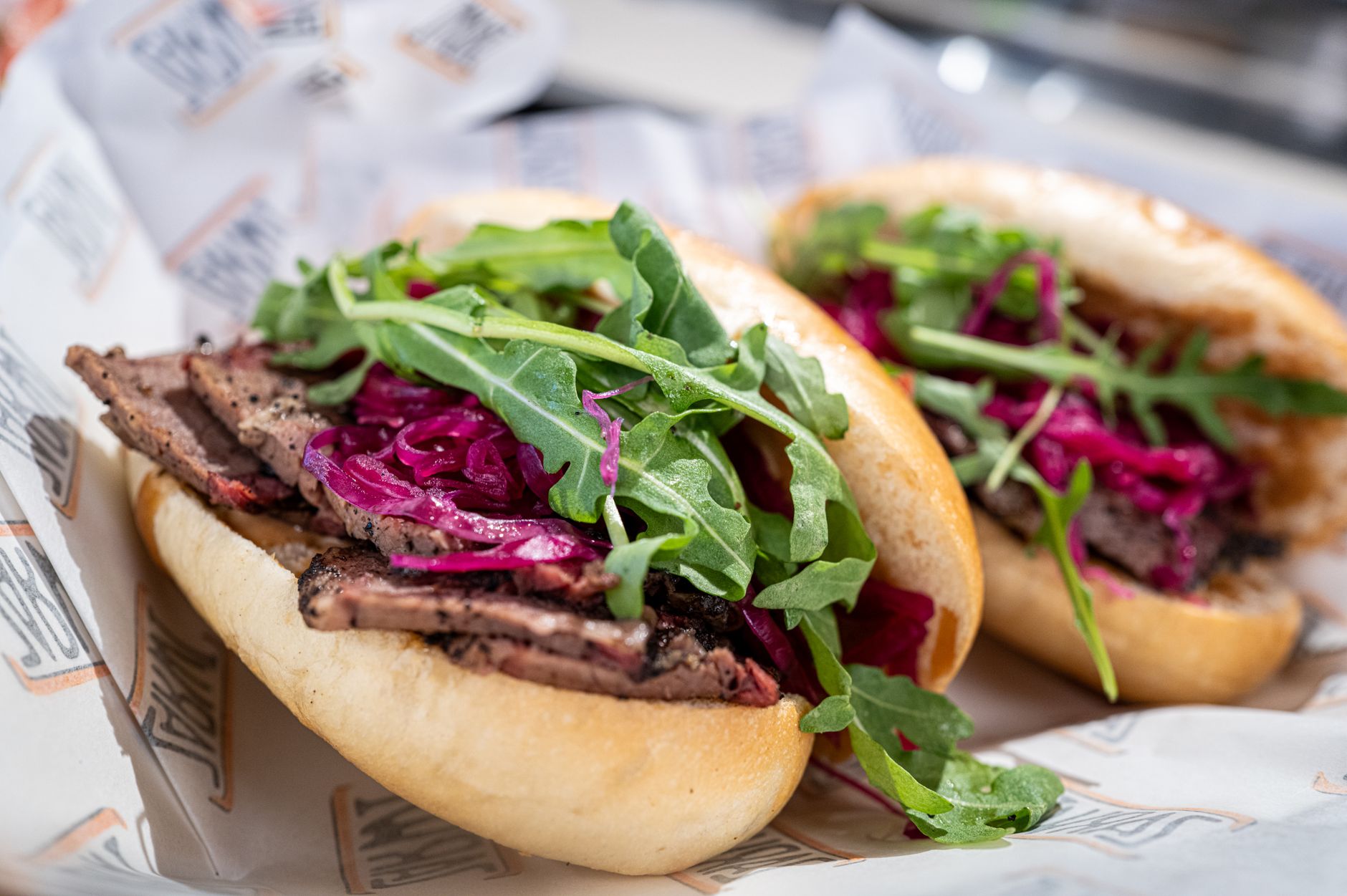
Smoked brisket makes a generous centerpiece, but its leftovers are just as useful. Turn chilled slices into loaded sandwiches, breakfast hash, quesadillas, or crisp-edged tacos. The smoky bark adds plenty of flavor without needing a heavy sauce.
For another hearty beef option, try these Steak bites with bloody mary dipping sauce recipe. They cook much faster and bring a peppery, tangy contrast to this slow-smoked meal.
Round out either dish with creamy coleslaw, grilled corn, baked beans, or a sharp pickle relish. Fresh, crunchy sides help balance the richness of the beef.
Conclusion
This Texas Brisket Recipe rewards patience with tender beef, smoky edges, and a deeply seasoned bark. Keep the smoker steady, check tenderness instead of relying only on time, and give the brisket a full rest before slicing. The bold rub is easy to adjust, so you can make the heat and sweetness suit your table. If you cook it, please leave a rating or comment and share what sides you served.
FAQs
When is the best time to eat Texas Brisket Recipe?
The best time to eat Texas Brisket Recipe is after the cooked brisket has rested properly, when the juices settle and the slices stay moist. Serve it fresh as the centerpiece of a barbecue meal, or save leftovers for sandwiches, tacos, and hash the next day.
How long can you store leftover brisket in the fridge?
Leftover smoked brisket should be refrigerated within two hours of cooking and generally kept for three to four days. Wrap the slices tightly or store them with some of their juices to prevent drying, and reheat until hot all the way through.
Can you cook brisket without a smoker?
Yes, you can cook brisket in a conventional oven set to about 225°F, wrapped in foil to keep it moist. The result will have less smoky flavor than brisket cooked in a smoker, but the rub and low temperature still produce tender meat.
Why is my brisket still tough after hours of cooking?
Tough brisket usually means it has not yet reached full tenderness and needs more time at low heat. Check doneness by probing the thickest part of the meat, which should slide in with little resistance, rather than relying on the clock. Rest the meat before slicing across the grain.
Can you substitute something for mustard in a brisket rub?
Yes, a thin layer of olive oil or another neutral oil can help the rub stick to the meat. Mustard mainly helps the coating cling while moisture leaves the brisket, and the finished meat does not taste strongly of mustard, so oil will work as a simple alternative.