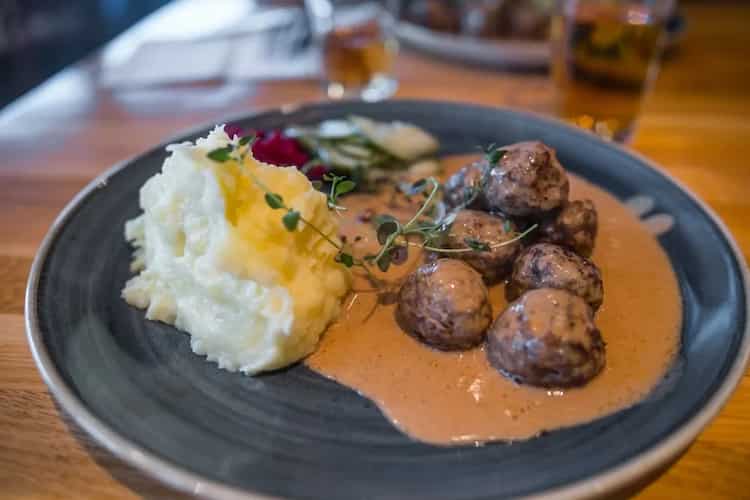
Short answer: Swedish meatballs arent truly Swedish. The dish we love today traces back to a Turkish kfte recipe that KingCharlesXII brought home after his exile in the early1700s. Knowing this adds a tasty twist to every bite and helps you decide how you want to enjoyor reinventthe classic.
Quick Answer
If youre looking for the fastest answer, here it is: the Swedish meatball was introduced to Sweden by KingCharlesXII after he spent more than a decade at the Ottoman court. He returned with a cookbook that featured a spiced meatball recipe, which Swedish cooks later adapted with pork, beef, creambased gravy, and lingonberries.
Historical Journey
Meatballs have been flirting with cuisines across Europe and the Middle East for centuries. In the Ottoman Empire, mincedmeat balls called kfte were a staple, seasoned with cumin, paprika, and fresh herbs. These early versions appear in 13thcentury manuscripts and in the culinary histories of Turkey, Greece, and the Balkans.
Enter KingCharlesXII. After the disastrous Battle of Poltava in 1709, the Swedish monarch was taken prisoner and spent eleven years in Ottoman captivity. During that time he grew fond of the local food, especially the fragrant kfte. When he finally returned to Sweden in 1714, he didnt leave his new favorite dish behind.
Back home, Swedish cooks swapped the original lamb for a porkandbeef blend, added allspice and nutmeg, and served the balls with a rich creamgravy and sweettart lingonberries. The dish quickly became a national comfort food, later popularised worldwide by IKEAs frozen meals.
So why do many still think Swedish meatballs are purely Swedish? Its a textbook case of branding. Tourist boards and food companies love a clear, simple story, and Swedish meatball rolls off the tongue nicely. But the truth, confirmed by sources like the Swedish Governments cultural heritage page (Swedish government culture) and foodhistory scholars, points to a Turkish origin.
Original Recipe
Lets dig into the classic kttbullar that youll find on a Swedish kitchen table today. Below is the traditional list of ingredients and the proportions used in the most authentic version.
| Ingredient | Amount (for ~20 balls) |
|---|---|
| Ground pork | lb (225g) |
| Ground beef | lb (225g) |
| Plain breadcrumbs | cup (50g) |
| Milk | cup (120ml) |
| Egg | 1 large |
| Allspice | 1tsp |
| Nutmeg | tsp |
| Salt & pepper | to taste |
And heres a stepbystep guide that even a kitchen novice can follow:
- Mix the breadcrumbs with milk in a small bowl; let them soak for five minutes.
- In a larger bowl, combine the pork, beef, egg, soaked breadcrumbs, allspice, nutmeg, salt, and pepper. Mix until just combinedovermixing makes the meatballs tough.
- Shape the mixture into 1inch spheres. For the best texture, chill the balls on a tray for 30minutes.
- Heat a skillet with a splash of butter or oil over mediumhigh heat. Fry the balls in batches, turning gently, until theyre golden on all sides (about 5minutes).
- Finish the cooking in a preheated oven (350F / 175C) for 10minutes so the interior stays juicy.
- Make the classic creamgravy: deglaze the pan with beef stock, add heavy cream, a touch of soy sauce, and simmer until thickened. Spoon the gravy over the meatballs and serve with boiled potatoes and lingonberry jam.
Chefs tip: If you want a lighter version, replace half the pork with ground turkey and bake the balls instead of frying. The flavor stays comforting, but the saturatedfat count drops dramatically.
Debunking Myths
Myth #1: Swedish meatballs are purely Swedish.
History shows otherwise. The Swedish royal courts archives contain a copy of the Turkish cookbook that CharlesXII brought back, and scholars like Prof.LarsAndersson have written extensively about the recipes Ottoman roots (kofte Britannica).
Myth #2: All meatballs started in Italy.
Italian polpette are delicious, but they appear centuries later than the Ottoman kfte. The earliest documented meatball recipes are from 13thcentury Turkey, predating any Italian version. So while Italians certainly love their own round of minced meat, they didnt invent the concept.
Myth #3: Meatballs only use beef.
Across the globe, meatballs are made from lamb, pork, chicken, turkey, and even plantbased proteins. In Sweden, the classic blend is pork+beef, but modern cooks experiment with venison, elk, or vegetarian lentil baseseach bringing its own story to the plate.
Cultural Impact
From a royal secret to a global comfort food, Swedish meatballs have traveled a long way. IKEAs frozen Swedish Meatballs line sells over 150million servings a year, according to the companys 2023 annual report. Thats a testament to how a dish can become a cultural ambassador, even if its true heritage lies elsewhere.
But beyond mass production, the dish remains a centerpiece of Swedish family gatherings. Imagine a cozy winter evening: a steaming pot of creamgravy, a mound of golden meatballs, fluffy potatoes, and a dollop of tart lingonberries. The flavors balance each other perfectlyrich yet bright, hearty yet comforting.
From a health perspective, its worth looking at the nutrition. Heres a quick snapshot for a typical 100gram serving of classic Swedish meatballs:
| Nutrient | Amount | Health Note |
|---|---|---|
| Protein | 12g | Supports muscle repair |
| Fat (saturated) | 9g | Consume in moderation |
| Sodium | 350mg | Watch if hypertensive |
| Calories | 210kcal | Energydense, good for active days |
Balancing the indulgence with a few tweaks can keep the dish on the healthier side. Try swapping half the beef for lean turkey, bake instead of fry, and serve with a yogurtdill sauce instead of the traditional cream gravy. You still get the comforting texture, but with less saturated fat and fewer calories.
Why the Origin Matters
Understanding that Swedish meatballs originated in Turkey isnt just trivia; its a reminder of how food travels, adapts, and unites cultures. When you sit down to a plate of kttbullar, youre tasting a story that spans continents, wars, and royal courts. That knowledge can deepen your appreciation, spark conversations at the dinner table, and maybe even inspire you to explore the original Turkish kfte recipe.
So the next time youre enjoying a steaming mound of meatballs, pause for a moment. Think of KingCharlesXII, the bustling markets of Istanbul, and the centuriesold tradition of shaping minced meat into comforting balls. Its a delicious illustration of how a simple dish can carry history on a silver spoon.
Conclusion
Swedish meatballs may wear a Swedish label, but their heart beats Turkish. The journey from Ottoman kfte to Swedish kttbullar shows how recipes evolve, how cultures borrow, and how a royal palate can change a nations cuisine. Armed with this knowledge, you can enjoy the classic version, experiment with healthier twists, or even try the original Turkish style for a fresh perspective. Whats your favorite way to serve meatballs? Share your experience, ask a question, or try the recipe aboveyour culinary adventure starts now.
FAQs
What is the true origin of Swedish meatballs?
Swedish meatballs trace back to the Turkish kfte dish that King Charles XII discovered during his Ottoman captivity and brought to Sweden in the early 1700s.
How did the recipe change after arriving in Sweden?
Swedish cooks replaced the original lamb with a pork‑and‑beef blend, added allspice and nutmeg, and served the balls with a creamy gravy and lingonberries.
Is the claim that Italian cooks invented meatballs correct?
No. The earliest documented meatball recipes come from 13th‑century Turkey, predating Italian polpette by several centuries.
Can the classic Swedish meatball recipe be made healthier?
Yes—substitute half the pork with lean turkey, bake instead of fry, and swap the cream gravy for a yogurt‑dill sauce to reduce saturated fat.
Why does knowing the origin matter?
Understanding the Turkish roots highlights how food travels across cultures, enriches the dish’s story, and encourages culinary exploration.