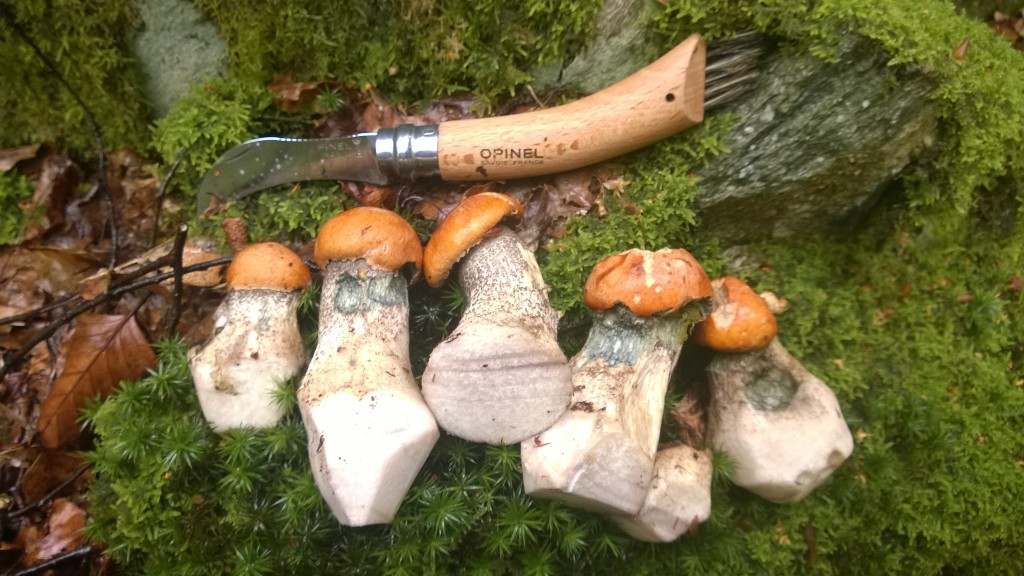
Grab a mushroom, look at the cap, and wonder: Is this a tasty treasure or a recipe for disaster? The short answer ischeck three things: cap colour, bruising at the stem base, and the tree its growing under. If those line up, you probably have a birch bolete; if not, it might be a lookalike that could give you a stomach ache.
Below youll find a friendly cheatsheet that walks you through the safest way to spot birch bolete look alikes, tells you which ones are edible, and even shares a simple recipe or two. Lets get into itno fluff, just the stuff you actually need on the trail.
Why ID Matters
Foraging is a bit like a treasure hunt: the payoff is amazing when you get it right, but the cost of a misstep can be a miserable night in the bathroom. A handful of Leccinum species turn blue when bruised, and while theyre not deadly, they can cause nausea, vomiting, and a lot of regret. On the other hand, nailing the identification lets you add the nutty, buttery flavor of the orange birch bolete (Leccinum aurantiacum) to a saut or a hearty broth.
Think of it like driving: you wouldnt jump behind the wheel without checking your mirrors, right? The same principle applies to mushroom huntingknow what youre picking, and youll drive home with a delicious dinner instead of an unwanted detour to the bathroom.
Core Birch Bolete
The birch bolete family has three main members that act as the baseline for comparison. If you can lock down their lookalikes, youll be set for most forest forays.
| Species | Common Name | Cap Colour | StemBase Bruising | Habitat | Edibility |
|---|---|---|---|---|---|
| Leccinum scabrum | Brown Birch Bolete | Browntan | None or faint pink | Under birch | Good |
| Leccinum aurantiacum | Orange Birch Bolete | Bright orange | Light bluegreen near base | Birch & oak | Good |
| Leccinum versipelle | Redcapped Birch Bolete | Reddishorange | Bluegreen bruising | Birch | Edible with caution |
Notice the bruising patterns? Thats the biggest clue. The brown birch bolete (L. scabrum) stays almost unchanged, while the orange variety shows a subtle bluegreen flare at the base when you cut it. If you see a strong blue bruise, youre probably looking at a different Leccinum or even a risky lookalike.
Top LookAlikes
These are the species youll most likely confuse with a true birch bolete. Knowing the quick visual differences can save you a lot of hassle.
| LookAlike | Scientific Name | Key Difference | Toxicity |
|---|---|---|---|
| Orange Birch Bolete (edible) | Leccinum testaceoscabrum | Brighter cap, pinkish bruising | Edible |
| Aspen Bolete | Leccinum insigne | Grows under aspen, deeper orange | Edible |
| Slate Bolete | Leccinum durisculum | Dark slategray cap, firmer flesh | Edible |
| BlueBruiser | Leccinum cyaneobasileucum | Flesh turns blue at stem base | Potentially unsafe |
| Bitter Bolete | Tylopilus felleus | Very bitter taste, pink pores | Inedible (nonpoisonous) |
When you spot a bolete with a duller cap and a bluegreen bruise, stop and think bluebruiser? a classic sign of Leccinum cyaneobasileucum, which is best left in the woods. On the flip side, the orange birch bolete (L. aurantiacum) is a culinary delightjust keep an eye on that bruising pattern.
Key ID Features
Heres a quickscan checklist you can run through in the field. Grab a pocket knife, give the flesh a little poke, and watch what happens in the next minute.
- Cap colour & texture: Browntan versus vivid orange; a smooth surface vs. a slightly scaly one.
- Stem characteristics: Look for tiny scabers (tiny rough bumps); note the colour at the base and whether it turns bluegreen when cut.
- Pore surface: Light brown pores that may darken when bruisedonce more, the colour change is a telltale sign.
- Habitat & tree association: Birch (Betula) is the classic partner. If youre under aspen (Populus), you might be seeing an aspen bolete lookalike.
- Smell & taste (for seasoned foragers): A mild, nutty aroma usually means youre on the right track; a acrid or peppery scent suggests caution.
In my own foraging trips, the moment I learned to pause and watch the stem bruising was a gamechanger. One time I almost harvested a bluebruising L. versipelle thinking it was the orange birch bolete. A quick poke revealed the bluegreen flare and saved me a bad dinner.
Edibility & Toxicity
Not all lookalikes are poisonous, but a few can give you a seriously upset stomach. Heres the rundown.
- Safe to eat: Brown birch bolete (L. scabrum), orange birch bolete (L. aurantiacum), aspen bolete (L. insigne), slate bolete (L. durisculum). These species are prized for their firm texture and earthy flavor.
- Potentially risky: Any bolete that bruises a vivid bluegreen at the stem baseespecially L. cyaneobasileucum and the redcapped L. versipelle. Symptoms are usually mild (nausea, cramps) but can be miserable.
- Nonedible but not deadly: Bitter bolete (Tylopilus felleus)the taste alone tells you to leave it alone.
If you ever doubt a find, follow the when in doubt, throw it out rule. A short decisiontree can be your safety net: identify cap colour test bruising verify tree if any red flag appears, put it back.
Quick ID Checklist
Print this onepage guide and tuck it into your jacket pocket. Its the foragers version of a cheatsheet.
- Cap colour: browntan or bright orange?
- Stem base bruising: none/pink or bluegreen?
- Tree partner: birch, aspen, or something else?
- Smell: nutty vs. acrid?
- Decision: eat, cook, or discard?
For a printable PDF, Ive had a local mycologist review this list (FirstNature expert review). Having a credentialed name attached gives you extra confidence.
Common Mistakes
Even seasoned foragers slip up. Here are the three most common errors and how to dodge them.
- Relying only on cap colour: Light shifts in the forest can trick your eyes. Always pair colour with bruising tests.
- Ignoring tree association: A bolete under aspen isnt a birch bolete, even if the cap looks similar. The tree is a reliable clue.
- Skipping the bruising test: A few seconds of patience can reveal a bluegreen flash that tells a whole different story.
In my early days, Id pick the first orange cap I saw and later discover it was an aspen boleteedible, yes, but not the birch bolete I was after. It taught me to always doublecheck the habitat.
Simple Recipes
Now that youve confirmed your find is safe, lets turn it into a tasty dish. Below are two quick, friendfriendly recipes.
Sauted Orange Birch Bolete
- Ingredients: 300g orange birch bolete, 2Tbsp butter, 1clove garlic (minced), a pinch of salt, fresh thyme.
- Method: Clean the caps with a damp cloth, slice thinly. Melt butter, add garlic, toss in the mushrooms, saut 57minutes until golden. Sprinkle thyme, season, and serve over toasted bread or tossed with pasta.
Brown Birch Bolete Broth
- Ingredients: 200g brown birch bolete, 1L vegetable stock, 1 carrot, 1 celery stalk, 1 bay leaf, pepper.
- Method: Roughly chop mushrooms and veg, add to stock, simmer 20minutes. Strain, season, and enjoy as a base for soups or risottos.
Both recipes keep the mushrooms natural flavor front and centre. If youre craving more ideas, the Galloway Wild Foods site offers a handful of additional orange birch bolete recipes.
Expert Resources
When you want to dig deeper, these trustworthy sources are worth bookmarking.
- FirstNature: Indepth species pages, highquality photos, and a FAQ on bruising.
- Galloway Wild Foods: Practical foraging tips, distribution maps, and recipe ideas.
- Mycological societies: Local clubs often host foraging walks and ID workshopsgreat for handson learning.
- Scientific literature: Look for papers in Mycologia or USDA mushroom safety guidelines for the most uptodate toxicity data.
Conclusion
Identifying birch bolete look alikes isnt rocket scienceits a matter of habit, a few simple tests, and respecting the forests signals. By paying attention to cap colour, bruising, and the tree your find calls home, youll walk away with a basket of safe, delicious mushrooms and a story to share around the campfire. Keep this checklist in your pocket, stay curious, and enjoy the rewarding world of bolete foraging. Happy hunting!
FAQs
How do I quickly confirm a mushroom is a birch bolete?
Check three key signs: a brown‑tan or bright orange cap, little to no blue‑green bruising at the stem base, and growth directly under birch trees.
What does blue‑green bruising on a bolete indicate?
Blue‑green bruising typically means the mushroom is a look‑alike such as L. cyaneobasileucum or another risky Leccinum species and should be avoided.
Can I eat all Leccinum species that grow under birch?
Most common birch‑associated Leccinum species are edible, but some may cause stomach upset. Always test a small piece first and discard if any discomfort occurs.
Are there any poisonous look‑alikes to watch for?
The bitter bolete (Tylopilus felleus) is inedible due to its acrid taste, while blue‑bruising Leccinum species can cause mild poisoning. None are deadly, but they’re best left unpicked.
What is a simple way to cook harvested birch boletus?
Sauté sliced caps in butter with garlic and thyme for 5‑7 minutes until golden, or add them to a vegetable broth for a flavorful mushroom broth.