Want that perfect, mildlyspicy, nutty dip that makes every bite of samgyupsal sing? Heres a nocook, 5minute ssamjang sauce you can whip up at home, plus the best places to buy a readymade version if youre in a hurry.
Well also break down the health pros and cons, compare ssamjang with gochujang, and show you a few creative ways to use the sauce beyond pork belly BBQ. Ready? Lets dive in.
Why Ssamjang Rocks
What Is Ssamjang?
Ssamjang (pronounced ssamjang) is a thick Korean dipping sauce made from fermented soybean paste (doenjang) blended with spicy red pepper paste (gochujang), garlic, sesame oil, and a touch of sugar. Think of it as the saltysweetspicy cousin of ketchup that lives on your Korean grill table.
Brief History & Cultural Role
Historically, Korean households mixed doenjang and gochujang to create a versatile condiment that could accompany everything from fresh veggies to sizzling meat. Today, ssamjang is the star of ssam the leafwrap tradition where you pile grilled meat, rice, and kimchi into a lettuce leaf and dunk it in the sauce. Credible sources like Maangchi's guide trace its roots back to the Joseon Dynasty, highlighting how fermentation became a preservation method and a flavor powerhouse.
Flavor Profile Explained
The sauce balances three main sensations: the deep, earthy umami of fermented beans, the gentle heat of gochujang, and a whisper of toasted sesame. Its not blazing hot the heat is mellow, letting the other flavors shine. Thats why it pairs so well with rich, fatty pork belly (samgyupsal).
Comparison Chart
| Attribute | Ssamjang | Soy Sauce | Sesame Oil Salt |
|---|---|---|---|
| Base | Doenjang + Gochujang | Fermented Soy | Sesame Oil + Salt |
| Heat Level | MildMedium | None | None |
| Umami | High | Medium | Low |
| Texture | Thick, Spreadable | Thin, Liquid | OilBased |
Easy Ssamjang Sauce Recipe
Ingredients (Ssamjang Sauce Ingredients)
Heres the minimalist list youll need. All ingredients are easy to find at Asian markets or online.
- 2tbsp Korean fermented soybean paste (doenjang)
- 1tbsp Korean red pepper paste (gochujang)
- 1clove garlic, finely minced
- 1tsp toasted sesame seeds
- 1tsp sesame oil
- tsp sugar (or honey)
- tsp finely chopped green onion
- Pinch of black pepper
Where to Buy Ingredients
If youre in the U.S., try HMart, Lotte Plaza, or Amazons Korean Essentials line. Look for organic labels if you prefer fewer additives. For a quick premade option, Serious Eats lists reliable brands that ship nationwide.
StepbyStep Preparation
- In a small bowl, combine doenjang and gochujang. Stir until the mixture is uniform.
- Add the minced garlic, sesame seeds, sesame oil, sugar, and green onion. Mix well.
- Season with a pinch of black pepper. Taste and adjust more gochujang for heat, more sugar for subtle sweetness.
- If the sauce feels too thick, thin it with a teaspoon of cold water or a splash of rice vinegar. It should coat the back of a spoon without running off.
Pro Tips From the Kitchen
When I first tried this recipe at a family BBQ, the sauce was a tad too salty. I solved it by adding a squeeze of fresh lemon juice the acidity cut through the salt and brightened the whole bite. Also, let the sauce sit for 10minutes before serving; the flavors meld and become more harmonious.
Storage & Shelf Life
Transfer the sauce to a clean airtight jar. It stays fresh in the fridge for up to two weeks. For longer storage, freeze portions in icecube trays youll have readymade ssamjang ready for any impromptu grill night, lasting about three months.
Buying ReadyMade Ssamjang
Trusted Brands
If youre pressed for time, these brands consistently rank high for authenticity and flavor.
| Brand | Price () | Sodium (mg/serving) | Fermentation Days | Where to Buy |
|---|---|---|---|---|
| Chung Jung One | $4.99 | 560 | 30+ | Amazon, HMart |
| JinJin | $5.49 | 480 | 28 | Walmart Online, KoreanMart |
| Lee Kum Kee (Korean Line) | $3.99 | 420 | 25 | Target, Amazon |
How to Spot Quality
Highquality ssamjang should have a deep, reddishbrown hue and a fragrant, nutty aroma. Avoid jars that look overly bright orange or contain additives like MSG and artificial colors. A short read of the ingredient list look for just doenjang, gochujang, garlic, sesame, sugar, and salt is your best quality filter.
Creative Ssamjang Uses
Beyond the Grill
While samgyupsal is the classic partner, ssamjang is a Swissarmy knife of Korean flavor. Here are three quick ideas you can try the same night you finish your pork belly.
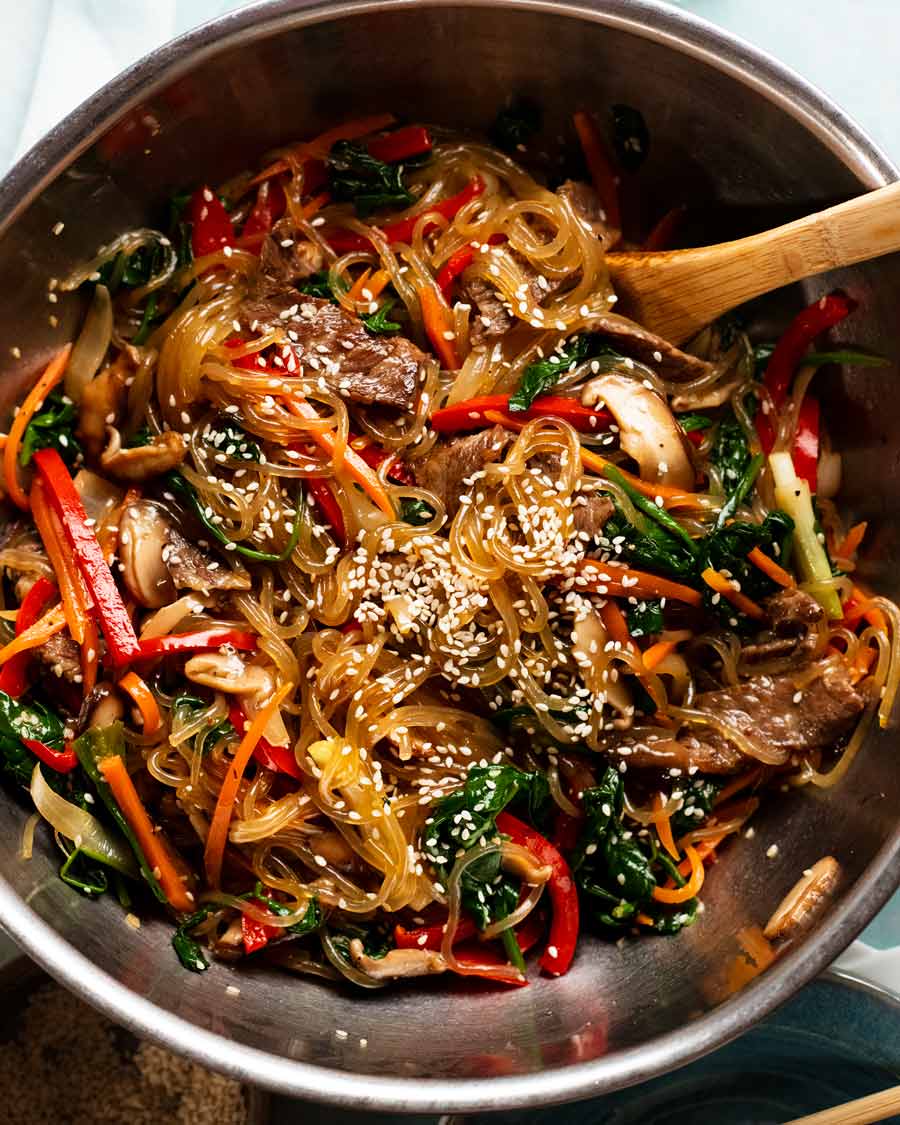
Ssamjang Noodles
- Cook 200g of your favorite wheat or rice noodles.
- Toss them with 2tbsp of ssamjang, a drizzle of sesame oil, and a handful of sliced cucumber.
- Garnish with sesame seeds and a splash of toasted seaweed flakes.
This dish delivers the comforting chew of noodles and the bold bite of ssamjang in one bowl.
Veggie & Lettuce Wraps
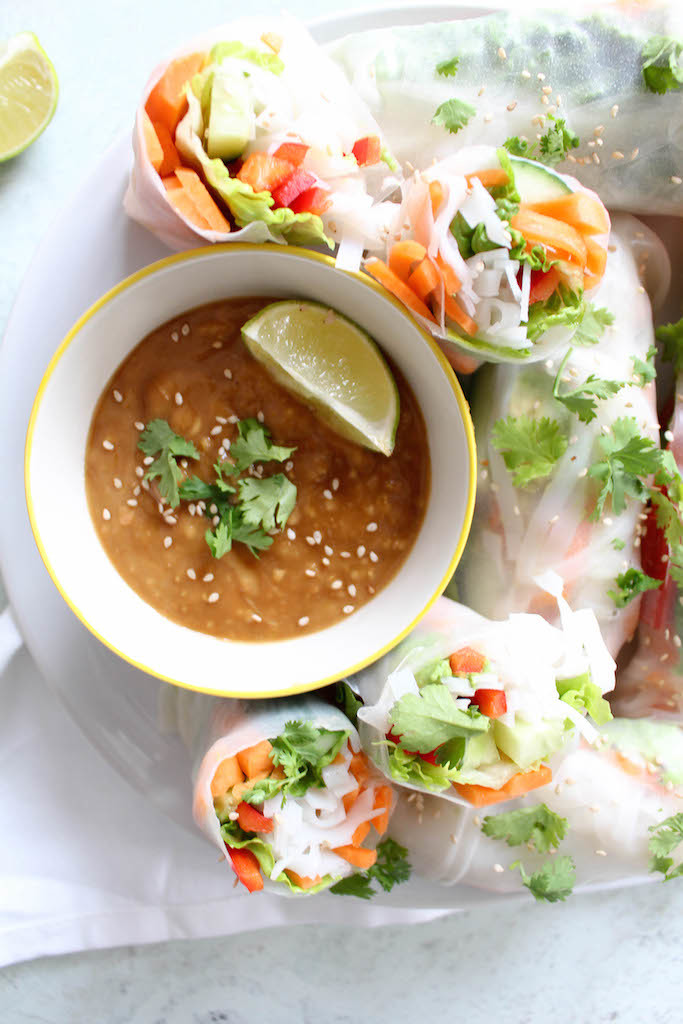
Slice raw carrots, cucumber, and bell pepper. Spoon a thin line of ssamjang onto a lettuce leaf, add the veggies, and roll. Its a fresh, lowcalorie snack that still feels indulgent.
Fusion Tacos
Swap the usual salsa for a dollop of ssamjang on soft corn tortillas. Add Koreanstyle beef bulgogi, kimchi, and a sprinkle of scallions. The result? A taco that feels familiar yet excitingly Korean.
Ssamjang vs. Gochujang
Flavor & Heat
Both sauces share gochujang as a core ingredient, but ssamjang adds fermented soybean paste, which gives it a richer, earthier depth. Gochujang on its own is brighter and hotter, making it ideal for marinades and stews, while ssamjang shines as a dip.
SidebySide Table
| Feature | Ssamjang | Gochujang |
|---|---|---|
| Base | Doenjang + Gochujang | Only Gochujang |
| Heat | MildMedium | MediumHigh |
| Umami | High | Medium |
| Best Use | Dipping, wraps, salads | Marinades, soups, stews |
When to Substitute
If youre out of ssamjang but have gochujang and a jar of miso, try mixing a 2:1 ratio of gochujang to miso. The result will mimic the umami depth, though it wont be perfectly authentic. For a quick fix, many home cooks double the amount of gochujang and add a splash of soy sauce not the same, but passable in a pinch.
Health Benefits & Risks
Nutritional Snapshot
A typical 1tablespoon serving of ssamjang provides roughly 15calories, 2grams of protein, and a modest amount of probiotics from the fermented soybean paste. Those probiotics can aid digestion, while the sesame oil supplies hearthealthy unsaturated fats.
Sodium & Moderation
The sauce can be salty about 400600mg of sodium per tablespoon, depending on the brand. If you watch your blood pressure, consider using a reducedsodium doenjang or diluting the sauce with a bit of water or rice vinegar.
Allergen Alerts & Adaptations
Traditional ssamjang contains soy and sesame, common allergens. Veganfriendly versions exist that replace animalderived sugars with maple syrup. For a glutenfree version, doublecheck that the gochujang you purchase does not include wheat flour (some commercial brands do).
LowSodium Hack
Swap half the doenjang for a lowsodium miso paste, and cut the added sugar. Youll still get that deep umami, but with about 30% less sodium perfect for a hearthealthy dinner.
Expert Insight & Personal Experience
Chefs Perspective
Chef Park Hyunsoo, a certified Korean culinary instructor, tells me that the secret to great ssamjang lies in letting the mixed paste rest at room temperature for at least 15minutes. The brief resting period lets the garlic mellow and the flavors blend, creating a more harmonious dip.
My First Grill Night
I still remember the first time I made this from scratch for a Korean BBQ party. The pork belly sizzled, the lettuce was crisp, and the moment the first bite of meat met the ssamjang, the room fell silent in a good way. I tweaked the recipe that night, adding a dash of lime zest, which gave the sauce a surprise zing that everyone loved.
Further Reading & Credible Sources
For deeper dives into fermentation science, check out the Korean Food Foundations research (available through academic portals). Their studies confirm that the probiotics in doenjang survive the short cooking process, reinforcing ssamjangs reputation as a gutfriendly condiment.
Conclusion
Whether youre a seasoned grill master or a newbie craving that authentic Korean flavor, ssamjang sauce for samgyupsal is a gamechanger. You now have a quick homemade recipe, trusted places to buy it, tasty variations, and the knowledge to enjoy it healthily. Give it a try at your next BBQ, experiment with the noodle or taco ideas, and feel free to share your own twists. Happy dipping, and may every bite be full of umami joy!
FAQs
What ingredients are essential for authentic ssamjang sauce?
The core ingredients are Korean fermented soybean paste (doenjang) and Korean red‑pepper paste (gochujang), plus garlic, toasted sesame seeds, sesame oil, a touch of sugar or honey, and optional green onion.
Can I make ssamjang ahead of time?
Yes. Mix the sauce and let it rest at room temperature for 15 minutes, then refrigerate in an airtight jar. It keeps well for up to two weeks, and flavors improve after a short rest.
How do I adjust the heat level if I prefer it spicier?
Increase the amount of gochujang or add a pinch of Korean chili flakes (gochugaru). For a milder version, reduce the gochujang and add a splash of rice vinegar or lemon juice.
Is ssamjang suitable for low‑sodium diets?
Use reduced‑sodium doenjang or swap half of it with low‑sodium miso, and cut back on added salt. You can also thin the sauce with a little water or vinegar to stretch it without increasing sodium.
Beyond samgyupsal, what are creative ways to use ssamjang?
Use it as a flavor boost in noodle dishes, as a spread for lettuce wraps, or as a fusion taco topping with bulgogi and kimchi. It also works great as a dip for raw veggies or as a stir‑fry sauce.