Why Shirataki Noodles Are a Culinary Gem
Imagine tender, slightly chewy noodles that soak up every bit of savory broth they touch, yet carry almost no calories or carbs. Shirataki noodles deliver exactly that experience. Made from the konjac yam, these translucent noodles are a staple in Asian cuisine, prized for their unique texture and ability to absorb flavors. Whether tossed in a stir-fry or simmered in a rich broth, shirataki noodles bring a satisfying bite with almost zero guilt. Their versatile, neutral flavor makes them a perfect canvas for bold, earthy, or tangy seasonings, fitting effortlessly into modern, health-conscious diets.
Health Benefits & Nutrition
Shirataki noodles are more than just a low-calorie substitute for traditional pasta. They pack a punch with several health benefits:
- Low in Calories and Carbs: With fewer than 20 calories per serving and almost zero net carbs, shirataki noodles support weight management and low-carb diets.
- Rich in Dietary Fiber: These noodles are mostly glucomannan, a water-soluble fiber that promotes digestion and helps regulate blood sugar, as supported by studies published in the Journal of Diabetes Research.
- Gluten-Free and Allergy-Friendly: Shirataki noodles are naturally gluten-free, making them an excellent choice for those with celiac disease or gluten sensitivity.
- Supports Gut Health: The glucomannan fiber acts as a prebiotic, nourishing the gut microbiota, which can boost overall immunity and digestive health.
Safety Note: While shirataki noodles are generally safe, those on blood-thinning medications or pregnant individuals should consult their healthcare provider due to the high fiber content, which may affect nutrient absorption.
Ingredients & Preparation
Recipe Card
| Prep Time | Total Time | Servings | Calories | Diet Tags |
|---|---|---|---|---|
| 15 minutes | 30 minutes | 4 to 6 | Approx. 450 | Gluten-Free, Low-Carb, Vegan Option |
Ingredients List
- 2/3 cup mirin
- 2/3 cup sake
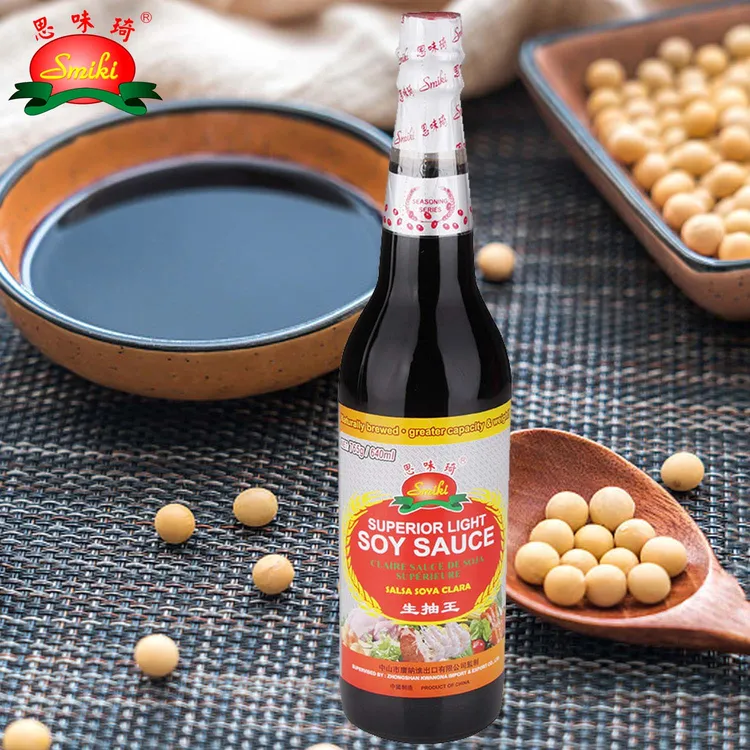
- 2/3 cup soy sauce
- 1 tablespoon granulated sugar (optional)
- Two 8-ounce packages shirataki noodles (spaghetti or fettuccine style)
- 1/2 medium onion, thinly sliced
- 8 ounces bok choy or other leafy greens, quartered lengthwise
- 8 ounces medium carrots, peeled and sliced on a bias
- 1/4 napa cabbage (about 8 ounces), chopped into 1-inch pieces
- 8 ounces firm tofu, drained and cut into 1/4-inch cubes
- 8 ounces shiitake mushrooms, stems removed and thinly sliced
- 1 pound thinly sliced beef (optional, labeled "sukiyaki" at Asian markets)
Equipment Needed
- Large pot or Dutch oven with a lid
- Large measuring cup or bowl for broth mixture
- Colander for rinsing noodles
- Sharp knife and cutting board
- Wooden spoon or spatula
Tips for Choosing Quality Ingredients
- Select fresh, vibrant vegetables free from blemishes or wilting.
- Look for firm tofu with minimal water content for better texture.
- When buying shirataki noodles, prefer brands that offer non-flavored or plain styles for better absorption of broth taste.
- Choose thinly sliced beef labeled "sukiyaki" or "shabu shabu" at Asian grocers for tenderness and quick cooking.

Step-by-Step Instructions
Step 1: Prepare the Broth (5 minutes)
In a large measuring cup, whisk together 2/3 cup mirin, 2/3 cup sake, and 2/3 cup soy sauce until well combined. Stir in 1 tablespoon granulated sugar, if using, until mostly dissolved. Set aside.
Step 2: Rinse and Drain Shirataki Noodles (2 minutes)
Place the noodles in a colander and rinse under cold running water for 1-2 minutes until any odor dissipates. Drain thoroughly to prevent excess water in your dish.
Step 3: Layer Ingredients in Pot (3 minutes)
Arrange sliced onions at the bottom of a large pot. Add the drained shirataki noodles on top. Then pack in the bok choy, carrots, napa cabbage, tofu, and shiitake mushrooms. The vegetables will shrink as they cook.
Step 4: Add Broth and Simmer (6 minutes)
Pour the prepared broth over the layered ingredients. Place the pot over medium-high heat and bring to a gentle boil. Cover with a lid and cook until vegetables are tender, about 4 to 6 minutes.
Step 5: Add Beef and Cook (3 minutes)
Uncover the pot and evenly layer thinly sliced beef on top. Cover again and reduce heat to medium. Cook until the beef is no longer pink, 2 to 4 minutes. If some pieces remain rare, ladle hot broth over them to finish cooking.
Step 6: Serve Warm with Broth (Immediately)
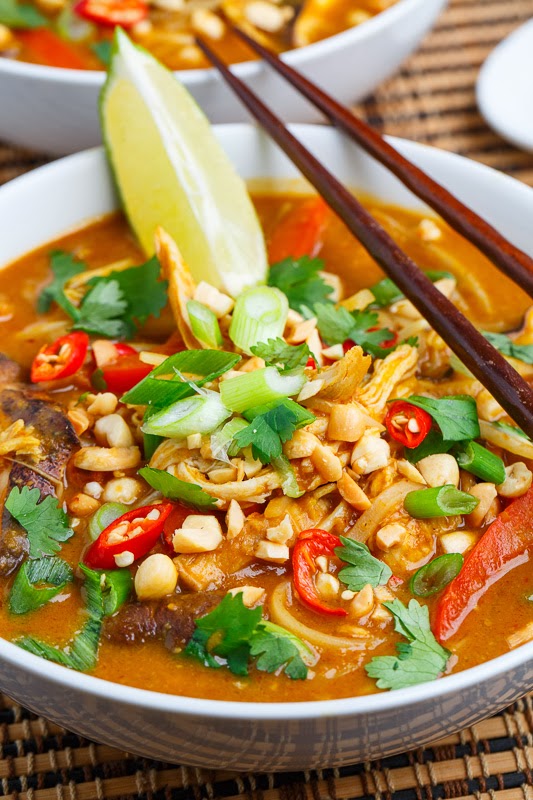
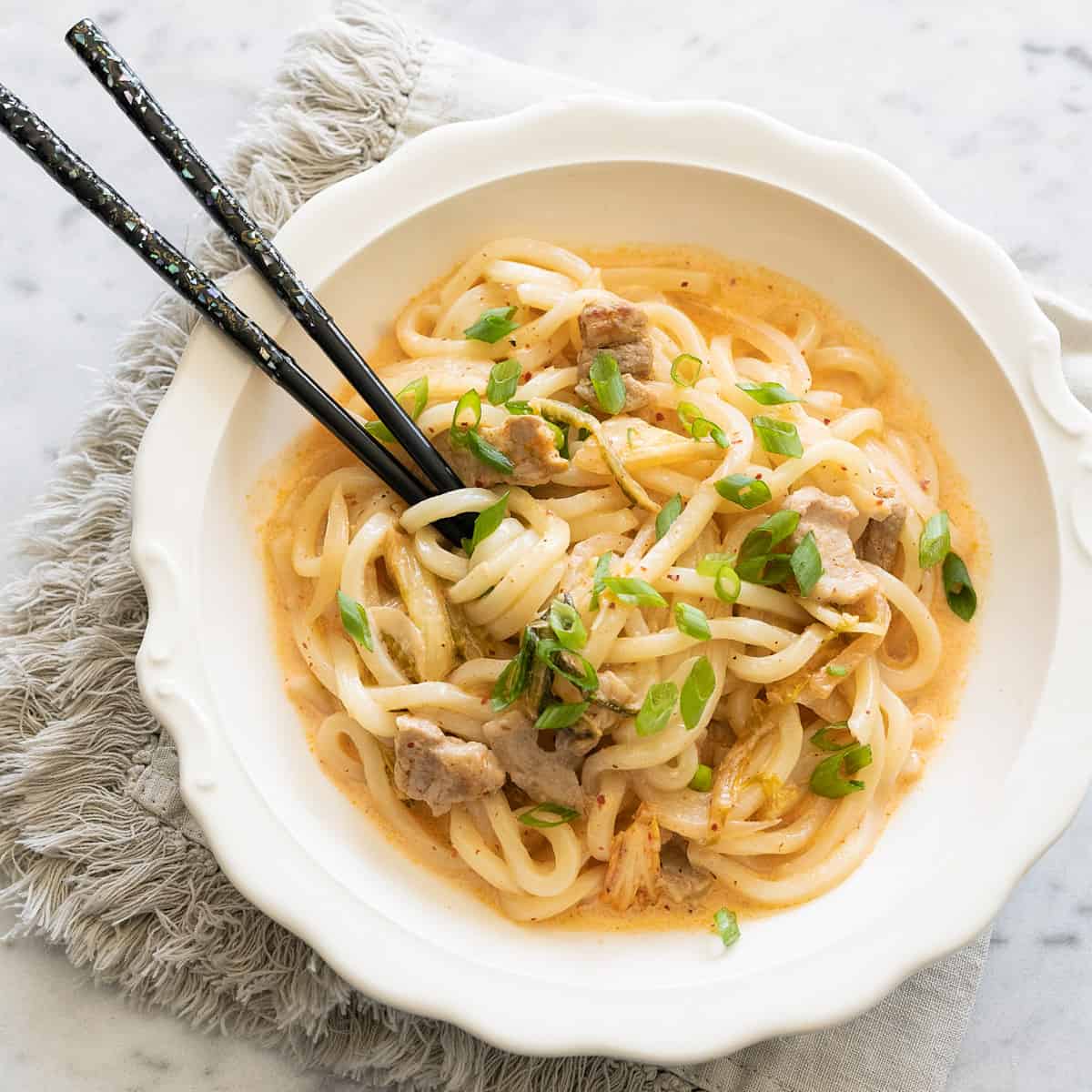
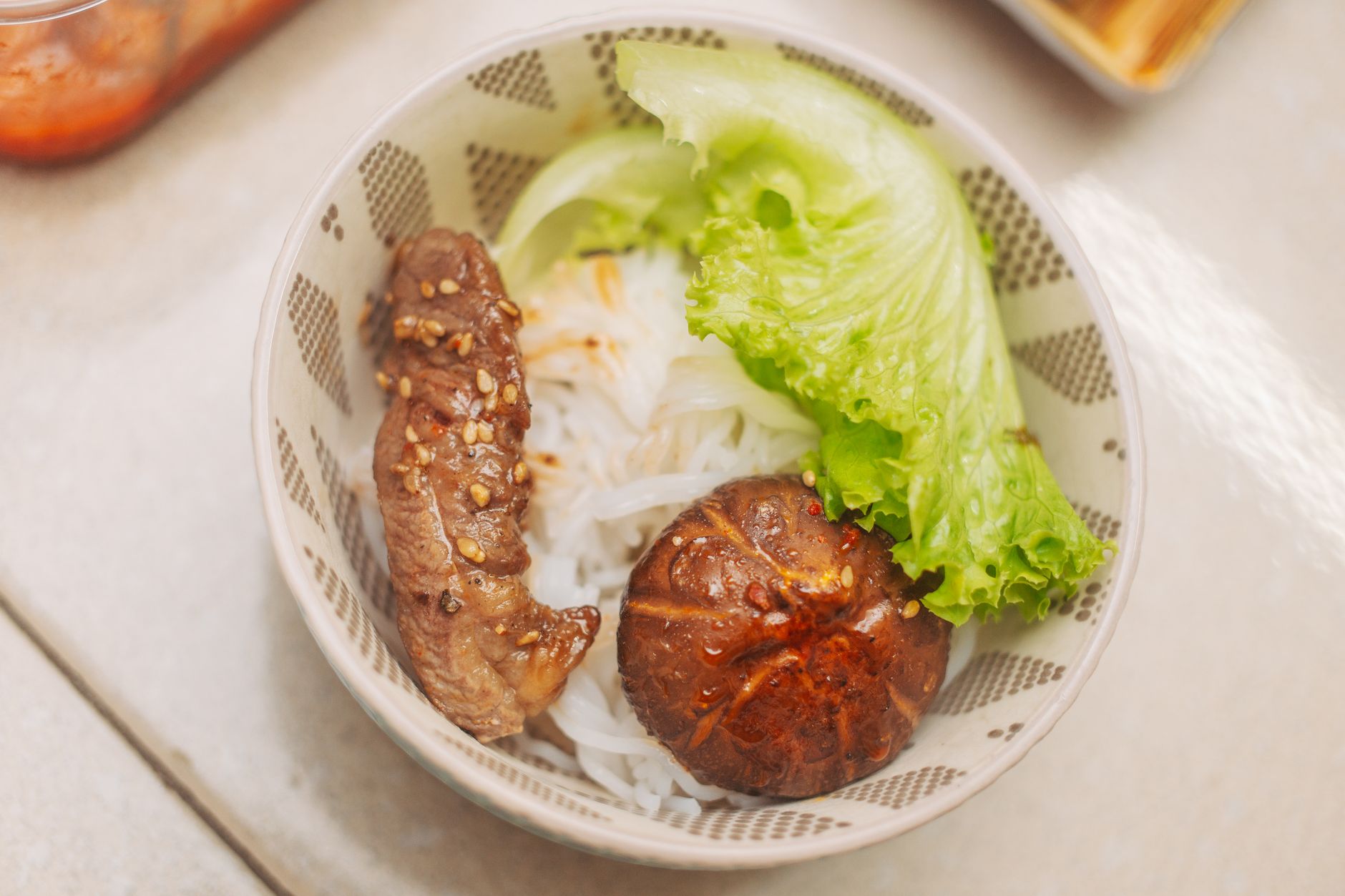
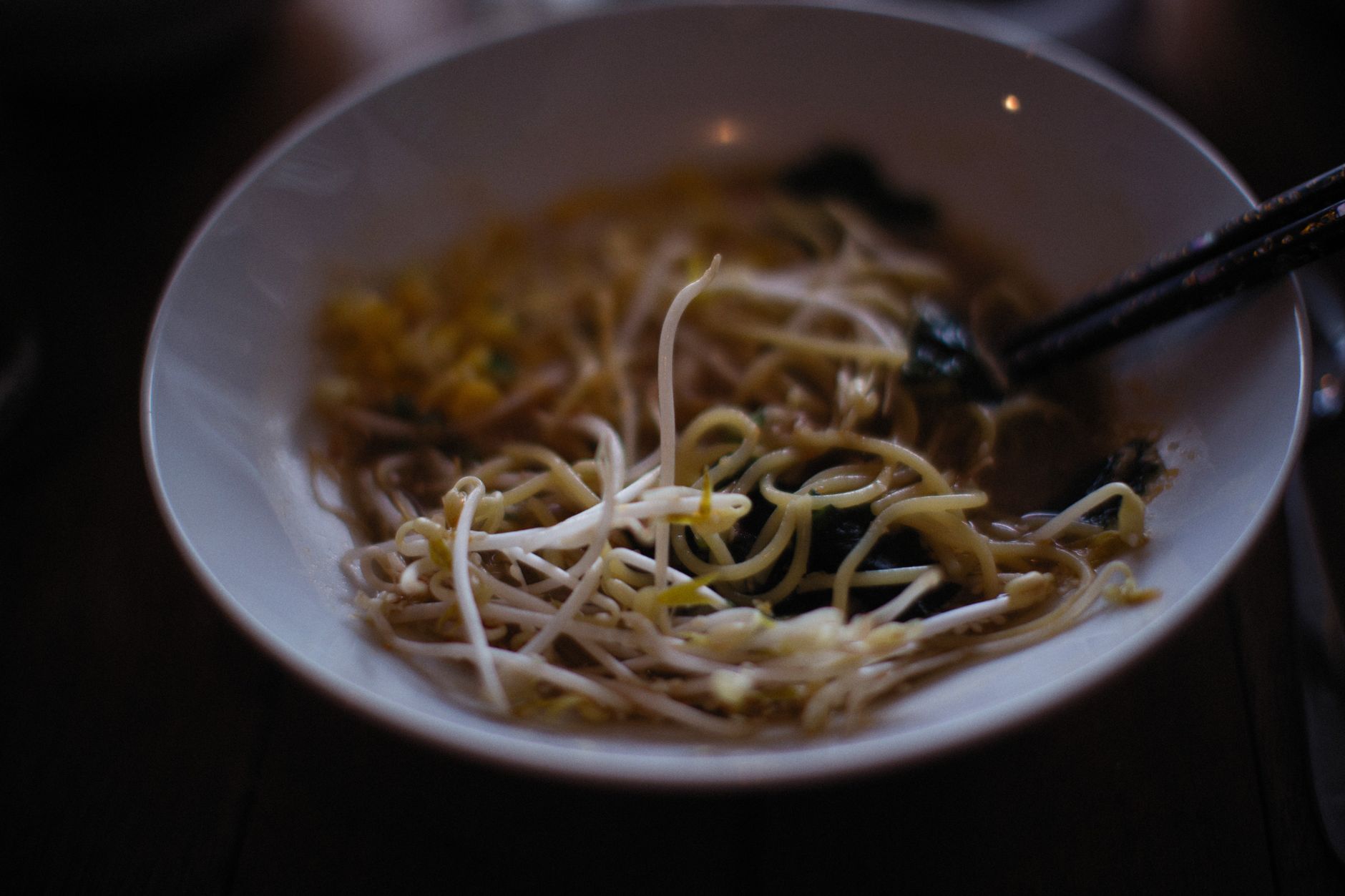
Serve your golden-hued shirataki noodles hot, along with the flavorful broth. This comforting dish is perfect on its own or paired with a tangy side like a creamy soy and sesame dressing salad to balance flavors.
Variations & Substitutions
- Vegetarian or Vegan Version: Omit beef and add extra firm tofu or tempeh. Substitute sake with vegetable broth for a non-alcoholic broth.
- Seafood Twist: Replace beef with shrimp or scallops, adding them in the last 2-3 minutes of cooking to prevent overcooking.
- Spicy Flavor Boost: Add sliced fresh chili or a dollop of chili paste to the broth. Pair with crispy gochujang tofu air fryer for a fiery meal.
- Thicker Noodles: Use fettuccine-style shirataki for a heartier mouthfeel, while spaghetti-style offers a lighter bite.
Storage & Shelf Life
Shirataki noodles are best enjoyed fresh but can be stored properly for convenience:
- Refrigeration: Store leftovers in an airtight container with broth for up to 3 days. Reheat gently on the stove to retain texture.
- Freezing: Freezing cooked shirataki noodles is not recommended as the texture can become rubbery or waterlogged.
- Signs of Spoilage: Watch for sour or off-smells, slimy texture, or discoloration. Discard immediately if any sign is present.
Pro Tips for Perfect Shirataki Noodles
- Rid Any Odor: Rinsing the noodles under cold water removes their natural earthy scent and improves flavor absorption.
- Pat Dry Before Cooking: After rinsing, thoroughly draining and gently patting noodles dry prevents watery dishes and improves texture.
- Simmer in Broth: Cooking shirataki noodles in a seasoned liquid releases their subtle chewiness while soaking up rich flavors.
- Add Protein Last: Thin cuts of beef or seafood cook quickly atop vegetables, preserving delicate texture without overcooking.
- Prevent Staining: Use light-colored cookware to monitor color changes during cooking and avoid tomato or curry sauces that might stain noodles.
When is the best time to eat Shirataki Noodles?
The best time to enjoy shirataki noodles is whenever you crave a light yet satisfying meal. They work wonderfully for low-carb lunches or dinners. Because they absorb flavors well, they‘re perfect to eat hot with broths or stir-fries, making them great for chilly evenings or anytime you want an easy, comforting dish.
Can shirataki noodles be eaten cold?
Yes, after rinsing and draining thoroughly, shirataki noodles can be chilled for refreshing salads or cold dishes. Just toss with your favorite dressing before serving for a light meal.
Are shirataki noodles gluten-free?
Absolutely. Shirataki noodles are made from konjac yam, containing no gluten, making them safe for those with gluten intolerance or celiac disease.
How should I rinse and prepare shirataki noodles?
Rinse under cold water for 1-2 minutes to neutralize the natural odor. Drain well and optionally dry in a hot skillet for 1-2 minutes to improve texture before adding to your recipe.
Can I substitute shirataki noodles for pasta in any recipe?
You can substitute shirataki noodles in most pasta dishes. Keep in mind their unique texture and neutral flavor; they pair best with sauces or broths that impart strong flavor.
Do shirataki noodles need to be cooked?
Though pre-packaged shirataki noodles are technically ready to eat, cooking them in broth or pan-frying enhances their texture and flavor. Simmering allows the noodles to better absorb taste.
Are there any common allergens or sensitivities to consider?
Shirataki noodles are allergy-friendly, but those sensitive to konjac or with rare allergies should avoid. Also, check any added ingredients like soy sauce for allergens.
What is the best way to store leftover shirataki noodles?
Store leftovers in an airtight container with broth in the refrigerator up to 3 days. Avoid freezing to maintain optimal texture and flavor.
More Recipes You Will Love
If you enjoy shirataki noodles, you’ll appreciate the subtly bold flavors of our Creamy soy and sesame dressing. It brings a nutty twist ideal for salads or dipping sauces.
For a spicy protein addition complementing noodle dishes, try the Gochujang tofu air fryer recipe. The crispy, spicy tofu brightens any meal.

Conclusion
Shirataki noodles are a delicious, low-calorie alternative that marry beautifully with savory broths and fresh vegetables. Their unique chewiness and ability to soak up flavors make them a versatile ingredient in Asian cuisine and beyond. Whether you’re crafting a quick weeknight dinner or exploring low-carb options, shirataki noodles offer a simple yet satisfying solution. Share your favorite twists or tips in the comments below—your insight could inspire others on their shirataki journey!
FAQs
When is the best time to eat Shirataki Noodles?
Shirataki Noodles are best enjoyed anytime as a light, low-calorie meal option. They work well for lunch or dinner, especially if you want a healthy, filling dish that fits low-carb or gluten-free diets.
How should Shirataki Noodles be prepared before cooking?
Rinse Shirataki Noodles thoroughly under cold water to remove their natural smell. Then boil briefly or dry-pan them to improve texture and better absorb sauces or broth before adding to your dish.
Are Shirataki Noodles suitable for gluten-free diets?
Yes, Shirataki Noodles are naturally gluten-free since they are made from konjac yam. They are a great pasta substitute for those with celiac disease or gluten sensitivity.
Can Shirataki Noodles be eaten by people on a low-carb diet?
Absolutely. Shirataki Noodles contain almost zero net carbohydrates and very few calories, making them an ideal option for low-carb and ketogenic diets.
Do Shirataki Noodles have any health benefits?
Yes, they are high in glucomannan fiber, which aids digestion, promotes gut health, and helps regulate blood sugar levels. They also support weight management due to their low calorie content.