Why Seafood Cannelloni With Hawaiian Chile Alfredo
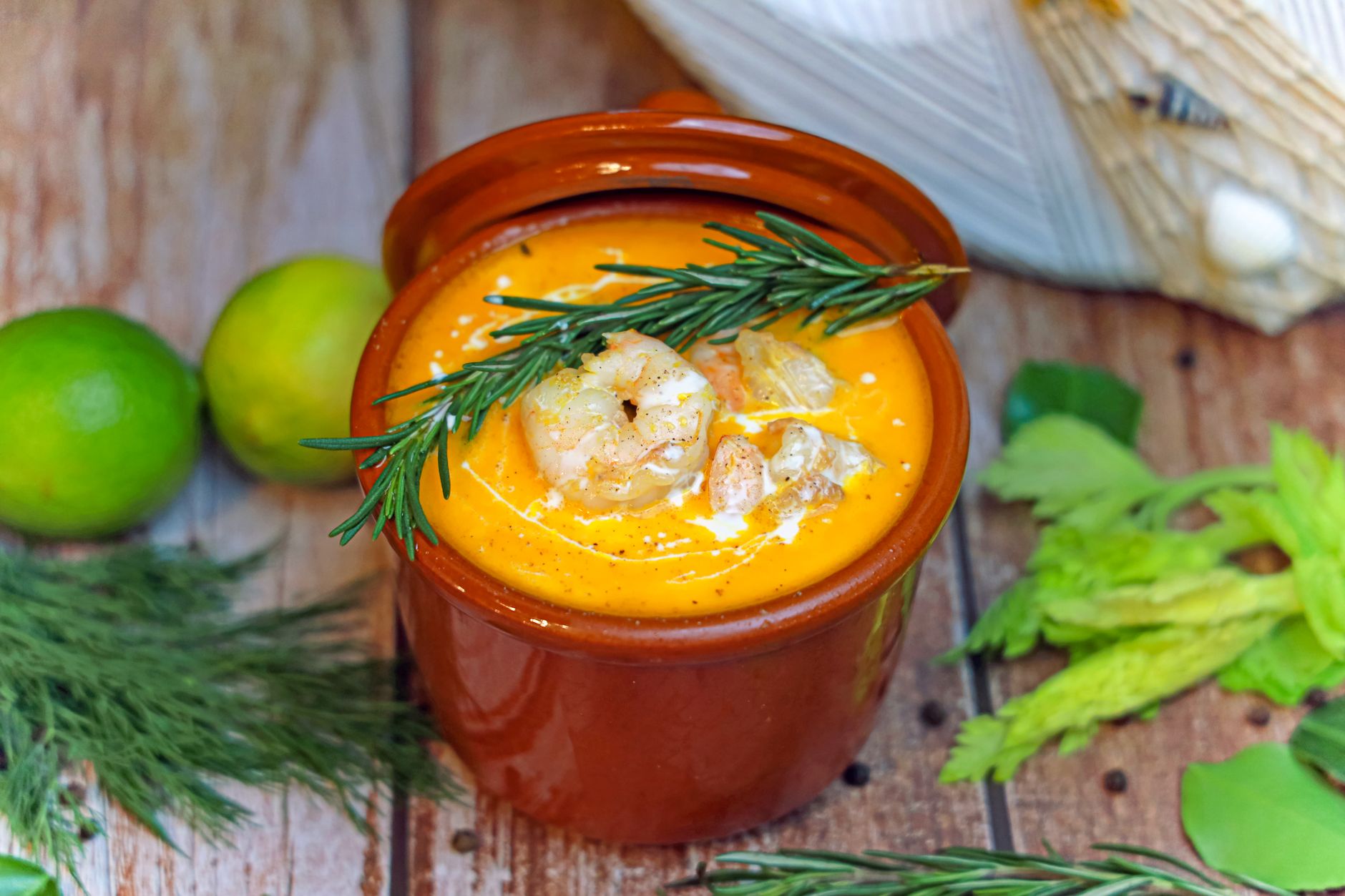
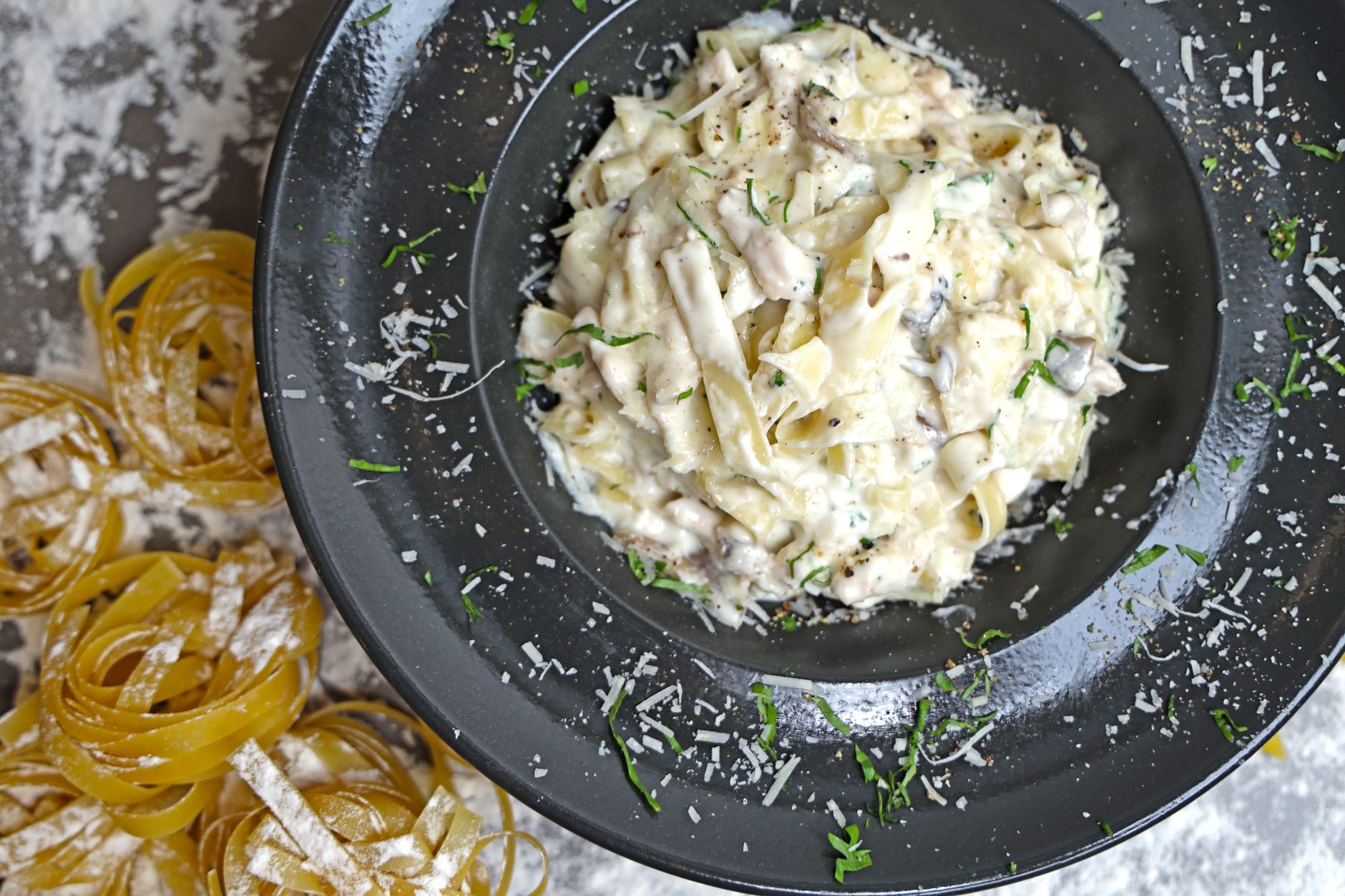
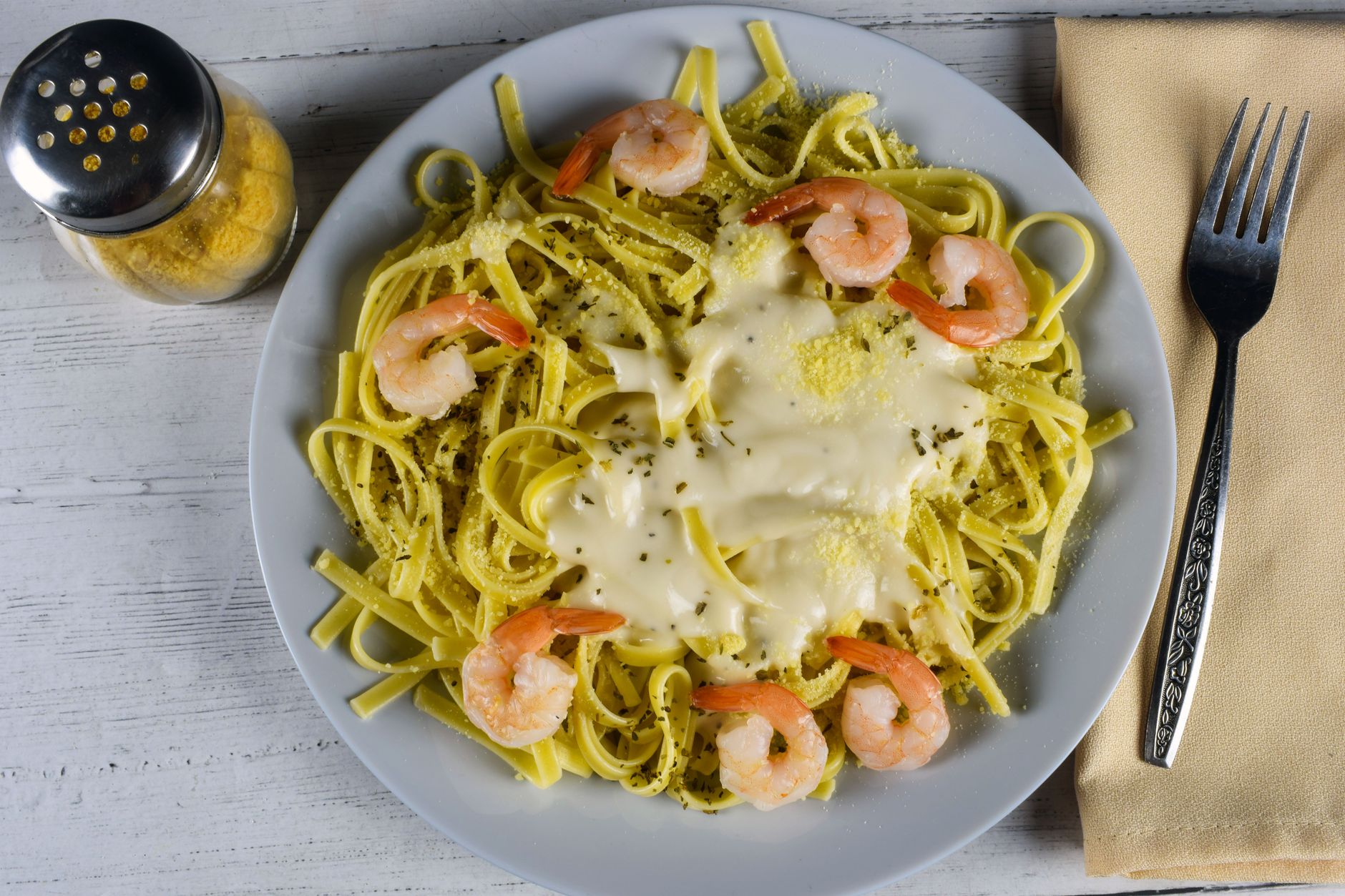
The first thing you notice is the buttery seafood aroma rising from the baking dish, followed by a gentle chile warmth in the creamy sauce. Seafood Cannelloni With Hawaiian Chile Alfredo brings scallops, shrimp, crab, fresh pasta, and rich Italian cheeses together in a restaurant-style baked dish.
Seafood cannelloni with Hawaiian chile Alfredo is a creamy baked pasta filled with scallops, shrimp, crab, ricotta, mascarpone, mozzarella, and Parmesan. Fresh chile cream adds mild heat and acidity without hiding the seafood. This home-size version makes four generous servings and skips the original long chile-aging process for a fresher, faster sauce.
I tested this recipe with both Hawaiian chiles and Fresno chiles. Fresno peppers gave the smoothest heat, while very hot Hawaiian chiles needed a smaller amount. The filling stays moist, but it is firm enough to roll neatly inside fresh pasta sheets.
Health Benefits & Nutrition
This is an indulgent dish rather than a light meal, but it does provide useful nutrients from several whole-food ingredients.
- Seafood provides protein: Scallops, shrimp, and crab contribute protein that helps make each serving satisfying.
- Seafood supplies minerals: Shellfish can provide nutrients such as selenium, zinc, iodine, and vitamin B12. Amounts vary by type and serving size.
- Calcium comes from the dairy: Ricotta, mozzarella, mascarpone, and Parmesan add calcium along with protein and fat.
- Fresh chile adds flavor: Chiles bring brightness and heat, so you can create a bold sauce without adding much sugar.
Each serving contains approximately 760 calories, 42 grams of protein, 34 grams of carbohydrates, and 51 grams of fat. These figures are estimates and can change with the seafood size, pasta brand, cheese, and cream used.
Shellfish, dairy, and wheat are common allergens in this recipe. Use seafood that has been properly refrigerated, and cook the filling until the shrimp are opaque and the dish is bubbling hot. Anyone with allergies, pregnancy-related food concerns, or a medical condition should follow advice from a qualified healthcare professional.
Ingredients & Preparation
Recipe Card
| Prep time | Cook time | Total time | Servings | Calories | Diet tags |
|---|---|---|---|---|---|
| 25 minutes | 20 minutes | 45 minutes | 4 servings | Approximately 760 per serving | High-protein, pescatarian |
Full Ingredient List
- 1/4 cup finely chopped fresh Hawaiian chiles or Fresno chiles
- 1 small garlic clove, roughly chopped
- 1/4 teaspoon kosher salt
- 1 teaspoon white wine vinegar
- 1 cup heavy cream, divided
- 6 ounces sea scallops, patted dry and finely chopped
- 6 ounces peeled and deveined shrimp, patted dry and finely chopped
- 1 tablespoon unsalted butter
- 1 garlic clove, minced
- 6 ounces lump crab meat, picked over for shell fragments
- 1 1/4 cups shredded mozzarella, divided
- 3/4 cup whole-milk ricotta
- 1/2 cup mascarpone
- 1/2 cup finely grated Parmesan, divided
- 8 fresh pasta sheets, each approximately 4 inches by 6 inches
Equipment Needed
- Food processor or small blender
- Large nonstick skillet
- Large mixing bowl
- 9-by-13-inch baking dish
- Small saucepan
- Flexible spatula
- Measuring spoons and cups
Tips for Choosing Quality Ingredients
Choose scallops that smell clean and lightly briny, never sour or strongly fishy. Dry-packed scallops brown more readily, but wet-packed scallops also work after thorough patting with paper towels. For shrimp, medium or large raw shrimp are easiest to chop evenly.
Lump crab gives the filling a pleasant texture. Drain it well and check carefully for shell pieces. Fresh pasta sheets are flexible and roll easily, but refrigerated oven-ready lasagna sheets can work if they are cut to size and softened according to the package directions.
Use whole-milk ricotta for a creamy filling. If it looks watery, place it in a fine-mesh strainer for 10 minutes before mixing. Freshly grated Parmesan melts more smoothly than shelf-stable grated cheese.
Step-by-Step Instructions
1. Make the quick Hawaiian chile cream — 5 minutes
Add the chopped chiles, chopped garlic, kosher salt, and white wine vinegar to a food processor. Blend on high for 45 seconds, scraping once, until a loose red paste forms. Transfer 2 tablespoons of the chile paste to a bowl and stir in 1/2 cup of the heavy cream. Reserve the remaining paste for the Alfredo sauce.
The mixture should smell fresh, garlicky, and slightly sharp. The first time I made this with a particularly hot Hawaiian chile, the sauce overwhelmed the crab. Start with less chile if your peppers are unfamiliar, then add more after tasting the cream.
2. Cook the scallops and shrimp — 4 minutes
Melt the butter in a large nonstick skillet over medium heat, approximately 350°F if using an infrared thermometer. Add the minced garlic and cook for 30 seconds, just until fragrant. Add the chopped scallops, chopped shrimp, and 1 tablespoon of the chile cream.
Cook for 3 to 4 minutes, stirring often. The shrimp should turn opaque pink, and the scallops should lose their translucent center. Remove the skillet from the heat immediately. Overcooked seafood becomes rubbery after the cannelloni goes into the oven.
3. Mix and portion the filling — 5 minutes
Transfer the warm seafood to a large mixing bowl. Fold in the crab, 3/4 cup mozzarella, ricotta, mascarpone, and 1/4 cup Parmesan. Stir gently until combined, leaving a few small crab pieces visible.
Divide the mixture into eight portions, about 1/2 cup each. Portioning before rolling prevents the first cannelloni from becoming overfilled while the last one gets a thin layer.
4. Roll and bake the cannelloni — 12 minutes
Heat the oven to 400°F. Spread one portion of filling in a narrow log along the lower third of each pasta sheet. Roll each sheet firmly but gently, then arrange the rolls seam-side down in a lightly greased 9-by-13-inch baking dish.
Sprinkle the remaining 1/2 cup mozzarella over the rolls. Bake uncovered at 400°F for 10 to 12 minutes. The pasta edges should be tender, the cheese melted, and the surface lightly golden. I found that baking longer than 12 minutes dried the exposed pasta edges, so remove the dish as soon as the cheese is bubbling.
5. Finish the chile Alfredo and serve — 8 minutes
While the cannelloni bakes, combine the remaining 1/2 cup heavy cream and 1 tablespoon of the reserved chile paste in a small saucepan. Bring to a gentle simmer over medium-low heat, then cook for 5 minutes, stirring occasionally.
Whisk in the remaining 1/4 cup Parmesan and cook for 2 to 3 minutes more. The sauce is ready when it coats the back of a spoon and a whisk dragged through it leaves a line for a moment. Taste before adding salt because the Parmesan and seafood already provide seasoning.
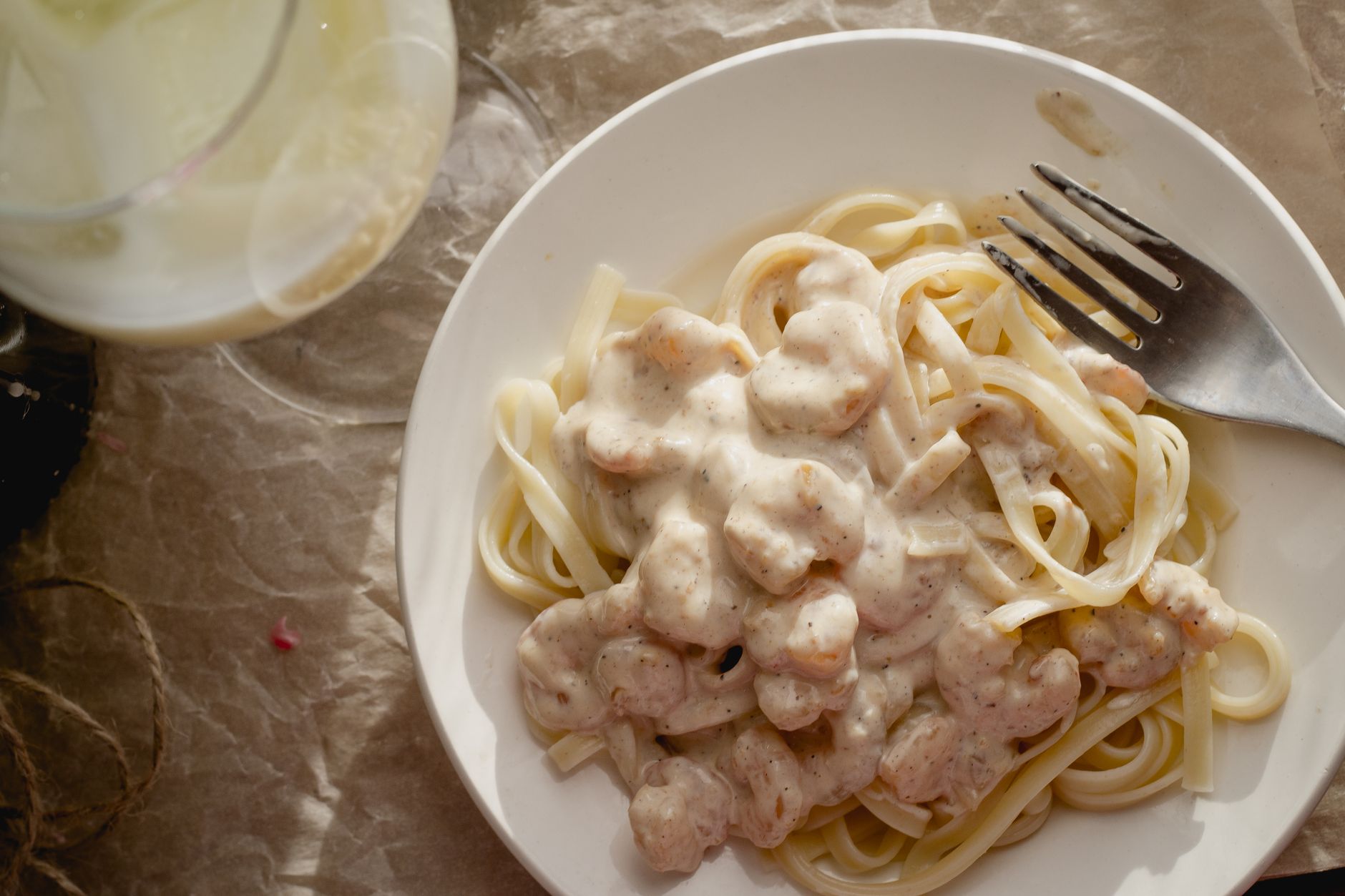
Spoon the warm Alfredo onto four plates and place two cannelloni rolls on each plate. Serve immediately while the sauce is silky and the filling is hot.
Variations & Substitutions
- Use milder peppers: Replace the Hawaiian chiles with 1/4 cup chopped Fresno peppers for a moderate, fruity heat. For a very mild sauce, use 2 tablespoons roasted red pepper plus 1 tablespoon Fresno pepper.
- Make it lobster-forward: Replace the crab with 6 ounces cooked lobster meat. Fold it in at the same point, but keep the pieces slightly larger so they do not disappear into the filling.
- Replace mascarpone: Use 1/2 cup softened cream cheese mixed with 2 tablespoons heavy cream. The filling will be slightly tangier but will still roll well.
- Use no-boil lasagna sheets: Cut four wide sheets in half to create eight pieces, then soften them in hot water for 3 minutes. Pat dry before filling.
- Add greens: Fold 1/2 cup finely chopped cooked spinach into the filling. Squeeze it very dry first, or excess water can make the pasta slippery and dilute the sauce.
I tested a version with canned tuna, but it did not work as well. Its stronger flavor and drier texture competed with the chile cream, so fresh shrimp, scallops, crab, or lobster are better choices here.
Storage & Shelf Life
Refrigerate leftover cannelloni within 2 hours of cooking. Store the pasta and Alfredo sauce in separate airtight containers for up to 3 days. Keeping them apart prevents the pasta from absorbing all the sauce.
To reheat, place the cannelloni in a covered baking dish with 1 tablespoon of water or cream. Warm at 325°F for 15 to 20 minutes, until the center is hot. Reheat the sauce in a saucepan over low heat, stirring in 1 teaspoon of cream if it has thickened too much.
For freezing, assemble the unbaked cannelloni without the Alfredo sauce. Wrap the baking dish tightly in plastic wrap and foil, then freeze for up to 2 months. Thaw overnight in the refrigerator and bake at 375°F for 20 to 25 minutes, adding the mozzarella topping before baking.
Discard leftovers that smell sour, develop a slimy surface, show mold, or have been left at room temperature for several hours. Do not taste food to determine whether it is safe.
Pro Tips
- Control the chile extraction: Blending the peppers with vinegar creates a sharper, brighter chile paste. Cooking that paste briefly with cream softens the raw garlic edge and rounds the heat.
- Keep the seafood pieces small: Pieces about 1/4 inch cook quickly and distribute through the filling. Larger chunks can make the pasta rolls split.
- Do not overmix the crab: Fold it in after the scallops and shrimp have cooked. Gentle mixing preserves the sweet, flaky texture.
- Prevent sticking: Grease the baking dish lightly and place every roll seam-side down. If a pasta sheet feels dry, cover the prepared sheets with a damp, clean towel while you work.
- Balance the sauce: Taste the Alfredo after the Parmesan melts. If the cream tastes heavy, add a few drops of white wine vinegar rather than a large amount of salt.
- Keep the sauce smooth: Use low to medium-low heat after adding Parmesan. A hard boil can make the cheese tighten and give the sauce a grainy texture.
- Serve with contrast: A crisp green salad or lightly dressed watercress helps balance the rich filling. A seafood side such as Grilled fingerling potato salad with lobster and watercress recipe 1948688 also works well for a larger meal.
Questions & Answers
When is the best time to eat Seafood Cannelloni With Hawaiian Chile Alfredo?
The best time to eat this dish is immediately after baking, while the seafood filling is hot and the Alfredo sauce is smooth. Let the cannelloni rest for 2 minutes after it leaves the oven, then plate it. This short rest helps the filling settle without allowing the pasta to absorb too much sauce.
Can I prepare the cannelloni ahead of time?
Yes, you can assemble the cannelloni up to 8 hours ahead and refrigerate it covered. Keep the Alfredo sauce separate and make it just before serving. Take the baking dish from the refrigerator while the oven heats, then add about 5 minutes to the baking time.
Can I use frozen seafood?
Yes, frozen seafood works when it is thawed completely and dried thoroughly. Thaw scallops and shrimp overnight in the refrigerator, then pat them dry several times. Excess moisture can make the filling watery and prevent the seafood from sautéing properly.
How hot is the Hawaiian chile Alfredo?
The heat level depends on the pepper variety and amount used. Fresno chiles create moderate warmth, while some Hawaiian chiles can be considerably hotter. Begin with half the chile paste in the cream, taste, and add more gradually until the sauce suits your preference.
Why did my Alfredo sauce become grainy?
A grainy Alfredo sauce usually results from overheating the Parmesan or boiling the cream too aggressively. Keep the saucepan at a gentle simmer and whisk in the cheese over low heat. Freshly grated Parmesan melts more evenly than pre-grated cheese.
Can I make this recipe without mascarpone?
Yes, replace the mascarpone with 1/2 cup softened cream cheese mixed with 2 tablespoons heavy cream. The filling will have a slightly sharper flavor and a firmer texture. Let the cream cheese soften first so it blends without leaving lumps.
What should I serve with seafood cannelloni?
Serve it with a crisp salad, steamed green beans, or lightly dressed watercress. Avoid another heavy cream-based side because the cannelloni is already rich. For a more casual seafood spread, pair it with a Crawfish boil recipe 1947069 and keep the cannelloni portions smaller.
More Recipes You Will Love
If you enjoy creamy seafood and fresh herbs, pair this pasta with a sharp green salad or a simple lemon-dressed vegetable. The acidity cuts through the mascarpone and keeps the meal from feeling too heavy.
For a seafood-centered menu, the Grilled fingerling potato salad with lobster and watercress recipe 1948688 offers smoky potatoes, tender lobster, and peppery greens. It is especially useful when you want a make-ahead side.
If you are feeding a crowd, the Crawfish boil recipe 1947069 brings a more relaxed, hands-on style to the table. Both recipes benefit from chilled sparkling water or a crisp, dry white wine.
Conclusion
Seafood Cannelloni with Hawaiian Chile Alfredo looks special, but the method is manageable once the filling is portioned before rolling. Keep the seafood just cooked, use gentle heat for the Parmesan sauce, and adjust the chile gradually. The result is creamy, sweet, savory, and pleasantly warm. If you make it, leave a rating or share a comment about the pepper you used and how spicy your sauce turned out.
FAQs
When is the best time to eat Seafood Cannelloni With Hawaiian Chile Alfredo?
The best time to eat it is right after baking, while the cream sauce is bubbling and the pasta is tender. It works well as a dinner for guests or a special weeknight meal. Serve it hot, since the seafood and cheese texture is best when freshly baked.
Can I make seafood cannelloni ahead of time?
Yes, you can assemble the cannelloni a day ahead and keep it covered in the refrigerator before baking. If it goes into the oven cold, bake it a little longer and check that the center is hot. Make sure the shrimp are opaque and the dish is bubbling before serving.
Can I use Fresno chiles instead of Hawaiian chiles?
Yes, Fresno chiles work well as a substitute and give the sauce a smoother heat. Hawaiian chiles are much hotter, so if you use them, start with a smaller amount and taste the sauce before adding more. The flavor will be brighter and more intense with Hawaiian chiles.
Why is my seafood cannelloni filling watery?
Excess moisture is the most common cause of a watery filling. Pat the scallops and shrimp dry before chopping, and squeeze or drain the crab meat well. Cooking the filling in a nonstick skillet until most of the liquid evaporates helps it stay thick enough to roll inside the pasta.
Can I freeze leftover seafood cannelloni?
Freezing is not ideal because the cream sauce and seafood can turn grainy or rubbery after thawing and reheating. Refrigerate leftovers promptly in a sealed container and eat them within a few days. Reheat until steaming hot throughout before serving.