Why Royal Icing Is a Must-Have for Every Baker
Imagine a frosting so pure and white, it hardens into a smooth, firm finish that perfectly showcases your cake or cookie artistry. Royal icing offers that exact magic. Known for its flawless, glossy appearance and ability to dry rock hard, it’s the go-to choice for detailed piped decorations, intricate flowers, and delicate bows. This versatile icing elevates your baked goods with elegant designs that last. Because royal icing holds its shape so well, it’s a favorite in baking competitions and festive events alike.
Health Benefits & Nutrition
Royal icing’s main component is confectioners’ sugar, which provides quick energy but should be consumed in moderation. Its simplicity means fewer additives and preservatives compared to some other frostings.
- Low Fat Content: This icing has essentially zero fat, making it a lighter option compared to buttercream or cream cheese frostings.
- Simple Ingredients: Using mainly sugar, egg whites (or meringue powder), and water reduces the risk of allergens related to dairy or nuts.
- Safe Preservation: When prepared with pasteurized egg whites or meringue powder, it minimizes the risk of foodborne illness from raw eggs.
- Caution for Allergies: Contains egg whites; not suitable for those with egg allergies or pregnant women unless using meringue powder alternatives.
Scientific sources underscore that pasteurized egg white products provide a safer alternative without compromising the structure of the icing (Journal of Food Protection, 2019).
Ingredients & Preparation
Recipe Card
| Prep Time | Total Time | Servings | Calories (per serving) | Diet Tags |
|---|---|---|---|---|
| 5 minutes | 5 minutes | 6 servings (approx. 2 ½ cups) | 322 | Gluten-free, Fat-free (if using meringue powder), Vegetarian |
Ingredient List
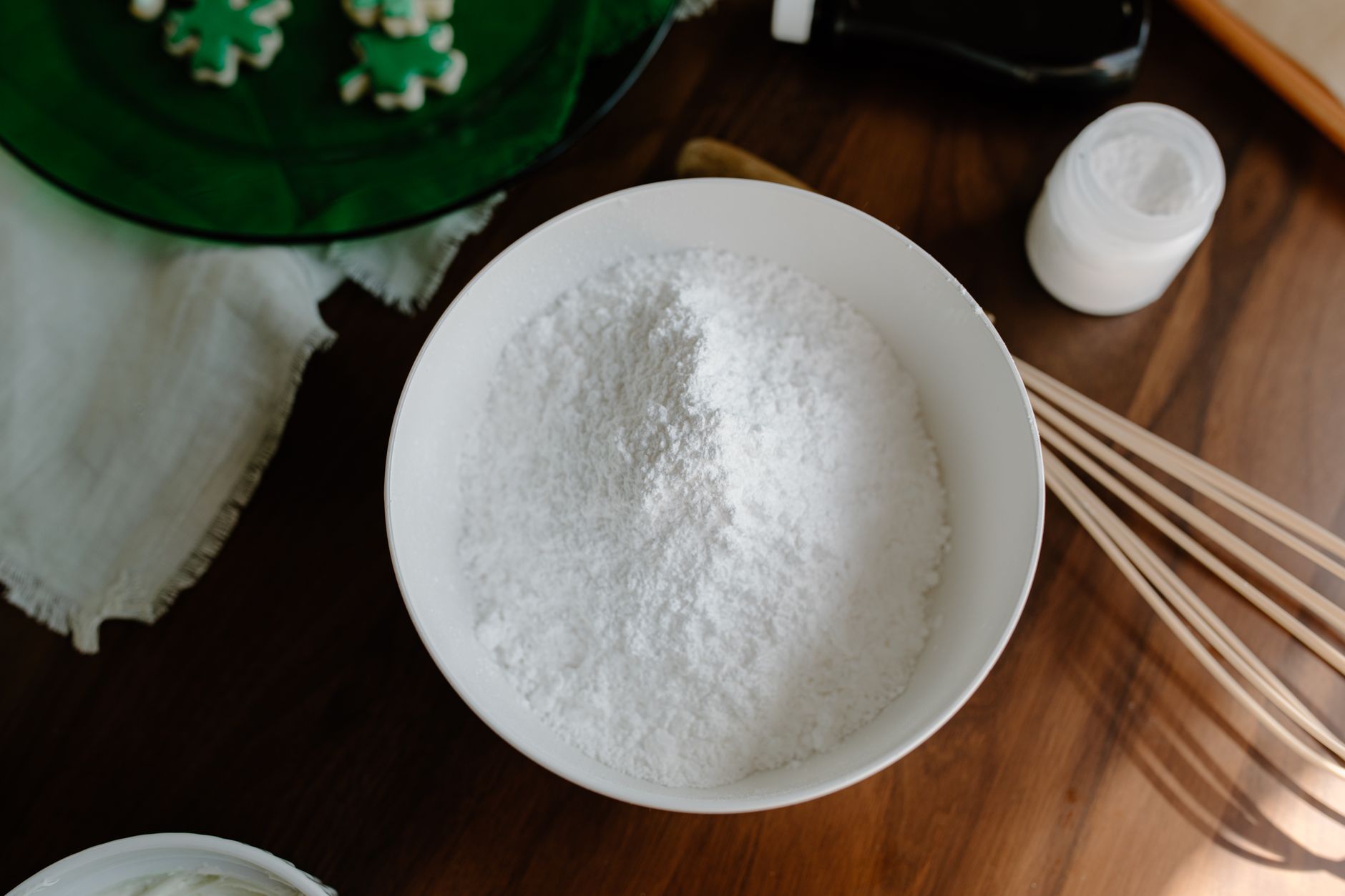
- 1 pound (4 cups) confectioners’ sugar, sifted
- 5 tablespoons meringue powder (preferred for safety and stability)
- ½ cup minus 2 tablespoons water
- Alternative: 2 large egg whites (room temperature)
- ½ teaspoon cream of tartar
- 2 teaspoons water (if using egg whites)
Equipment Needed
- Electric stand mixer or hand mixer
- Mixing bowl
- Sifter for confectioners’ sugar
- Rubber spatula
- Measuring spoons and cups
- Storage container with airtight seal
Tips for Choosing Quality Ingredients
- Use fresh, room temperature egg whites if not using meringue powder to achieve better volume and stability.
- Select superfine confectioners’ sugar without cornstarch additives for a smoother texture.
- Choose fresh cream of tartar to help stabilize egg whites and improve icing firmness.
- Meringue powder is safer and easier to store, ideal for beginners or high-humidity environments.
Step-by-Step Instructions
Step 1: Prepare Ingredients (2 minutes)
Sift confectioners’ sugar into a large bowl to remove lumps. If using egg whites, separate them from the yolks and let them reach room temperature. Measure the meringue powder or cream of tartar precisely.
Step 2: Blend Ingredients on Low Speed (1 minute)
Combine meringue powder with water and confectioners’ sugar in the mixer bowl. Mix on low speed to blend the dry and wet ingredients evenly.
Step 3: Whip on Medium Speed to Stiff Peaks (4–5 minutes)
Increase mixer speed to medium. Beat the icing until it forms stiff, glossy peaks that hold their shape firmly—this usually takes about 5 minutes.
Step 4: Adjust Consistency as Needed (1 minute)
If the icing is too soft, add sugar by the tablespoon. If too stiff, add a few drops of water at a time to reach your desired consistency.
Step 5: Use or Store Properly (Immediate)
Use your royal icing immediately for piping or spreading. If storing, cover the bowl tightly with a damp cloth or plastic wrap to prevent drying out.

Variations & Substitutions
- Egg White Substitute: Use 5 tablespoons meringue powder with water instead of raw egg whites for a safer alternative, especially important for children or sensitive groups.
- Flavored Royal Icing: Add ½ teaspoon of lemon juice or vanilla extract for a subtle tang or sweet aroma. Use clear extracts to maintain icing color.
- Color Customization: Mix in gel-based food coloring sparingly to avoid altering consistency; use fresh colors for vibrant effects.
- Vegan Option: Use aquafaba (chickpea water) whipped similarly to egg whites, along with powdered sugar and cream of tartar, although texture may vary.
Storage & Shelf Life
Royal icing stored in an airtight container at room temperature retains quality for up to two weeks. Before use, gently stir the icing to restore its original smooth consistency—but avoid re-whipping as this breaks down the structure.
Refrigeration is not recommended as it encourages moisture condensation and can make the icing sticky or soft. If freezing is attempted, pack tightly in an airtight container and thaw at room temperature. Expect slight texture changes after freezing.
Watch out for discoloration, off smells, or mold as signs your icing has spoiled and should be discarded.
Pro Tips for Perfect Royal Icing Every Time
- Use fresh, room temperature egg whites or meringue powder for a glossy finish and better peak formation.
- Beat at medium speed for 5 minutes to create stiff peaks that hold intricate piping shapes flawlessly.
- Add powdered sugar gradually—too much can make your icing brittle; too little, and it won’t hold its shape.
- Prevent cracking by adding a few drops of lemon juice or glycerin to improve flexibility.
- To avoid staining delicate decorations, handle colors carefully and use gloves when mixing vivid pigments.
When is the best time to use Royal Icing?
Royal icing is ideal when your decorations require firm drying and durability. Use it immediately after mixing for piping details or cover your cake. Allow at least 24 hours for decorations to dry completely at room temperature. For assembling sugar flowers or cookies, apply when dry for extra strength.
Can I use raw egg whites safely in royal icing?
Raw egg whites carry a risk of foodborne illness. Use pasteurized egg whites or meringue powder to minimize this risk, especially around children, pregnant women, or immunocompromised individuals.
How can I fix royal icing that’s too thick or too thin?
If too stiff, add water very slowly, one drop at a time. If too runny, mix in more sifted confectioners’ sugar, a tablespoon at a time, until the right consistency is reached.
Does royal icing hold up well in humid environments?
Royal icing does not perform well in high humidity. The moisture can soften the hard finish and cause decorations to lose shape or become sticky.
Can I store leftover royal icing for later use?
Yes. Store royal icing in an airtight container at room temperature for up to two weeks. Stir gently before use, but avoid re-beating, which can break down the structure.
What’s the difference between royal icing and buttercream?
Royal icing dries hard and glossy, perfect for detailed decorations. Buttercream remains soft and creamy, ideal for spreading and piping without hardening.
How do I get a bright white color in royal icing?
Use bright white confectioners’ sugar and meringue powder. Avoid egg whites if you want maximum whiteness, as they can add a slight yellow tint.
Can I add flavor extracts to royal icing?
Yes, clear extracts like vanilla or lemon work best. Use sparingly to avoid affecting the icing’s consistency or color.

More Recipes You Will Love
If you enjoy working with royal icing, you might also appreciate creating the perfect dough for your baked bases. The Traditional bierocks dough recipe offers a delicious and sturdy option to complement your decorated treats.
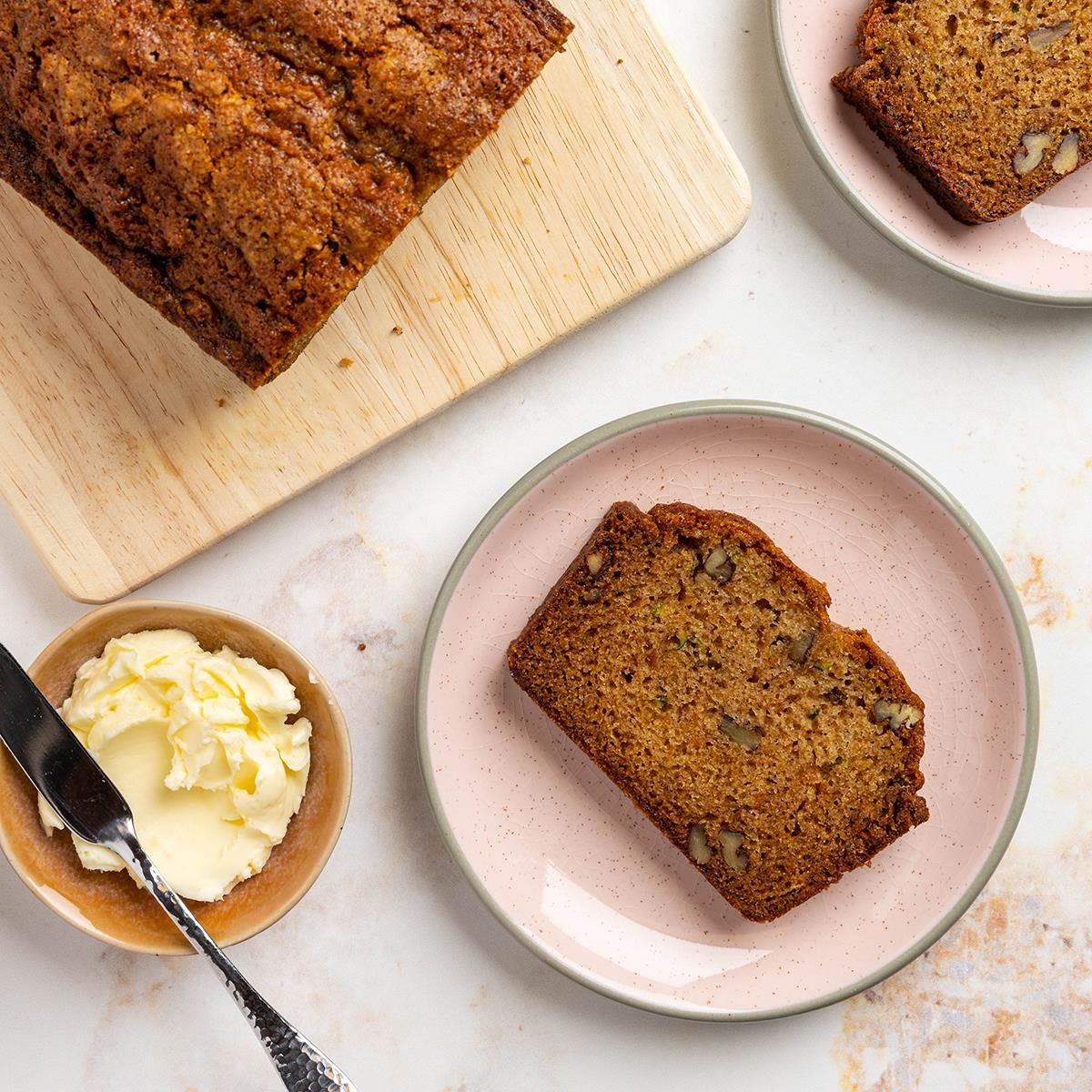
For a sweet baked good that pairs beautifully with iced cookies, try the tender and moist Banana bread recipe 1969572. Its warm aroma and comforting texture make it a classic favorite.
Conclusion
Royal icing is an essential skill in your baking repertoire. Its bright white finish and sturdy texture allow you to bring your creative visions to vivid life, whether you’re piping intricate patterns or covering festive cookies. With a few simple ingredients and helpful techniques, you’ll master royal icing in no time. Feel free to share your royal icing successes, questions, or personal tips in the comments below. Happy decorating!
FAQs
When is the best time to use Royal Icing?
Royal icing is best used when you want a smooth, hard finish that holds intricate designs, such as on decorated cookies or detailed cake borders. Apply it fresh for piping decorations, then allow it to dry completely for lasting results.
Can I store royal icing for later use?
Yes, royal icing can be stored in an airtight container for several days at room temperature. For longer storage, keep it in the refrigerator and bring it back to room temperature, then stir before use.
Is royal icing safe to eat raw?
Royal icing made with pasteurized egg whites or meringue powder is safe to eat. Traditional recipes using raw egg whites pose a slight health risk, so it's best to use pasteurized products, especially for young children and pregnant women.
How can I adjust the consistency of royal icing?
To thicken royal icing, add more sifted confectioners’ sugar a little at a time. To thin it, add a few drops of water gradually until you reach the desired texture for piping or flooding.
What is the difference between royal icing and buttercream frosting?
Royal icing dries hard and is ideal for detailed decorations, while buttercream remains soft and creamy, perfect for spreading and simple frosting. Royal icing is typically made from sugar and egg whites or powder; buttercream uses butter or shortening.