Introduction
Root vegetable salad with goat cheese blends vibrant seasonal root vegetables with creamy, tangy cheese. This recipe offers an easy way to enjoy a warm salad preparation thats both nutritious and satisfying. Perfect for those searching for gluten-free lunch ideas, it balances sweet, earthy flavors with a smooth dressing. Ready in under an hour, this salad suits busy weekdays or relaxed weekend meals.
Key Highlights
Flavor Profile and Texture Balance
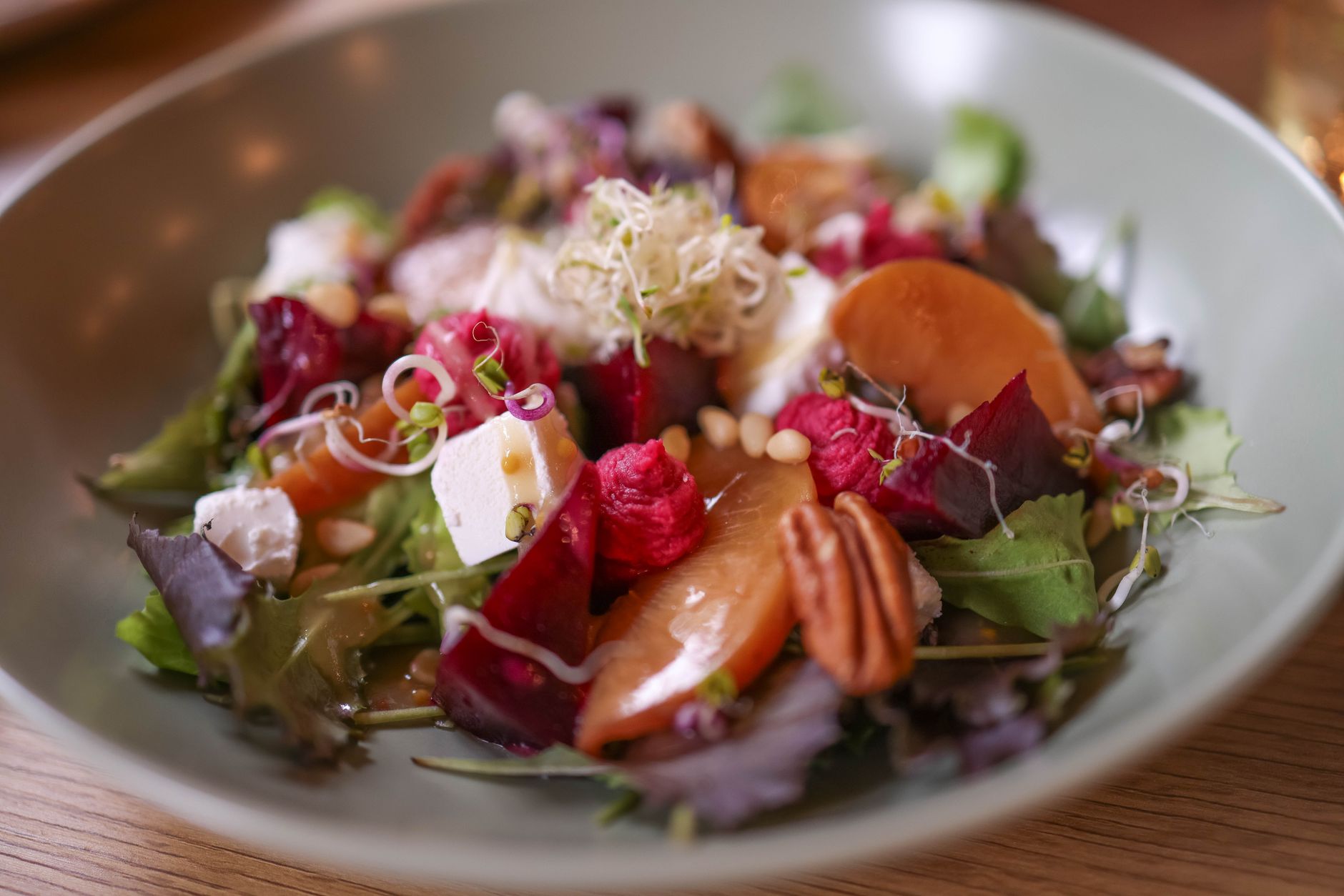
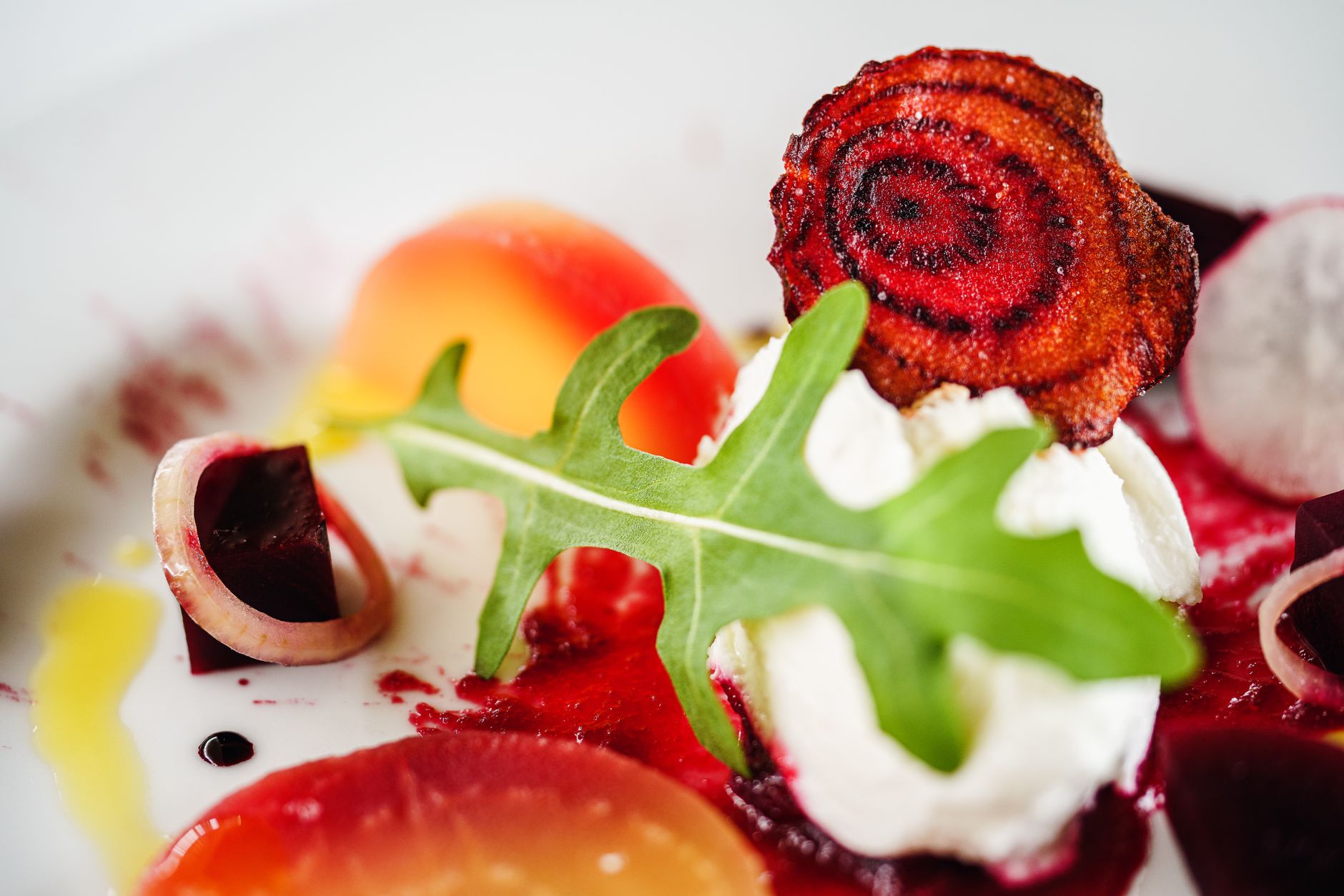
The roasted root vegetable salad features golden carrots, sweet beets, and tender sweet potatoes. Roasting brings out their natural sweetness and adds caramelized edges. Crumbled goat cheese creates a creamy contrast, while fresh thyme and balsamic vinegar in the goat cheese salad dressing add herbal brightness and tang. The mix of crispy edges and soft centers gives each bite an inviting texture harmony.
Versatility and Seasonal Appeal
Root vegetables vary by season, so this salad easily adapts. Use whatever fresh, seasonal root vegetables you find, like parsnips or turnips, to keep the salad exciting year-round. This flexibility makes it a great addition to healthy lunch recipes. Its tasty served warm or at room temperature, making it perfect for meal prep or quick lunches.
Who Should Exercise Caution
Though this salad is generally gluten-free and wholesome, those with dairy intolerance might want to swap out goat cheese for a plant-based alternative. Pregnant women should ensure their goat cheese is pasteurized. Anyone with allergies to nuts (if adding toppings) or herbs should double-check ingredients carefully before eating.
Ingredients & Preparation
| Prep time | Total time | Servings | Calories | Diet tags |
|---|---|---|---|---|
| 15 minutes | 45 minutes | 4 | Approx. 320 per serving | Gluten-Free, Vegetarian |
Ingredients List with Exact Quantities & Substitutions
- 2 medium carrots, peeled and chopped (substitute with parsnips)
- 2 medium beets, peeled and diced (golden beets for milder flavor)
- 1 medium sweet potato, cubed (or butternut squash)
- 3 tablespoons olive oil, divided
- 4 oz goat cheese, crumbled (plant-based cheese substitute optional)
- 1 tablespoon fresh thyme leaves
- 2 tablespoons balsamic vinegar
- Salt and freshly ground black pepper, to taste
- Optional: handful of arugula or baby spinach for freshness
Equipment Needed
Youll need a large baking tray for roasting, a medium mixing bowl to whisk the dressing, plus a sharp knife and cutting board. Roasting creates that prized caramelized flavor with crispy edges, unlike steaming, which can leave vegetables soggy and pale.
Tips for Choosing the Best Ingredients
Look for firm, brightly colored root vegetables without soft spots or blemishes. Fresh goat cheese will be creamy and slightly tangy. Organic vegetables often provide a richer, earthier taste. Fresh thyme leaves make a big difference in the dressings vibrancy, so avoid dried if possible.
Step-by-Step Instructions
Step 1 Prepare Root Vegetables
Wash all vegetables thoroughly. Peel carrots, beets, and sweet potato, then chop into uniform bite-sized pieces about 1-inch cubes. Uniform size ensures even roasting and caramelization. This prep usually takes about 10 minutes.
Step 2 Roast the Roots
Preheat your oven to 400F (204C). Toss chopped root vegetables in 2 tablespoons olive oil, sprinkle with salt and pepper, and spread them evenly on the baking tray. Roast for 25 to 30 minutes, stirring halfway through at about 15 minutes. You want golden edges and tender centers without mushiness.
Step 3 Mix Dressing & Combine
While the vegetables roast, whisk together 1 tablespoon olive oil, balsamic vinegar, fresh thyme, salt, and pepper in a bowl. Once roasted, transfer warm root vegetables to a mixing bowl and gently toss with the dressing. Sprinkle crumbled goat cheese evenly over the top. The residual warmth slightly softens the cheese, enhancing its creamy texture.
Step 4 Serve or Store
Serve immediately for the richest flavor and texture contrast. If storing, allow salad to cool completely, then transfer to an airtight container. For best texture and to prevent soggy salad issues, keep goat cheese separate and add it just before serving. Refrigerate up to 4 days.
Variations & Substitutions
Popular Dietary or Flavor Variations
For a vegan or dairy-free twist, replace goat cheese with marinated tofu or a nut-based cheese. Add a drizzle of maple syrup to the dressing for subtle sweetness that complements roasted roots perfectly. These swaps keep the dish tasty and inclusive.
Ingredient Swaps and Expected Outcomes
Using frozen or powdered roasted root vegetables saves time but often sacrifices texture and flavor depth. Fresh or frozen raw vegetables that you roast yourself provide the best caramelization and natural sweetness. Swap beets for golden varieties to reduce earthiness if desired.
Adjusting Flavor Intensity
For an extra kick, sprinkle chili flakes into the dressing. Honey or agave syrup can be added for gentle sweetness if balsamic vinegar feels sharp. Adjust goat cheese amount depending on your preference for creamy tang or lightness.
Storage & Shelf Life
Refrigerator Storage
Store the salad in an airtight container for up to 4 days. Keep goat cheese separate to maintain its texture. Mixing just before serving keeps the salad fresh and prevents soggy salad problems.
Freezer Storage
This salad freezes well for up to 1 month in portioned plastic or glass containers. Thaw overnight in the refrigerator. Add fresh goat cheese after thawing to maintain creaminess and flavor.
Make-Ahead Tips
Double or triple the recipe for easy meal prep. Label containers with the date for freshness tracking. Glass containers keep flavors stable and reduce odors.
Pro Tips & Troubleshooting
Practical Hands-On Tips
Beets can easily stain your hands and cutting boards. Use disposable gloves and a plastic cutting board when prepping them to avoid discoloration. When roasting, space vegetables evenly on the tray. Crowding creates steam rather than roasting, so you miss out on that caramelized sizzle.
Troubleshooting Common Issues
If your root vegetables seem pale or taste bland, they likely need more roasting timetry an extra 5 to 10 minutes. Excessive bitterness may result from using raw beets or overdoing vinegar in the dressing. Roasting reduces bitterness, so never skip it.
Expert Upgrade
Toast walnuts or pecans lightly and sprinkle over the salad just before serving. The crunch adds texture, while their nutty aroma boosts flavor complexity. Pair this with a simple drizzle of high-quality olive oil to elevate the taste further.
When is the best time to eat root vegetable salad with goat cheese?
Root vegetable salad with goat cheese is best enjoyed fresh at lunch or early dinner when flavors are vibrant. Serving warm or at room temperature enhances the tender textures and creamy cheese notes, making every bite satisfying and comforting.
Can I make a big batch ahead of time?
Yes, you can roast the vegetables in advance and store them chilled. For best results, keep the goat cheese separate and add just before serving to preserve its creamy texture and avoid sogginess.
Fresh root vegetables or powdered which is better?
Fresh root vegetables provide superior flavor, texture, and nutrition. Powdered or dried options tend to have a bitter taste and lack the pleasant caramelized notes that roasting fresh roots brings out.
Is this safe for pregnant women, kids, or people on medication?
This salad is generally safe; however, pregnant women should confirm their goat cheese is pasteurized. Children and most adults can enjoy it safely, but be cautious if medications or allergies require dietary restrictions.
How often can I have this salad?
You can enjoy this nutritious salad multiple times a week as part of a balanced diet. Its gluten-free nature and diverse seasonal root vegetables make it a healthy and versatile option.
Why does mine taste bitter?
Bitterness often comes from under-roasted beets or excessive raw root vegetables. Make sure to roast until soft and caramelized. Also, avoid overusing balsamic vinegar in the dressing.
What pairs well with root vegetable salad with goat cheese?
It pairs beautifully with crusty bread or protein like grilled chicken. For a refreshing contrast, try a crisp white wine such as Sauvignon Blanc. For a vegetarian meal, add hearty grains or beans on the side.
More Recipes You Will Love
Try the grilled vegetable salad with goat cheese for a smoky, charred twist on creamy goat cheese salads. If youre in the mood for lighter fare, the Best cheesecake factory salad offers unique flavor pairings that complement root veggies well. For something heartier, check out the chicken sandwiches with brie shaved granny smith apple and dijon balsamic reduction on toasted challah recipe 1937855, which balances creamy cheese with fresh apple acidity.
Conclusion
Root vegetable salad with goat cheese offers a perfect combination of earthy warmth and creamy tang for a fresh, flavorful lunch. Its simple roasting technique brings depth to seasonal root vegetables, making lunch both healthy and exciting. Enjoy this salad warm or chilled, and share your thoughts or recipe tweaks in the comments below. For more inspiration, try our roasted beet and walnut salad next.
FAQs
When is the best time to eat root vegetable salad with goat cheese?
Root vegetable salad with goat cheese is best enjoyed fresh at lunch or early dinner when the flavors are vibrant and textures ideal. Serving it warm or at room temperature enhances the tender roots and creamy cheese for a satisfying meal.
Can I make a big batch of this salad ahead of time?
Yes, roast the vegetables in advance and store them chilled. Keep goat cheese separate and add it just before serving to maintain its creamy texture and prevent sogginess for best results.
What root vegetables work best in this salad?
Carrots, beets, and sweet potatoes are ideal for roasting, while parsnips and turnips make great seasonal substitutes. Using fresh, firm vegetables ensures the best flavor and caramelization.
Is this salad suitable for pregnant women and people with allergies?
Pregnant women should use pasteurized goat cheese to ensure safety. Those with dairy intolerance can replace goat cheese with plant-based alternatives. Always check ingredients for potential allergen risks such as nuts or herbs.
How can I fix bitterness in my root vegetable salad?
Bitterness often results from under-roasting beets or excessive vinegar. Roast the vegetables until soft and caramelized, and avoid adding too much balsamic vinegar to keep flavors balanced and sweet.