At first, I thought it was just another side dish—a handful of veggies tossed in oil and shoved into the oven. But the moment I tried Jamie Oliver’s roasted vegetables, the whole kitchen smelled like a Mediterranean market, and my taste buds went on a mini‑vacation. In the next few minutes you’ll discover exactly how to recreate that magic, why it works, and how to tweak it for every season, holiday, or craving you have.
Why Jamie’s Method
Jamie’s philosophy is simple: big chunks, high heat, and just enough oil to coax caramelisation without drowning the natural flavours. The result? Veggies that are crispy on the edges, tender inside, and packed with sweet‑savory depth. According to Jamie Oliver’s official recipe, the secret lies in letting the natural sugars melt and brown quickly—a technique that even the most seasoned chefs swear by.
What makes Jamie’s method different?
Most roast‑veg recipes cut vegetables into uniform, bite‑size pieces and roast at a moderate temperature. Jamie flips the script by using gnarly chunks about two inches wide and blasting them at 200 °C (400 °F). The larger pieces retain moisture, while the fierce heat creates those coveted caramelised edges.
Quick‑reference table: Jamie’s trick vs. standard roasting
| Aspect | Jamie’s Approach | Typical Method |
|---|---|---|
| Chunk size | 2‑inch gnarly pieces | 1‑inch uniform cubes |
| Oven temp | 200 °C (400 °F) | 180 °C (350 °F) |
| Oil ratio | 2‑3 Tbsp per tray | 1‑2 Tbsp per tray |
| Flip frequency | once, halfway through | none or multiple flips |
Core Veggies List
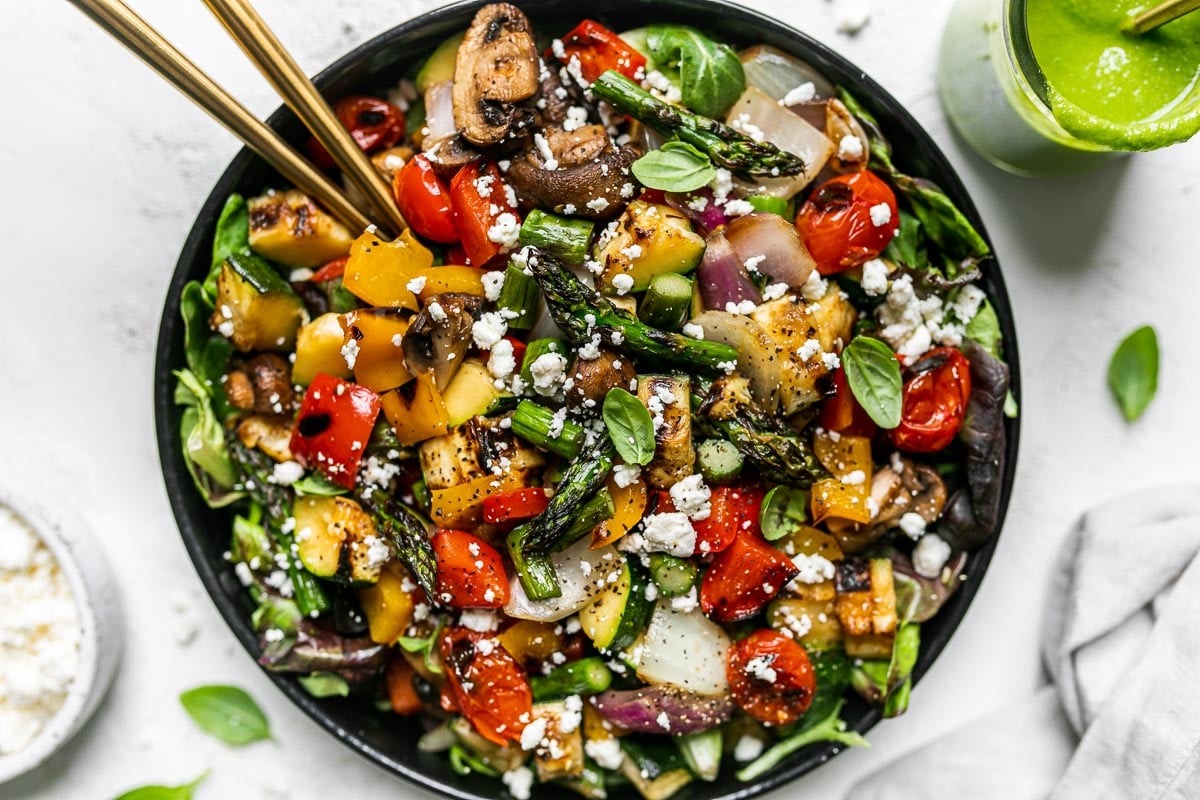
The beauty of Jamie’s recipe is its flexibility. He starts with a Mediterranean trio—red onion, bell pepper, and aubergine—but any sturdy veg works. Below is the best vegetables to roast together according to the flavour‑pairing logic Jamie follows.
Essential lineup
- Red onion adds sweetness once it caramelises.
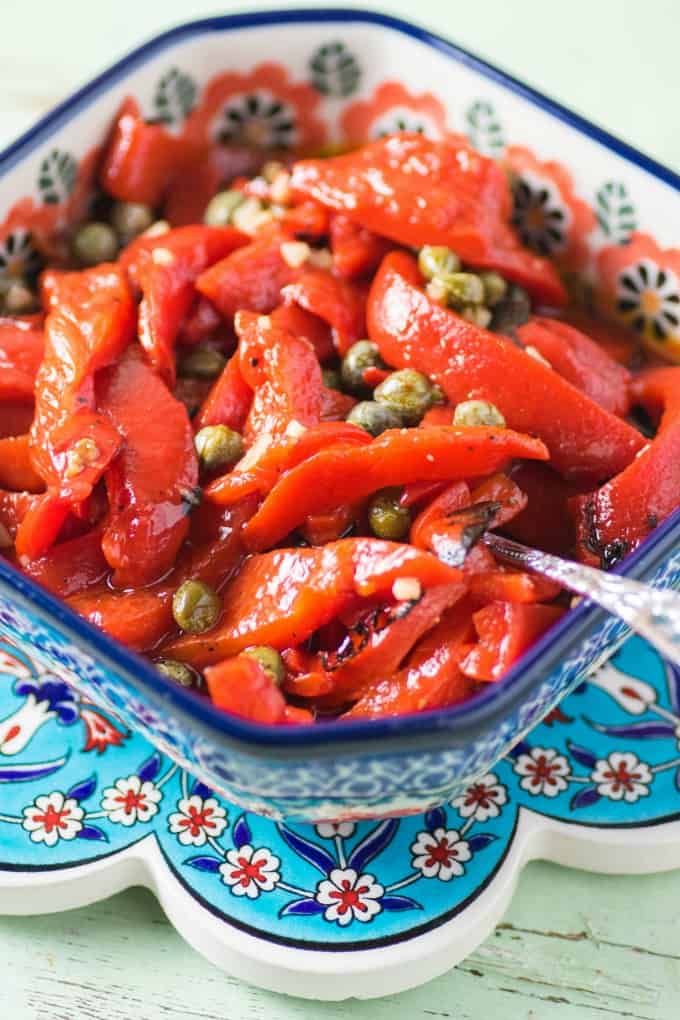
- Red or yellow bell pepper brings colour and a mild fruity note.
- Aubergine soaks up the oil and becomes buttery.
- Courgette (zucchini) keeps the mix fresh and light.
- Cherry tomatoes burst with juice, brightening the whole tray.
Bonus combos
Want a heartier dish for a chilly night? Toss in roasted root vegetables: Jamie Oliver style. Carrots, parsnips, and beetroot add earthy depth and a touch of natural sweetness. For a holiday twist, try the Jamie Oliver roasted vegetables Christmas version with honey‑glazed carrots and spiced parsnips—it’s a show‑stopper on the festive table.
Vegetable compatibility chart
| Vegetable | Cooking time (min) | Flavor profile |
|---|---|---|
| Red onion | 45‑50 | Sweet‑caramel |
| Bell pepper | 40‑45 | Bright, fruity |
| Aubergine | 45‑50 | Umami‑rich |
| Carrot (root) | 55‑60 | Earthy‑sweet |
| Beetroot (root) | 55‑60 | Deep, sugary |
Step‑by‑Step Guide
Ready to roll up your sleeves? Grab a big baking tray, a splash of olive oil, and let’s get roasting.
Prep checklist
- Large rimmed baking tray (or two if you’re feeding a crowd)
- Olive oil (extra‑virgin for flavour)
- Sea salt, cracked black pepper
- Fresh herbs – thyme, rosemary, or oregano (optional)
- Balsamic glaze for a sweet‑tart finish (if you love balsamic roasted vegetables Jamie Oliver)
Detailed instruction flow
- Preheat the oven to 200 °C (400 °F). A hot oven is the key to that golden crust.
- Cut all veggies into roughly 2‑inch pieces. Don’t worry if they’re a bit irregular—the rustic look adds charm.
- Toss the vegetables in a large bowl with 2‑3 Tbsp olive oil, a generous pinch of sea salt, and cracked pepper. If you’re using balsamic, drizzle a tablespoon now.
- Spread them evenly on the tray, making sure they’re not crowded. Crowding leads to steaming, not roasting.
- Roast for 20 minutes, then give everything a good toss with a spatula. This ensures every side gets that beautiful caramelisation.
- Roast for another 25‑30 minutes, or until the edges are crisp and the interiors are fork‑tender.
- Finish with a sprinkle of fresh herbs and a drizzle of extra balsamic glaze if desired. Serve hot, straight from the tray.
If you prefer a hands‑off method, you can also wrap the veggies in foil and bake them—see our guide to vegetables in foil in oven for an easy, mess‑free alternative.
If you prefer a Mediterranean vibe, add a handful of Kalamata olives and a squeeze of lemon just before serving. It’s a quick upgrade that turns the dish into roasted Mediterranean vegetables with potatoes in a snap.
Flavor Boosters
While the basic recipe is already a winner, a few simple tweaks can transform it into a gourmet experience.
Balsamic glaze
Adding a splash of balsamic glaze during the last ten minutes of roasting gives the vegetables a glossy, sweet‑tangy finish that pairs beautifully with the earthy notes of aubergine and peppers. The glaze also helps to balance the salt, creating a harmonious flavour profile.
Mediterranean version
For a full‑blown Mediterranean spread, toss in sliced potatoes, garlic cloves, and a handful of fresh oregano before the first roast. The potatoes crisp up alongside the other veg, while the garlic infuses everything with aromatic depth. Want a trusted source? Check out the BBC Mediterranean vegetables recipe—it lines up perfectly with Jamie’s technique.
Herb & spice twists
- Smoked paprika adds a subtle smokiness without using a grill.
- Cumin seeds give a soft, warm earthiness, great for a Middle‑Eastern feel.
- Fresh thyme works wonders when added in the final five minutes.
Seasonal Variations
Jamie loves to adapt his veggie trays to the calendar. Here’s how to make the most of the season’s bounty.
Christmas special
During the holidays, the Jamie Oliver roasted vegetables Christmas version swaps out some of the summer veg for winter staples: honey‑glazed carrots, celeriac wedges, and spiced parsnips. Roast everything together, then finish with a drizzle of maple syrup and a pinch of cinnamon for a cozy, festive aroma.
Mary Berry vs. Jamie
If you’ve ever wondered how this compares to a classic Mary Berry roasted vegetables approach, the difference is stark. Mary Berry prefers a gentle 180 °C roast with butter and thyme, resulting in a softer texture. Jamie’s high‑heat, oil‑forward method yields crispier edges and a more pronounced caramel flavour. Both are delicious; it just depends on the texture you crave.
Summer Mediterranean
When tomatoes are at their peak, add them whole to the tray. Their juices burst during roasting, creating a natural sauce that clings to the other veg. Pair with a handful of feta and a drizzle of olive oil for a quick, vibrant side that feels like a seaside picnic.
Nutrition & Balance
Roasting isn’t just about taste—it’s a healthy way to unlock nutrients that can get lost with other cooking methods.
Health perks
- Fiber boost: Vegetables keep your digestive system humming.
- Antioxidants: The high heat intensifies the availability of lycopene from tomatoes and beta‑carotene from carrots.
- Low‑fat cooking: Using just a few tablespoons of olive oil delivers heart‑healthy monounsaturated fats without drowning the dish.
Potential risks & mitigation
Any cooking at high temperatures can generate a small amount of acrylamide, a chemical that forms when starchy foods brown. To keep it minimal, avoid overcooking—the veggies should be golden, not blackened. Also, watch the salt; a light sprinkle is enough because the caramelisation already brings out natural sweetness.
Bringing It All Together
There you have it—Jamie Oliver’s roasted vegetables, demystified and ready for your kitchen. Whether you’re dashing together a quick weeknight dinner, planning a festive feast, or simply craving a warm, Mediterranean‑inspired side, this recipe adapts with ease. Remember, the magic lives in the big chunks, the hot oven, and the willingness to experiment with herbs, glazes, and seasonal produce.
Give it a try tonight, snap a photo, and share it with a friend who loves good food. If you have questions or want to swap ideas for your own twist, feel free to reach out. Happy roasting!
FAQs
What oven temperature does Jamie Oliver recommend for roasting vegetables?
Preheat the oven to 200 °C (400 °F) to get the crispy edges and tender interiors that define his style.
Can I substitute olive oil with another cooking oil?
Yes—avocado oil, grapeseed oil, or even sunflower oil work fine; just keep the same amount to ensure even browning.
How do I avoid steaming the vegetables instead of roasting them?
Spread the pieces in a single layer on a rimmed baking tray and avoid crowding so hot air can circulate around each chunk.
What seasonal vegetables pair well with Jamie’s roasted veg recipe?
In winter add honey‑glazed carrots, parsnips and celeriac; in summer toss in cherry tomatoes, zucchini and a sprinkle of feta.
Is this recipe suitable for a vegan diet?
Absolutely—use only olive oil and skip any animal‑based glazes; the natural sugars provide plenty of flavor.