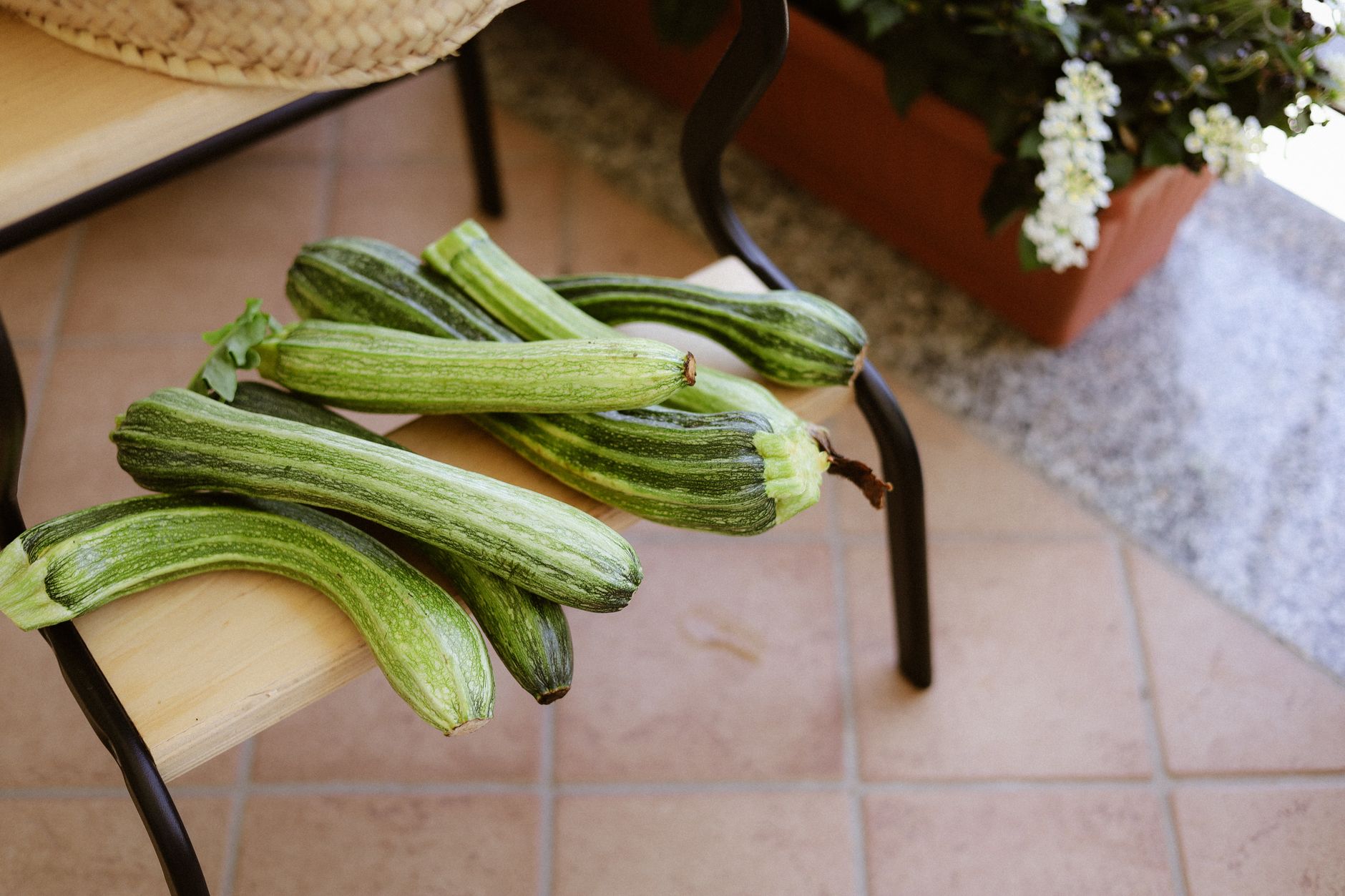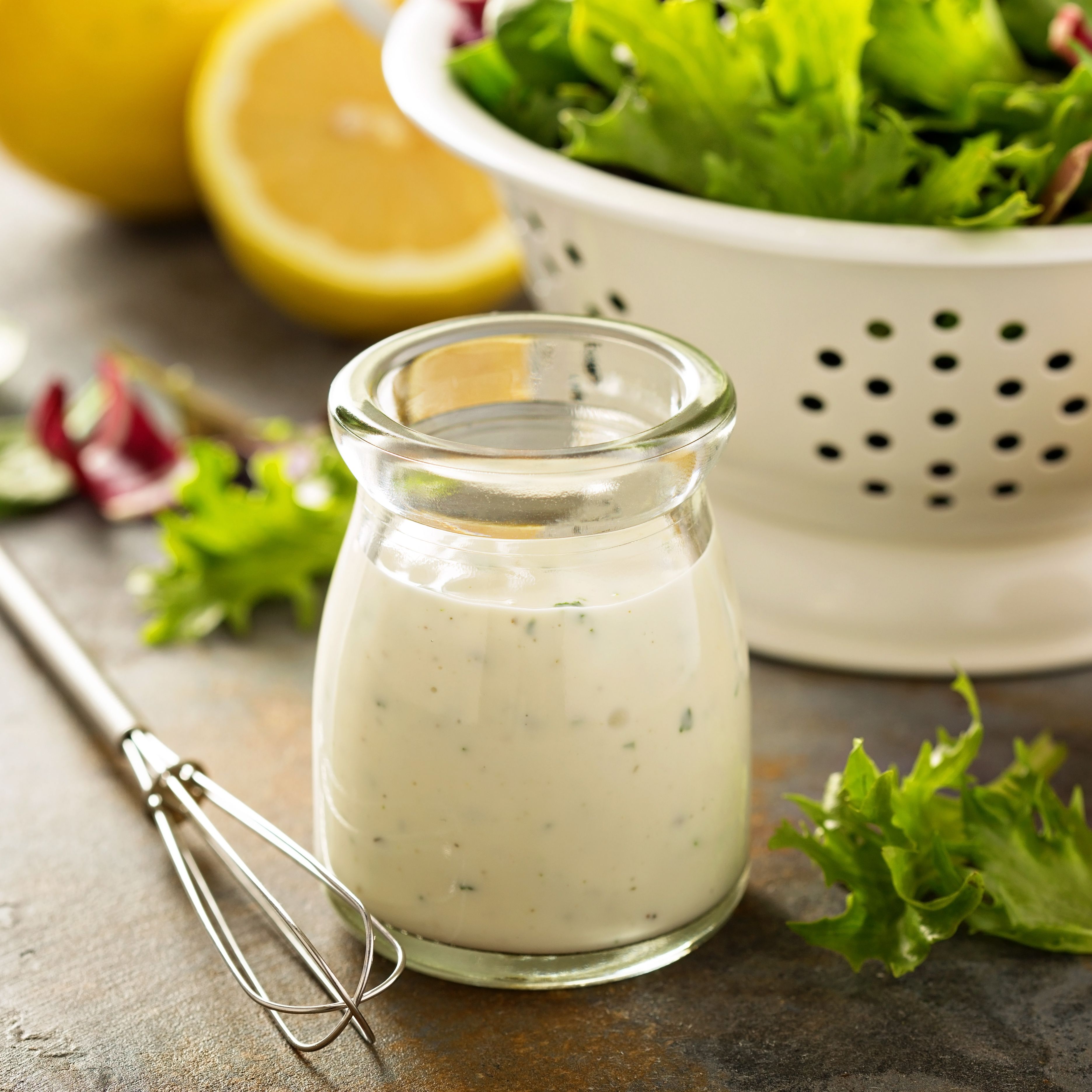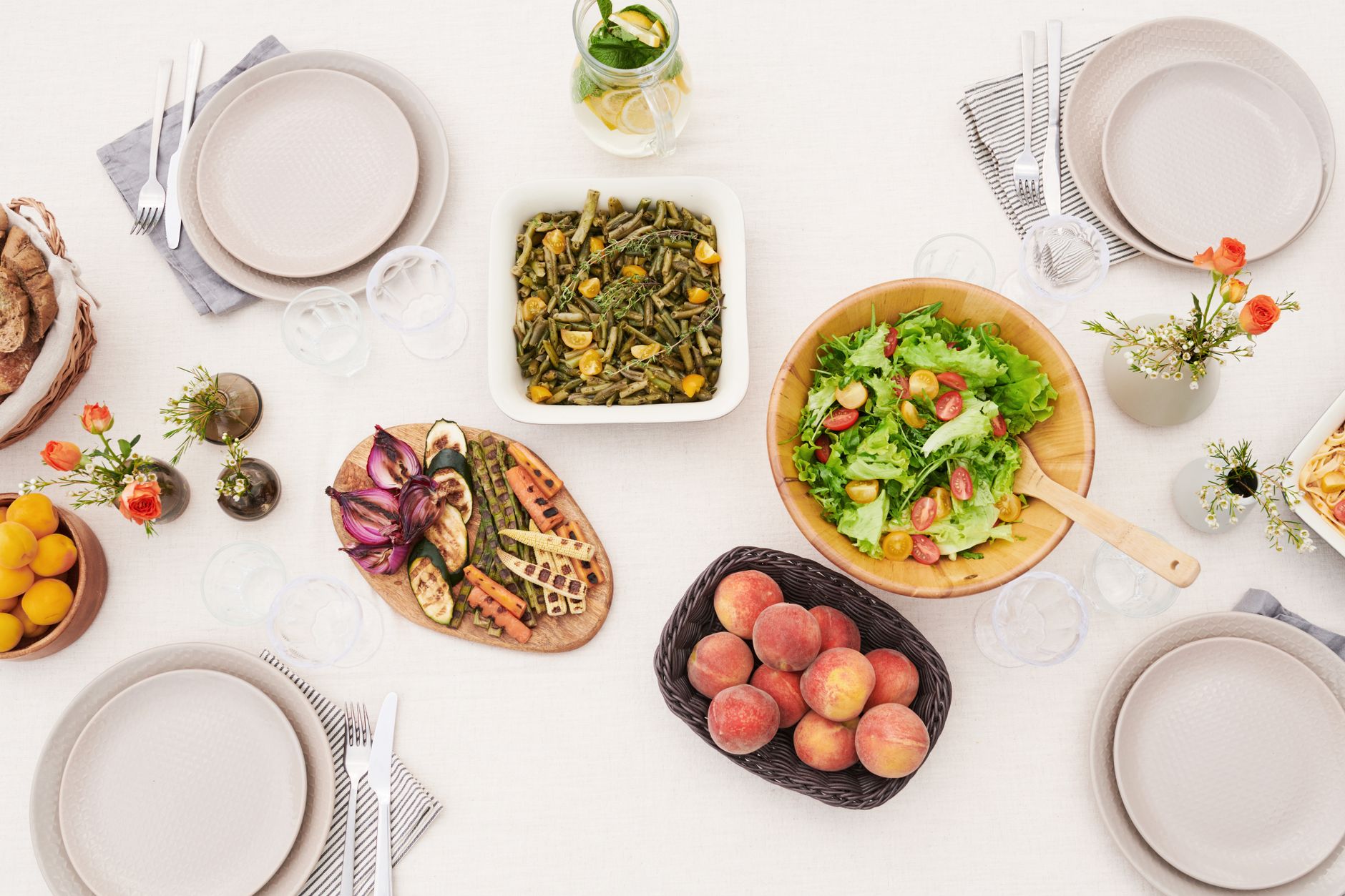
Roasted summer vegetable salad brings together vibrant colors and deep, caramelized flavors in one bowl. Roasting vegetables technique unlocks their natural sweetness and adds a satisfying smoky aroma. This easy, healthy summer lunch idea is perfect for warm days when you want something fresh, filling, and full of nutrients.
Introduction
The Flavor Boost and Freshness of Roasted Summer Vegetable Salad
When you roast summer vegetables like zucchini, bell peppers, and tomatoes, they develop golden edges and a complex taste. Combining them into a salad keeps the crisp freshness while adding a warm, hearty touch. The aroma alone invites your appetite, making this salad irresistible any time you need a quick, wholesome lunch.
Who Will Love This Recipe From Beginners to Veggie Lovers
This vegan roasted vegetable salad welcomes everyonefrom new cooks to seasoned veggie enthusiasts. Its naturally gluten- and dairy-free, so it suits many diets. Plus, the simple prep makes it a go-to option for those hunting down easy, healthy summer lunch ideas that deliver on taste and nutrition.
What Sets This Roasted Summer Vegetable Salad Apart
Unlike a raw mix, roasting vegetables intensifies their flavor with crispy, caramelized notes. This Mediterranean-style roasted salad combines fresh herbs and a bright lemon dressing, offering layers of taste and texture. Its more than just a side dishthis salad stands tall as a satisfying meal.
Key Highlights
Caramelized Roasting Unlocks Natural Sweetness and Depth
The magic in roasting is how it triggers the Maillard reaction, causing sugars to brown and deepen. Vegetables like zucchini and bell peppers transform from mild to richly sweet with a smoky edge. The roasting vegetables technique is essential to avoid common roasting mistakes like overcrowding the pan or under-seasoning, which can hinder crisp caramelization.
Versatile and Nutrient-Dense for Energizing Lunch Meals
This salad is packed with fiber, vitamins A and C, and antioxidants, offering benefits of roasted veggies beyond taste. It supports digestion and helps keep energy steady throughout the afternoon. Enjoy this nutrient-dense dish as a hearty lunch or light dinner.
Note on Allergy and Dietary Cautions
Most people can enjoy the ingredients without worry. However, those sensitive to nightshades should omit bell peppers and cherry tomatoes. Substitutions like yellow squash and cucumber keep the salad vibrant and allergy-friendly when needed.
Ingredients & Preparation
| Prep time | Total time | Servings | Calories | Diet tags |
|---|---|---|---|---|
| 15 mins | 40 mins | 4 | 180 | Vegan, Gluten-Free, Dairy-Free |
Ingredient List with Substitutions
- 2 medium zucchinis, sliced (substitute yellow squash)
- 1 red bell pepper, cut into strips (swap with orange or yellow pepper)
- 1 cup cherry tomatoes, halved (omit if nightshade sensitive)
- 1 red onion, sliced
- 2 tbsp olive oil (use avocado oil for neutral flavor)
- 1 tsp dried oregano or fresh rosemary (use thyme as alternative)
- Salt and cracked black pepper to taste
- Juice of 1 lemon (can swap with white wine vinegar)
- 1/4 cup fresh basil, chopped (optional)
Equipment Needed
Youll need a large baking sheet for even roasting and a sharp knife to slice your vegetables precisely. A large mixing bowl helps toss the veggies with dressing comfortably. Setting your oven to 400F ensures balanced heat to achieve perfectly caramelized edges without drying out your produce.
Tips for Choosing the Best Ingredients
Choose firm vegetables with bright, unblemished skin. Organic veggies often have more flavor and fewer residues. Fresh herbs from a garden or farmers market unleash enticing aromas that elevate this roasted summer vegetable salad beyond the ordinary.
Step-by-Step Instructions
Step 1 Prepare Your Vegetables Carefully
Wash all vegetables under cold water and pat dry. Slice zucchinis into 1/4-inch rounds for uniform cooking. Core and strip the bell pepper into thin strips. Cherry tomatoes just need halving, no peeling required. Slice red onion into even rings to promote even caramelization during roasting.
Step 2 Season and Arrange for Roasting
Place all vegetables in a large bowl. Drizzle 2 tablespoons of olive oil over them. Sprinkle dried oregano or rosemary, salt, and cracked black pepper. Toss to coat every piece evenly. Arrange vegetables in a single layer on the baking sheet, ensuring no overcrowding for proper browning.
Step 3 Roast at 400F for 25 Minutes
Preheat your oven to 400F (205C). Roast the vegetables for 20 minutes, then carefully flip them to encourage even caramelization. Continue roasting for another 5 minutes until edges turn golden and veggies are tender but still slightly firm.
Step 4 Prepare the Dressing and Toss
While vegetables roast, squeeze the juice of one lemon into a small bowl. Whisk with a pinch of salt and extra olive oil if desired. Once veggies cool slightly, transfer to a large bowl. Pour dressing over and toss gently. Add fresh chopped basil at the end to preserve its bright flavor.

Step 5 Serve or Chill
This salad tastes wonderful warm or chilled. Serve immediately for a comforting meal or refrigerate for 12 hours to meld flavors. Either way, the combination of roasted sweetness, zesty lemon, and fresh herbs delights every bite.
Storage & Shelf Life
Store leftovers in an airtight container in the refrigerator. This roasted summer vegetable salad lasts for 45 days when chilled properly. To reheat, warm gently in a skillet for 34 minutes or enjoy cold. Avoid freezing to maintain crisp texture and freshness.
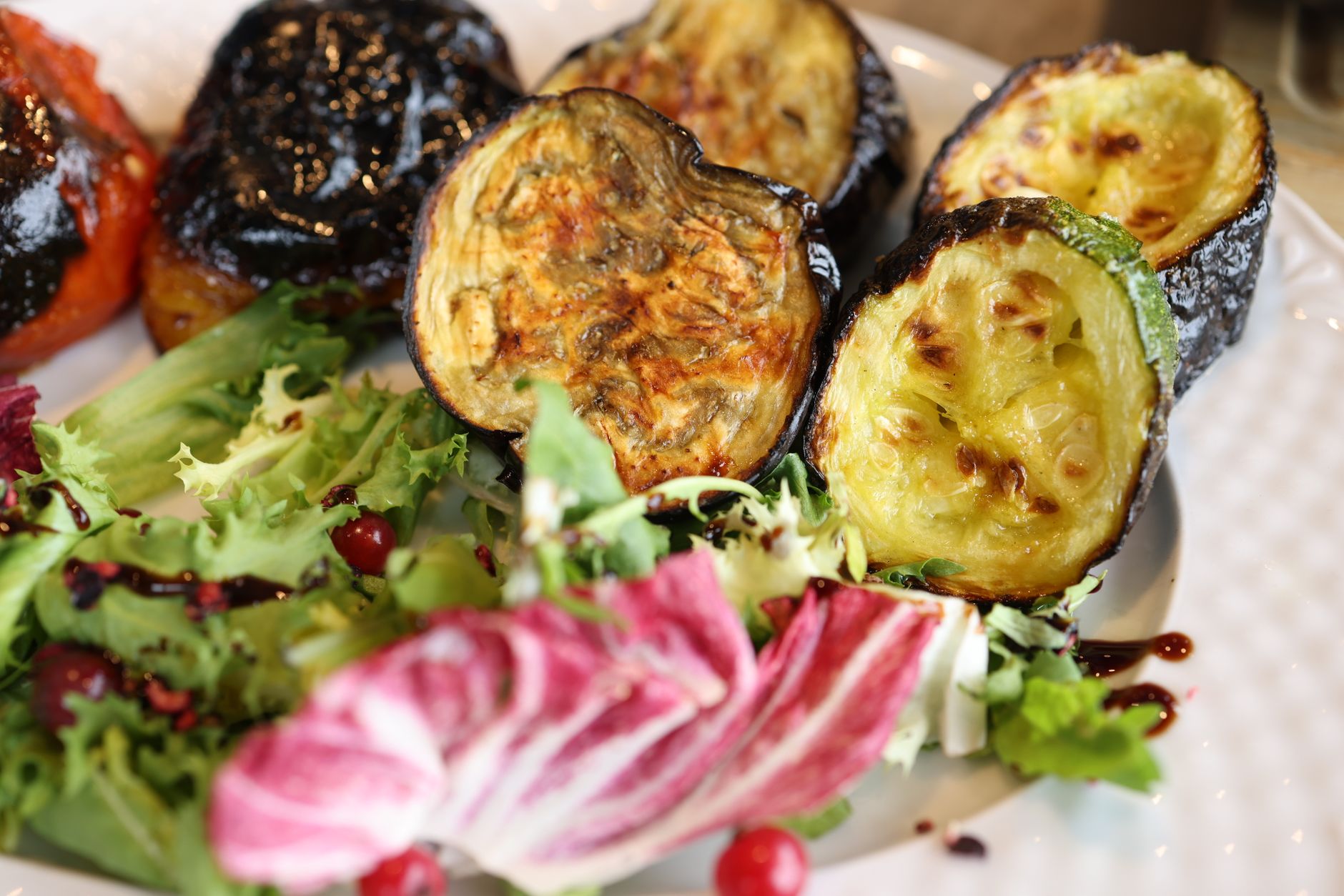
Pro Tips
- Use high heat and avoid overcrowding: Roasting veggies crowded on the pan steams them rather than caramelizing. Leave space for air circulation to get crispy edges.
- Cut veggies uniformly: Similar thicknesses ensure even cooking. Thinner slices can burn, while thicker pieces may remain undercooked.
- Add acid after cooking: Lemon juice or vinegar can break down veggies if added too early. Toss just before serving to keep crispness and bright flavor.
- Try adding nuts or seeds: Toasted pine nuts or pumpkin seeds add a nutty crunch that complements the creaminess of roasted veggies.
- Herbs matter: Fresh basil or oregano added at the end preserves flavor. Dried herbs work best before roasting to infuse depth.
More Recipes Youll Like
If you enjoy vibrant vegetable dishes, check out this italian grilled vegetable salad for a smoky twist on a classic. For a tasty protein-packed option, the Grilled turkey brie and apple butter sandwich with arugula recipe 1943206 pairs wonderfully with fresh salad. Or try the tangy and creamy Pear salad with gorgonzola dressing recipe 1948125 for another fresh lunch idea.
When is the best time to eat roasted summer vegetable salad?
Roasted summer vegetable salad is best enjoyed fresh or within 45 days refrigerated. It suits lunch perfectly, offering an energizing, nutrient-rich meal during warm months. Its also great as a light dinner or side dish any time you want something wholesome yet easy.
Can I substitute other vegetables in this roasted salad?
Absolutely. Yellow squash, eggplant, or asparagus work well. Avoid overly watery veggies to prevent sogginess. Substitutions should be similar in size for even roasting and balanced flavors.
Is this recipe suitable for a vegan roasted vegetable salad?
Yes. The recipe is entirely plant-based and dairy-free. You can enjoy it as a filling vegan roasted vegetable salad, perfect for those following a vegan lifestyle or wanting to increase veggie intake.
What are common roasting mistakes to avoid?
Overcrowding the pan causes steaming, not roasting. Cutting vegetables unevenly leads to inconsistent cooking. Also, adding salt too early can draw moisture, reducing crispness. Follow precise temps and times for best results.
How do I store leftover roasted summer vegetable salad?
Keep leftovers in an airtight container in the fridge for up to 5 days. Consume cold or warm gently on the stove for 34 minutes. Avoid freezing, as the texture and flavor degrade.
Can I add protein to this salad?
Yes, grilled tofu, chickpeas, or grilled chicken pair nicely. Adding nuts or seeds also boosts protein and adds crunch, complementing the creamy roasted vegetables.
What is the difference between roasting and grilling vegetables?
Roasting cooks vegetables evenly in the oven with indirect heat, producing caramelized edges. Grilling imparts smoky char marks from direct flame and a distinct flavor. Both are healthy but deliver different textures and aromas.
How does roasting affect the health benefits of vegetables?
Roasting preserves vitamins like A and C while concentrating flavors. According to a 2023 study in the Journal of Nutritional Biochemistry, roasting enhances antioxidant levels in many vegetables, increasing their health benefits.
Conclusion
Roasted summer vegetable salad is a versatile, flavorful addition to your meal rotation. The combination of smoky caramelization and fresh herbs makes it a standout among healthy summer lunch ideas. Try it for your next meal and share your thoughts or favorite tweaks in the comments below. For another tasty twist, explore the italian grilled vegetable salad to keep your lunches exciting and nutrient-packed.
FAQs
When is the best time to eat roasted summer vegetable salad?
Roasted summer vegetable salad is best enjoyed fresh or within 5 days refrigerated. It’s ideal for lunch during warm months, providing an energizing, nutrient-rich meal. It also works well as a light dinner or side whenever you want a wholesome, easy dish.
Can I substitute other vegetables in this roasted salad?
Yes, you can substitute vegetables like yellow squash, eggplant, or asparagus. Just choose veggies with similar size and density for even roasting. Avoid watery vegetables to prevent sogginess and maintain the salad’s texture.
Is this recipe suitable for a vegan roasted vegetable salad?
Absolutely. This roasted summer vegetable salad is entirely plant-based and dairy-free, making it perfect for vegans and anyone wanting a healthy, veggie-packed meal.
What are common roasting mistakes to avoid?
Common mistakes include overcrowding the pan, which causes steaming instead of roasting, unevenly cutting vegetables leading to uneven cooking, and adding salt too early, which draws out moisture and reduces crispness. Follow recommended temps and timing for best results.
How do I store leftover roasted summer vegetable salad?
Store leftovers in an airtight container in the refrigerator for up to 5 days. Enjoy cold or gently warm in a skillet for a few minutes. Avoid freezing, as it affects texture and flavor negatively.