Why Risotto with Winter Vegetables?
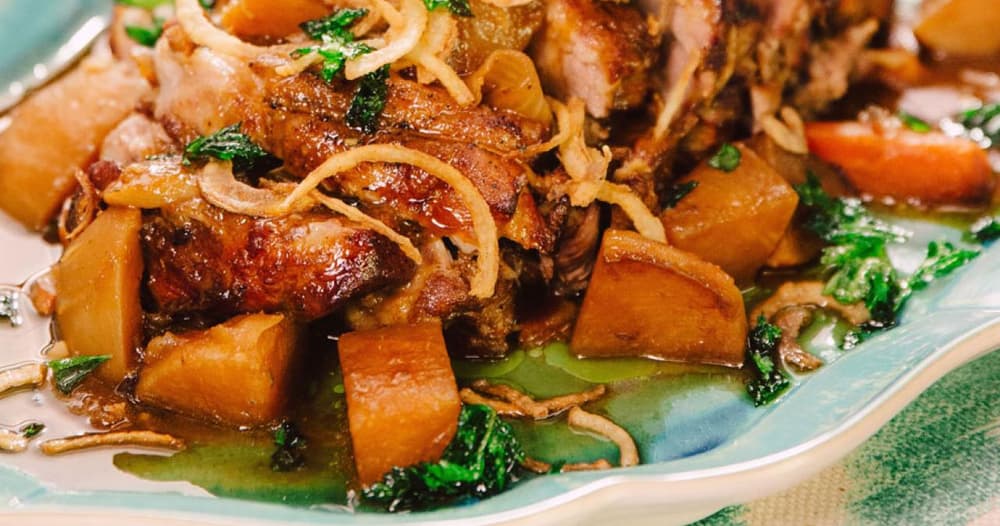
Imagine a bowl filled with warm, creamy risotto, bursting with the earthy aroma of tender winter vegetables. This comforting dish blends the nutty flavors of Arborio rice with hearty roots like celery root and sweet butternut squash, making it a perfect winter meal. The gentle sizzle and rich aroma will draw you right in as you prepare this risotto with winter vegetables recipe. It brings the taste of the season to your table, balancing rustic flavors and creamy textures in every bite.
Health Benefits & Nutrition
Winter vegetables like carrots, celery root, and mustard greens offer powerful health benefits. Carrots are rich in beta-carotene, a precursor to vitamin A, which supports healthy vision and immune function. Celery root provides a good source of dietary fiber, promoting digestive health, while mustard greens are packed with antioxidants and vitamin C, helping to reduce inflammation and boost your immune system (Harvard T.H. Chan School of Public Health).
This risotto also includes pecorino cheese and butter, which provide calcium and protein but should be enjoyed in moderation due to saturated fat content. Pregnant women should consume the ingredients in balanced amounts and ensure the chicken broth is low in sodium to avoid excessive salt intake. If you’re allergic to dairy or gluten, consider suitable substitutions to enjoy this dish safely.
Ingredients & Preparation
Recipe Card
| Prep Time | Cook Time | Total Time | Servings | Calories | Diet Tags |
|---|---|---|---|---|---|
| 15 minutes | 20 minutes | 35 minutes | 4 servings | 742 kcal | Vegetarian (optional with broth), Gluten-Free, Nut-Free |
Full Ingredient List
- 4 tablespoons unsalted butter
- 1 medium onion, chopped
- 4 cloves garlic, smashed
- 1 teaspoon kosher salt (plus extra for seasoning)
- Freshly ground black pepper, to taste
- 1½ cups Arborio rice
- 3 carrots, cut into large chunks
- 2 sprigs fresh thyme
- 1 small celery root (about 1 pound), peeled and cut into chunks
- 1 butternut squash, halved, peeled, seeded, and cut into large chunks (optional)
- 3 cups low-sodium chicken broth (canned or homemade)
- ½ cup dry white wine
- 1 large bunch mustard greens, washed and torn (4 to 5 cups)
- 1 cup freshly grated pecorino cheese, plus extra for serving
Equipment Needed
- 7-liter pressure cooker or a large heavy-bottomed pot with a lid
- Chef’s knife and cutting board
- Wooden spoon or silicone spatula
- Measuring cups and spoons
- Grater for pecorino cheese
Tips for Choosing Quality Ingredients
- Use fresh, firm winter vegetables with bright colors for the best flavor and texture.
- Pick Arborio rice that is plump and opaque without cracks for perfect creaminess.
- Choose low-sodium, high-quality chicken broth or homemade stock to control seasoning.
- Opt for aged pecorino cheese with a strong, nutty aroma to enrich the risotto’s flavor.
- For wine, a dry white like Pinot Grigio or Sauvignon Blanc works well and enhances depth.
Step-by-Step Instructions
Step 1: Sauté Aromatics (5 Minutes at Medium-High Heat)
Melt 2 tablespoons of butter in your pressure cooker over medium-high heat. Add chopped onion, smashed garlic, 1 teaspoon kosher salt, and a few grinds of freshly ground black pepper. Stir occasionally as the onion softens and becomes translucent, about 5 minutes. This step builds the fragrant base for your risotto.
Step 2: Add Rice and Vegetables (2 Minutes Stirring)
Pour in Arborio rice and stir to coat every grain with the buttery mixture. Then add the carrot chunks, thyme sprigs, celery root, and butternut squash if using. Stir everything gently for 2 minutes to combine flavors and slightly toast the rice.
Step 3: Add Liquids and Pressure Cook (3 Minutes at High Pressure)
Pour in the chicken broth and dry white wine. Close the pressure cooker lid securely and bring pressure to high. Once high pressure is reached (about 10 minutes), reduce heat to maintain that pressure for precisely 3 minutes.
Step 4: Release Pressure and Finish Risotto (5 Minutes)
After 3 minutes, remove the pot from heat and carefully release the steam until the pressure indicator drops. Open the lid gently—your risotto will look creamy but slightly brothy, perfect for the next step. Stir in the mustard greens, letting them wilt naturally into the warm risotto for 2 minutes.
Step 5: Add Butter and Cheese, Season to Taste (3 Minutes)
Fold in the remaining 2 tablespoons of butter and 1 cup of grated pecorino cheese. Stir well until the risotto becomes luxuriously creamy and rich. Adjust salt and pepper to taste. Serve hot with extra cheese on the side for added tang.

Variations & Substitutions
- Vegetarian: Substitute chicken broth with vegetable broth to keep the dish fully plant-based while preserving flavor.
- Wine-Free: Omit white wine and replace it with an equal amount of additional broth or water with a squeeze of lemon for brightness.
- Cheese Alternatives: Swap pecorino for Parmesan or Grana Padano for a milder but equally creamy finish.
- Additional Vegetables: Add roasted Brussels sprouts or sautéed mushrooms for extra winter vegetable variety and texture.
- Gluten-Free Friendly: This recipe naturally contains no gluten, but always verify the stock and broth labels before use.
Storage & Shelf Life
Store leftover risotto in an airtight container in the refrigerator for up to 3 days. To reheat, add a splash of broth or water and warm gently on the stove, stirring often to regain its creamy consistency.
While you can freeze risotto, its texture may change slightly after thawing. To freeze, cool completely, transfer to a freezer-safe container, and use within 1 month. Thaw overnight in the fridge before reheating.
Discard the risotto if you notice an off smell, visible mold, or slimy texture, as these are clear signs of spoilage.
Pro Tips
- Use fresh thyme sprigs or finely chopped thyme leaves to release more aroma into the risotto.
- Gently toast the Arborio rice before adding liquid to create a nuttier flavor and enhance its creamy texture.
- When stirring in cheese and butter, do so off the heat to prevent breaking or curdling.
- Wilt mustard greens last to keep their vibrant color and slight peppery bite, balancing the silky texture of the risotto.
- For a silky finish, always stir the risotto slowly and steadily during finishing to encourage starch release.
When is the best time to eat Risotto With Winter Vegetables Recipe?
This risotto is ideal for chilly evenings when you crave warmth and comfort. Its hearty winter vegetables make it perfect for a nourishing dinner, especially after a day spent outdoors in the cold.
Can I make risotto with other grains instead of Arborio rice?
While traditional risotto relies on Arborio rice for its unique starch release, you can substitute with Carnaroli or Vialone Nano rice, both Italian varieties with similar creamy results. Other grains won’t provide the same texture but can be used for variations.
Is it possible to cook this risotto without a pressure cooker?
Yes, you can cook this risotto on the stovetop by gradually adding warm broth and stirring often. It will take longer—about 25–30 minutes of slow cooking—but can yield equally delicious results with patience.
How can I make this dish vegan?
Replace butter with a plant-based alternative like olive oil or vegan margarine, use vegetable broth, and swap pecorino cheese for a vegan cheese or nutritional yeast to maintain richness).
What wines pair well with this risotto?
A crisp, dry white wine like Pinot Grigio or Sauvignon Blanc complements the creamy texture and earthy winter vegetables, enhancing the overall dining experience.
Can I prep ingredients ahead of time?
Yes, you can chop the vegetables and measure out your ingredients a day before to save time. However, it’s best to cook the risotto fresh to maintain its creamy texture and vibrant flavors.
Is this recipe suitable for kids?
Absolutely! The creamy texture and mild but sweet flavor of the winter vegetables make it a family-friendly choice. Adjust seasoning to suit younger palates by reducing the salt and pepper.
More Recipes You Will Love
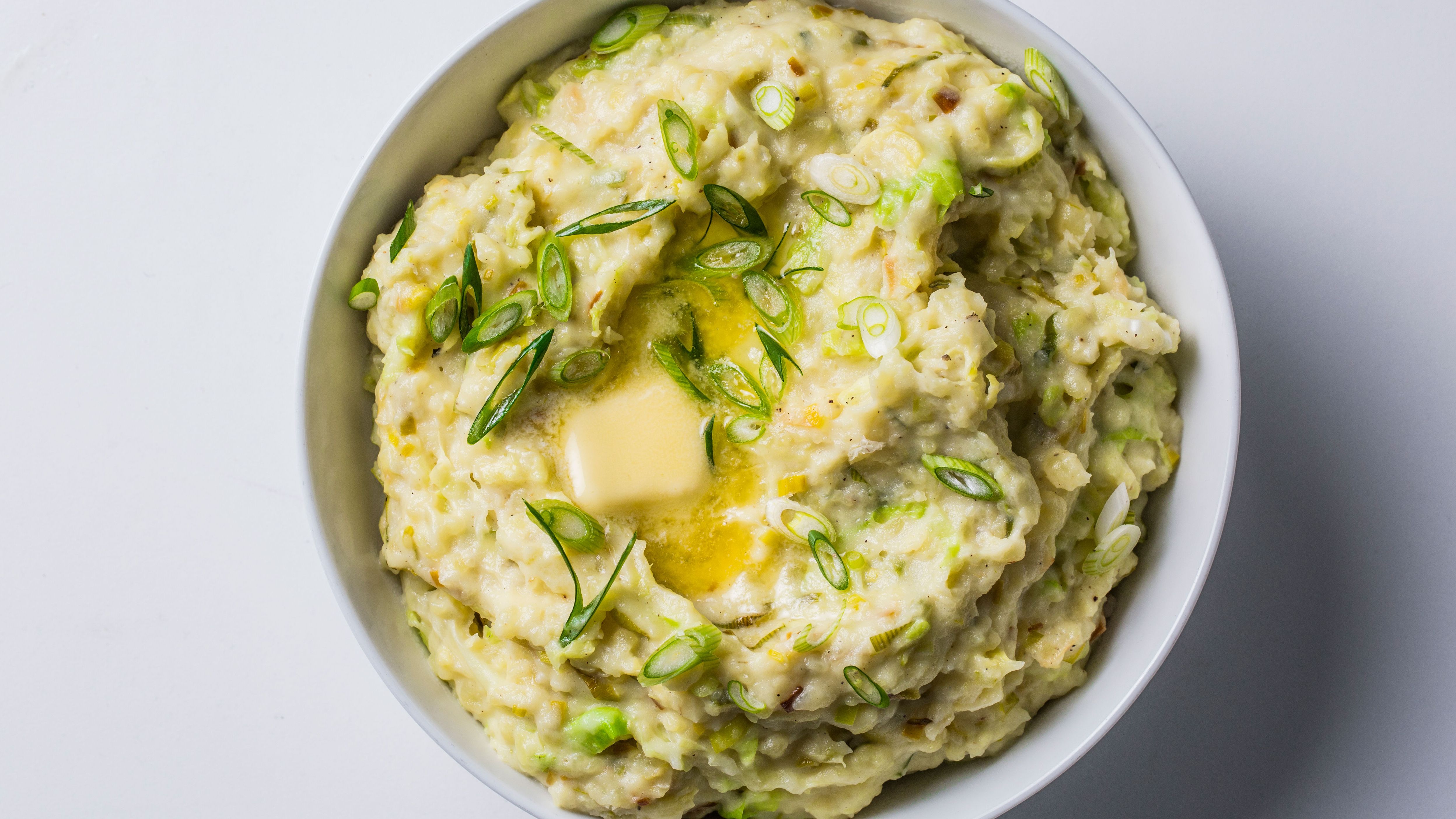
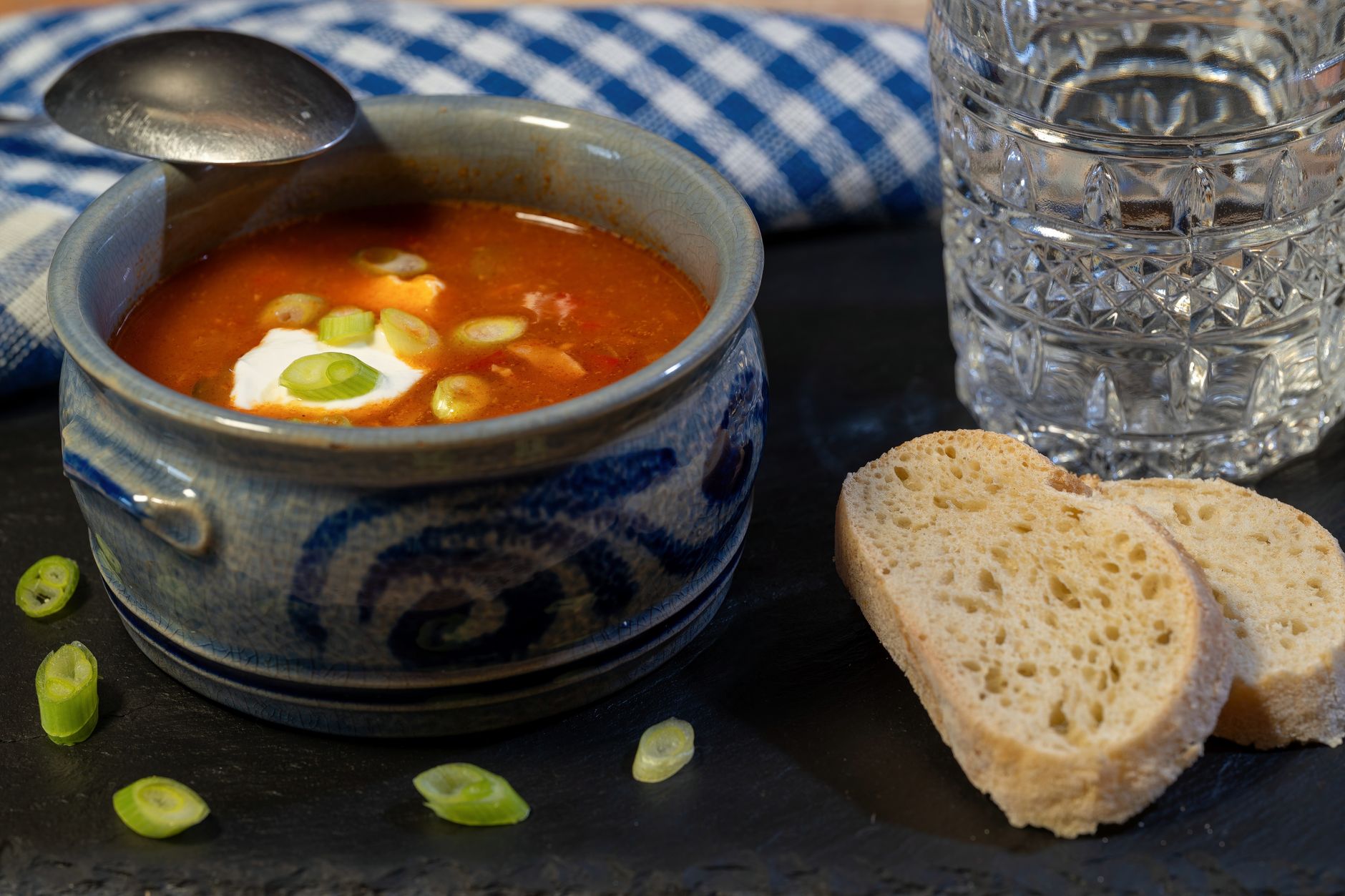
If you enjoy the cozy feel of this risotto, you might also appreciate hearty recipes like the lentil sausage soup recipe 1947054. It offers a robust winter meal with plenty of savory depth. For something with a traditional Irish twist, try the Colcannon recipe 1913556, a creamy mashed potato dish with cabbage, perfect alongside your winter vegetable feast.

Conclusion
Risotto with winter vegetables is a comforting celebration of seasonal flavors and creamy textures. This recipe brings together the earthiness of root vegetables, the peppery tang of mustard greens, and the nutty richness of pecorino cheese, all in a simple, satisfying dish. Your kitchen will fill with enticing aromas as the risotto cooks, inviting you to experience the heart of winter on your plate. Try it out, then come back to share your thoughts, rate the recipe, or offer your own variations!
FAQs
When is the best time to eat Risotto With Winter Vegetables Recipe?
The best time to eat Risotto With Winter Vegetables Recipe is during the colder winter months when hearty, warming dishes are comforting. It is perfect for cozy dinners or holiday meals when seasonal vegetables are fresh and flavorful.
Can I make Risotto With Winter Vegetables Recipe vegetarian or vegan?
Yes, you can make this risotto vegetarian by using vegetable broth instead of chicken broth, and vegan by substituting butter and pecorino cheese with plant-based alternatives such as vegan margarine and nutritional yeast or vegan cheese.
What type of rice is best for making this risotto?
Arborio rice is the ideal choice for this risotto because its high starch content creates the creamy texture essential to risotto. Avoid using regular long-grain rice as it won’t provide the same creaminess.
How can I store and reheat leftover risotto?
Store leftover risotto in an airtight container in the refrigerator for up to 2 days. Reheat gently on the stove with a splash of broth or water to restore creaminess, stirring frequently to prevent sticking.
Are there any substitutions for the winter vegetables in this recipe?
Yes, you can substitute other hearty winter vegetables such as parsnips, turnips, or roasted Brussels sprouts, depending on preference and availability, to keep the dish delicious and seasonally appropriate.