Why Pork Shoulder Pot Roast with Winter Vegetables?
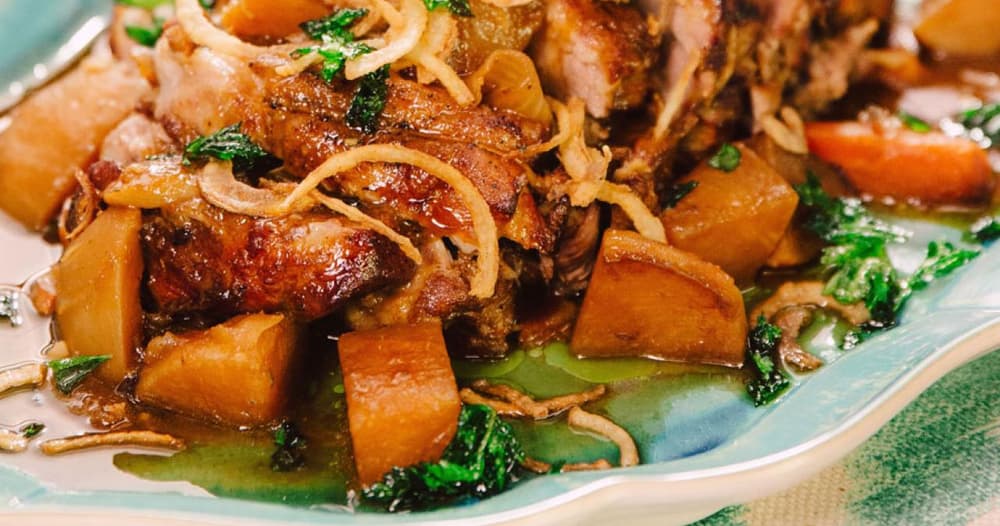
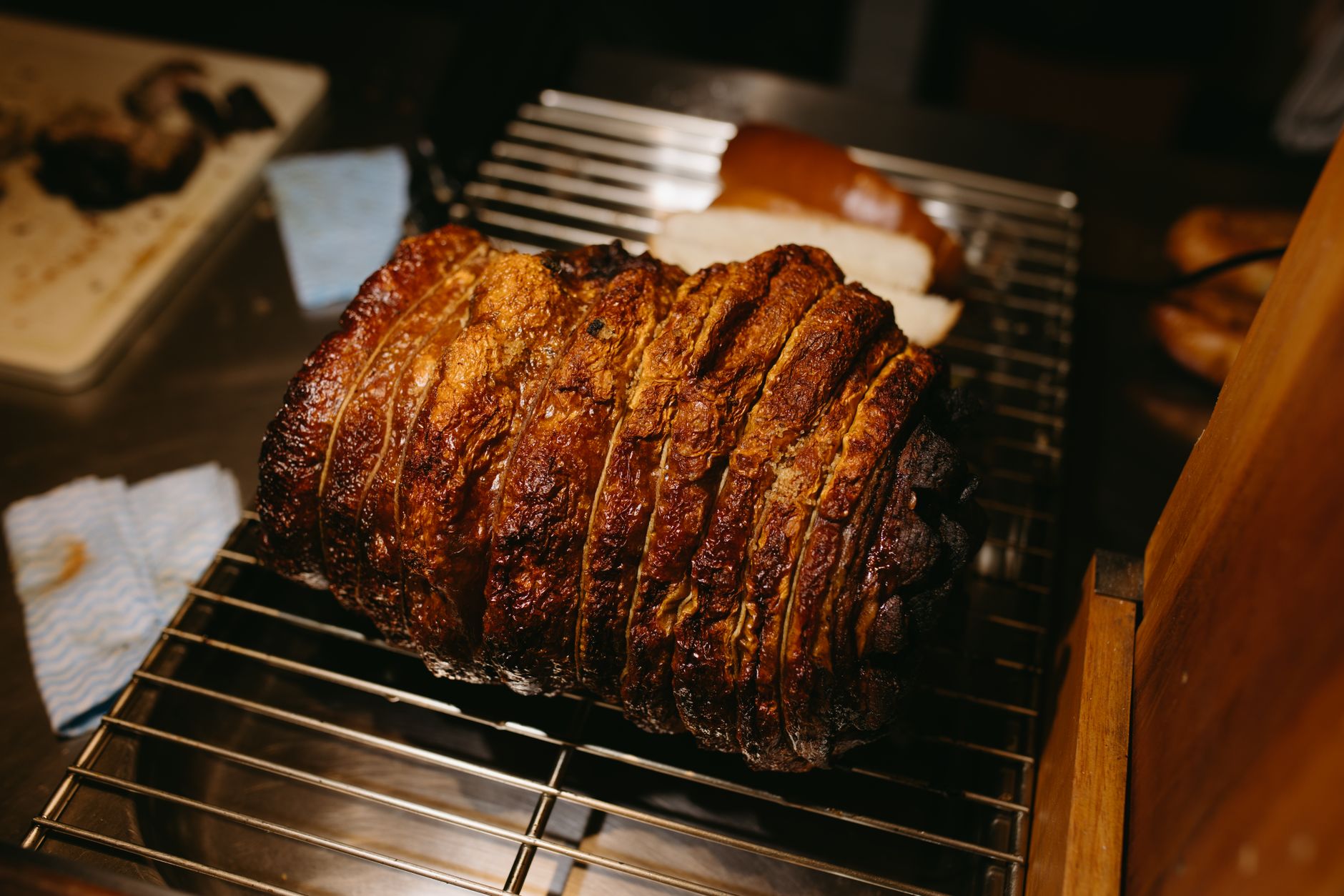
Imagine a hearty, golden-braised pork shoulder melting effortlessly alongside fragrant winter vegetables. The rich aroma of sage and rosemary mingles with the earthy sweetness of rutabaga and turnips. This pork shoulder pot roast with winter vegetables gives you comforting layers of flavor and textures. It’s the perfect dish to warm your home on a chilly evening, inviting you to savor each tender, juicy bite. Combining slow-cooked pork with seasonal produce, this recipe celebrates the best of winter’s harvest while delivering a satisfying, soulful meal.
Health Benefits & Nutrition
Pork shoulder is a nutrient-dense cut, offering high-quality protein essential for muscle repair and immune support. It is rich in B vitamins, particularly B6 and B12, which help improve energy metabolism and brain health (National Institutes of Health). Adding winter vegetables like carrots, rutabaga, and turnips contributes dietary fiber, aiding digestion and promoting gut health. These vegetables also provide antioxidants that help reduce inflammation and support heart health. While flavorful, this dish is moderately high in fat and sodium, so those with dietary restrictions or pregnancy should moderate intake or adjust ingredients accordingly.
Ingredients & Preparation
Recipe Card
| Prep Time | Total Time | Servings | Calories | Diet Tags |
|---|---|---|---|---|
| 30 minutes (+ 12 hours salting/resting) | 13 hours | 6 to 8 | Approx. 1198 per serving | Gluten-free, Dairy-free, Nut-free |
Full Ingredient List
- 3 to 4-pound boneless pork shoulder
- Kosher salt
- 1/3 pound pancetta, sliced 1/4-inch thick
- 2 sprigs fresh sage plus 6 leaves
- 6 cloves garlic, peeled
- 2 large carrots, peeled and diced
- 1 rutabaga, peeled and diced
- 1 turnip, peeled and diced
- 1 large yellow onion, quartered
- 2 tablespoons tomato paste
- 1 tablespoon miso paste
- 1 sprig fresh rosemary
- Two 12-ounce bottles dark beer (stout recommended)
- 2 cups chicken stock
- 1 tablespoon sherry vinegar
- Fresh mint and cilantro, for garnish
- Neutral oil for frying (vegetable, canola, or grapeseed)
- 1 cup fresh parsley leaves
- 1/4 cup all-purpose flour
- 1 teaspoon cayenne pepper
- 1 cup thinly sliced onion rings
- 1/2 cup drained capers
Equipment Needed
- Large Dutch oven or heavy oven-safe pot with lid
- Large skillet for frying
- Meat thermometer (optional but recommended)
- Slotted spoons and tongs
- Measuring spoons and cups
- Kitchen thermometer for oil temperature
Tips for Choosing Quality Ingredients
Pick a pork shoulder with good marbling for the best tenderness and flavor. Look for fresh, firm vegetables without blemishes or soft spots. Using a high-quality dark beer like a local stout will add depth, but any rich, malty beer works well. Fresh herbs contribute vibrant aroma and should be bright green. For pancetta, ensure it’s sliced thick enough to render fat but retain crispy texture.
Step-by-Step Instructions
Step 1: Salt and Rest the Pork Shoulder (Overnight)
Generously salt the pork shoulder on all sides. Place it on a rack uncovered in the refrigerator for 12 hours to dry brine. This draws out moisture and enhances flavor while tenderizing the meat.
Step 2: Brown Pancetta and Pork (15 minutes total)
Preheat the oven to 300°F (150°C). In a large Dutch oven, heat over medium heat and cook pancetta with 6 sage leaves until crisp and fat is released, about 5 minutes. Transfer pancetta and sage to paper towels. Increase heat to medium-high and brown pork shoulder on all sides in pancetta fat, about 5 minutes per side. Remove and set aside.
Step 3: Sauté Vegetables and Build Flavor (7 minutes)
Add garlic, carrots, rutabaga, turnips, and onion to the pot. Cook until browned, about 4 minutes, stirring occasionally. Stir in tomato paste, miso paste, rosemary, and sage sprigs, cooking for 1 minute more to unlock their aromas.
Step 4: Braise the Pork (3.5 hours)
Pour in the dark beer and chicken stock. Bring to a simmer. Return the pork to the pot along with the reserved pancetta and sage. Cover with a lid and transfer to the oven. Braise until fork-tender, roughly 3.5 hours. Remove from oven and let pork rest in the liquid for 30 minutes for juices to redistribute.
Step 5: Prepare Crispy Garnishes (15 minutes)
Heat 1/2 inch of neutral oil in a small saucepan to 350°F (175°C). Fry parsley leaves until crispy, about 1 minute. Remove and drain on paper towels. For fried onions, combine flour and cayenne, dredge onion rings, and fry in hot oil until golden brown, about 3 minutes. Fry capers until crisp, about 1 minute, and drain.
Step 6: Finish and Serve
Multiply flavor by adding a splash of sherry vinegar to the braising liquid. Plate tender pork slices alongside the roasted winter vegetables. Garnish with fried parsley, onions, capers, and fresh herbs. Enjoy!
Variations & Substitutions
- Substitute pork shoulder: Use pork butt or even beef chuck roast instead for a different, equally tender result.
- Vegetables: Swap rutabaga and turnip for parsnips, sweet potatoes, or celery root for similar firmness and earthy palate.
- Liquids: Replace dark beer with dry red wine or vegetable broth for alcohol-free cooking.
- Herbs: Try thyme or bay leaves if rosemary and sage are unavailable; they deliver warm herbal notes.
Storage & Shelf Life
Your pork shoulder pot roast with winter vegetables keeps well refrigerated for 3 to 4 days in an airtight container. Make sure to store the meat and vegetables submerged in braising liquid to maintain moisture.
For longer storage, freeze in heavy-duty freezer bags or airtight containers for up to 3 months. Thaw in the refrigerator overnight before reheating gently on the stovetop or oven.
Signs of spoilage include sour smells, mold, or slimy textures. Discard immediately if any of these appear.
Pro Tips
- Dry brining: Salting the pork shoulder uncovered overnight improves crust development and tenderness.
- Browning technique: Use medium-high heat and avoid overcrowding the pan to get a deep golden crust on pork.
- Vegetable cuts: Dice root vegetables uniformly for even cooking and caramelization.
- Balancing flavors: A splash of sherry vinegar brightens the rich braising liquid, cutting through the fattiness.
- Frying garnishes: Maintain oil temperature around 350°F for crisp, non-greasy results.
When is the best time to eat Pork Shoulder Pot Roast With Winter Vegetables?
This hearty roast is ideal during the cold months when winter vegetables are at their peak. It makes for an excellent Sunday dinner or special occasion meal that feels comforting and festive. Serving it fresh off the oven ensures tender meat and vibrant vegetable textures.
Can I prepare the pork shoulder ahead of time?
Yes, you can salt the pork shoulder a day in advance and do the braising step up to 24 hours before serving. Refrigerate the cooked roast and reheat gently, adding a little extra broth if needed to keep it moist.
Can I use a slow cooker instead of the oven?
Definitely. Brown the pork and pancetta on the stove first, then transfer everything to a slow cooker. Cook on low for 6 to 8 hours until the pork is tender and vegetables are soft.
Is it necessary to use beer in the recipe?
Beer adds malty depth and slight bitterness that balances pork’s richness. However, you can substitute chicken broth or red wine if preferred or to avoid alcohol.
How do I ensure the pork stays moist during cooking?
Low-and-slow braising keeps the pork juicy. Keeping it submerged partly in liquid and allowing it to rest afterward locks in moisture and enhances tenderness.
What can I serve with the pork shoulder pot roast?
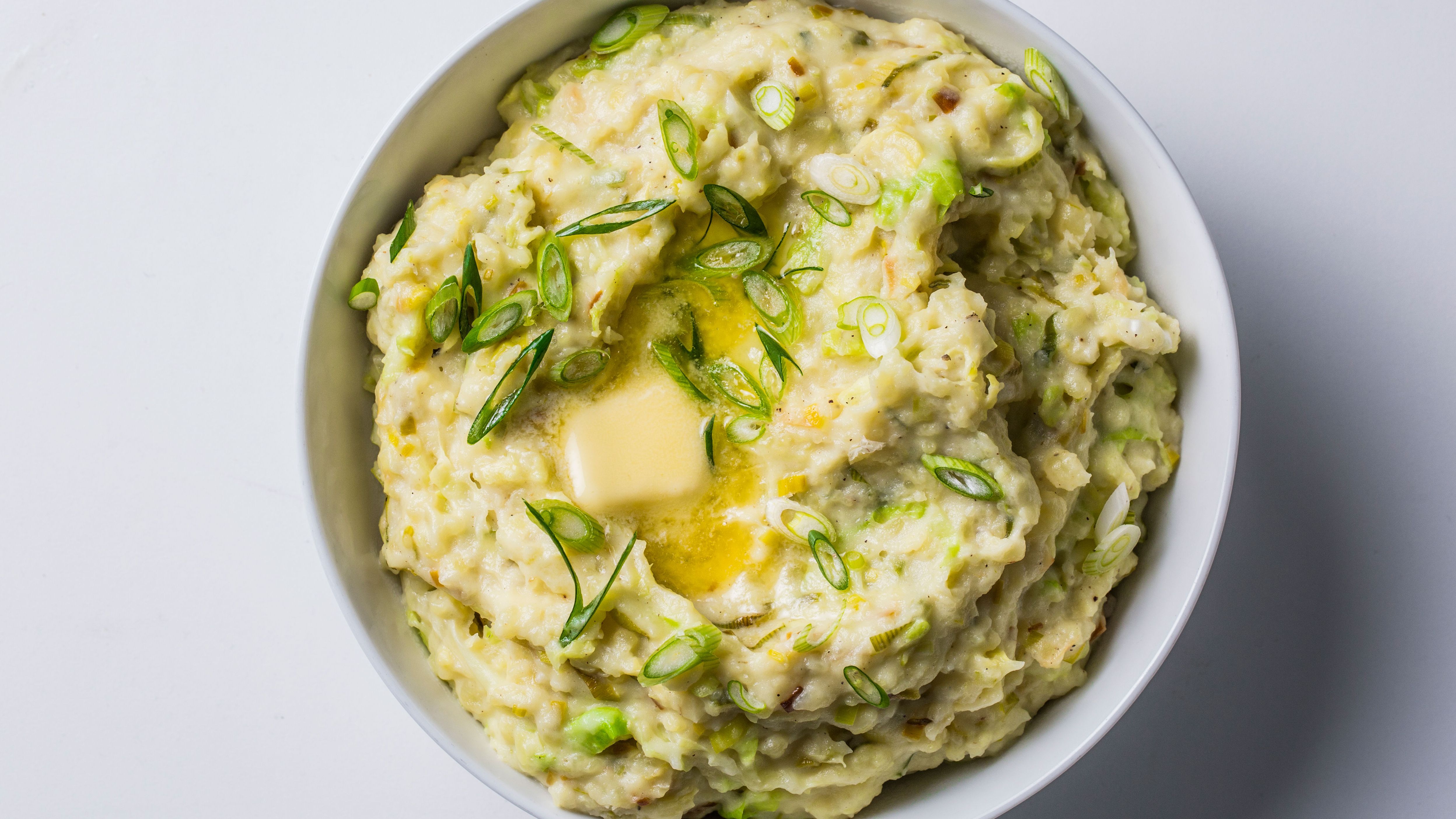
Serve with creamy mashed potatoes, crusty bread, or a fresh winter salad for contrast. The rich flavors pair well with roasted Brussels sprouts or sautéed greens.
Can I make this recipe gluten-free?
Yes, as long as you use gluten-free miso paste and flour substitutes for frying onions, like rice or chickpea flour, this dish can be safely gluten-free.
How do I reheat leftovers without drying them out?
Reheat gently over low heat on the stove or in a warm oven with the braising liquid to maintain moisture and tenderness. Avoid microwaving to prevent drying.
More Recipes You Will Love
If you enjoy warming winter dishes, try our rich and creamy hot chocolate with peppermint schnapps recipe that wraps you in cozy sweetness. It’s the perfect beverage to sip alongside your pork roast for a full comfort meal experience.
For your next festive gathering, explore our hot cocoa charcuterie boards for unique inspiration. These boards bring together sweet and savory bites to make any holiday entertaining effortlessly stylish and delicious.


Conclusion
Pork shoulder pot roast with winter vegetables is a show-stopping dish that brings warmth, comfort, and hearty nutrition to your table. Its tender texture and robust flavors make it a go-to for cozy dinners or special family occasions. Give this recipe a try and share your experience—your comments, ratings, and stories are always welcome here!
FAQs
When is the best time to eat Pork Shoulder Pot Roast With Winter Vegetables?
This dish is ideal during the colder months, especially in winter, when hearty, warm meals are most comforting. It’s perfect for chilly evenings and holiday gatherings, making the most of seasonal root vegetables.
Can I substitute other vegetables for the winter vegetables listed in this recipe?
Yes, you can substitute similar hearty root vegetables such as parsnips, sweet potatoes, or carrots if needed. Choose vegetables that hold up well to slow cooking to maintain texture and flavor balance.
Is Pork Shoulder Pot Roast With Winter Vegetables suitable for meal prep?
Absolutely. This dish keeps well in the refrigerator for several days and freezes nicely. Reheat gently to preserve tenderness, making it a great option for make-ahead meals during busy weeks.
How can I make the Pork Shoulder Pot Roast healthier?
To reduce fat, trim excess pork fat before cooking and use low-sodium chicken stock. Increase the portion of vegetables, and consider using less pancetta or substituting with leaner meat options.
What wine or beverage pairs well with Pork Shoulder Pot Roast With Winter Vegetables?
A robust red wine like a Malbec or Syrah complements the rich pork and deep flavors. Alternatively, a dark stout beer echoes the recipe’s cooking liquid, enhancing the meal’s depth and warmth.